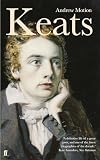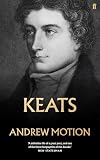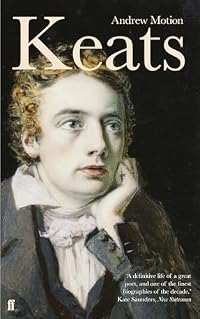
Keats
by Andrew Motion
On This Page
Description
John Keats (1795-1821) is one of the greatest and most loved of all English poets. Beyond the richness of his work, his poignant life has helped to define the modern paradigm of the poet's story. The son of a stable keeper, Keats was orphaned as a boy. He trained as a doctor but gave up his profession for poetry. He contracted tuberculosis while nursing his brother through the fatal illness, and died in Rome at the age of twenty-five. Ardent, generous, and noble, he is a figure of tragic show more dimension. Andrew Motion's dramatic and astute narration of one of the representative lives in English literature is the first new look at Keats in a generation. Unlike previous biographers, Motion pays close attention to the social and political contexts in which Keats came to maturity, and interleaves Keats's life with his work, making incisive use of Keats's letters. show lessTags
Recommendations









Member Reviews
I've been picking through this biography for a paper, and can't wait to sit down and read the whole thing! Keats was a fascinating and tragic figure.
------------
I think I have some things to say about Keats, but it's late, and reading about the end of his life has made me sad. Review to come.
------------
OK. Where to begin? I should mention that I've been a fan of Keats, as much as I can be a fan without being particularly skilled at reading and understanding poetry, for several years. The odes, "The Eve of St. Agnes," "Lamia," "La Belle Dame Sans Merci," and oh my God "To Autumn." So beautiful. I have less success with the longer poems, like "Hyperion" and "Endymion." But his shorter poems and his letters have made me fall in love with show more him. When I spent the summer in London and Scotland, studying library science, one of our assignments was to make site visits of libraries and museums. I made Keats my assignment. I visited his Hampstead home, where he lived with his friend Brown and next door to the woman who would become his fiancee and his obsession. I visited Winchester, where he spent some time and which inspired him to write my favorite of his poems, "To Autumn." I walked the very path that Keats walked just a year before his death. Last year I visited Italy, and it wouldn't have been complete without a mini pilgrimage to the rooms near the Spanish Steps where Keats spent his final weeks. And upon reading this biography, I discovered that I'd been unknowingly stalking Keats throughout my earlier travels. I'd been to the Giant's Causeway in Northern Ireland, which astonished and inspired Keats. I'd been to the birthplace of Robert Burns, where Keats made a pilgrimage on his walking tour of Scotland. I'd been to Ben Nevis, and stayed a short walk from the hospital in London where Keats trained to become a surgeon. I point this out just to show that I feel a weird sense of connection with Keats, in addition to my admiration, and that's what led me to read this large and intimidating biography. Which, I should point out, contains quite a bit of in-depth discussion and analysis of poetry. Be ye warned.
I thought I had a general understanding of Keats. Who he was. What his life was like. And while I had a decent understanding of the basic trajectory of his life, I was shocked at how much I learned about him, and how affecting his story was. Keats lived a difficult life filled with challenges and grief, which I knew, and I hesitate to just give an extensive timeline of his life. So instead I'll just point out some of the things that I didn't know. He was born in the East End of London. John Keats was a Cockney! I had no idea. I always imagined him speaking with a posh British accent. Imagining him with a Cockney accent makes him more approachable. More human. He was also, kind of, a little bit of a misogynist. Normally this would be a big deal-breaker for me, but reading about his life, and knowing about the time, I was somehow able to understand, if not accept, where he was coming from. Largely because he was aware that his views of women were "not right," and because there were a few women who were important in his life and who he respected. Most importantly, I learned that Keats was politically minded, savvy, and while the negative reviews of his work that prevailed in his day upset him, he knew to expect them. He was mainly upset because they affected his ability to make a living as a poet, not because he was the delicate, sensitive poet that he gained a reputation for being. He was actually kind of a dude. He spent half the book treating himself for VD, so he was obviously no shy and retiring violet. There are reports that he once beat a butcher's boy for tormenting a kitten. He wasn't afraid of a fight, he was social, and while he wasn't willing to play the game in the literary world, he absolutely knew that it existed and how it would affect him. Again, this was a pleasant surprise that made him more vivid in my imagination, and more human.
I feel like I'm rambling. Which happens when I have a lot to say about a topic that I find interesting. So let me reign myself in, and just address how absolutely heartrending I find the end of his life. He was so very, very young when he died. Just over 25 years old. He had barely known Fanny Brawne, his fiancee, his great love, and his jealous obsession. He was a trained surgeon who had nursed two family members with tuberculosis until their deaths, and so had every idea of what his own death from that disease would look like. He was separated from family and friends, in a foreign country, horribly ill and subjected to bleedings and starvation diets in the attempt of a cure, he had little hope of a lasting reputation as a poet. His letters from his last weeks, and the descriptions of his friend and nurse Severn, are absolutely heartbreaking. Andrew Motion tells the story in such a way that you can feel Keats' anguish at his impending death. You know that poem by Dylan Thomas, "Do Not Go Gentle?" It was very much on my mind as I read about the end of Keats' life. His grief and anguish were never from a place of self-pity or fear. Instead, it was anger and rage. Anger that his progress as a poet would cease. Anger that he must leave Fanny Brawne before their relationship could be fully realized. Anger that all the beauty and horror and poverty and brilliance of the world were disappearing for him. It was raw and brutal, and it brought me to tears. I wonder if he would be gratified to know that he is now considered one of the pre-eminent English poets. I hope so.
To wrap up, and to sum up my feelings about Keats after having read hundreds of pages about him and his poetry, let me quote Hugh Grant from the Bridget Jones's Diary movie: "Fuck me, I love Keats." show less
------------
I think I have some things to say about Keats, but it's late, and reading about the end of his life has made me sad. Review to come.
------------
OK. Where to begin? I should mention that I've been a fan of Keats, as much as I can be a fan without being particularly skilled at reading and understanding poetry, for several years. The odes, "The Eve of St. Agnes," "Lamia," "La Belle Dame Sans Merci," and oh my God "To Autumn." So beautiful. I have less success with the longer poems, like "Hyperion" and "Endymion." But his shorter poems and his letters have made me fall in love with show more him. When I spent the summer in London and Scotland, studying library science, one of our assignments was to make site visits of libraries and museums. I made Keats my assignment. I visited his Hampstead home, where he lived with his friend Brown and next door to the woman who would become his fiancee and his obsession. I visited Winchester, where he spent some time and which inspired him to write my favorite of his poems, "To Autumn." I walked the very path that Keats walked just a year before his death. Last year I visited Italy, and it wouldn't have been complete without a mini pilgrimage to the rooms near the Spanish Steps where Keats spent his final weeks. And upon reading this biography, I discovered that I'd been unknowingly stalking Keats throughout my earlier travels. I'd been to the Giant's Causeway in Northern Ireland, which astonished and inspired Keats. I'd been to the birthplace of Robert Burns, where Keats made a pilgrimage on his walking tour of Scotland. I'd been to Ben Nevis, and stayed a short walk from the hospital in London where Keats trained to become a surgeon. I point this out just to show that I feel a weird sense of connection with Keats, in addition to my admiration, and that's what led me to read this large and intimidating biography. Which, I should point out, contains quite a bit of in-depth discussion and analysis of poetry. Be ye warned.
I thought I had a general understanding of Keats. Who he was. What his life was like. And while I had a decent understanding of the basic trajectory of his life, I was shocked at how much I learned about him, and how affecting his story was. Keats lived a difficult life filled with challenges and grief, which I knew, and I hesitate to just give an extensive timeline of his life. So instead I'll just point out some of the things that I didn't know. He was born in the East End of London. John Keats was a Cockney! I had no idea. I always imagined him speaking with a posh British accent. Imagining him with a Cockney accent makes him more approachable. More human. He was also, kind of, a little bit of a misogynist. Normally this would be a big deal-breaker for me, but reading about his life, and knowing about the time, I was somehow able to understand, if not accept, where he was coming from. Largely because he was aware that his views of women were "not right," and because there were a few women who were important in his life and who he respected. Most importantly, I learned that Keats was politically minded, savvy, and while the negative reviews of his work that prevailed in his day upset him, he knew to expect them. He was mainly upset because they affected his ability to make a living as a poet, not because he was the delicate, sensitive poet that he gained a reputation for being. He was actually kind of a dude. He spent half the book treating himself for VD, so he was obviously no shy and retiring violet. There are reports that he once beat a butcher's boy for tormenting a kitten. He wasn't afraid of a fight, he was social, and while he wasn't willing to play the game in the literary world, he absolutely knew that it existed and how it would affect him. Again, this was a pleasant surprise that made him more vivid in my imagination, and more human.
I feel like I'm rambling. Which happens when I have a lot to say about a topic that I find interesting. So let me reign myself in, and just address how absolutely heartrending I find the end of his life. He was so very, very young when he died. Just over 25 years old. He had barely known Fanny Brawne, his fiancee, his great love, and his jealous obsession. He was a trained surgeon who had nursed two family members with tuberculosis until their deaths, and so had every idea of what his own death from that disease would look like. He was separated from family and friends, in a foreign country, horribly ill and subjected to bleedings and starvation diets in the attempt of a cure, he had little hope of a lasting reputation as a poet. His letters from his last weeks, and the descriptions of his friend and nurse Severn, are absolutely heartbreaking. Andrew Motion tells the story in such a way that you can feel Keats' anguish at his impending death. You know that poem by Dylan Thomas, "Do Not Go Gentle?" It was very much on my mind as I read about the end of Keats' life. His grief and anguish were never from a place of self-pity or fear. Instead, it was anger and rage. Anger that his progress as a poet would cease. Anger that he must leave Fanny Brawne before their relationship could be fully realized. Anger that all the beauty and horror and poverty and brilliance of the world were disappearing for him. It was raw and brutal, and it brought me to tears. I wonder if he would be gratified to know that he is now considered one of the pre-eminent English poets. I hope so.
To wrap up, and to sum up my feelings about Keats after having read hundreds of pages about him and his poetry, let me quote Hugh Grant from the Bridget Jones's Diary movie: "Fuck me, I love Keats." show less
Not an easy or a comfortable read, as Motion delves deep into the mind of Keats as he sees it, based on a huge amount of diligent research. I'll be returning to the poetry (or at least some of it) with fresh eyes, but hoping all this background hasn't tainted the work for me.
One mystery will stay with me. Through his short and unhappy life how did Keats attract and retain such loyal friendships, given that through these pages he comes across as the sort of personality one would prefer to avoid?
One mystery will stay with me. Through his short and unhappy life how did Keats attract and retain such loyal friendships, given that through these pages he comes across as the sort of personality one would prefer to avoid?
As I have said before, I think a great biography profoundly changes one's perspective. John Keats has been my favourite poet since I was a high school students, but I actually knew almost nothing about him. This great biography by Andrew Motion has changed that profoundly. It was a five-star read to me.
Most of the Romantic poets were too young to witness the French Revolution; that event was much more impressive to the generation of Mary Wollstonecraft, who went to Paris to see how the revolution unfolded. However, the revolutionary spirit had a long echo in the ideas of the Romantic poets, including John Keats, and this biography shows how that formed the young Keats.
The biography is an impressive description of the momentuous events show more Keats life and his family, and friends. His life and illness can only be described as tragic, up until the moving moments of his early death in Rome. show less
Most of the Romantic poets were too young to witness the French Revolution; that event was much more impressive to the generation of Mary Wollstonecraft, who went to Paris to see how the revolution unfolded. However, the revolutionary spirit had a long echo in the ideas of the Romantic poets, including John Keats, and this biography shows how that formed the young Keats.
The biography is an impressive description of the momentuous events show more Keats life and his family, and friends. His life and illness can only be described as tragic, up until the moving moments of his early death in Rome. show less
read so long ago can't remember much of it.
Ratings
Members
- Recently Added By
Author Information

79+ Works 2,255 Members
Andrew Motion is Professor of Creative Writing at the University of East Anglia.
Common Knowledge
- Canonical title
- Keats
- Original publication date
- 1997
- People/Characters
- John Keats; Fanny Brawne
- Dedication
- For
Emma Morgan
and
her family - First words
- In September 1820, five months before his death, Keats sailed to Italy with his friend Josephe Severn.
- Blurbers
- Saunders, Kate; White, Edmund; Hennessy, Val; Foster, Roy; Sheldon, Michael; Mackinnon, Lachlan (show all 7); Brownjohn, Alan
Classifications
Statistics
- Members
- 245
- Popularity
- 131,865
- Reviews
- 4
- Rating
- (4.04)
- Languages
- English
- Media
- Paper, Ebook
- ISBNs
- 6
- ASINs
- 2