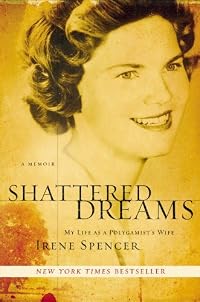
Shattered Dreams : My Life as a Polygamist's Wife
by Irene Spencer
On This Page
Description
Irene Spencer did as she felt God commanded in marrying her brother-in-law Verlan LeBaron, becoming his second wife at age 16. When the government raided the fundamentalist, polygamous Mormon village of Short Creek, Arizona, Irene and her family fled to Verlan's brothers' Mexican ranch. They lived in squalor and desolate conditions in the Mexican desert with Verlan's four brothers, one mentally ill sister, and numerous wives and children--Irene herself bore thirteen. The dramatic story of show more her life, and her escape to an outside world for which she was little prepared, reveals how far religion can be stretched and abused and how one woman and her children found their way to truth and redemption.--From publisher description. show lessTags
Recommendations
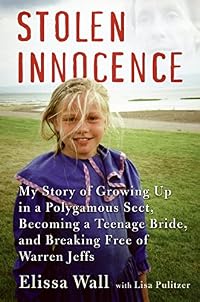
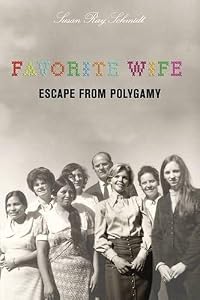
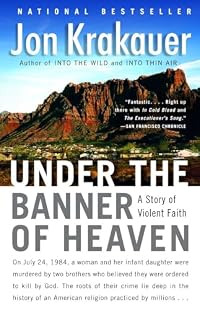
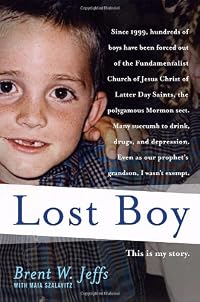
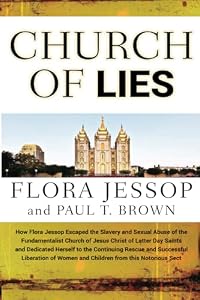
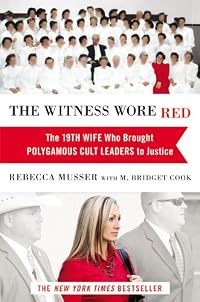
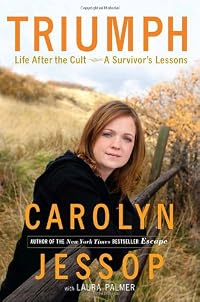
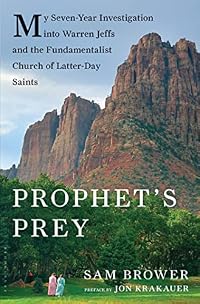
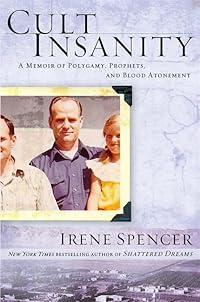
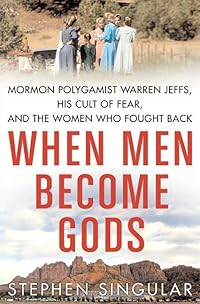
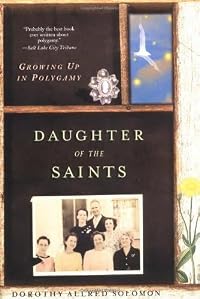
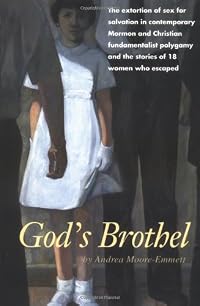
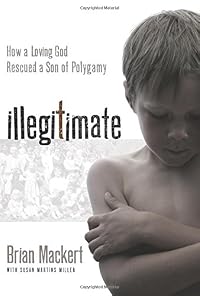
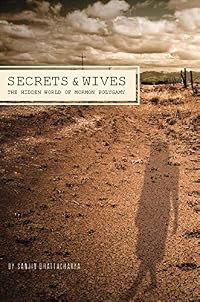


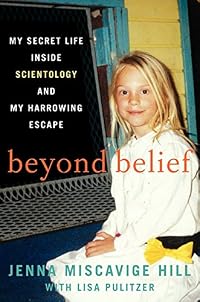
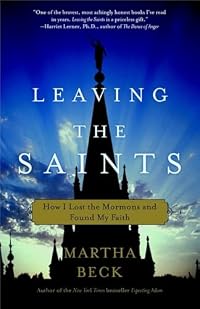
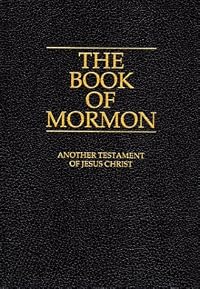
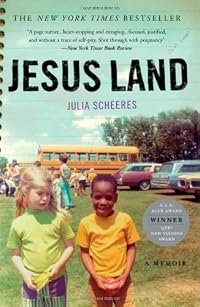

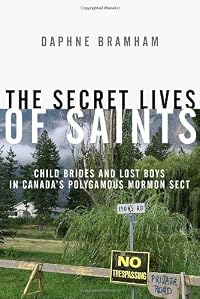

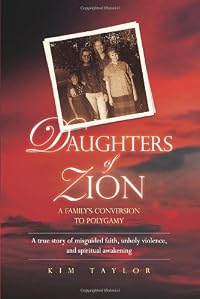










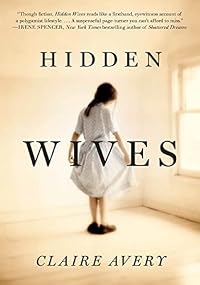


Member Recommendations

Member Reviews
An illuminating look at the position of "plural wives" -- women in religiously-based polygamous relationships. Irene Spencer's story focuses on the LeBaron polygamous group, a splinter fundamentalist Mormon sect based out of Mexico. Note, this is the sect that was involved in a series of murders in the 1970s and 1980s under the direction of Ervil LeBaron (the narrator's brother-in-law); while it splintered from and has ties with the "FLDS" based primarily out of Colorado City, Arizona, and run by Warren Jeffs, it is a separate sect. This memoir does not detail the LeBaron murders, however; for that, see The 4 O'Clock Murders, or His Favorite Wife by Susan Ray Phillips.
This book is also not an abuse survivor memoir. Unlike the polygamy show more memoirs coming out of members of the FLDS church ("Stolen Innocence" by Elissa Wall; "Escape" by Carolyn Jessop; "Lost Boy" by Brent Jeffs; "Church of Lies" by Flora Jessop), Spencer does not detail (nor apparently experienced) egregious child abuse and domestic violence.
Instead, Spencer offers a perfect case study of a woman led by her own religious faith into an unhappy plural marriage. There was family pressure both for and against her plural marriage, but ultimately she describes that she wanted to be "exalted", to rule another world with her husband (and his other wives) rather than suffer any of the other fates described by her theology.
Without a backstory fraught by abuse, Spencer's memoir offers the opportunity to examine a more "normal" look at a polygamous household. Thus, Spencer's memoir focuses on the nitty-gritty details of what it is like to live in a a plural marriage. Economic sustainability is impossible--as the number of wives and children multiplies faster than any salary can rise, the standard of living must inevitably fall. Co-parenting is done with the sister-wives, and only to the extent that family comity permit; the patriarch cannot possibly be an effective parent to his children, and at best can be only a financial provider, leavening beneficient neglect with occasional positive presence. Relationships among the sister-wives can be strong, but are also routinely strained by rivalries and competitions created by scarcity of economic, domestic, and affectional resources. The basic needs of an adult for emotional and sexual intimacy simply cannot be met in a rotating schedule, no matter how fairly devised. Favoritism is inevitable, no matter how everyone tries to play fair.
I was also struck by Spencer's former and current religious faith, and I think her memoir may offer some insight for the non-believer. Spencer did not discard her earlier religious beliefs because they ceased to make sense -- a classic atheist narrative. Instead, she discarded them because they made her unhappy. She places utter credence in a variety of spiritual revelations and beliefs -- from fortune-telling, which she believed even though it isn't "godly" communications; to precognitive visions of various sorts, which pop up throughout the memoir both from Spencer and occasionally others; and ultimately, of course, Spencer became a born-again Christian, abandoning Mormonism altogether. At core, this exhibits a sort of pragmatic wish-fulfillment that mystifies me, but is not, I think, uncommon among the faithful. So, I would mark this book as of interest to freethinkers who are interested in how the other half thinks.
Note: Regarding the literary values of Shattered Dreams: Spencer's memoir is competently written, her story is clearly told, and her voice -- naive, yearning, disillusioned, frank -- emerges clearly, which is what I look for from memoirists. I prefer not to comment further on the literary values of memoirs unless they stand out in some way; the point of a memoir, to me, is a window on that person's life or experience, not the elegance of the prose. show less
This book is also not an abuse survivor memoir. Unlike the polygamy show more memoirs coming out of members of the FLDS church ("Stolen Innocence" by Elissa Wall; "Escape" by Carolyn Jessop; "Lost Boy" by Brent Jeffs; "Church of Lies" by Flora Jessop), Spencer does not detail (nor apparently experienced) egregious child abuse and domestic violence.
Instead, Spencer offers a perfect case study of a woman led by her own religious faith into an unhappy plural marriage. There was family pressure both for and against her plural marriage, but ultimately she describes that she wanted to be "exalted", to rule another world with her husband (and his other wives) rather than suffer any of the other fates described by her theology.
Without a backstory fraught by abuse, Spencer's memoir offers the opportunity to examine a more "normal" look at a polygamous household. Thus, Spencer's memoir focuses on the nitty-gritty details of what it is like to live in a a plural marriage. Economic sustainability is impossible--as the number of wives and children multiplies faster than any salary can rise, the standard of living must inevitably fall. Co-parenting is done with the sister-wives, and only to the extent that family comity permit; the patriarch cannot possibly be an effective parent to his children, and at best can be only a financial provider, leavening beneficient neglect with occasional positive presence. Relationships among the sister-wives can be strong, but are also routinely strained by rivalries and competitions created by scarcity of economic, domestic, and affectional resources. The basic needs of an adult for emotional and sexual intimacy simply cannot be met in a rotating schedule, no matter how fairly devised. Favoritism is inevitable, no matter how everyone tries to play fair.
I was also struck by Spencer's former and current religious faith, and I think her memoir may offer some insight for the non-believer. Spencer did not discard her earlier religious beliefs because they ceased to make sense -- a classic atheist narrative. Instead, she discarded them because they made her unhappy. She places utter credence in a variety of spiritual revelations and beliefs -- from fortune-telling, which she believed even though it isn't "godly" communications; to precognitive visions of various sorts, which pop up throughout the memoir both from Spencer and occasionally others; and ultimately, of course, Spencer became a born-again Christian, abandoning Mormonism altogether. At core, this exhibits a sort of pragmatic wish-fulfillment that mystifies me, but is not, I think, uncommon among the faithful. So, I would mark this book as of interest to freethinkers who are interested in how the other half thinks.
Note: Regarding the literary values of Shattered Dreams: Spencer's memoir is competently written, her story is clearly told, and her voice -- naive, yearning, disillusioned, frank -- emerges clearly, which is what I look for from memoirists. I prefer not to comment further on the literary values of memoirs unless they stand out in some way; the point of a memoir, to me, is a window on that person's life or experience, not the elegance of the prose. show less
I've read several books on the practice of polygamy by Fundamentalist Mormons, but none were as good as this book. It is a very detailed account of the philosophy and lifestyle of these people, the original Mormons. The subjugation of women, not as low as Muslim women, but still below any other group of women in the West, is evident. Not just from their almost non-position in the religion - they are just vessels to produce bodies for waiting souls - but also because they are essentially slave labour. The husbands in these polygamous families detailed in the book are away working arriving home with meagre amounts of money (the bulk of it was donated to missionary and other church work), and expecting the up to 9 wives and 58 children to show more support themselves and produce spare agricultural produce to sell.
Wives have to give their consent to a husband taking more wives, but if they aren't informed, well.... Husbands play favourites, living with the wife they are in love with, deny sex except for procreation (unless, it is hinted, you are a favourite), and have a fine old time of life with the promised reward of becoming gods on their own planets after death.
Only men can be so elevated and this godhead status is almost guaranteed if he marries a 'quorum' of seven wives and has fifty children (who could support 58 people? This is where the slave labour comes in, endless work for no personal reward). A woman's reward is that is she is very, very good, sweet and obedient then her husband will pull her through 'the veil' of death and ennoble her to be a goddess on his very own planet. If she is a bad woman, not sweet, obedient or uses birth control or tries to frustrate her husband in his duty of marrying many women, then she will burn in hell for all eternity. Nice.
I understand that the rule of polygamy was abandoned when a condition for statehood of Utah was that polygamy be banned although the US courts had long ruled it to be illegal.
I do have difficulty with a religion whose founder was a convicted conman and whose revelations (and those of his high-status co-religionists) benefit men, make use of women and whose beliefs are very hard to sustain 'gods on other planets' in today's world. When those religions then change their own absolutely sacred laws,perhaps the most essential one, because it is expedient to do so, I have a hard time seeing how anyone could actually believe in it and adhere to its principles. I also have a hard time in wondering how present LDS Mormons can accept the watering-down of the religion knowing it was done to appease the government, and side-lining of those who still follow it. This book does nothing to make me more positive and understanding. But then faith never required evidence, and facts that don't fit can always be explained away in any religion or set of beliefs.
That said, I respect people because of their actions and sometimes because of what they say, not because of what they believe - I'm not the thought-police. And I'm aware that my own existentialist philosophy isn't held in any high esteem by those who have other beliefs.
The book is a relevation of what it actually meant to be a polygamist wife. Highly recommended. show less
Wives have to give their consent to a husband taking more wives, but if they aren't informed, well.... Husbands play favourites, living with the wife they are in love with, deny sex except for procreation (unless, it is hinted, you are a favourite), and have a fine old time of life with the promised reward of becoming gods on their own planets after death.
Only men can be so elevated and this godhead status is almost guaranteed if he marries a 'quorum' of seven wives and has fifty children (who could support 58 people? This is where the slave labour comes in, endless work for no personal reward). A woman's reward is that is she is very, very good, sweet and obedient then her husband will pull her through 'the veil' of death and ennoble her to be a goddess on his very own planet. If she is a bad woman, not sweet, obedient or uses birth control or tries to frustrate her husband in his duty of marrying many women, then she will burn in hell for all eternity. Nice.
I understand that the rule of polygamy was abandoned when a condition for statehood of Utah was that polygamy be banned although the US courts had long ruled it to be illegal.
I do have difficulty with a religion whose founder was a convicted conman and whose revelations (and those of his high-status co-religionists) benefit men, make use of women and whose beliefs are very hard to sustain 'gods on other planets' in today's world. When those religions then change their own absolutely sacred laws,perhaps the most essential one, because it is expedient to do so, I have a hard time seeing how anyone could actually believe in it and adhere to its principles. I also have a hard time in wondering how present LDS Mormons can accept the watering-down of the religion knowing it was done to appease the government, and side-lining of those who still follow it. This book does nothing to make me more positive and understanding. But then faith never required evidence, and facts that don't fit can always be explained away in any religion or set of beliefs.
That said, I respect people because of their actions and sometimes because of what they say, not because of what they believe - I'm not the thought-police. And I'm aware that my own existentialist philosophy isn't held in any high esteem by those who have other beliefs.
The book is a relevation of what it actually meant to be a polygamist wife. Highly recommended. show less
Irene grew up in a polygamous home and was raised in the FLDS church (Fundamentalist Mormons). Her mother got out of her plural marriage and Irene came close to not entering into one, but her fears of going to hell if she didn't convinced her... along with other family and her future husband, Verlan. She became his second wife; her half-sister, Charlotte was his first. Irene hated it! And she felt worse and worse about it with every new wife brought into the family. This is the story of her life with Verlan and all the other wives and her 13 children that came.
Wow, Irene had a temper! She was feisty, but the entire situation just battered her mental state down. Verlan had no time for her with all the other wives and working in the U.S. show more (they mostly lived in Mexico and they were also in Nicaragua for a while). They were extremely poor, which apparently happens with a lot of plural wives – with all the extra wives and children to feed. Good read, though. show less
Wow, Irene had a temper! She was feisty, but the entire situation just battered her mental state down. Verlan had no time for her with all the other wives and working in the U.S. show more (they mostly lived in Mexico and they were also in Nicaragua for a while). They were extremely poor, which apparently happens with a lot of plural wives – with all the extra wives and children to feed. Good read, though. show less
Shattered Dreams is a fascinating look at a way of life totally foreign to most people. Irene Spencer grew up in the branch of the Mormon faith that still believed in polygamy. As the second of what was ultimately her husband's ten wives, she became the mother of thirteen of his 58 children. The statistics are important as they show the unimaginable situation in which Irene Spencer spent much of her life.
This book is a brutally honest memoir of a woman' life. It follows her from place to place, never enough money, rarely in a finished house, living in abject poverty. She loves her husband but is able to spend very little time with him. He is spread too thin trying to meet the needs of both his large family and his church. She yearns for show more romance and affection, neither of which have a place in the religion she embraces. Her husband rarely sees his children- hard to spend quality time with 58 children. She helps her "sister wives" with their children in an extended system of family and obligations.
Shattered Dreams is a glimpse into the incredible life of one woman. She is able to take the reader through the many journeys, locations and situations in which she found herself. Her ability to look back on the emotions she suffered and share them is a gift she shares thoughtfully and clearly. It is an emotional tale but told without self pity, without holding back on any part of it.
It has basic background on the church, its history and turbulence as it affects her life. A follow up to this memoir would be most welcomed to expand on the Mormon Church and the events that are mentioned in this book. Irene Spencer's ability to handle concrete details along with a descriptive voice would make her an ideal author to examine and share more information on this subject. show less
This book is a brutally honest memoir of a woman' life. It follows her from place to place, never enough money, rarely in a finished house, living in abject poverty. She loves her husband but is able to spend very little time with him. He is spread too thin trying to meet the needs of both his large family and his church. She yearns for show more romance and affection, neither of which have a place in the religion she embraces. Her husband rarely sees his children- hard to spend quality time with 58 children. She helps her "sister wives" with their children in an extended system of family and obligations.
Shattered Dreams is a glimpse into the incredible life of one woman. She is able to take the reader through the many journeys, locations and situations in which she found herself. Her ability to look back on the emotions she suffered and share them is a gift she shares thoughtfully and clearly. It is an emotional tale but told without self pity, without holding back on any part of it.
It has basic background on the church, its history and turbulence as it affects her life. A follow up to this memoir would be most welcomed to expand on the Mormon Church and the events that are mentioned in this book. Irene Spencer's ability to handle concrete details along with a descriptive voice would make her an ideal author to examine and share more information on this subject. show less
This is now the third book I've read detailing the lives of women who were either born into or married into the notorious LeBaron polygamous Mormon cult, and I have to say it doesn't get easier the more I know about the various branches of this diseased tree. Irene's story is the first to have a woman actually choose to enter the fold, and thereby provides and interesting and somewhat divergent perspective. It continues to break my heart what people will do in the name of their faith. Interesting read, although the main character's perspective is, at times, tough to sympathize with.
A very straight from the heart with no holding back view of what it's like to be in a polygamy based religion and marriage.
I was captured by this book and the trials this woman went through. The sad thing in all of this is, when you are raised a certain way it's all you know. It's what you follow, what you do. Although most books of this subject are filled with physical abuse, this one was not. However, it was filled with all kinds of neglect and horrible living conditions. I give this author a standing ovation for finally seeing the light at the end of the tunnel and having the strength to find her own life. The only thing that kept this from a 5 star was it was rather slow and dull in the beginning.
I was captured by this book and the trials this woman went through. The sad thing in all of this is, when you are raised a certain way it's all you know. It's what you follow, what you do. Although most books of this subject are filled with physical abuse, this one was not. However, it was filled with all kinds of neglect and horrible living conditions. I give this author a standing ovation for finally seeing the light at the end of the tunnel and having the strength to find her own life. The only thing that kept this from a 5 star was it was rather slow and dull in the beginning.
I read Irene's book after reading her sister-wives book. Irene's story is heart breaking in her own right, but because she was older than Susan and an earlier wife, poor Irene has to live through so much more.
I enjoyed Irene's writing style, which was down to earth and straight forward. The book does seem to drag a bit, only because so much is similar - "Hey, I want to marry another wife" "No, I don't want you to marry again" "Tough luck", oh look another wife. Over and over again.
OK let's move to another dirt poor area and live where there's no heat... "NO, I don't want to" "Tough luck" oh look, another move.
Poor Irene, Through it all you really do feel bad for her. Irene really struggles with jealously throughout the book, natural show more enough, and by then end you are really rooting for her. You do have to question why she stays with her husband so long. But how she manages to survive is why this book is worth reading. show less
I enjoyed Irene's writing style, which was down to earth and straight forward. The book does seem to drag a bit, only because so much is similar - "Hey, I want to marry another wife" "No, I don't want you to marry again" "Tough luck", oh look another wife. Over and over again.
OK let's move to another dirt poor area and live where there's no heat... "NO, I don't want to" "Tough luck" oh look, another move.
Poor Irene, Through it all you really do feel bad for her. Irene really struggles with jealously throughout the book, natural show more enough, and by then end you are really rooting for her. You do have to question why she stays with her husband so long. But how she manages to survive is why this book is worth reading. show less
Members
- Recently Added By
Lists

Non-Fiction Worth Reading
1,015 works; 260 members

Read These Too
458 works; 9 members

Five star books
1,755 works; 108 members

Books Read in 2008
335 works; 8 members

Books Tagged Abuse
152 works; 4 members
Author Information
3 Works 690 Members
Awards and Honors
Distinctions
Common Knowledge
- Canonical title
- Shattered Dreams : My Life as a Polygamist's Wife
- Original publication date
- 2007
- People/Characters
- Irene Kunz LeBaron ( [1937] | later Irene Spencer | Irene Golda Kunz LeBaron Spencer); Morris Q. Kunz (Irene's father); Olive Allred Kunz ( [1910] | [1969] | Irene's mother | second wife to Morris Kunz); Rhea Allred Kunz (Irene's aunt and stepmother | first wife to Morris & half-sister of Olive); Ellen Halliday Kunz (Irene's stepmother | third wife to Morris); Rachel Jessop Kunz (Irene's stepmother | fourth wife to Morris) (show all 81); Harvey Allred (Irene's maternal grandfather); Roger Kunz ( [1932] | Irene's full brother | son of Olive Allred Kunz); Richard Kunz (Irene's full brother | son of Olive Allred Kunz); Douglas Kunz (Irene's full brother | son of Olive Allred Kunz); Becky Kunz ( [1939] | Irene's full sister | daughter of Olive Allred Kunz | m. Garlin); Erma Kunz ( [1943] | Irene's youngest full sibling | daughter of Olive Allred Kunz); Charlotte Kunz LeBaron ( [1932] | Irene's half-sister | daughter of Rhea Jessop Kunz | and Irene's sister-wife | Verlan's first wife); Mary Kunz ( [1937] | Irene's half-sister | daughter of Ellen Halliday Kunz); Rula Kunz ( [1935] | Irene's half-sister); Joseph Kunz ( [1937] | Irene's half-brother | daughter of Rachel Jessop Kunz); Nan Kunz ( [1939] | Irene's half-sister); Norma Kunz ( [1939] | Irene's half-sister); Millie Kunz ( [1940] | Irene's half-sister); Donna Kunz ( [1930] | Irene's half-sister | daughter of Rhea Jessop Kunz | m. Clyde and moved to Short Creek); Myra Kunz (Irene's half-sister | daughter of Rhea Jessop Kunz | m. Clyde and moved to Short Creek); John Kunz (Irene's half-brother); Sam Kunz (Irene's half-brother); Karen Kunz ( [1942] | Irene's half-sister); Walter Faber (neighbor in Trout Creek); Chet Young (friend of the family); Nelda Young (friend of the family); Horace Nielson ( [1902] | Irene's stepfather); Cleve LeBaron (Verlan's uncle | p.43); Verlan MacDonald LeBaron ( [1930] | Irene's first husband | his 2d wife); Glen Spencer ( [1924] | Irene's first boyfriend | p.47 et seq); Rulon Allred (Irene Spencer's uncle); Beth Allred (Irene Spencer's aunt); Ben LeBaron (Irene's brother-in-law | Verlan's older brother); Wesley LeBaron (Irene's brother-in-law | Verlan's older brother); Joel LeBaron (Irene's brother-in-law | Verlan's older brother); Ervil LeBaron (Irene's brother-in-law | Verlan's older brother); Alma LeBaron (Irene's brother-in-law | Verlan's older brother); Esther LeBaron Spencer (Irene's sister-in-law | Verlan's older sister); Lucinda LeBaron (Irene's sister-in-law | Verlan's older sister); Floren LeBaron (Irene's brother-in-law | Verlan's older brother); Sylvia Spencer (Lucy Spencer LeBaron's mother); Lucy Spencer LeBaron ( [1936] | Irene's sister-wife | Verlan's third wife | Irene's second cousin); Beverly LeBaron ( [1948] | Irene's sister-wife | Verlan's 4th wife | later divorced him); Esther LeBaron ( [1948] | Irene's sister-wife | Verlan's 5th wife | later divorced him); Susan Ray LeBaron ( [1953] | Irene's sister-wife | Verlan's sixth wife | later divorced him); Lillie LeBaron ( [1950] | Irene's sister-wife | Verlan's 7th wife | [1971]); Helen Leany LeBaron ( [1930] | Irene's sister-wife | Verlan's 9th wife | later divorced him | her previous husband was Theron Leany); Elizabeth LeBaron ( [1926] | Irene's sister-wife | Verlan's 9th wife | [1976] | previously widowed); Priscilla LeBaron (Irene's sister-wife | Verlan's 10th wife | previously married to Joel LeBaron as his 7th wife | widowed | divorced); Maud LeBaron (Verlan's mother); Verlan LeBaron, Jr. ( [1952] | Verlan's oldest child of 50 | son of Charlotte Kunz LeBaron); Rhea LeBaron ( [1953] | Verlan's second child | son of Charlotte Kunz LeBaron); Leah LeBaron ( [1954] | [1954] | Irene's first child); Donna LeBaron ( [1955] | Irene's second child); André LeBaron ( [1956, 1957] | Irene's third child); Steven LeBaron ( [1958] | Irene's fourth child); Brent LeBaron ( [1959] | Irene's fifth child); Kaylen LeBaron ( [1960] | Irene's sixth child | m. Jean); Barbara LeBaron ( [1962] | Irene's seventh child); Margaret LeBaron ( [1964] | Irene's eighth child); Sandra LeBaron ( [1965] | Irene's ninth child | [1965]); Connie LeBaron ( [1966] | Irene's tenth child); LaSalle LeBaron ( [1967] | Irene's eleventh child); Verlana LeBaron ( [1969] | Irene's twelfth child); Seth Michael LeBaron ( [1971] | Irene's thirteenth child); Lothair LeBaron (b. 01-20 | Irene's fourteenth and last child); Laura LeBaron ( [1955] | Charlotte's third child with Verlan LeBaron); Chad LeBaron ( [1956] | Lucy's first child with Verlan LeBaron); Mark LeBaron ( [1956] | Charlotte's fourth child with Verlan LeBaron); Linda Stanley (Irene's friend | Chapter 27 | p.257-264); Betty Tippetts (Irene's friend); Oreliano (Irene's boyfriend); Flora LeBaron (Irene's sister-in-law | Alma LeBaron's second wife); Jeannine LeBaron (Joel LeBaron's 2d wife); Susanna LeBaron ( [1956] | daughter of Charlotte & Verlan LeBaron); Theron Leany ( [1969] | Verlan's cousin | m. to Helen Leany); Lane Stubbs (friend of the LeBaron's); Hector J. Spencer (Irene's second husband | [1988]); Rulon Jeffs; Delfina Lebaron
- Important places
- Trout Creek, Utah, USA; Hurricane, Utah, USA; Colonia LeBaron, Galeana, Chihuahua, Mexico; Colonia Nicolás Bravo, Mexico; Ensenada, Baja California, Mexico (p.252 et seq); Los Molinos, Mexico (show all 7); Jinotega, Nicaragua (chapter 34, p.331 et seq)
- Important events
- Raid on Short Creek, Arizona, July 26, 1953
- Epigraph
- Humor enables one to live in the midst of tragic events without being a tragic figure. -- E. T. "Cy" Eberhart
- Dedication
- To my precious children, who made all my sacrifices worthwhile: Donna, André, Steven, Brent, Kaylen, Barbara, Margaret, Connie, LaSalle, Verlana, Seth, Lothair, and my little angel Leah, and my special gift from God, Sandra,... (show all) who are both now in Heaven but live also in my heart.
To my husband, Hector J. Spencer, for allowing me to pursue my dreams, for loving all my children, and for always displaying a servant's heart. Thank you for making me not only your favorite wife but your only wife. - First words
- Prologue: I edged sideways down the aisle of the crowded Greyhound, careful not to bump anyone with the bulky brown suitcase, which held my every possession: two or three plain cotton dresses, my undergarments, and toiletries... (show all)--the sparse but precious contents of my hope chest.
Book One: Called To Be a Goddess. Chapter One:
As we were growing up, polygamy was the ruling tenet of our lives.
Epilogue: After all my struggles to finally choose freedom, it was tragedy that actually ended my twenty-eight-year marriage to Verlan LeBaron. - Last words
- (Click to show. Warning: May contain spoilers.)I peered at his face for one short moment as the casket closed for the final time. Then, feeling Verlan's presence and knowing he'd understand, I whispered, "Good-bye, lover!" (p.377)
(Click to show. Warning: May contain spoilers.)Epilogue: Writing my story has brought me healing. But this book doesn't tell it all. It doesn't describe the terror to which my infamous brother-in-law, Ervil LeBaron, subjected us for several years. He ordered the deaths of at least twenty-eight of our family, friends, and church members. I was one of the people on his death list, which helped inspire me to go along with many of our moves throughout Mexico and Central America. While I wrote this book, Ervil cunningly seemed to be taking it over, as he was prone to do with everything. So I ripped out page after page about him, realizing that this has to be my story -- the story of my shattered dreams as a polygamist's wife and my journey into the light of God's unconditional love. (p.383) - Blurbers
- Gardner, Bud
Classifications
- Genres
- Nonfiction, Biography & Memoir, Religion & Spirituality, General Nonfiction
- DDC/MDS
- 289.3092 — Religion Christian denominations Other denominations and sects Mormonism Biography And History Biography
- LCC
- BX8695 .S759 .A3 — Philosophy, Psychology and Religion Christian Denominations Christian Denominations Protestantism Other Protestant denominations Mormons. Church of Jesus Christ of Latter-Day Saints
- BISAC
Statistics
- Members
- 574
- Popularity
- 51,051
- Reviews
- 31
- Rating
- (3.65)
- Languages
- English
- Media
- Paper, Audiobook, Ebook
- ISBNs
- 13
- ASINs
- 5