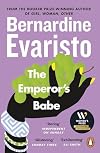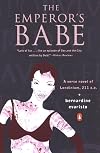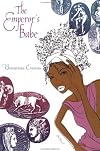
The Emperor's Babe
by Bernardine Evaristo
On This Page
Description
Fiction. African American Fiction. Romance. Historical Fiction. Bernardine Evaristo's tale of forbidden love in bustling third-century London is an intoxicating cocktail of poetry, history, and fiction. Feisty, precocious Zuleika, a restless teenage bride of a rich Roman businessman, craves passion and excitement. She wanders through his villa, bored, or sneaks out to see her old friends, seeking an outlet for her creativity. Then she begins an affair with the emperor, Septimus Severus, show more remembered to history as the "African Emperor," and she knows her life will never be the same. Streetwise, seductive, and lyrical, The Emperor's Babe is a "glittering fiction" with a "heroine of ancient times for the modern age" (the Times). Contains mature themes. show lessTags
Recommendations








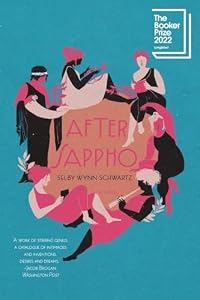
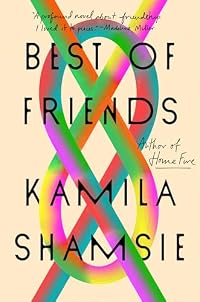

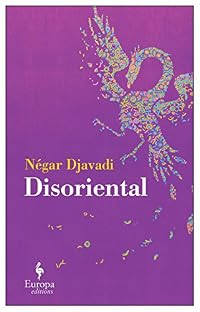
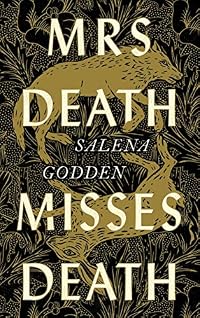
Member Recommendations
by susanbooks

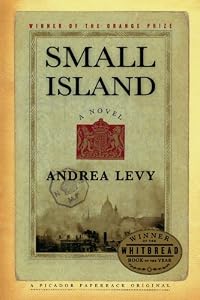
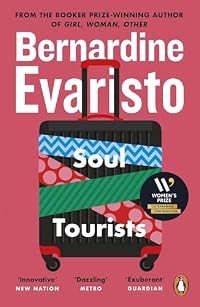
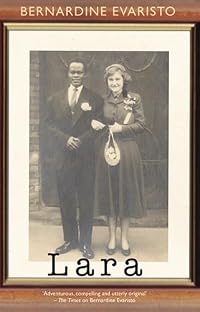
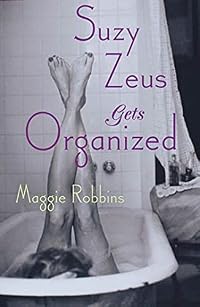
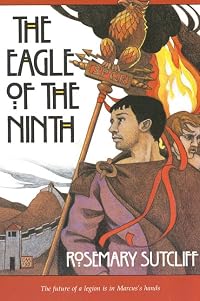
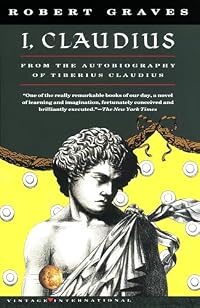
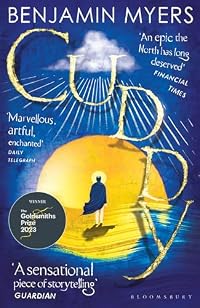
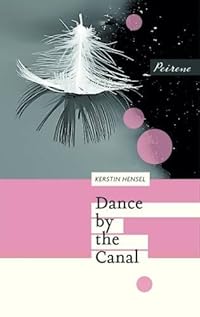
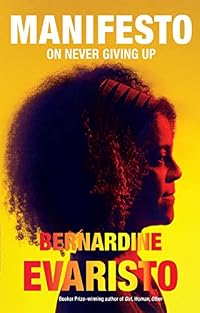
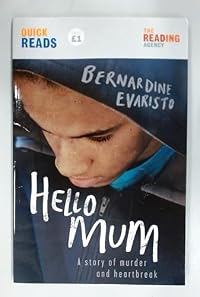
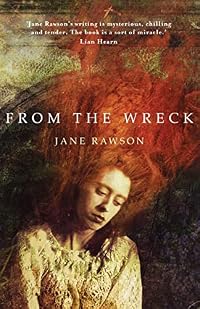
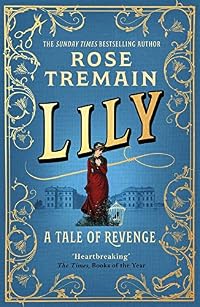
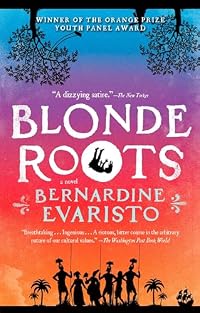
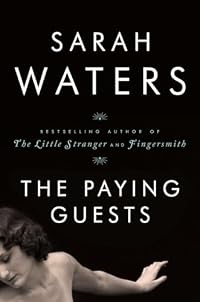
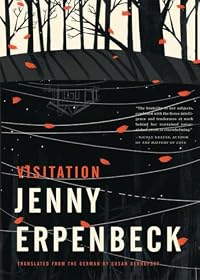
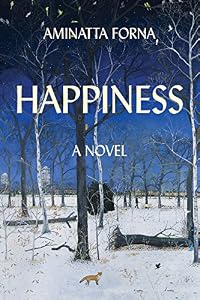
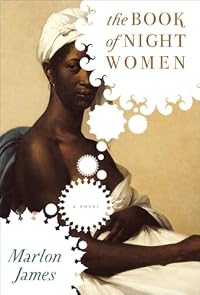
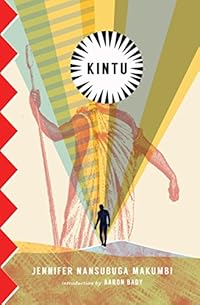
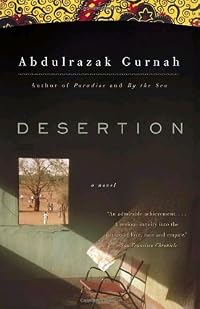
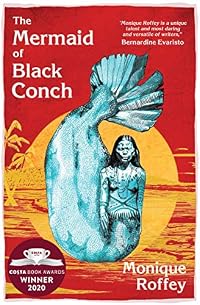
susanbooks Two smart novels about women in the classical age
Member Reviews
Zuleika, the daughter of Sudanese/Nubian immigrants to Londinium, becomes a child bride and then the mistress of the emperor Septimius Severus.
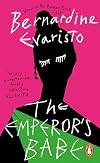
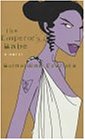
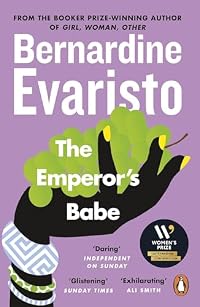
A brash bawdy romp, this novel in verse is basically a "Carry On Cleo" type of mixture of Roman stereotypes with knowing winks to the audience through references to modern place names in and around London and modern fashions. The cover gives the game away with Zuleika sporting a heart shaped tattoo enclosing the words "SEV IV ME". I loved it, but those who take their historical fiction seriously will hate it.
A brash bawdy romp, this novel in verse is basically a "Carry On Cleo" type of mixture of Roman stereotypes with knowing winks to the audience through references to modern place names in and around London and modern fashions. The cover gives the game away with Zuleika sporting a heart shaped tattoo enclosing the words "SEV IV ME". I loved it, but those who take their historical fiction seriously will hate it.
I listened to this. The text is presented as verse, which wasn't immediately apparent in the listening to it, there are clear sections of poetry in here, but the verse nature of the entire piece was not clear. I think that is a good thing.
Zuleika, known as Zeeks, is a London girl, this London being 3rd Century Roman London. The child of Nubian immigrants she grows up with a father making sweets and making his way to owning a shop and putting a roof over the family's head. Zeeks and her bestie, Alba, roam the streets getting into all sorts of scrapes. Until Zeeks is married off to Felix, an overly large man with an equally large ego and at least 3 times her age. Which makes him middle aged rather than actually old, but when you're 11 show more mid 30s is ancient. She Finds herself schooled in how to behave in her new position, when her exoticism is clearly part of the attraction.
We view her life from the inside of what turns into a gilded cage, she has 2 Scottish slave girls as attendants and she treats them, according to the morals of the day, well. The London she views is written using modern street names and boroughs, and using contemporary designer names. There would, no doubt, have been similar in Roman times, the mash up of old and new being an interesting treatment of the past. If you want you historical fiction to be historically accurate, maybe give this a miss, but if what you want is a feeling and spirit, this captures the mood in a very relatable way. In her last summer, aged just 18, she meets and has an affair with the Emperor, as he passes through London on his way to defeat the Scottish barbarians. Her life falls apart when he fails in this endeavour. It's troubling in some ways, marriage and sex at 11 is particularly uncomfortable reading, the slaves holding and orgies are just so different from modern experience that it's hard to know what to make of them. Zeeks comes across as a girl trying to navigate her way through a jungle without a map, doing what seems right at the time and then dealing with the consequences of her own and pother people's decisions, She never seems to be in control of her own fate until the very end, when she is out of choices.
It's inventive and has loads of fun elements, but the whole is somewhat unsettling. There are clear parallels with a modern experience of someone female and not necessarily of the majority. She's saucy, spicy and fun to spend time with, it's quite a ride. show less
Zuleika, known as Zeeks, is a London girl, this London being 3rd Century Roman London. The child of Nubian immigrants she grows up with a father making sweets and making his way to owning a shop and putting a roof over the family's head. Zeeks and her bestie, Alba, roam the streets getting into all sorts of scrapes. Until Zeeks is married off to Felix, an overly large man with an equally large ego and at least 3 times her age. Which makes him middle aged rather than actually old, but when you're 11 show more mid 30s is ancient. She Finds herself schooled in how to behave in her new position, when her exoticism is clearly part of the attraction.
We view her life from the inside of what turns into a gilded cage, she has 2 Scottish slave girls as attendants and she treats them, according to the morals of the day, well. The London she views is written using modern street names and boroughs, and using contemporary designer names. There would, no doubt, have been similar in Roman times, the mash up of old and new being an interesting treatment of the past. If you want you historical fiction to be historically accurate, maybe give this a miss, but if what you want is a feeling and spirit, this captures the mood in a very relatable way. In her last summer, aged just 18, she meets and has an affair with the Emperor, as he passes through London on his way to defeat the Scottish barbarians. Her life falls apart when he fails in this endeavour. It's troubling in some ways, marriage and sex at 11 is particularly uncomfortable reading, the slaves holding and orgies are just so different from modern experience that it's hard to know what to make of them. Zeeks comes across as a girl trying to navigate her way through a jungle without a map, doing what seems right at the time and then dealing with the consequences of her own and pother people's decisions, She never seems to be in control of her own fate until the very end, when she is out of choices.
It's inventive and has loads of fun elements, but the whole is somewhat unsettling. There are clear parallels with a modern experience of someone female and not necessarily of the majority. She's saucy, spicy and fun to spend time with, it's quite a ride. show less
My latest book from Evaristo's earlier work is this verse novel set in 3rd century Britain. It is a playful book full of deliberate anachronisms. The verse is never very cryptic, which makes it a quick and entertaining read.
The heroine Zuleika is the daughter of an African trader, who marries her off at the age of 11 to a more important middle aged Roman, but she soon gets bored of life in his London villa and has an affair with the emperor Septimius Severus.
The heroine Zuleika is the daughter of an African trader, who marries her off at the age of 11 to a more important middle aged Roman, but she soon gets bored of life in his London villa and has an affair with the emperor Septimius Severus.
Best for:
Fans of the author’s previous work. People who want to have to work really hard to understand what they are reading.
In a nutshell:
Zuleika is a Sudanese woman living on Londinium in 211. She is married as a pre-teen, then eventually starts an affair with the Roman emperor.
Worth quoting:
“She moaned she had no time to herself now. I moaned that was all I had.”
Why I chose it:
It was part of a subscription box.
Review:
I want to challenge myself as a reader, to learn more, to experience different styles of writing, to get inside the lives of others. But I also want to enjoy what I read. When I flipped open this book and saw it was written in verse, my first thought was ‘but why?’ My second thought was ‘I’ve got to at show more least give it a go.’
Life is short, and I kind of wish I’d gone with my gut on this one.
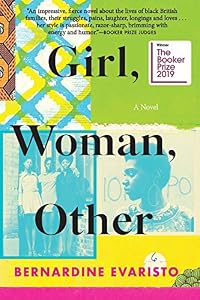
You likely have heard of author Evaristo - her book “Girl, Woman, Other” was everywhere in 2019 and 2020. My mother in law even recommended it to me, but when I flipped through it and saw it was written in verse, I declined to pick it up. I do not have a literary background, so freely admit that this book was likely just over my head. The plot was pretty loose, and given how few words are on any page when one writes in verse, I was surprised at how long it took me to finish it.
This is not a bad book. It is also not a book I enjoyed at all; I think I’m not sophisticated enough to follow it. I would have thoroughly enjoyed the plot had it been presented as a novella or short story, but for me, it just doesn’t work here.
Keep it / Pass to a Friend / Donate it / Toss it:
Donate it show less
Fans of the author’s previous work. People who want to have to work really hard to understand what they are reading.
In a nutshell:
Zuleika is a Sudanese woman living on Londinium in 211. She is married as a pre-teen, then eventually starts an affair with the Roman emperor.
Worth quoting:
“She moaned she had no time to herself now. I moaned that was all I had.”
Why I chose it:
It was part of a subscription box.
Review:
I want to challenge myself as a reader, to learn more, to experience different styles of writing, to get inside the lives of others. But I also want to enjoy what I read. When I flipped open this book and saw it was written in verse, my first thought was ‘but why?’ My second thought was ‘I’ve got to at show more least give it a go.’
Life is short, and I kind of wish I’d gone with my gut on this one.
You likely have heard of author Evaristo - her book “Girl, Woman, Other” was everywhere in 2019 and 2020. My mother in law even recommended it to me, but when I flipped through it and saw it was written in verse, I declined to pick it up. I do not have a literary background, so freely admit that this book was likely just over my head. The plot was pretty loose, and given how few words are on any page when one writes in verse, I was surprised at how long it took me to finish it.
This is not a bad book. It is also not a book I enjoyed at all; I think I’m not sophisticated enough to follow it. I would have thoroughly enjoyed the plot had it been presented as a novella or short story, but for me, it just doesn’t work here.
Keep it / Pass to a Friend / Donate it / Toss it:
Donate it show less
http://nwhyte.livejournal.com/1415240.html
Zuleika, the narrator of The Emperor's Babe, is the daughter of Sudanese immigrants in London in the very early third century; she is married aged eleven to a Senator, and several years after starts a relationship with the visiting Emperor, Septimius Severus. I knew a little about him from Gibbon, who writes of him rather disapprovingly in Chapter V of Decline and Fall, though is more positive about him in Chapter VI when he goes to kill the Scots.
The Emperor's Babe is a rather startling book. Evaristo apparently composed it while writer-in-residence at the Museum of London and it breathes an intimate connection between the Roman city and today's geography - she uses mainly modern streetnames show more and toponyms, and has Zuleika a citizen of the racially and sexually diverse metropolis, attended by her Scottish slaves, educated by her husband to the point where she writes and recites her own poetry. Evaristo uses the setting to explore various obvious themes of race, class and gender, and does it vividly and thoroughly. Also her Septimius Severus comes to life as a much more sympathetic character than Gibbon's portrayal, though still believes in astrology.
The whole of The Emperor's Babe is in verse. It is a series of short digestible narrative vignettes, none more than a few pages long. Probably some of them refer to poems of the Classical era which I don't know, but that didn't hamper my enjoyment. I have a couple of other books of verse on the list for this month, so this has broken me in gently. show less
Zuleika, the narrator of The Emperor's Babe, is the daughter of Sudanese immigrants in London in the very early third century; she is married aged eleven to a Senator, and several years after starts a relationship with the visiting Emperor, Septimius Severus. I knew a little about him from Gibbon, who writes of him rather disapprovingly in Chapter V of Decline and Fall, though is more positive about him in Chapter VI when he goes to kill the Scots.
The Emperor's Babe is a rather startling book. Evaristo apparently composed it while writer-in-residence at the Museum of London and it breathes an intimate connection between the Roman city and today's geography - she uses mainly modern streetnames show more and toponyms, and has Zuleika a citizen of the racially and sexually diverse metropolis, attended by her Scottish slaves, educated by her husband to the point where she writes and recites her own poetry. Evaristo uses the setting to explore various obvious themes of race, class and gender, and does it vividly and thoroughly. Also her Septimius Severus comes to life as a much more sympathetic character than Gibbon's portrayal, though still believes in astrology.
The whole of The Emperor's Babe is in verse. It is a series of short digestible narrative vignettes, none more than a few pages long. Probably some of them refer to poems of the Classical era which I don't know, but that didn't hamper my enjoyment. I have a couple of other books of verse on the list for this month, so this has broken me in gently. show less
A daring and thoughtful exercise in sustained anachronism—about “the It Girl of Londinium,” a teenager of Sudanese extraction living in London in 221 A.D. who is the trophy wife of a grotesque senator.
—Leo Carey, The New Yorker
—Leo Carey, The New Yorker
Members
- Recently Added By
Lists

This is the Canon: Decolonize Your Bookshelf in 50 Books
51 works; 5 members

Books Read in 2022
5,164 works; 113 members

Narrative verse for pleasure
75 works; 8 members
Author Information

16+ Works 6,037 Members
Bernardine Evaristo was born in London to a Nigerian father and English mother. She is a former poet in residence at the Museum of London.
Some Editions
Common Knowledge
- Canonical title*
- Keisarin kullanmuru
- Original title
- The Emperor's Babe
- Original publication date
- 2001
- Epigraph
- The one duty we owe to history is to rewrite it. – Oscar Wilde
- Dedication
- For my father, Julius Taiwo Obayomi Evaristo: 1927-2001
- First words
- Who do you love?
- Last words
- (Click to show. Warning: May contain spoilers.)You have expired, Zuleika, and I will know you, from the inside.
- Original language
- English
*Some information comes from Common Knowledge in other languages. Click "Edit" for more information.
Classifications
Statistics
- Members
- 288
- Popularity
- 110,957
- Reviews
- 7
- Rating
- (3.68)
- Languages
- English, Finnish
- Media
- Paper, Audiobook, Ebook
- ISBNs
- 9
- ASINs
- 7