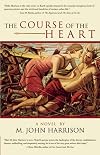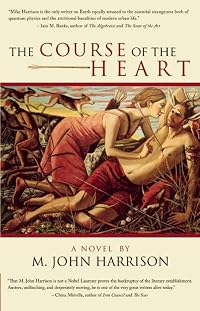
The Course of the Heart
by M. John Harrison
On This Page
Description
The strange edges of reality are explored in M John Harrison's extraordinary cult classic, now with an introduction by bestselling author Julia ArmfieldTags
Recommendations


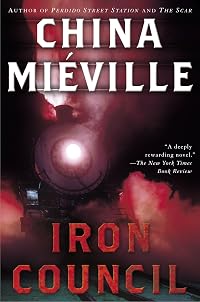
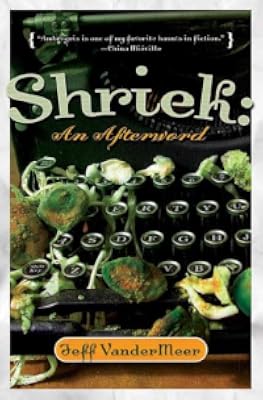
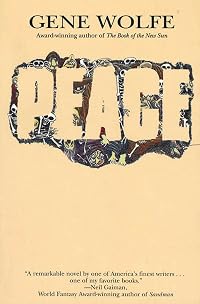
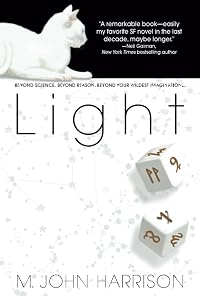






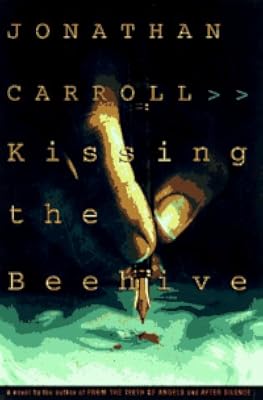
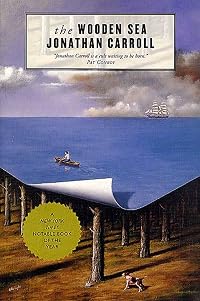

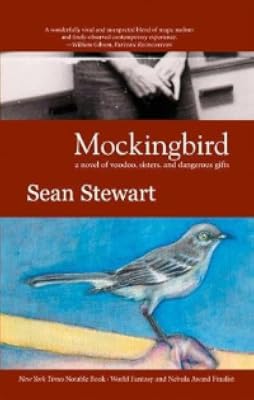
Member Recommendations
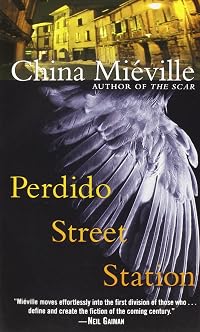
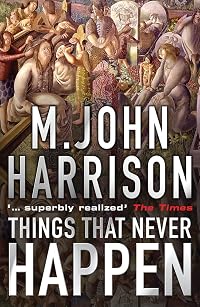
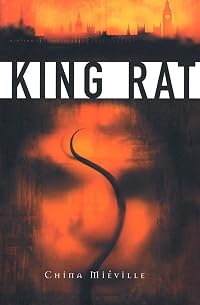
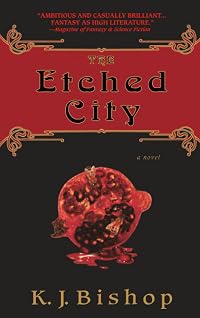
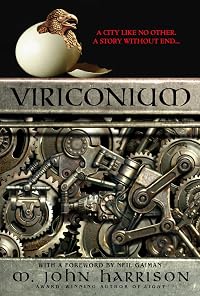
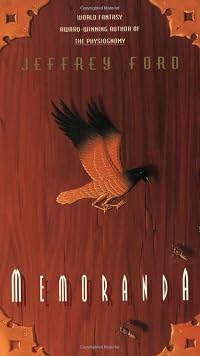
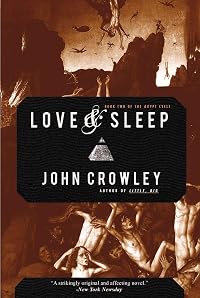
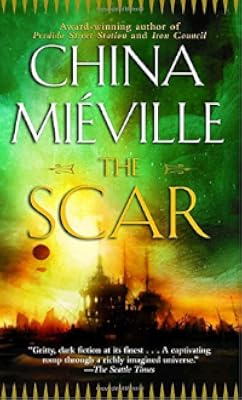
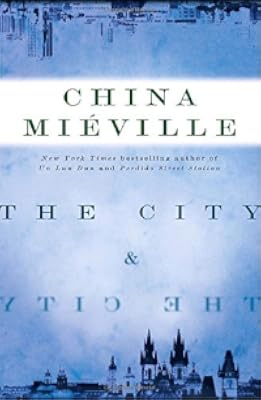
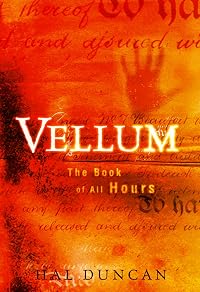
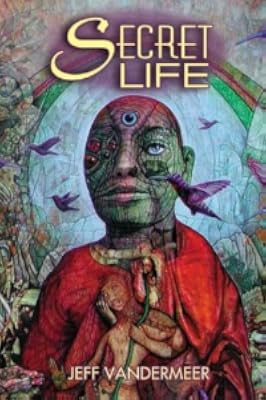
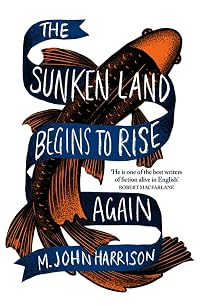
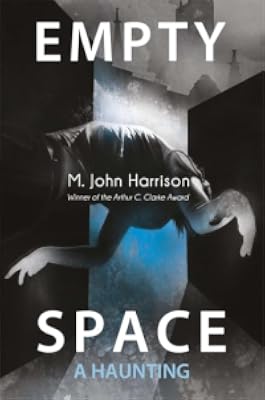
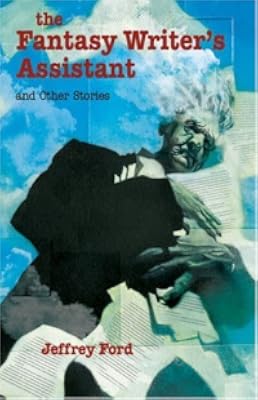
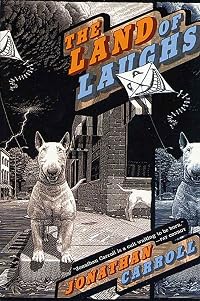
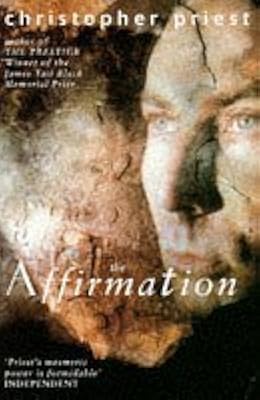
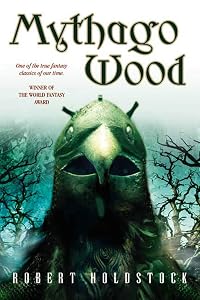
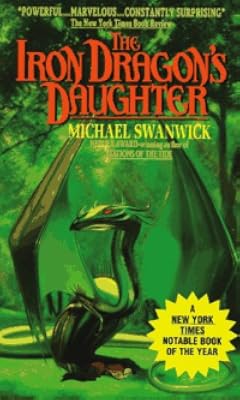
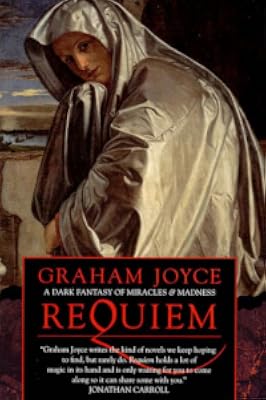
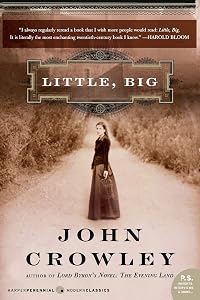
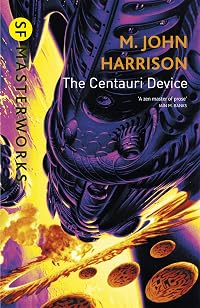
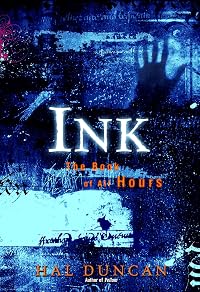
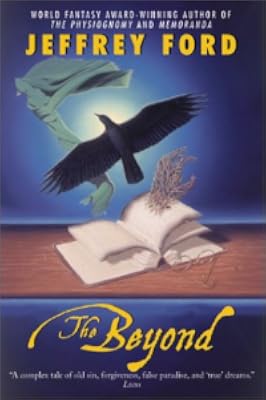
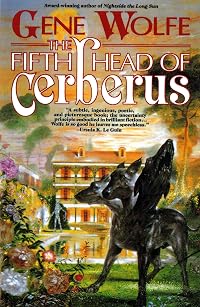
paradoxosalpha Potent short novels with enthralling imagery, in which the protagonist's experiences with magic have equivocal results.

paradoxosalpha Puzzling out the consequences of earlier enchantments
Member Reviews
Like the titular heart, some kind of crossing point or median between earth and heaven, or the rose which is the book's principal motif and the obsession of its narrator, or the attar, the heart of the rose which haunts his dreams, this book seems to circle around itself, to be composed of oblique approaches to some unspeakable central truth or mystery. This is what the narrator, his two student friends, and the ridiculous Aleister Crowley-a-like magician Yaxley supposedly broke through to in the catastrophic occult ritual which they spend the rest of their lives barely able to retrospectively understand. Some kind of historical turning point, which I took to be an analogue of the fall of Constantinople, that casts ripples backwards and show more forwards in time fucking things up randomly as it goes. Pam's haunted by a pair of levitating copulators, Lucas by a grim dogged midget... these are weird enough, but it's Harrison's numinous prose, his intense feel for colour and texture and scent, the deeply experiential nature of his writing, that does most to convey a sense of just how alien and awful and indescribable real magic might be if it existed. Alright, I'll say it, it's Lovecraftian, this wary obsessional circling around the heart of a matter too weighty to portray except indirectly and too mind-obliterating to assay a description of. show less
I have never read another book like this and likely never will. That's not because I wouldn't like to. Rather, this is a deeply original novel, but the originality itself is incredibly subtle and difficult to replicate.
The pitch is this: miserable-core British literary fiction shot through with deep-running connections to gnosticism and the distinct possibility that magic is real. Harrison inverts the typical speculative fiction formula. Instead of dangling a tantalizing imaginary world in front of us like jingling keys for a baby, Harrison starts out from a four-square, thoroughly rational view of modernity. Instead of trying to work character and themes into a plot driven magical adventure, Harrison takes the radical interior focus show more and directionless structure of literary fiction as primary and only allows magic and adventure to creep in around the margins. If you like, the conventions of literary fiction are a kind of metafictional tool--an expression of the novel's kenoma (the gnostic version of hell) that reaches beyond the text to have a destabilizing effect on the reader.
Maybe that all sounds like gobbeldygook to you. It's a hard novel to talk about. What I'm trying to convey is that this novel reads like a lot of other more boring, less creative novels--on first glance. Reading through it this time, I was reminded of nothing so much as Rachel Cusk's Bradshaw Variations--a perfectly serviceable, rain-soaked, plodding piece of quintessentially British ennui. I even found myself mixing up plot points between the books in my head. The characters in both books are failed academics, living in drafty row homes, trapped in failing marriages, disgusted with their reliance on cheap, mass-produced consumer products.
But for Harrison, all this is in service of a greater aim. This is not a book about four miserable people. It is a book about how those we love are echoes of the divine; how history is not a straightforward arc towards justice and the good; how meaning can trap us and free us. And it is a book that uses the metaphysical schema of gnosticism to pluck these threads and lead us into a thicket of contemplation and ambiguity. It's a novel that requires careful reading and meditation, an off-kilter, sometimes brilliantly beautiful vision of reality.
Maybe none of that makes sense. But if any of it sounds intriguing, give the book a shot. It's worth it. show less
The pitch is this: miserable-core British literary fiction shot through with deep-running connections to gnosticism and the distinct possibility that magic is real. Harrison inverts the typical speculative fiction formula. Instead of dangling a tantalizing imaginary world in front of us like jingling keys for a baby, Harrison starts out from a four-square, thoroughly rational view of modernity. Instead of trying to work character and themes into a plot driven magical adventure, Harrison takes the radical interior focus show more and directionless structure of literary fiction as primary and only allows magic and adventure to creep in around the margins. If you like, the conventions of literary fiction are a kind of metafictional tool--an expression of the novel's kenoma (the gnostic version of hell) that reaches beyond the text to have a destabilizing effect on the reader.
Maybe that all sounds like gobbeldygook to you. It's a hard novel to talk about. What I'm trying to convey is that this novel reads like a lot of other more boring, less creative novels--on first glance. Reading through it this time, I was reminded of nothing so much as Rachel Cusk's Bradshaw Variations--a perfectly serviceable, rain-soaked, plodding piece of quintessentially British ennui. I even found myself mixing up plot points between the books in my head. The characters in both books are failed academics, living in drafty row homes, trapped in failing marriages, disgusted with their reliance on cheap, mass-produced consumer products.
But for Harrison, all this is in service of a greater aim. This is not a book about four miserable people. It is a book about how those we love are echoes of the divine; how history is not a straightforward arc towards justice and the good; how meaning can trap us and free us. And it is a book that uses the metaphysical schema of gnosticism to pluck these threads and lead us into a thicket of contemplation and ambiguity. It's a novel that requires careful reading and meditation, an off-kilter, sometimes brilliantly beautiful vision of reality.
Maybe none of that makes sense. But if any of it sounds intriguing, give the book a shot. It's worth it. show less
M John Harrison, in an ideal world, would be acclaimed by all and sundry as one of our greatest writers. As it is his works are not as widely known as they should be.
Harrison started life as a Science Fiction writer, moved into fantasy with his Viriconium sequence (of which In Viriconium stands as a kind of masterpiece) and then, in the late 80's there was a shift into what I can only call magical realism. The Course of the Heart is of the latter strand and is a quite wonderful book. Harrison, beginning with the novel Climbers in 1989, began to write stories with a strong sense of place that were shot through with surreal imagery, dreamlike and disturbing, yet melancholy and moving as well.
The Course of the Heart stands between Climbers show more and Signs of Life and now that I have finished it, is one of my favourites of his works. The tale of three Cambridge students who, one June day, perform some kind of experiment (whether occult or scientific, or a mixture of both is never fully explained) with the aid of the strange and complex Yaxley, and end up living with the consequences for the next twenty-odd years.
Harrison imagines something called the Pleroma, a kind of Heaven, which all three glimpsed somehow. Lucas and Pam, who later marry, deal with it by inventing a mythical country (a realm of the Heart) somewhere in middle-europe. Lucas expands on this in the form of a fictional travel writer, Michael Ashman, and his investigations into 'The Coeur". Yaxley, a demented figure on the fringes, drifts in and out of the narrative, promising help, but never delivering. Hallucinatory imagery abounds. Pam and Lucas buckle under the strain, Pam becoming ill, Lucas burying himself in his fictions.
Harrison writes all this with such power, such vitality, that you end up wishing the Empress Gallica XII Heiriodule had been real, that The Coeur had not removed itself from the world. There are deep Gnostic philosophical arguments at the heart of this book, but they never get in the way of the story, which, in the end, is a love story.
This is a brilliantly written book, full of humanity, magic and loss. Do yourself a favour and get acquainted with the worlds of M John Harrison. show less
Harrison started life as a Science Fiction writer, moved into fantasy with his Viriconium sequence (of which In Viriconium stands as a kind of masterpiece) and then, in the late 80's there was a shift into what I can only call magical realism. The Course of the Heart is of the latter strand and is a quite wonderful book. Harrison, beginning with the novel Climbers in 1989, began to write stories with a strong sense of place that were shot through with surreal imagery, dreamlike and disturbing, yet melancholy and moving as well.
The Course of the Heart stands between Climbers show more and Signs of Life and now that I have finished it, is one of my favourites of his works. The tale of three Cambridge students who, one June day, perform some kind of experiment (whether occult or scientific, or a mixture of both is never fully explained) with the aid of the strange and complex Yaxley, and end up living with the consequences for the next twenty-odd years.
Harrison imagines something called the Pleroma, a kind of Heaven, which all three glimpsed somehow. Lucas and Pam, who later marry, deal with it by inventing a mythical country (a realm of the Heart) somewhere in middle-europe. Lucas expands on this in the form of a fictional travel writer, Michael Ashman, and his investigations into 'The Coeur". Yaxley, a demented figure on the fringes, drifts in and out of the narrative, promising help, but never delivering. Hallucinatory imagery abounds. Pam and Lucas buckle under the strain, Pam becoming ill, Lucas burying himself in his fictions.
Harrison writes all this with such power, such vitality, that you end up wishing the Empress Gallica XII Heiriodule had been real, that The Coeur had not removed itself from the world. There are deep Gnostic philosophical arguments at the heart of this book, but they never get in the way of the story, which, in the end, is a love story.
This is a brilliantly written book, full of humanity, magic and loss. Do yourself a favour and get acquainted with the worlds of M John Harrison. show less
This is a wonderfully-written, intelligent book that I did not enjoy at all. A few things happen, some things are talked about, and there is a lot of waiting and looking at things. I feel as if the book would be better read by someone having grown up about 10-20 years before I did (I was born in '69), more intellectual, and more willing to be surprised by a novel willing to take on the vague ennui and seach for meaning by the well-educated middle class - a search that, like Yaxley's rituals, seem to yield nothing real and only things imagined. I can't rate it by stars b/c it would have to have two different ratings - a 4 for how good it is, a 1 for almost complete lack of enjoyment.
Fantasy's potential for escape, or for mere escapism, or for nothing in particular, is examined through the lives of four would-be escapists. Harrison's Imagist-like prose ensures the novel with keep you aesthetically pleased even as he repeatedly crushes your hopes beneath his heel. A refreshingly indirect novel, in every possible sense.
Less gratuitiously unpleasant than Light, and I think much more successful. My central complaint about Light is that the spectacular disfunction of the characters is both too extreme in specifics and is trivialised by the too-clever plot that ties them together. In similar fashion the various characters of The Course of the Heart are variously damaged by an encounter with something beyond their comprehension, but where in Light they respond with murder and other forms of flagrant disfunction, in The Course of the Heart their differing breakdowns are less generic and more private.
Light only came clean about its plotline at the end, and in doing so made its themes relatively clear as well. We know from very early in The Heart how the show more characters are connected, but the specifics of their experience remains unrecoverable. The narrator is constantly chewing over and reconsidering theme, the stories he and his friends tell themselves to try to understand (and, increasingly desperately, to try to restrain and control) what is happening to them. But Harrison refuses to define the Pleroma and the events of their contact with it, and that mystical incomprehensibility is in the end far more satisfying than the neat-and-tidy resolution of Light. show less
Light only came clean about its plotline at the end, and in doing so made its themes relatively clear as well. We know from very early in The Heart how the show more characters are connected, but the specifics of their experience remains unrecoverable. The narrator is constantly chewing over and reconsidering theme, the stories he and his friends tell themselves to try to understand (and, increasingly desperately, to try to restrain and control) what is happening to them. But Harrison refuses to define the Pleroma and the events of their contact with it, and that mystical incomprehensibility is in the end far more satisfying than the neat-and-tidy resolution of Light. show less
Wow, what a waste of time. This too-clever narrative is full of a rabbit-hole of small anecdotes, if you can call them that, that add up to a whole bunch of nothing. The author is obviously making love to the thesaurus. I know I am not the most highbrow reader, but I feel like I can tell when the pretense is trumped up, and in this case it certainly is. A few bits made me smirk but if that's all the nice things I can say about 200 pages I might as well have played bejeweled for 8 hours.
Members
- Recently Added By
Lists

Speculative Fiction: Slipstream Literature
166 works; 16 members

Best Horror Mega-List
342 works; 6 members

New Weird Fiction
69 works; 12 members

Jones and Newman's Horror: Another 100 Best Books
100 works; 7 members

Favorite Romance Fiction
247 works; 115 members
Author Information

85+ Works 9,800 Members
Awards and Honors
Work Relationships
Is contained in
Common Knowledge
- Original title
- The Course of the Heart
- Original publication date
- 1992
- Original language
- English
- Disambiguation notice
- The 2004 Night Shade Books edition (first US edition) adds the short story "The Great God Pan" which Harrison describes in a note as a 'rehearsal' for the novel. The UK ed (Gollancz, 1992) is dedicated "To JJ with love."
Classifications
Statistics
- Members
- 427
- Popularity
- 72,280
- Reviews
- 9
- Rating
- (3.47)
- Languages
- English, Finnish, Polish, Spanish
- Media
- Paper
- ISBNs
- 10
- ASINs
- 1