On This Page
Description
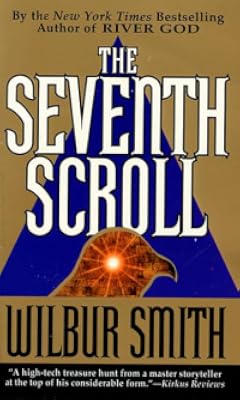
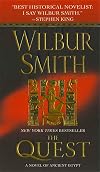
The second book in the epic Egyptian seriesThe second book in the epic Egyptian series. 'She glanced down at the drawer in which she kept all her floppy disks. That and all the other drawers had been pulled out and thrown on the floor. they were empty, of course; along with the disks, all her notebooks and photographs were missing. Her last connections with the seventh scroll were lost. after three years of work, gone was the proof it had ever existed' A hunt for treasure. A battle to stay show more alive. When Royan Al Simma is the victim of a vicious attack that leaves her husband dead, her only thought is that she must continue their joint work: to use the secrets of the seventh scroll to find the hidden tomb of Pharaoh Mamose, and its untold trove of lost Egyptian riches. To do so, she must bury her grief and partner with the eccentric aristocrat Nicholas Quenton-Harper, a man who shares her passion for the ancient world. But the men who killed her husband are not yet finished. As Royan and Nicholas draw closer to the Pharoah's tomb, enemies are gathering — people who will stop at nothing to ensure the scroll's promised treasures are kept from Roman's hands.... show less
Tags
Recommendations





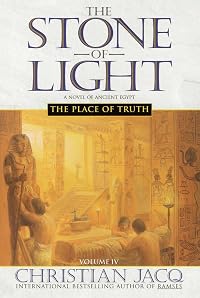

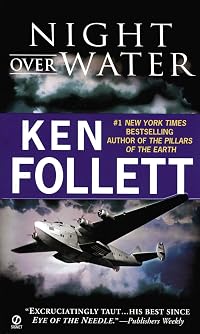
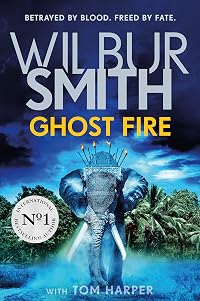
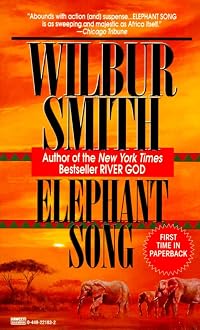


Member Recommendations
Member Reviews
L'azione si sposta nel presente e Smith ci regala un'avventura archeologica davvero emozionante.
Taita è la migliore invenzione letteraria di questo narratore, un personaggio che riesce ad interagire con protagonisti e lettori anche a distanza di quattromila anni, attraverso i suoi enigmi e le sue opere.
Ma "Il settimo papiro" non è solo una mera avventura. Parla innanzitutto dell'Africa, il paese natio tanto amato da Smith, e dell'attuale crisi degli stati a cinquant'anni dalla caduta degli imperi coloniali. Smith non nasconde di essere filo-colonialista: l'Africa dalla fine dell'imperialismo ha visto guerre, dittature e sofferenze e senza mezzi termini l'autore dichiara che preferiva lo status precedente.
Non è solo un manifesto show more politico, anzi non lo è affatto. E' soprattutto un romanzo costruito sulla natura indomita dell'Africa, dei suoi torrenti tumultuosi, delle gole, del paesaggio ancora incontaminato. E' anche l'Africa delle grandi civiltà e dei suoi grandi uomini, rappresentati dalla tomba di Mamose e dagli enigmi di Taita.
E' il racconto, infine, sui pericoli del potere e dell'ossessione, rappresentati dal collezionista senza scrupoli von Schiller.
Smith mette anche una nota divertente: sin dall'inizio finge che "Il dio del fiume" sia in realtà la trascrizione dei rotoli rinvenuti nella tomba della Regina Lostris, scritti appunti da Taita, che nel settimo papiro contengono le informazioni sulla tomba di Mamose. Dall'inizio del romanzo dunque Smith gioca con noi e con se stesso, citandosi all'interno del romanzo stesso e non lesinando critiche feroci sul suo stile di scrittura!!!
Insomma è un ottimo romanzo, forse superiore ancora a "Il dio del fiume" show less
Taita è la migliore invenzione letteraria di questo narratore, un personaggio che riesce ad interagire con protagonisti e lettori anche a distanza di quattromila anni, attraverso i suoi enigmi e le sue opere.
Ma "Il settimo papiro" non è solo una mera avventura. Parla innanzitutto dell'Africa, il paese natio tanto amato da Smith, e dell'attuale crisi degli stati a cinquant'anni dalla caduta degli imperi coloniali. Smith non nasconde di essere filo-colonialista: l'Africa dalla fine dell'imperialismo ha visto guerre, dittature e sofferenze e senza mezzi termini l'autore dichiara che preferiva lo status precedente.
Non è solo un manifesto show more politico, anzi non lo è affatto. E' soprattutto un romanzo costruito sulla natura indomita dell'Africa, dei suoi torrenti tumultuosi, delle gole, del paesaggio ancora incontaminato. E' anche l'Africa delle grandi civiltà e dei suoi grandi uomini, rappresentati dalla tomba di Mamose e dagli enigmi di Taita.
E' il racconto, infine, sui pericoli del potere e dell'ossessione, rappresentati dal collezionista senza scrupoli von Schiller.
Smith mette anche una nota divertente: sin dall'inizio finge che "Il dio del fiume" sia in realtà la trascrizione dei rotoli rinvenuti nella tomba della Regina Lostris, scritti appunti da Taita, che nel settimo papiro contengono le informazioni sulla tomba di Mamose. Dall'inizio del romanzo dunque Smith gioca con noi e con se stesso, citandosi all'interno del romanzo stesso e non lesinando critiche feroci sul suo stile di scrittura!!!
Insomma è un ottimo romanzo, forse superiore ancora a "Il dio del fiume" show less
L'azione si sposta nel presente e Smith ci regala un'avventura archeologica davvero emozionante.
Taita è la migliore invenzione letteraria di questo narratore, un personaggio che riesce ad interagire con protagonisti e lettori anche a distanza di quattromila anni, attraverso i suoi enigmi e le sue opere.
Ma "Il settimo papiro" non è solo una mera avventura. Parla innanzitutto dell'Africa, il paese natio tanto amato da Smith, e dell'attuale crisi degli stati a cinquant'anni dalla caduta degli imperi coloniali. Smith non nasconde di essere filo-colonialista: l'Africa dalla fine dell'imperialismo ha visto guerre, dittature e sofferenze e senza mezzi termini l'autore dichiara che preferiva lo status precedente.
Non è solo un manifesto show more politico, anzi non lo è affatto. E' soprattutto un romanzo costruito sulla natura indomita dell'Africa, dei suoi torrenti tumultuosi, delle gole, del paesaggio ancora incontaminato. E' anche l'Africa delle grandi civiltà e dei suoi grandi uomini, rappresentati dalla tomba di Mamose e dagli enigmi di Taita.
E' il racconto, infine, sui pericoli del potere e dell'ossessione, rappresentati dal collezionista senza scrupoli von Schiller.
Smith mette anche una nota divertente: sin dall'inizio finge che "Il dio del fiume" sia in realtà la trascrizione dei rotoli rinvenuti nella tomba della Regina Lostris, scritti appunti da Taita, che nel settimo papiro contengono le informazioni sulla tomba di Mamose. Dall'inizio del romanzo dunque Smith gioca con noi e con se stesso, citandosi all'interno del romanzo stesso e non lesinando critiche feroci sul suo stile di scrittura!!!
Insomma è un ottimo romanzo, forse superiore ancora a "Il dio del fiume" show less
Taita è la migliore invenzione letteraria di questo narratore, un personaggio che riesce ad interagire con protagonisti e lettori anche a distanza di quattromila anni, attraverso i suoi enigmi e le sue opere.
Ma "Il settimo papiro" non è solo una mera avventura. Parla innanzitutto dell'Africa, il paese natio tanto amato da Smith, e dell'attuale crisi degli stati a cinquant'anni dalla caduta degli imperi coloniali. Smith non nasconde di essere filo-colonialista: l'Africa dalla fine dell'imperialismo ha visto guerre, dittature e sofferenze e senza mezzi termini l'autore dichiara che preferiva lo status precedente.
Non è solo un manifesto show more politico, anzi non lo è affatto. E' soprattutto un romanzo costruito sulla natura indomita dell'Africa, dei suoi torrenti tumultuosi, delle gole, del paesaggio ancora incontaminato. E' anche l'Africa delle grandi civiltà e dei suoi grandi uomini, rappresentati dalla tomba di Mamose e dagli enigmi di Taita.
E' il racconto, infine, sui pericoli del potere e dell'ossessione, rappresentati dal collezionista senza scrupoli von Schiller.
Smith mette anche una nota divertente: sin dall'inizio finge che "Il dio del fiume" sia in realtà la trascrizione dei rotoli rinvenuti nella tomba della Regina Lostris, scritti appunti da Taita, che nel settimo papiro contengono le informazioni sulla tomba di Mamose. Dall'inizio del romanzo dunque Smith gioca con noi e con se stesso, citandosi all'interno del romanzo stesso e non lesinando critiche feroci sul suo stile di scrittura!!!
Insomma è un ottimo romanzo, forse superiore ancora a "Il dio del fiume" show less
It might help to have read River God prior to tackling The Seventh Scroll, but I hadn't, and much of the story in River God is explained in this book, so it's not too much of a loss. Duraid al-Simma and his wife Royan are archaeologists, living and working in Egypt - Duraid is older than his wife, and she is half-English. They are also colleagues at the museum where Duraid is the director. The story of their fabulous find, a hoard of ancient scrolls which tell the story of the pharoah Mamose, his queen Lostris and other notables, was fictionalised in the self-referential "River God", the publication of which is now giving collectors ideas.
As a result of which, Duraid is attacked and murdered, Royan escapes two attempts on her own life, show more and all their researches on the scrolls are either taken or destroyed. She flees to England, and the home of her mother, survives another ham-fisted assassination attempt, and attempts to persuade a wealthy English amateur archaeologist, Sir Nicholas Quenton-Harper, to finance an expedition to find and excavate Mamose's tomb. This done, the intrepid pair fly to Ethiopia, where Royan is convinced the tomb lies hidden, and the search begins.
This book would be excellent, for the narrative drive is superb, and the excitements are many and varied: however, the lazy and unbelievable characterisation does tend to spoil it. For example, Von Schiller is an almost stereotypically multi-millionaire megalomaniacal Bond-villain. Quenton-Harper is so knowledgeable and self-assured about everything you want Royan to hit him, and his token "grieving" for his wife and children is so perfunctory one feels that Smith would have done better to make him a bachelor. Smith does better with Royan, who is sympathetic and driven, and altogether a less annoying character (though her only fault is, inexplicably, to find Quenton-Harper attractive). Some of the prose is evocative, sometimes brutish and violent; Smith tends also to re-use expressions rather too frequently, and I dislike authors putting themselves in their own books.
So, it's a ride full of thrills and spills, but don't read it for the cardboard characters. show less
As a result of which, Duraid is attacked and murdered, Royan escapes two attempts on her own life, show more and all their researches on the scrolls are either taken or destroyed. She flees to England, and the home of her mother, survives another ham-fisted assassination attempt, and attempts to persuade a wealthy English amateur archaeologist, Sir Nicholas Quenton-Harper, to finance an expedition to find and excavate Mamose's tomb. This done, the intrepid pair fly to Ethiopia, where Royan is convinced the tomb lies hidden, and the search begins.
This book would be excellent, for the narrative drive is superb, and the excitements are many and varied: however, the lazy and unbelievable characterisation does tend to spoil it. For example, Von Schiller is an almost stereotypically multi-millionaire megalomaniacal Bond-villain. Quenton-Harper is so knowledgeable and self-assured about everything you want Royan to hit him, and his token "grieving" for his wife and children is so perfunctory one feels that Smith would have done better to make him a bachelor. Smith does better with Royan, who is sympathetic and driven, and altogether a less annoying character (though her only fault is, inexplicably, to find Quenton-Harper attractive). Some of the prose is evocative, sometimes brutish and violent; Smith tends also to re-use expressions rather too frequently, and I dislike authors putting themselves in their own books.
So, it's a ride full of thrills and spills, but don't read it for the cardboard characters. show less
This is a different approach to a sequel of the author's novel River God. If you haven't read that, it may be a good idea to check that out first because it sets the stage for what is going to occur in this book. The premise in this story is the search for the lost Pharoah and his treasure that River God covers. The mystery is 4000 years old and main characters have found clues in ancient writings and artifacts. Of course, not all of the players are high minded and virtuous and this is where our story takes off. Not only are our good guys working through the mystery, they have to fight the bad guys who will stop at nothing to possess ALL of the findings for themselves. The Indiana Jones movies don't hold a candle to Wilbur Smith when he show more gets on a roll and he is rightly known as one the world leaders in action packed novels. This is one of them. Our heroes do things and the bad guy's control stuff and the situations are all over the top. But this is an action-adventure novel, not a philosophy tome on the art of writing. It' the written example of a popcorn movie, kickback and enjoy the ride. Without giving too much away, everybody is happy, except the bad guys. You'll have to read the book to find out how it got to be that way. show less
Apparently I picked the wrong book of the two to begin with. From what I read it would have been more logically to start with the story of Taita and read that, instead of doing it the other way around. Although I think it has is charm to know as much as the archaeologists that do the work.
I liked the book a lot. Why did I give it 4 stars then, not 5? Well, most of all because of the ending. I'm quite sensitive when it comes to endings of books.
In this case, there's an archaeologist, Royan, and an Englishman/ owner of an estate / museum with Egyptian artifacts, Nicholas. They like each other, but Royan has just lost her husband and Nicholas is also a widower. What keeps them together, is the search for a hidden tomb of Mamose. While show more decrypting the texts with clues, Ryoan's husband gets killed and she nearly escapes death herself.
The ones behind the attack keep following her and later her and Nicholas, when they go to Africa and continue the search and look if they find the place that Taita described.
When the books nears the end, Nicholas suspects that Royan isn't completely honest with him. Despite the fact that they like each other a lot, they haven't yet become a couple and after they escape from the archaeological site, they split up and part seemingly forever disputing about the artifacts.
When the book then ends with them being together, an 'all's well that ends well' ending, I'm very disappointed. Of course I like it when people are happy, when a book ends well, but to create a happy ending like this, so very constructed, not that really disappoints me. show less
I liked the book a lot. Why did I give it 4 stars then, not 5? Well, most of all because of the ending. I'm quite sensitive when it comes to endings of books.
In this case, there's an archaeologist, Royan, and an Englishman/ owner of an estate / museum with Egyptian artifacts, Nicholas. They like each other, but Royan has just lost her husband and Nicholas is also a widower. What keeps them together, is the search for a hidden tomb of Mamose. While show more decrypting the texts with clues, Ryoan's husband gets killed and she nearly escapes death herself.
The ones behind the attack keep following her and later her and Nicholas, when they go to Africa and continue the search and look if they find the place that Taita described.
When the books nears the end, Nicholas suspects that Royan isn't completely honest with him. Despite the fact that they like each other a lot, they haven't yet become a couple and after they escape from the archaeological site, they split up and part seemingly forever disputing about the artifacts.
When the book then ends with them being together, an 'all's well that ends well' ending, I'm very disappointed. Of course I like it when people are happy, when a book ends well, but to create a happy ending like this, so very constructed, not that really disappoints me. show less
I read River God and absolutely loved it! This book however I can honestly say is nowhere near the caliber of it's predecessor. It reads like a screen play of a bad Indiana Jones movie script. I was forced to skip page after page of uninteresting blather just to get to the story line. My interest was held in the first hundred pages, and then the last hundred pages. I truly feel that this writer is hoping to make a movie out of these two novels, and if someone good took him up on it, I think it would be GREAT! For just the read though don't expect the great story that River God told. Really a big disappointment after River God. Dang.
As the second book of Wilbur Smith's Ancient Egypt trilogy, this book was somewhat disappointing. Most of the setting is modern-day Ethiopia where the two main characters search for the tomb and treasure told about in River God [b:River God|429138|River God (Ancient Egypt, #1)|Wilbur Smith|https://d.gr-assets.com/books/1388192405s/429138.jpg|434726], the first book of the trilogy. I really enjoyed River God, but this book, with the exception of a few exciting sections, was slow-moving. Another dissatisfying aspect of the book was the dialogue between the two main characters, Royan and Nicholas. No matter how traumatic or dangerous their experiences were they seemed to be able to make only facetious remarks to each other. What I did like show more about the book was the way Smith tied together the story lines from episodes four thousand years apart. show less
Members
- Recently Added By
Author Information

152+ Works 38,538 Members
Some Editions
Series

Belongs to Publisher Series
Work Relationships
Is contained in
Has the adaptation
Is abridged in
Reader's Digest Condensed Books: The Seventh Scroll • Nobody's Darling • Blaze • This Child is Mine by Reader's Digest
Reader's Digest Condensed Books: The Seventh Scroll • The Old House at Railes • The Apocalypse Watch by Reader's Digest
Het Beste Boek 179: Het Koningsgraf/ Dit kind is van mij / De Cock en het wassende kwaad / De bruggen van Madison County by Reader's Digest
Livros Condensados: O Sétimo Papiro | A Terra Que Deus Deu A Caim | Deixa-me Chamar-te Meu Amor | Só Mais Um Verão by Reader's Digest
Common Knowledge
- Canonical title
- The Seventh Scroll
- Original title
- The Seventh Scroll
- Original publication date
- 1995
- People/Characters
- Taita; Royan Al Simma; Nicholas Quentin-Herper
- Important places
- Africa; Egypt; Ethiopia
- Related movies*
- The Seventh Scroll (1999 | IMDb)
- Dedication
- This book is for my wife and the jewel of my life MOKHINISO with all my love and gratitude for the enchanted years that I have been married to her
- First words
- The dusk crept in from the desert, and shaded the dunes with purple.
- Last words
- (Click to show. Warning: May contain spoilers.)He took Royan's arm and led her away, and the other two followed closely, laughing delightedly at his discomfort.
*Some information comes from Common Knowledge in other languages. Click "Edit" for more information.
Classifications
Statistics
- Members
- 2,547
- Popularity
- 7,526
- Reviews
- 31
- Rating
- (3.75)
- Languages
- 18 — Czech, Danish, Dutch, English, Finnish, French, German, Greek, Hungarian, Italian, Norwegian (Bokmål), Polish, Portuguese, Romanian, Russian, Spanish, Swedish, Turkish
- Media
- Paper, Audiobook, Ebook
- ISBNs
- 104
- ASINs
- 27