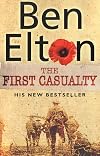
The First Casualty
by Ben Elton
On This Page
Description
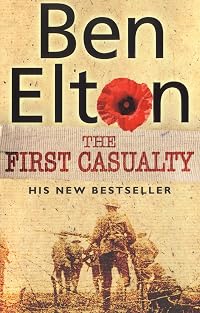
"Flanders, June 1917- a British officer and celebrated poet, is shot dead, killed not by German fire, but while recuperating from shell shock well behind the lines. A young English soldier is arrested and, although he protests his innocence, charged with his murder. Douglas Kingsley is a conscientious objector, previously a detective with the London police, now imprisoned for his beliefs. He is released and sent to France in order to secure a conviction. Forced to conduct his investigations show more amidst the hell of The Third Battle of Ypres, Kingsley soon discovers that both the evidence and the witnesses he needs are quite literally disappearing into the mud that surrounds him. Ben Elton's tenth novel is a gut-wrenching historical drama which explores some fundamental questions. What is murder? What is justice in the face of unimaginable daily slaughter? And where is the honour in saving a man from the gallows if he is only to be returned to die in a suicidal battle? As the gap between legally-sanctioned and illegal murder becomes evermore blurred, Kingsley quickly learns that the first casualty when war comes is truth. " show lessTags
Recommendations
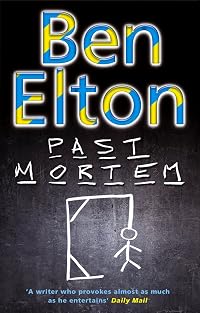

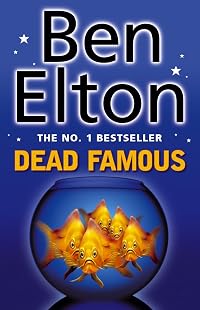
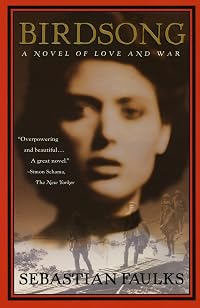

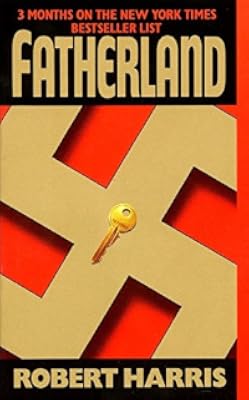






Member Recommendations
by JessamyJane

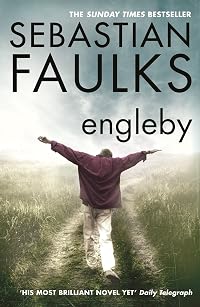
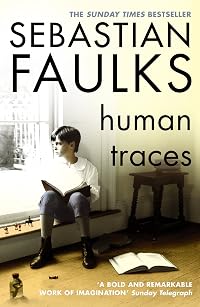
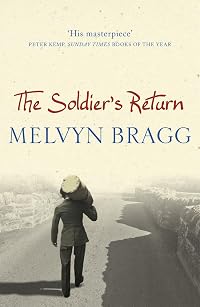
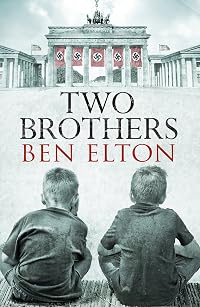
PilgrimJess Perhaps a more realistic depiction of life in the trenches of WWI.
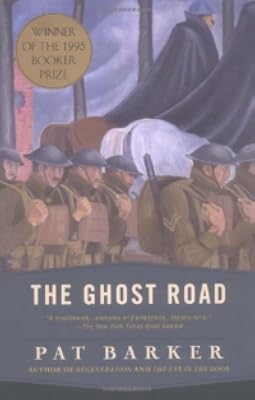
PilgrimJess The final part of the Regeneration trilogy that revisits the trenches of WWI.
Member Reviews
This is a surprising subject and quality of book from Ben Elton. I've not read any of his writings, and this wasn't what I expected from his public persona. Douglas Kingsley is a detective in Scotland yard during WW1. He's also currently in court, on the charge of refusing to join the army to fight under conscription. His objections aren't moral or of cowardice, they are intellectual. He comes across badly, as an intellectual snob (but I can sympathise with that one) and doesn't gain much in the way of popular sympathy. His wife leaves him in shame and he faces the wrath of the court.
That doesn't go down well and he is duly sent to prison, where it becomes a case of which set of old enemies is going to have the pleasure of doing him show more in...
At this point the scene shifts and we meet Viscount Abercrombie, who's a lieutenant in the army about to head back to France. He's also a renown poet of patriotic and highly acclaimed, sentimental tosh including something called "Forever England". He also happens to be a bent as a nine bob note. Abercrombie enjoys a last night in London, enjoying the pleasures on offer before heading to his regiment on the front near Ypres. He's not exactly full of bonhomie, but he is welcomed by his fellow officers. In the course of his duty, he happens to put on charge a Private Hoskins, who is a Bolshevic and disobeys a direct order during a break from the front. After going over the top, these two end up in rooms next to each other at a hospital for nervous cases and it is during his stay here that Abercrombie becomes the corpse. Douglas is sent to investigate, as there are political implications to this death which wasn't (as posted in the papers) "in the line of duty".
There's a lot of build up to this, it's about half way through before the murder is committed, but all that background works for the story. The characters are clearly drawn and Kingsley's struggles to reconcile himself with what he sees and experiences is well represented. There is the question of why should one murder be investigated in the middle of a war in which thousands are dying, but government sanctioned murder is different from the personal, private, murder that takes place here. You can't help but sympathise with Kingsley and his views, especially when viewed at this remove, he certainly makes a lot of sense. but war and sense don't often go hand in hand, and you can see how much he was out of step with his times. A very good read. show less
That doesn't go down well and he is duly sent to prison, where it becomes a case of which set of old enemies is going to have the pleasure of doing him show more in...
At this point the scene shifts and we meet Viscount Abercrombie, who's a lieutenant in the army about to head back to France. He's also a renown poet of patriotic and highly acclaimed, sentimental tosh including something called "Forever England". He also happens to be a bent as a nine bob note. Abercrombie enjoys a last night in London, enjoying the pleasures on offer before heading to his regiment on the front near Ypres. He's not exactly full of bonhomie, but he is welcomed by his fellow officers. In the course of his duty, he happens to put on charge a Private Hoskins, who is a Bolshevic and disobeys a direct order during a break from the front. After going over the top, these two end up in rooms next to each other at a hospital for nervous cases and it is during his stay here that Abercrombie becomes the corpse. Douglas is sent to investigate, as there are political implications to this death which wasn't (as posted in the papers) "in the line of duty".
There's a lot of build up to this, it's about half way through before the murder is committed, but all that background works for the story. The characters are clearly drawn and Kingsley's struggles to reconcile himself with what he sees and experiences is well represented. There is the question of why should one murder be investigated in the middle of a war in which thousands are dying, but government sanctioned murder is different from the personal, private, murder that takes place here. You can't help but sympathise with Kingsley and his views, especially when viewed at this remove, he certainly makes a lot of sense. but war and sense don't often go hand in hand, and you can see how much he was out of step with his times. A very good read. show less
Flanders, June 1917: a British officer and celebrated poet, is shot dead, killed not by German fire, but while recuperating from shell shock well behind the lines. A young English soldier is arrested and, although he protests his innocence, charged with his murder.
Douglas Kingsley is a conscientious objector, previously a detective with the London police, now imprisoned for his beliefs. He is released and sent to France in order to secure a conviction. Forced to conduct his investigations amidst the hell of The Third Battle of Ypres, Kingsley soon discovers that both the evidence and the witnesses he needs are quite literally disappearing into the mud that surrounds him.
Ben Elton's tenth novel is a gut-wrenching historical drama which show more explores some fundamental questions. What is murder? What is justice in the face of unimaginable daily slaughter? And where is the honour in saving a man from the gallows if he is only to be returned to die in a suicidal battle?
As the gap between legally-sanctioned and illegal murder becomes evermore blurred, Kingsley quickly learns that the first casualty when war comes is truth. show less
Douglas Kingsley is a conscientious objector, previously a detective with the London police, now imprisoned for his beliefs. He is released and sent to France in order to secure a conviction. Forced to conduct his investigations amidst the hell of The Third Battle of Ypres, Kingsley soon discovers that both the evidence and the witnesses he needs are quite literally disappearing into the mud that surrounds him.
Ben Elton's tenth novel is a gut-wrenching historical drama which show more explores some fundamental questions. What is murder? What is justice in the face of unimaginable daily slaughter? And where is the honour in saving a man from the gallows if he is only to be returned to die in a suicidal battle?
As the gap between legally-sanctioned and illegal murder becomes evermore blurred, Kingsley quickly learns that the first casualty when war comes is truth. show less
Excellent book. Contains black comedy, a devious plot, and some real soul-searching about the First World war. A London police inspector who is a conscientious objector finds himself, through a complicated series of events, investigating a murder just behind the front line. There is a sense of authenticity about the horror of the war, and the story asks the question what is the point of investigating a single murder when thousands of men are being murdered every day in the front lines.
“One thing we’ve learned is that when people, especially politicians, start making decisions based on a reading of their moral compass, facts tend to be among the first casualties.”
― Steven D. Levitt, Think Like a Freak
Douglas Kingsley is a top police detective sentenced to jail for refusing to fight during WWI. Viscount Abercrombie, an aristocratic poet and war hero is found murdered in France. Kingsley is sent to France to find the truth behind the murder. Kingsley quickly realises that the main suspect, a shell-shocked soldier, is innocent. Kingsley finds himself caught in the world between the sanctioned murder of war and the illegal act of homicide.
In this novel Ben Elton revisits the trenches of WWI that he portrayed so show more hilariously with Blackadder and this is very different than any of his novels other that I've read in the past. The plot is pretty preposterous as even Kingsley thinks himself, why would any care about one death when thousands are dying on a daily basis? The introduction of historical background of suffragettes, the rise of Labour and Irish independence feel rather cliched IMHO.However it is worth persevering with because once Kingsley gets to the front line, the book moves onto a different plane and the main character becomes less facetious finally taking on real human dimensions.
There is no real mystery in who committed the dastardly crime and the ending is a little too neat
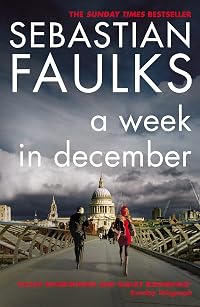
for my liking but that said whilst Elton is no Faulks for about 100 pages he manages to fill the reader with a real sense of the horror and misery that those real life combatants must have felt. As such it is a reasonable effort and worth a go. show less
― Steven D. Levitt, Think Like a Freak
Douglas Kingsley is a top police detective sentenced to jail for refusing to fight during WWI. Viscount Abercrombie, an aristocratic poet and war hero is found murdered in France. Kingsley is sent to France to find the truth behind the murder. Kingsley quickly realises that the main suspect, a shell-shocked soldier, is innocent. Kingsley finds himself caught in the world between the sanctioned murder of war and the illegal act of homicide.
In this novel Ben Elton revisits the trenches of WWI that he portrayed so show more hilariously with Blackadder and this is very different than any of his novels other that I've read in the past. The plot is pretty preposterous as even Kingsley thinks himself, why would any care about one death when thousands are dying on a daily basis? The introduction of historical background of suffragettes, the rise of Labour and Irish independence feel rather cliched IMHO.However it is worth persevering with because once Kingsley gets to the front line, the book moves onto a different plane and the main character becomes less facetious finally taking on real human dimensions.
There is no real mystery in who committed the dastardly crime and the ending is a little too neat
for my liking but that said whilst Elton is no Faulks for about 100 pages he manages to fill the reader with a real sense of the horror and misery that those real life combatants must have felt. As such it is a reasonable effort and worth a go. show less
Set during World War I in Flanders in June of 1917 this book is dedicated to Ben Elton's two grandfathers who fought on opposite sides during the War. Whilst recovering from shell shock inside a military hospital, popular war poet and soldier Viscount Abercrombie is shot dead. Meanwhile, Douglas Kingsley, Scotland Yard Inspector, refuses national service as the war itself defies his sense of logic. He's brought before a judge, branded a coward and his wife Agnes and their friends turn their back on him. Once he's thrown into prison he is assaulted by his fellow inmates, many of whom he put behind bars in the first place and who plot to kill him. After a particularly violent assault the Home Office abduct him and fake his death then send show more him to investigate the Viscount's murder behind the front lines at Flanders. Accompanying him is Captain Shannon, whom Kingsley quickly discovers is a psychopath. The investigation reveals that not only was Abercrombie a homosexual, but that he was also disillusioned with the war and writing poetry that expressed this in the same way that disillusioned war poet Siegfried Sassoon did.
The title refers to the famous quote; 'The first casualty of war is truth' and it's quite apt. A good read, takes a while to get you to the front line, but I thought it was well done. show less
The title refers to the famous quote; 'The first casualty of war is truth' and it's quite apt. A good read, takes a while to get you to the front line, but I thought it was well done. show less
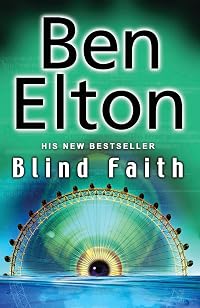
My second Ben Elton and while it was better than the first book I read - [b:Blind Faith|2164457|Blind Faith|Ben Elton|http://d.gr-assets.com/books/1320483062s/2164457.jpg|2346268] - that isn't saying much as Blind Faith was a mere '2 Star' read for me. This was not a bad book, but I thought that it could certainly have been better given the interesting premise.
Douglas Kingsley is a stubborn idealist (not a pacifist, mind you) who works as a policeman in World War-I era Britain. And alike all egoistical idealists, he denies to participate in the war even though that means his family would also have to face the consequences of his rather hypocritical stand against something he did anyway in his previous life - killing (He was a policeman show more after all, and admits himself that had sent quiet a few criminals to their death while working for the government and even had done some things that he didn't like). He denies to participate in the war as the sheer scale was too big to ignore! (Didn't I say he was a hypocrite?)
So, after having been disgraced nationally and sent to prison, Kingsley dreads being he might be murdered in prison by one of the fellow prisoners he himself arrested when he was a policeman.
But then something amazing happens. An officer cum a famous poet is killed in Ypres. Not by enemy fire. But in a hospital by a fellow Briton. Thus under special circumstances, Kingsley is sent to the front to investigate the murder.
The premise sounds interesting enough, doesn't it?
But my problem with the book was that that Elton lingered too much on the disgrace aspect of Kingsley's life in Britain after his denial to participate in the war and hence takes a very long time (more than half a book) to actually advance the main plot of the story. And even when Kingsley reaches the battlefront in France, the book fails to recapture wholly the sheer horror faced by the men in the Great War.
Even the final confrontation of Kingsley with the real killer seems overtly dramatic and hence unintentionally hilarious.
The book had promise, but for me, it didn't deliver.
That's 2 in 2, Mr. Elton. show less
Douglas Kingsley is a stubborn idealist (not a pacifist, mind you) who works as a policeman in World War-I era Britain. And alike all egoistical idealists, he denies to participate in the war even though that means his family would also have to face the consequences of his rather hypocritical stand against something he did anyway in his previous life - killing (He was a policeman show more after all, and admits himself that had sent quiet a few criminals to their death while working for the government and even had done some things that he didn't like). He denies to participate in the war as the sheer scale was too big to ignore! (Didn't I say he was a hypocrite?)
So, after having been disgraced nationally and sent to prison, Kingsley dreads being he might be murdered in prison by one of the fellow prisoners he himself arrested when he was a policeman.
But then something amazing happens. An officer cum a famous poet is killed in Ypres. Not by enemy fire. But in a hospital by a fellow Briton. Thus under special circumstances, Kingsley is sent to the front to investigate the murder.
The premise sounds interesting enough, doesn't it?
But my problem with the book was that that Elton lingered too much on the disgrace aspect of Kingsley's life in Britain after his denial to participate in the war and hence takes a very long time (more than half a book) to actually advance the main plot of the story. And even when Kingsley reaches the battlefront in France, the book fails to recapture wholly the sheer horror faced by the men in the Great War.
Even the final confrontation of Kingsley with the real killer seems overtly dramatic and hence unintentionally hilarious.
The book had promise, but for me, it didn't deliver.
That's 2 in 2, Mr. Elton. show less
I enjoy Ben Elton's book as he usually takes a current fad or popular topic and renders a decent satire from it. Little bit political, little bit zeitgeisty - his novels usually make for a nice bit of light reading between weightier ones.
The First Casualty however is a cut above the standard fare. Essentially a police investigative thriller set in 1917 it brings together the various political actors of the day (pacifists and conscientious objectors, socialists and union men, Irish republicans, secret homosexuals and suffragettes) against the backdrop of World War I.
The period is convincingly evoked - from Whitehall to Folkestone promenade to Passchendaele. There are visits to the trenches and raids across no mans land depicting the show more full horror, mud and blood of the front. The investigation takes some unlikely turns and readers coming to this book purely for a detective mystery might be disappointed - its more of a vehicle to show the politics and horrors of the Great War than anything else.
The book is dedicated to Ben Elton's two grandfathers who fought on opposite sides in the War. One of his best novels, he has done them proud. show less
The First Casualty however is a cut above the standard fare. Essentially a police investigative thriller set in 1917 it brings together the various political actors of the day (pacifists and conscientious objectors, socialists and union men, Irish republicans, secret homosexuals and suffragettes) against the backdrop of World War I.
The period is convincingly evoked - from Whitehall to Folkestone promenade to Passchendaele. There are visits to the trenches and raids across no mans land depicting the show more full horror, mud and blood of the front. The investigation takes some unlikely turns and readers coming to this book purely for a detective mystery might be disappointed - its more of a vehicle to show the politics and horrors of the Great War than anything else.
The book is dedicated to Ben Elton's two grandfathers who fought on opposite sides in the War. One of his best novels, he has done them proud. show less
Members
- Recently Added By
Lists

Best Dystopias
280 works; 277 members
Author Information

76+ Works 15,360 Members
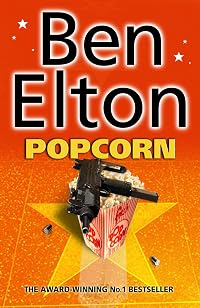
Born May 3, 1959 in Catford, South London, Ben Elton began life as a member of an upper-class academic family. During the war his family had been forced to flee Prague when Hitler invaded. In Godalming Grammar School young Elton participated in amateur dramatics and wrote his first play when he was fifteen years old. He later attended Manchester show more University and earned a degree in drama. He started his career as a stand-up comedian in 1980. Joining Rik Mayall and Adrian Edmondson in the Comedy Store in Leicester Square in London, Elton soon became one of the regular masters of ceremony. He continued to do stand-up in order to perform his own material. Soon, however, he branched out into plays, novels, and films. His first novel, Stark (1989), sold well in Britain and Australia. Popcorn, published in 1996, opened as a play in April 1997 and won the Laurence Olivier Award for best comedy in 1998. (Bowker Author Biography) Ben Elton is the author of four previous novels, Stark, Gridlock, This Other Eden, and Popcorn. He lives with his wife in London. (Bowker Author Biography) Ben Elton has written the British comedy series The Young Ones. His novels include Popcorn. (Bowker Author Biography) show less
Awards and Honors
Awards
Distinctions
Series
Belongs to Publisher Series
Common Knowledge
- Canonical title
- The First Casualty
- Alternate titles*
- Первая жертва
- Original publication date
- 2005
- People/Characters
- Douglas Kingsley
- Important places
- Flanders Fields, Belgium
- Important events
- World War I (1914 | 1918); Battle of Passchendaele (1917)
- Dedication
- This book is dedicated to the memory of my much-loved grandfathers, Victor Ehrenberg and Harold Foster, who served on opposite sides in the First World War.
- First words
- The soldier was laden like a pack mule.
- Last words
- (Click to show. Warning: May contain spoilers.)As Kingsley endeavoured to change the subject, he could not help wondering whether Agnes's intuition might be just a little too faultless.
*Some information comes from Common Knowledge in other languages. Click "Edit" for more information.
Classifications
Statistics
- Members
- 911
- Popularity
- 29,597
- Reviews
- 30
- Rating
- (3.68)
- Languages
- Danish, English, French, Russian
- Media
- Paper, Audiobook, Ebook
- ISBNs
- 12
- ASINs
- 8