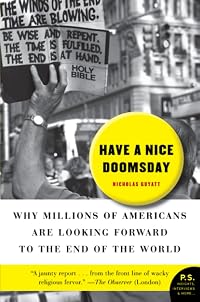
Have a Nice Doomsday: Why Millions of Americans Are Looking Forward to the End of the World
by Nicholas Guyatt
On This Page
Description
A study of apocalyptic Christianity assesses the beliefs of the fifty million Americans who believe that the apocalypse will occur during their lifetimes and their involvement in debates over gay rights, foreign policy, and abortion.Tags
Recommendations
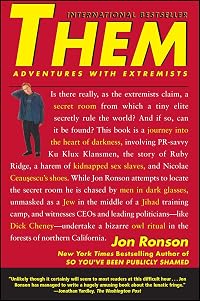





Member Recommendations
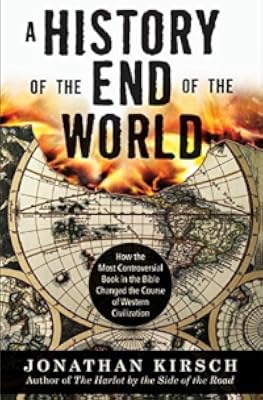
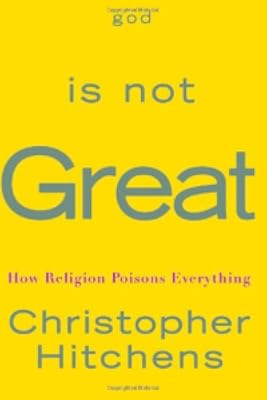
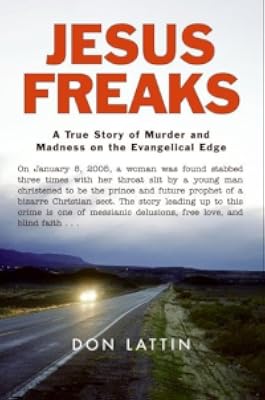
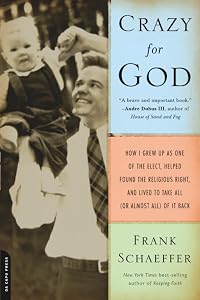
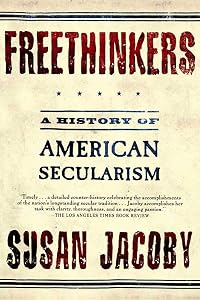
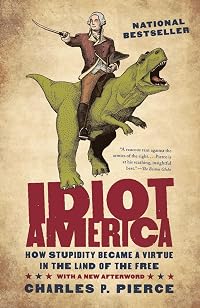
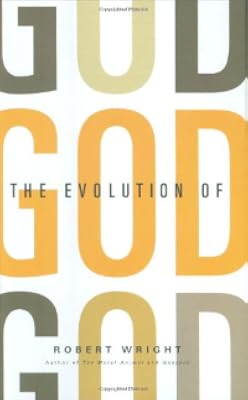
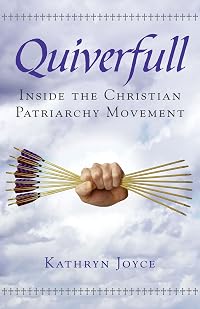
jseger9000 Both books delve into the history of end times belief, though Paperback Apocalypse is more openly anti-religious.
40

jseger9000 A book with similar interests that focuses on many other American 'End Times' cults.
30

Member Reviews
Apparently, 50 million Americans believe that we are living in the end times, and that any day now, Jesus is going to swoop down to earth and Rapture his true believers. Everyone else will have to hang around for the Tribulation and life under the one-world global empire of the Antichrist and face Armageddon. Guyatt, an Englishman, is fascinated by this worldview and wonders why, if these people are leaving soon,are they bothering to get involved in US politics? And are the leaders of this movement (prophecy preachers who are part of the Religious Right) influencing Washington in hopes of bringing this on?
Having been raised by Bible-literalists as a child, but waking up as an adult to realize I don't share that worldview, I find show more literalists, fundamentalists and political evangelicals both fascinating and scary. Guyatt approaches these people with a great deal of respect, and for the most part they come off as nice people (he is no Richard Dawkins). This is an interesting, easy read (he's a history professor here in Vancouver, but this is not a dry academic read).
Some readers have criticized the book because he doesn't exactly answer the question in his title ("WHY millions of Americans are Looking Forward to the End of the World"). I think he does in an oblique manner -- one answer he gives is that people are attracted to this belief because it means they will avoid "the whole death thing" (p 211).
The biggest concern that this book raises is that these prophecy preachers are often invited to appear on TV (Fox of course, but also CNN) and are presented as "Middle East Experts" but without mentioning that they've earned this label only through studying Biblical prophecy and not through educational or career credentials. Further, they are in regular communication with congressional representatives and government staffers. This could have scary results, as their idea of the future is very different from the general population.
The author is currently working on a book about creationism that I will definitely read when it is published. show less
Having been raised by Bible-literalists as a child, but waking up as an adult to realize I don't share that worldview, I find show more literalists, fundamentalists and political evangelicals both fascinating and scary. Guyatt approaches these people with a great deal of respect, and for the most part they come off as nice people (he is no Richard Dawkins). This is an interesting, easy read (he's a history professor here in Vancouver, but this is not a dry academic read).
Some readers have criticized the book because he doesn't exactly answer the question in his title ("WHY millions of Americans are Looking Forward to the End of the World"). I think he does in an oblique manner -- one answer he gives is that people are attracted to this belief because it means they will avoid "the whole death thing" (p 211).
The biggest concern that this book raises is that these prophecy preachers are often invited to appear on TV (Fox of course, but also CNN) and are presented as "Middle East Experts" but without mentioning that they've earned this label only through studying Biblical prophecy and not through educational or career credentials. Further, they are in regular communication with congressional representatives and government staffers. This could have scary results, as their idea of the future is very different from the general population.
The author is currently working on a book about creationism that I will definitely read when it is published. show less
(posted on my blog: http://davenichols.net/have-nice-doomsday)
The Skinny: Guyatt clearly put in a lot of time and effort on this book, he's delivered a read worthy of your time, but lower your expectations a bit. Three stars.
...
Nicholas Guyatt takes a level-headed first-hand survey of several well-known apocalyptic prophecy 'experts' in the USA, and comes away with an interesting story about differing goals with competitive and contradictory interpretations, and puts a human face on these merchants of End Times. The author strings several interviews together with interludes of historical background as he winds his narrative in a familiar and easily-digested manner.
My major beef with this book is due to the subtitle. "Why Millions of show more Americans are Looking Forward to the End of the World" was very inaccurate. Guyatt didn't attempt to survey 'millions' of Americans, just a few. His effort was solid in what he did, but he left the reader with an unsatisfactory answer to the subtitle's query. Worse, he took a shortcut to his answer through nothing short of wishful thinking.
Guyatt tells the reader this story in a curious but concerned mood. He never quite calls out his interviewees as crazy, but he's carefully darting incredulous looks out of the corner of his eye throughout every passage. His message, though not delivered particularly strongly or with much depth, is that there are crazy nuts out there who honestly believe they are living near the End Times, who are nonetheless pleasant to converse with in person.
To be fair, the reader is left with a humane view of these men (with the exception of John Hagee) to whom the author has given a fair deal of opportunity to make known their prophetic opinions through his book. The reader is not often given the courtesy of a reasonable fact check, though it is clear from reading between the lines that the author is aware of his subject's misleading, contradictory, or otherwise questionable 'facts'. Guyatt states in an addendum section that he is anticipating writing a follow-up to this book focused on creationism, so maybe he is trying the Bob Woodward method of playing nice now and scalding them later. More likely, he simply chose a less confrontational narrative than other secular writers would have delivered in order to explain apocalyptic Christianity to people who don't understand it.
We know, thanks to the book, why a handful of the movement's unique middlemen and top dogs are into prophecy and End Times, but Guyatt doesn't attempt to apply this to the rest of the 'millions'. In fact, he equivocates a bit by offering near the end of the book that he doesn't really believe that most apocalyptic Christians (a group he defined broadly as those who bought Left Behind books) are as nutty as the guys he interviewed or talked about (such as Hal Lindsey and John Hagee), and perhaps they could be reasoned with by the secular world. He does a bit of self-bashing by asking liberals and secularist to play a bit nicer with these folks, not to push them harder into the arms of the hardcore apocalyptic crowd.
He never really answers why so many people 'look forward' to the End Times, and worse, he goes another step in the wrong direction by ignoring most of the evidence he presented throughout the book. Most of these guys are hardcore. Some believe they should cheerlead decisions which push the world to the brink, a few offer a more restrained version. There was only one guy that the author appears to have considered reasonable, level-headed, and practical, and yet, to Guyatt, the untold majority of those 'millions' he asked about are more like the exception and less like the rule? Sorry, Nicholas, but that's a pretty strange bit of wishful, non-empircal deduction from an author who should know better, especially after heavily investigating a subject fraught with wishful, non-empirical deduction.
Anyway, that last point is more of an overly-critical assessment of the book (in hopes that Guyatt will be more rigorous with his next subject), and I did enjoy this read. I got a background of many players in the apocalyptic Christian game which I've not read elsewhere, and a few behind-the-scenes opinions of those guys were insightful and troubling. Guyatt clearly put in a lot of time and effort on this book, he's delivered a read worthy of your time, but lower your expectations a bit. Three stars. show less
The Skinny: Guyatt clearly put in a lot of time and effort on this book, he's delivered a read worthy of your time, but lower your expectations a bit. Three stars.
...
Nicholas Guyatt takes a level-headed first-hand survey of several well-known apocalyptic prophecy 'experts' in the USA, and comes away with an interesting story about differing goals with competitive and contradictory interpretations, and puts a human face on these merchants of End Times. The author strings several interviews together with interludes of historical background as he winds his narrative in a familiar and easily-digested manner.
My major beef with this book is due to the subtitle. "Why Millions of show more Americans are Looking Forward to the End of the World" was very inaccurate. Guyatt didn't attempt to survey 'millions' of Americans, just a few. His effort was solid in what he did, but he left the reader with an unsatisfactory answer to the subtitle's query. Worse, he took a shortcut to his answer through nothing short of wishful thinking.
Guyatt tells the reader this story in a curious but concerned mood. He never quite calls out his interviewees as crazy, but he's carefully darting incredulous looks out of the corner of his eye throughout every passage. His message, though not delivered particularly strongly or with much depth, is that there are crazy nuts out there who honestly believe they are living near the End Times, who are nonetheless pleasant to converse with in person.
To be fair, the reader is left with a humane view of these men (with the exception of John Hagee) to whom the author has given a fair deal of opportunity to make known their prophetic opinions through his book. The reader is not often given the courtesy of a reasonable fact check, though it is clear from reading between the lines that the author is aware of his subject's misleading, contradictory, or otherwise questionable 'facts'. Guyatt states in an addendum section that he is anticipating writing a follow-up to this book focused on creationism, so maybe he is trying the Bob Woodward method of playing nice now and scalding them later. More likely, he simply chose a less confrontational narrative than other secular writers would have delivered in order to explain apocalyptic Christianity to people who don't understand it.
We know, thanks to the book, why a handful of the movement's unique middlemen and top dogs are into prophecy and End Times, but Guyatt doesn't attempt to apply this to the rest of the 'millions'. In fact, he equivocates a bit by offering near the end of the book that he doesn't really believe that most apocalyptic Christians (a group he defined broadly as those who bought Left Behind books) are as nutty as the guys he interviewed or talked about (such as Hal Lindsey and John Hagee), and perhaps they could be reasoned with by the secular world. He does a bit of self-bashing by asking liberals and secularist to play a bit nicer with these folks, not to push them harder into the arms of the hardcore apocalyptic crowd.
He never really answers why so many people 'look forward' to the End Times, and worse, he goes another step in the wrong direction by ignoring most of the evidence he presented throughout the book. Most of these guys are hardcore. Some believe they should cheerlead decisions which push the world to the brink, a few offer a more restrained version. There was only one guy that the author appears to have considered reasonable, level-headed, and practical, and yet, to Guyatt, the untold majority of those 'millions' he asked about are more like the exception and less like the rule? Sorry, Nicholas, but that's a pretty strange bit of wishful, non-empircal deduction from an author who should know better, especially after heavily investigating a subject fraught with wishful, non-empirical deduction.
Anyway, that last point is more of an overly-critical assessment of the book (in hopes that Guyatt will be more rigorous with his next subject), and I did enjoy this read. I got a background of many players in the apocalyptic Christian game which I've not read elsewhere, and a few behind-the-scenes opinions of those guys were insightful and troubling. Guyatt clearly put in a lot of time and effort on this book, he's delivered a read worthy of your time, but lower your expectations a bit. Three stars. show less
A pretty good report on the phenomena of Apocalyptic Christianity in America. The tone was more respectful than the goofy title and cover led me to believe it would be (which is a good thing). At the same time this is no somber report. The book is breezy and conversational. More an overview than an in depth study.
The history of End Times belief is followed from its origins in England and we are shown how those beliefs moved to the New World even as they faded from Europe. I agree with the other review that pointed out that this history was pretty light, but that wasn’t my primary interest in the book, so I didn’t mind it.
By far the most interesting parts of the book for me were the interviews with the End Times superstars and show more also-rans. Tim LaHaye and Joel Rosenberg are interesting guys. While I don't doubt they sincerely believe their End Times eschatology, you can't help but feel that they aren't glorying in their celebrity a bit. Guyatt lets them skewer themselves with their own words. It never felt like he was holding these people up for ridicule, though he didn’t gloss over some of the negative image they project on their own.
The real revelation (pardon the pun) for me were some of the guys 'in the trenches'. The host of a cable access show: Final Hour, the guy who felt a calling to sell his home and travel the country in an RV and Mel Odom, a Christian contract writer of Buffy the Vampire Slayer and Sabrina the Teenage Witch novels who was hired to write a Tom Clancy-esque spin-off series to the Left Behind books. These are regular work-a-day guys doing what they believe in but wrestling with some of the stickier questions of End Times belief.
The author gets them to grapple with their seemingly contradictory views that things must get worse in order to trigger The Rapture and at the same time that Christians should exercise their influence in politics in order to make America a more Christian nation.
Over all I would say Have A Nice Doomsday is a good introduction to End Times belief for anyone who’s seen those Left Behind books and are wondering what that whole Rapture thing is about. show less
The history of End Times belief is followed from its origins in England and we are shown how those beliefs moved to the New World even as they faded from Europe. I agree with the other review that pointed out that this history was pretty light, but that wasn’t my primary interest in the book, so I didn’t mind it.
By far the most interesting parts of the book for me were the interviews with the End Times superstars and show more also-rans. Tim LaHaye and Joel Rosenberg are interesting guys. While I don't doubt they sincerely believe their End Times eschatology, you can't help but feel that they aren't glorying in their celebrity a bit. Guyatt lets them skewer themselves with their own words. It never felt like he was holding these people up for ridicule, though he didn’t gloss over some of the negative image they project on their own.
The real revelation (pardon the pun) for me were some of the guys 'in the trenches'. The host of a cable access show: Final Hour, the guy who felt a calling to sell his home and travel the country in an RV and Mel Odom, a Christian contract writer of Buffy the Vampire Slayer and Sabrina the Teenage Witch novels who was hired to write a Tom Clancy-esque spin-off series to the Left Behind books. These are regular work-a-day guys doing what they believe in but wrestling with some of the stickier questions of End Times belief.
The author gets them to grapple with their seemingly contradictory views that things must get worse in order to trigger The Rapture and at the same time that Christians should exercise their influence in politics in order to make America a more Christian nation.
Over all I would say Have A Nice Doomsday is a good introduction to End Times belief for anyone who’s seen those Left Behind books and are wondering what that whole Rapture thing is about. show less
I just finished reading this and found it to be an entertaining read. The author is a British Journalist, and he travels the country talking to various fundamentalists who focus on end times prophecy. He talks to Tim LaHaye, author of the Left Behind series, for example.
He's a happy heathen himself, but manages to keep himself from being too sardonic, for the most part. There are a few snarky humorous asides, but he's mostly interested in letting these people speak for themeselves, to his credit.
The book offers a good primer on the history of this particular brand of eschatology, and covers all of the relevant sections of the bible that inspire this sort of thinking and ministry. If you haven't read on this topic before, you won't be show more "left behind".
Guyatt tries to raise a provocative question, namely, what Christians should be doing if they truly believe they are living in the end times. He doesn't quite get at the answer, in some ways because it varies from individual to individual. If you believe that our days are truly numbered, and prophecy is coming true, what should you do? Hasten the end? Sit back and watch it unfold? Try to prevent it from happening? What would it mean if you could delay or prevent the unfolding of God's Word? It is interesting that some of the respondents are taking political action in this regard (support for Israel, for example), and one wonders whether God's Divine Plan really needs any help from His Creations in order to unfold.
There's a lot of talk about the Rapture and the Tribulation. The thing that's interesting is that the "saved" will be taken up, and then the "unsaved", including the Jews, have seven years of chaos and general awfulness in which to repent. Then Christ comes, and reigns for a thousand years. I don't know about you, but if I woke up every morning, and Christ was sitting up on a throne in the sky, waving at me, then I might think seriously about giving him a wink and a nod back. So, if you believe now, you get taken up in the Rapture. If not, you've got a few chances, it might be tough here on earth, but you can still do it. That's a pretty good case for "wait and see", lol. You might suffer a bit, but you'll get the whole eternal life deal in the end. How's about that?
In any event, this is a pretty good romp across America and a decent look at pre-Millennialist thinking. show less
He's a happy heathen himself, but manages to keep himself from being too sardonic, for the most part. There are a few snarky humorous asides, but he's mostly interested in letting these people speak for themeselves, to his credit.
The book offers a good primer on the history of this particular brand of eschatology, and covers all of the relevant sections of the bible that inspire this sort of thinking and ministry. If you haven't read on this topic before, you won't be show more "left behind".
Guyatt tries to raise a provocative question, namely, what Christians should be doing if they truly believe they are living in the end times. He doesn't quite get at the answer, in some ways because it varies from individual to individual. If you believe that our days are truly numbered, and prophecy is coming true, what should you do? Hasten the end? Sit back and watch it unfold? Try to prevent it from happening? What would it mean if you could delay or prevent the unfolding of God's Word? It is interesting that some of the respondents are taking political action in this regard (support for Israel, for example), and one wonders whether God's Divine Plan really needs any help from His Creations in order to unfold.
There's a lot of talk about the Rapture and the Tribulation. The thing that's interesting is that the "saved" will be taken up, and then the "unsaved", including the Jews, have seven years of chaos and general awfulness in which to repent. Then Christ comes, and reigns for a thousand years. I don't know about you, but if I woke up every morning, and Christ was sitting up on a throne in the sky, waving at me, then I might think seriously about giving him a wink and a nod back. So, if you believe now, you get taken up in the Rapture. If not, you've got a few chances, it might be tough here on earth, but you can still do it. That's a pretty good case for "wait and see", lol. You might suffer a bit, but you'll get the whole eternal life deal in the end. How's about that?
In any event, this is a pretty good romp across America and a decent look at pre-Millennialist thinking. show less
This is really good, I loved it. I have been reading about the growing popularity of end times predictions for a while now and have read one of the famous 'Left Behind' series of books by Tim LaHaye, so it was good to read a book that really pulled together all the strands and tried to make sense of this trend. Lots of fascinating info, interviews with the main players in the End Time game and a look at the impact of these beliefs.
There were some weaknesses though. The attempt to set it all into context, giving a history of Bible prophecy and its effects wasn't so good - the stuff on the 17th century and the English Civil War read like he'd just pulled it all together out of a kids' history book. I am really interested in this period show more and I think there are lots of interesting links to be made between England in the 17th C and US End times prophecy today, so it was very frustrating that he just didn't have the knowledge of the era to do it justice. I was very surprised to discover that Guyatt is a university lecturer, because the book isn't that scholarly or intellectual - it reads more like an extended newspaper article. I've read investigative books by journalists that have probed and evaluated a lot better than this one - funny enough, a lot of them by Americans. Fast Food Nation is an example that springs to mind.
Guyatt gives you all the facts and has done a lot of interesting research, but he doesn't really analyse or evaluate the trend, apart from a few interesting but undeveloped suggestions at the end about the need for moral clarity in dangerous times. Another thing I would have liked is more stats and figures about the reach and impact of these ideas. I was telling someone about this book, and they said to me 'yeah, but these people are just fringe nutters really, aren't they?', which, if you read the book, you will realise is emphatically not the case (the fringe bit I mean, not the nutters). But there are no hard stats to back this up, and Guyatt doesn't properly explore the exact prevalence of these ideas. He speculates a little bit about whether everyone who reads - or even writes - Endtimes books really believes in its imminence, and he mentions that a lot of people's reaction to Jerry Falwell and Co's excesses is exasperation - but he doesn't explore the implications of John Hagee having access to people such as Benjamin Netanhayu, Ariel Sharon, John Ashcroft, etc. On the one hand, Goerge Bush's letters of thanks to Hagee and co amusingly sidestep mentioning the Rapture, on the other hand, the fact that the leader of the free world is supporting these nutters at all is horrific. I have read a bit more about this - John Sutherland wrote an excellent article for the LRB about it a couple of years ago that really traces this influence a bit more, so it would have been nice to have some hard facts and stats showing exactly how widespread these beliefs are. Guyatt is quite a humorous writer - obviously he is dealing with a subject that is ripe for sending up - but overall I think he could have gone for being a bit more critical, a bit more savage on ideas that are frankly lunatic, dangerous and worryingly pervasive.
Anyway, all this sounds a bit negative, but overall this is a fantastic book about a very relevant and fascinating topic that will - I prophesy! - become even more relevant over the next few years. In fact as I was reading it, I came across a video clip online of Rep. Presidential candidate Mike Huckabee speaking at Pastor John Hagee's church - John Hagee is one of the big figures in this book. Read it, it gives a real insight into America today. show less
There were some weaknesses though. The attempt to set it all into context, giving a history of Bible prophecy and its effects wasn't so good - the stuff on the 17th century and the English Civil War read like he'd just pulled it all together out of a kids' history book. I am really interested in this period show more and I think there are lots of interesting links to be made between England in the 17th C and US End times prophecy today, so it was very frustrating that he just didn't have the knowledge of the era to do it justice. I was very surprised to discover that Guyatt is a university lecturer, because the book isn't that scholarly or intellectual - it reads more like an extended newspaper article. I've read investigative books by journalists that have probed and evaluated a lot better than this one - funny enough, a lot of them by Americans. Fast Food Nation is an example that springs to mind.
Guyatt gives you all the facts and has done a lot of interesting research, but he doesn't really analyse or evaluate the trend, apart from a few interesting but undeveloped suggestions at the end about the need for moral clarity in dangerous times. Another thing I would have liked is more stats and figures about the reach and impact of these ideas. I was telling someone about this book, and they said to me 'yeah, but these people are just fringe nutters really, aren't they?', which, if you read the book, you will realise is emphatically not the case (the fringe bit I mean, not the nutters). But there are no hard stats to back this up, and Guyatt doesn't properly explore the exact prevalence of these ideas. He speculates a little bit about whether everyone who reads - or even writes - Endtimes books really believes in its imminence, and he mentions that a lot of people's reaction to Jerry Falwell and Co's excesses is exasperation - but he doesn't explore the implications of John Hagee having access to people such as Benjamin Netanhayu, Ariel Sharon, John Ashcroft, etc. On the one hand, Goerge Bush's letters of thanks to Hagee and co amusingly sidestep mentioning the Rapture, on the other hand, the fact that the leader of the free world is supporting these nutters at all is horrific. I have read a bit more about this - John Sutherland wrote an excellent article for the LRB about it a couple of years ago that really traces this influence a bit more, so it would have been nice to have some hard facts and stats showing exactly how widespread these beliefs are. Guyatt is quite a humorous writer - obviously he is dealing with a subject that is ripe for sending up - but overall I think he could have gone for being a bit more critical, a bit more savage on ideas that are frankly lunatic, dangerous and worryingly pervasive.
Anyway, all this sounds a bit negative, but overall this is a fantastic book about a very relevant and fascinating topic that will - I prophesy! - become even more relevant over the next few years. In fact as I was reading it, I came across a video clip online of Rep. Presidential candidate Mike Huckabee speaking at Pastor John Hagee's church - John Hagee is one of the big figures in this book. Read it, it gives a real insight into America today. show less
A very interesting, if not particularly original, look at millennial belief in the US and how it may affect its responses to other countries especially the middle east. A bit like a cross between Deer Hunting With Jesus and What's The Matter With America?: The Resistible Rise Of The American Right, though not quite up to the standards of either.
I give this 2 stars because the author is clearly trying to understand this topic. But he doesn't go far enough...meaning, he doesn't really read the true source behind it all, which is the Bible itself. Yes, there are plenty of so-called Christian out there in this world, including pastors, who don't walk the talk, and as such, they are still living for the world, not for the Lord. You should not let this be the basis for why you reject Christianity. And as for the previous reviewer who states that the Tribulations won't really be all that bad, I would seriously advise that person to read the Revelations on this again. In the end, why be foolish and take chances on the eternal life when you can be saved right now and start living for God?
Members
- Recently Added By
Lists

In Our Time books
4,934 works; 2 members
Author Information

8 Works 347 Members
Nicholas Guyatt is Assistant Professor of History at Simon Fraser University, Van-couver, British Columbia. He has studied at Cambridge University (B.A., M. Phil.) and Princeton University (Ph.D.). This is his first academic monograph, but his fourth book; a work on apocalyptic Christianity will also be published in 2007. He has written about show more American history for the London Review of Books and the Nation. show less
Some Editions
Common Knowledge
- Canonical title
- Have a Nice Doomsday: Why Millions of Americans Are Looking Forward to the End of the World
- Original title
- Have a Nice Doomsday
- Original publication date
- 2007
- People/Characters
- John Hagee; Joel Rosenberg; David Chagall; Aryeh Scheinberg; Benjamin Netanyahu; Jerry Falwell (show all 21); George W. Bush; Ezekiel; Joseph Mede; Oliver Cromwell; Randall Price; Tommy Ice; Ronald Reagan; Jonathan Edwards; John Nelson Darby; Juneau Chagall; Paul Crouch; Jack Kinsella; Jerry Jenkins; Peter Lalonde; Paul Lalonde
- Important places
- San Antonio, Texas, USA; Israel; Russia; Iran; United Kingdom; Palestine (show all 8); Branson, Missouri, USA; Mount Ararat, Turkey
- Important events
- English Civil War
- Epigraph
- For in such an hour as ye think not, the Son of man cometh.
—Jesus Christ, Matthew 24:44 - First words
- Chapter 1
It's a little after eight on a muggy Sunday morning, and I'm standing outside Cornerstone Church in San Antonio, Texas. - Last words
- (Click to show. Warning: May contain spoilers.)By the end of the segment, as Robin thanked Tim and Jerry for their "insight" iron these questions, the viewers of Good Morning America could be forgiven for thinking that, even if Armageddon was coming a little later than Robin had suggested, it was certainly on the way.
- Publisher's editor
- Jeanette Perez
- Original language
- English
Classifications
Statistics
- Members
- 129
- Popularity
- 253,330
- Reviews
- 8
- Rating
- (3.37)
- Languages
- English
- Media
- Paper
- ISBNs
- 3
- ASINs
- 1