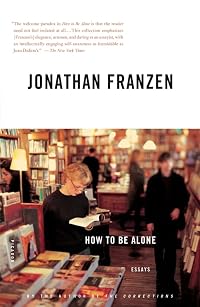
How to Be Alone: Essays
by Jonathan Franzen
On This Page
Description
Passionate, strong-minded nonfiction from the National Book Award-winning author of The Corrections… Jonathan Franzen's The Corrections was the best-loved and most-written-about novel of 2001. Nearly every in-depth review of it discussed what became known as "The Harper's Essay," Franzen's controversial 1996 investigation of the fate of the American novel. This essay is reprinted for the first time in How to be Alone, along with the personal essays and the dead-on reportage that earned show more Franzen a wide readership before the success of The Corrections. Although his subjects range from the sex-advice industry to the way a supermax prison works, each piece wrestles with familiar themes of Franzen's writing: the erosion of civic life and private dignity and the hidden persistence of loneliness in postmodern, imperial America. Recent pieces include a moving essay on his father's stuggle with Alzheimer's disease (which has already been reprinted around the world) and a rueful account of Franzen's brief tenure as an Oprah Winfrey author. As a collection, these essays record what Franzen calls "a movement away from an angry and frightened isolation toward an acceptance--even a celebration--of being a reader and a writer." At the same time they show the wry distrust of the claims of technology and psychology, the love-hate relationship with consumerism, and the subversive belief in the tragic shape of the individual life that help make Franzen one of our sharpest, toughest, and most entertaining social critics. show lessTags
Recommendations
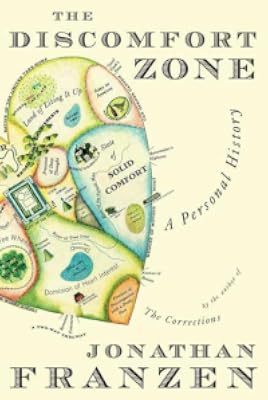


Member Recommendations
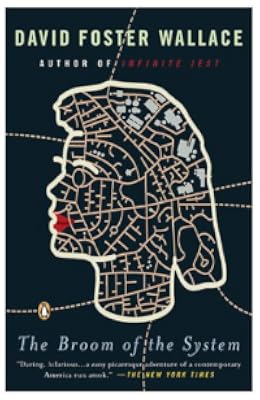
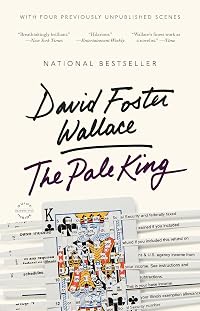
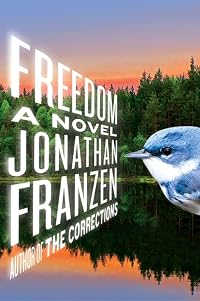
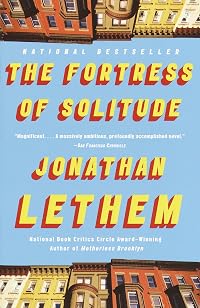
woollams812 This wonderful collection of humor is a gem in paper form.
Member Reviews
Rating: 3* of five
The Publisher Says: Jonathan Franzen's The Corrections was the best-loved and most-written-about novel of 2001. Nearly every in-depth review of it discussed what became known as "The Harper's Essay," Franzen's controversial 1996 investigation of the fate of the American novel. This essay is reprinted for the first time in How to be Alone, along with the personal essays and the dead-on reportage that earned Franzen a wide readership before the success of The Corrections. Although his subjects range from the sex-advice industry to the way a supermax prison works, each piece wrestles with familiar themes of Franzen's writing: the erosion of civic life and private dignity and the hidden persistence of loneliness in show more postmodern, imperial America. Recent pieces include a moving essay on his father's stuggle with Alzheimer's disease (which has already been reprinted around the world) and a rueful account of Franzen's brief tenure as an Oprah Winfrey author.
As a collection, these essays record what Franzen calls "a movement away from an angry and frightened isolation toward an acceptance--even a celebration--of being a reader and a writer." At the same time they show the wry distrust of the claims of technology and psychology, the love-hate relationship with consumerism, and the subversive belief in the tragic shape of the individual life that help make Franzen one of our sharpest, toughest, and most entertaining social critics.
My Review: "Why Bother?" or, more familiarly "The Harper's Essay," is the most famous piece in the collection, and probably the most read. I think it's a nice meditation on the nature of reading and writing, and the changes these two things have been through, but it's not (to me) earth-shatteringly amazing. I've been thinking many of the same thoughts for a long time, being both a modeled and a social-isolate reader (the essay gives definitions for these terms, and you should read the text anyway. Wikipedia links to a PDF of it).
That doesn't mean the essay is less valuable, merely makes the point that I, and presumably others like me, don't feel its novelty. For others to whom the ideas are new, this could gong them like a bell. I wonder if those folks are among Franzen's readers, though. I still think Tetris is a cool video game, so how likely am I to be seeking out BioShock X or whatever? My sense of novelty, then, isn't about texts or their creators and/or the act of their creation, it's about the successors to the book and the ethos they create.
But the essay is, like the entire collection, a little bit less than fully coherent. Franzen doesn't so much organize his points around his thoughts as his thoughts around his points. The bits about his marital breakdown, the portions mentioning his teaching job, the revision-points about the Oprah kerfuffle after The Corrections got him into such trouble...all placed here and there, all called upon to do multiple duty and yet never seeming to be the mainstay of any one argument. Why then invoke them at all? I didn't feel the added weight of support in many of Franzen's passing mentions and glancing blows.
"My Father's Brain," on the other hand, was a fine and personal piece of wrestling, and a very involving and moving look at the nature of a time and a space in an adult man's life: The end of a parent's life is fraught for us all, and the ending of the life before the parent's actual death is the hardest thing to process.
Alzheimer's and other dementias are deeply frightening to me, and I suspect to most of us. Franzen reports from the front lines that it's a lot less terrifying than one might imagine, and even more heartrending. This essay is responsible for all three stars I've given the collection all by itself. I like the author a great deal more than I did after reading The Corrections, which I found repetitive rather than recursive, and ~100pp of Freedom, which for some reason I can't quite understand made me angry. The son who wrote "My Father's Brain" is a guy I want to have a beer with, talk about the pessimism-inducing world we fifty-plus social isolates live in, and see if we can't hash out some reason not to despair.
The other essays are well-written pieces about things I wasn't interested in, and ended up not meaning anything to me on a visceral level. Just, well, yeah okay that's nice, but what the devil should I care?
It's very much a library-borrow, and really not something I'll urge you to get out there and procure no matter the source. As usual for me as regards this writer, I don't leave this read eagerly awaiting the next one by him. show less
The Publisher Says: Jonathan Franzen's The Corrections was the best-loved and most-written-about novel of 2001. Nearly every in-depth review of it discussed what became known as "The Harper's Essay," Franzen's controversial 1996 investigation of the fate of the American novel. This essay is reprinted for the first time in How to be Alone, along with the personal essays and the dead-on reportage that earned Franzen a wide readership before the success of The Corrections. Although his subjects range from the sex-advice industry to the way a supermax prison works, each piece wrestles with familiar themes of Franzen's writing: the erosion of civic life and private dignity and the hidden persistence of loneliness in show more postmodern, imperial America. Recent pieces include a moving essay on his father's stuggle with Alzheimer's disease (which has already been reprinted around the world) and a rueful account of Franzen's brief tenure as an Oprah Winfrey author.
As a collection, these essays record what Franzen calls "a movement away from an angry and frightened isolation toward an acceptance--even a celebration--of being a reader and a writer." At the same time they show the wry distrust of the claims of technology and psychology, the love-hate relationship with consumerism, and the subversive belief in the tragic shape of the individual life that help make Franzen one of our sharpest, toughest, and most entertaining social critics.
My Review: "Why Bother?" or, more familiarly "The Harper's Essay," is the most famous piece in the collection, and probably the most read. I think it's a nice meditation on the nature of reading and writing, and the changes these two things have been through, but it's not (to me) earth-shatteringly amazing. I've been thinking many of the same thoughts for a long time, being both a modeled and a social-isolate reader (the essay gives definitions for these terms, and you should read the text anyway. Wikipedia links to a PDF of it).
That doesn't mean the essay is less valuable, merely makes the point that I, and presumably others like me, don't feel its novelty. For others to whom the ideas are new, this could gong them like a bell. I wonder if those folks are among Franzen's readers, though. I still think Tetris is a cool video game, so how likely am I to be seeking out BioShock X or whatever? My sense of novelty, then, isn't about texts or their creators and/or the act of their creation, it's about the successors to the book and the ethos they create.
But the essay is, like the entire collection, a little bit less than fully coherent. Franzen doesn't so much organize his points around his thoughts as his thoughts around his points. The bits about his marital breakdown, the portions mentioning his teaching job, the revision-points about the Oprah kerfuffle after The Corrections got him into such trouble...all placed here and there, all called upon to do multiple duty and yet never seeming to be the mainstay of any one argument. Why then invoke them at all? I didn't feel the added weight of support in many of Franzen's passing mentions and glancing blows.
"My Father's Brain," on the other hand, was a fine and personal piece of wrestling, and a very involving and moving look at the nature of a time and a space in an adult man's life: The end of a parent's life is fraught for us all, and the ending of the life before the parent's actual death is the hardest thing to process.
Alzheimer's and other dementias are deeply frightening to me, and I suspect to most of us. Franzen reports from the front lines that it's a lot less terrifying than one might imagine, and even more heartrending. This essay is responsible for all three stars I've given the collection all by itself. I like the author a great deal more than I did after reading The Corrections, which I found repetitive rather than recursive, and ~100pp of Freedom, which for some reason I can't quite understand made me angry. The son who wrote "My Father's Brain" is a guy I want to have a beer with, talk about the pessimism-inducing world we fifty-plus social isolates live in, and see if we can't hash out some reason not to despair.
The other essays are well-written pieces about things I wasn't interested in, and ended up not meaning anything to me on a visceral level. Just, well, yeah okay that's nice, but what the devil should I care?
It's very much a library-borrow, and really not something I'll urge you to get out there and procure no matter the source. As usual for me as regards this writer, I don't leave this read eagerly awaiting the next one by him. show less
I've had this book of essays and articles on my shelf for some time, and picked it up when a book funk was looming. Franzen presents 15 essays of varying length and on a wide variety of topics, some very personal, some more the type you might encounter in a magazine like the one in the Sunday New York Times or the New Yorker.
The personal ones are often quite affecting, in particular the first, "My Father's Brain", which concerns the difficulty he and his family had dealing with his father's mental deterioration, especially in light of his parents' difficult marriage, and the last, where he is forced to 'go home again' years later for a televised interview and finds it torture.
"Imperial Bedroom" is Franzen's take on the conventional cry show more that our privacy is evaporating. Almost perversely, he notes that most of us live in ever MORE private spaces - large suburban houses where no one has to share a room or bathroom, or condominium apartments where you might not know your neighbors, quite unlike what he calls the near-panopticon of small town life a century ago. Conversely, we are unable to keep other people's private lives out of our public space. "A genuine public space is a place where every citizen is welcome to be present and where the purely private is excluded or restricted." Anyone who can't help overhearing a personal, sometimes very personal, cellphone conversation on the street, but or train can relate.
"Why Bother" is the most well-known of these works, retitled from an infamous Harper's essay. In it, Franzen details his slide into depression while trying to write his third book, while he and his wife were separating and the country was preparing for war in 1991, and in the years that followed. His despair at the reading habits (or lack thereof) of Americans , the solitary nature of his profession, and the idea that fiction should deal with 'mystery', "how human beings avoid or confront the meaning of existence" and 'manners', "the nuts and bolts of how human beings behave" was being somehow scuttled, produced a perfectly understandable (to me) inability to write his third novel. But beyond blaming all the ills of our age for the ills of our age, he talks about who reads and who writes. He cites Shirley Brice Heath, a linguistic anthropologist and English Professor, to discover that the people who read 'works of substance' are either people whose (usually upper class) parents did the same, and long for others who share their passion, or people who were, from an early age, social isolates, who use books to build their longed-for imaginary community.
Well, I guess that sounds like a lot of us. Franzen goes on at some length about how he was able to absorb this, how he realized that he didn't have to save the world with his writing, how he got support from Don DeLillo - and how he finished his third novel, The Corrections, which I found difficult and ultimately totally human. It's a really interesting essay.
What else? Essays on the beleaguered Chicago Post Office, the amoral tobacco industry, the architecture that creates city life, the development of ultra-maximum security prisons, the deliberate difficulties of William Gaddis's writings, sex, and the essay that gives the book its title, wherein he argues that television and other popular entertainment have left us without the ability to be alone that reading teaches us to master.
All of which is to say that I devoured this book of essays, it cured my book funk, I marked up all sorts of passages (which I never do), and I hope someone else loves it too. show less
The personal ones are often quite affecting, in particular the first, "My Father's Brain", which concerns the difficulty he and his family had dealing with his father's mental deterioration, especially in light of his parents' difficult marriage, and the last, where he is forced to 'go home again' years later for a televised interview and finds it torture.
"Imperial Bedroom" is Franzen's take on the conventional cry show more that our privacy is evaporating. Almost perversely, he notes that most of us live in ever MORE private spaces - large suburban houses where no one has to share a room or bathroom, or condominium apartments where you might not know your neighbors, quite unlike what he calls the near-panopticon of small town life a century ago. Conversely, we are unable to keep other people's private lives out of our public space. "A genuine public space is a place where every citizen is welcome to be present and where the purely private is excluded or restricted." Anyone who can't help overhearing a personal, sometimes very personal, cellphone conversation on the street, but or train can relate.
"Why Bother" is the most well-known of these works, retitled from an infamous Harper's essay. In it, Franzen details his slide into depression while trying to write his third book, while he and his wife were separating and the country was preparing for war in 1991, and in the years that followed. His despair at the reading habits (or lack thereof) of Americans , the solitary nature of his profession, and the idea that fiction should deal with 'mystery', "how human beings avoid or confront the meaning of existence" and 'manners', "the nuts and bolts of how human beings behave" was being somehow scuttled, produced a perfectly understandable (to me) inability to write his third novel. But beyond blaming all the ills of our age for the ills of our age, he talks about who reads and who writes. He cites Shirley Brice Heath, a linguistic anthropologist and English Professor, to discover that the people who read 'works of substance' are either people whose (usually upper class) parents did the same, and long for others who share their passion, or people who were, from an early age, social isolates, who use books to build their longed-for imaginary community.
Well, I guess that sounds like a lot of us. Franzen goes on at some length about how he was able to absorb this, how he realized that he didn't have to save the world with his writing, how he got support from Don DeLillo - and how he finished his third novel, The Corrections, which I found difficult and ultimately totally human. It's a really interesting essay.
What else? Essays on the beleaguered Chicago Post Office, the amoral tobacco industry, the architecture that creates city life, the development of ultra-maximum security prisons, the deliberate difficulties of William Gaddis's writings, sex, and the essay that gives the book its title, wherein he argues that television and other popular entertainment have left us without the ability to be alone that reading teaches us to master.
All of which is to say that I devoured this book of essays, it cured my book funk, I marked up all sorts of passages (which I never do), and I hope someone else loves it too. show less
Jonathan Franzen is awfully cranky in some of these essays, but it's my kind of cranky. It's been nearly twenty years since some of them were written, and I wish he'd revisit some of these topics. I wonder what the young Franzen who railed against TV (bless him!) would make of today's wired world. I enjoyed his contrarian take on privacy: the problem is not so much identity theft or databases on every aspect of our lives, but the leaking of private behavior, like details of the president's sex life, into the public sphere; and then again, idyllic small-town life was never all that private either. He is eloquent on the joys of city life and does well against Witold Rybczynski's apologia for the suburbs. He is satisfyingly mean and show more prudish on the sex-advice and sexual-pleasure industries (a nice antidote to the recent ubiquity of Dan Savage et al.), although I wish he'd acknowledge the people who actually needed setting free from repression and whose lives are better thanks to those cringe-inducing videos and books. His essay on Supermax and maximum-security prisons, and the towns like Florence, Colorado, which host them, is just straight-up great journalism. Some of these essays are read on the audio edition by Franzen himself, which I loved; it was nice to hear my Midwestern grandfather's comforting accent expressing these opinions. show less
Until recently, I'd pointedly avoided Jonathan Franzen. I know "The Corrections" sold about a gazillion copies, but I'd pegged him, perhaps unfairly, as a purveyor of "New Yorker" fiction. By "New Yorker" fiction I mean stories about quietly anguished lives of well-off suburban white people where brand names are used in place of genuine characterization and the "spiritual wasteland" of the exurbs is the work's real main character. Oh, God, that's stuff's death on the page.
Still, I inherited a copy of "How to Be Alone" and liked Franzen's "Harper's Essay." When I finally got around to delving deeper into this collection, I was very pleasantly surprised. Franzen's got a sharp, economical journalistic eye, a spare, fluid style, and show more perhaps best of all, a genuine love of literature and writing that fairly leaps at his reader. He's serious about what he does and good at getting at the very heart of things. Reading "How to Be Alone" feels like taking a leisurely walk around the author's mind, and that's perhaps the best compliment I can give an essay collection.
Of course, Franzen is always going to be known as The Author Who Turned Down Oprah Winfrey, and we, as readers, can't really get away from that. Is Franzen the the high-culture snob that so many people made him out to be in the wake of that mini-scandal? I don't think so. He's got the inevitable elitism of someone who's dedicated his life to art, and he's careful, perhaps even too careful, about how his art is presented to the marketplace. Still, one man's elitism is another man's discernment and Franzen, I think, falls on the right side of the line. There's something of a gentle crankiness about him, and readers who do not agree with his basic premises, namely that technological capitalism is an infernal machine, that reading is important, and that technology can often alienate its users, may have trouble spending time with him. What he's not, however, traditional high-culture type. He seems to feel very much at home in an imagined "community of readers" that extends far beyond the academy. He pleads, at various points throughout this book, for literature that's both emotionally accessible and artistically uncompromising. He seems to worry more about the emotional content of the writing he likes than the ideologies it describes. In the way he privileges stories over stylistic excess , he comes darn close to being a literary populist. I'm happy to say that the rumors of Mr. Franzen's unbearable elitism have been greatly exaggerated and that I can recommend this book. show less
Still, I inherited a copy of "How to Be Alone" and liked Franzen's "Harper's Essay." When I finally got around to delving deeper into this collection, I was very pleasantly surprised. Franzen's got a sharp, economical journalistic eye, a spare, fluid style, and show more perhaps best of all, a genuine love of literature and writing that fairly leaps at his reader. He's serious about what he does and good at getting at the very heart of things. Reading "How to Be Alone" feels like taking a leisurely walk around the author's mind, and that's perhaps the best compliment I can give an essay collection.
Of course, Franzen is always going to be known as The Author Who Turned Down Oprah Winfrey, and we, as readers, can't really get away from that. Is Franzen the the high-culture snob that so many people made him out to be in the wake of that mini-scandal? I don't think so. He's got the inevitable elitism of someone who's dedicated his life to art, and he's careful, perhaps even too careful, about how his art is presented to the marketplace. Still, one man's elitism is another man's discernment and Franzen, I think, falls on the right side of the line. There's something of a gentle crankiness about him, and readers who do not agree with his basic premises, namely that technological capitalism is an infernal machine, that reading is important, and that technology can often alienate its users, may have trouble spending time with him. What he's not, however, traditional high-culture type. He seems to feel very much at home in an imagined "community of readers" that extends far beyond the academy. He pleads, at various points throughout this book, for literature that's both emotionally accessible and artistically uncompromising. He seems to worry more about the emotional content of the writing he likes than the ideologies it describes. In the way he privileges stories over stylistic excess , he comes darn close to being a literary populist. I'm happy to say that the rumors of Mr. Franzen's unbearable elitism have been greatly exaggerated and that I can recommend this book. show less
La estrella que le falta es por algunos ensayos que, aunque están indudablemente bien escritos, no lograron el impacto fulminante de los demás.
Este es el primer libro que leo de Franzen, en preparación a su obra más celebrada, [b:Las correcciones|88309|Las correcciones|Jonathan Franzen|https://images.gr-assets.com/books/1424026487s/88309.jpg|941200]. En este libro, Franzen logra un acercamiento personalísimo a la forma del ensayo literario. Sus temas, muy variados: desde el sistema penitenciario estadounidense hasta el servicio de correo postal, desde la enfermedad de su padre moribundo hasta los libros de auto-ayuda sexual y las novelas de [a:William Gaddis|15991|William show more Gaddis|https://images.gr-assets.com/authors/1414608521p2/15991.jpg]. Todos, con un sutil tema en común: la tremenda soledad que subyace en toda vida humana. La soledad del lector, del escritor, del reo y de sus guardias, del que espera una carta, del que regresa a casa para encontrarla vacía, del que agoniza, del que ve sus ilusiones irse con el agua de la regadera. Este es un libro excepcional, y estoy emocionado de leer más de Franzen.
Por si tienen la oportunidad de leer alguno de estos ensayos sueltos, les recomiendo unos cuantos, que fueron mis favoritos: "My father's brain", sobre la enfermedad y muerte de su padre, "Mr. Difficult", sobre William Gaddis y las novelas difíciles, y "Meet me in St. Louis", sobre el siempre difícil regreso a la casa donde se crece, después de muchos años. show less
Este es el primer libro que leo de Franzen, en preparación a su obra más celebrada, [b:Las correcciones|88309|Las correcciones|Jonathan Franzen|https://images.gr-assets.com/books/1424026487s/88309.jpg|941200]. En este libro, Franzen logra un acercamiento personalísimo a la forma del ensayo literario. Sus temas, muy variados: desde el sistema penitenciario estadounidense hasta el servicio de correo postal, desde la enfermedad de su padre moribundo hasta los libros de auto-ayuda sexual y las novelas de [a:William Gaddis|15991|William show more Gaddis|https://images.gr-assets.com/authors/1414608521p2/15991.jpg]. Todos, con un sutil tema en común: la tremenda soledad que subyace en toda vida humana. La soledad del lector, del escritor, del reo y de sus guardias, del que espera una carta, del que regresa a casa para encontrarla vacía, del que agoniza, del que ve sus ilusiones irse con el agua de la regadera. Este es un libro excepcional, y estoy emocionado de leer más de Franzen.
Por si tienen la oportunidad de leer alguno de estos ensayos sueltos, les recomiendo unos cuantos, que fueron mis favoritos: "My father's brain", sobre la enfermedad y muerte de su padre, "Mr. Difficult", sobre William Gaddis y las novelas difíciles, y "Meet me in St. Louis", sobre el siempre difícil regreso a la casa donde se crece, después de muchos años. show less
Alle volte
Alle volte è un bene accostarsi ad un autore scegliendo a caso ed alle volte è un bene anche non sapere a che tipo di scrittura stiamo andando incontro. Jonathan Franzen è uno di quegli autori che ti occhieggiano di continuo quando vai in libreria. Sarà il nome, le belle copertine (pubblica per lo più per Einaudi), l'editore (sempre lui, Einaudi... e un libro dell'Einaudi di rado è orribile, ma è una mia personale statistica) insomma, sarà quel che sarà, ma è un nome che resta in testa. Sapevo che prima o poi avrebbe accompagnato i miei giorni da lettrice. Così, per non creare fuorvianti aspettative, non ho letto nulla di lui e mi sono catapultata in quello che non è il primo nè più conosciuto libro e che è show more addirittura un saggio. Un saggio non nella maniera della disquisizione monotematica, ma una raccolta di articoli che poi scopro essere stati pubblicati qua e là a distanza di tempo e di testate. Dal toccante racconto autobiografico della disgregazione mentale del padre dovuta all'Alzheimer, alle disfunzioni del "mitico" servizio postale americano, all'inchiesta sulle carceri di minima e massima sicurezza americane e così via. Franzen scrive bene, maledettamente bene, e forse mi piace perchè ha una scrittura e un patrimonio personale-culturale-ideologico da vecchia Europa. La lettura postuma della sua biografia mi dice che ha studiato anche a Berlino... ecco... le mie sensazioni trovano ragion d'essere. Mi sono sentita a casa, anche se si parla di Chicago, di strade di New York, di carceri americane e di sistemi tutto sommato prettamente USA. Ma l'aria che si respira, i sistemi umani di pensiero, la cima dell'apertura mentale dalla quale Franzen osserva e tira le somme è comune a tutti noi. Ed io, anche se ho imparato a stare sola, sola non mi ci sono sentita. Alle volte fa bene affidarsi al "caso"... show less
Alle volte è un bene accostarsi ad un autore scegliendo a caso ed alle volte è un bene anche non sapere a che tipo di scrittura stiamo andando incontro. Jonathan Franzen è uno di quegli autori che ti occhieggiano di continuo quando vai in libreria. Sarà il nome, le belle copertine (pubblica per lo più per Einaudi), l'editore (sempre lui, Einaudi... e un libro dell'Einaudi di rado è orribile, ma è una mia personale statistica) insomma, sarà quel che sarà, ma è un nome che resta in testa. Sapevo che prima o poi avrebbe accompagnato i miei giorni da lettrice. Così, per non creare fuorvianti aspettative, non ho letto nulla di lui e mi sono catapultata in quello che non è il primo nè più conosciuto libro e che è show more addirittura un saggio. Un saggio non nella maniera della disquisizione monotematica, ma una raccolta di articoli che poi scopro essere stati pubblicati qua e là a distanza di tempo e di testate. Dal toccante racconto autobiografico della disgregazione mentale del padre dovuta all'Alzheimer, alle disfunzioni del "mitico" servizio postale americano, all'inchiesta sulle carceri di minima e massima sicurezza americane e così via. Franzen scrive bene, maledettamente bene, e forse mi piace perchè ha una scrittura e un patrimonio personale-culturale-ideologico da vecchia Europa. La lettura postuma della sua biografia mi dice che ha studiato anche a Berlino... ecco... le mie sensazioni trovano ragion d'essere. Mi sono sentita a casa, anche se si parla di Chicago, di strade di New York, di carceri americane e di sistemi tutto sommato prettamente USA. Ma l'aria che si respira, i sistemi umani di pensiero, la cima dell'apertura mentale dalla quale Franzen osserva e tira le somme è comune a tutti noi. Ed io, anche se ho imparato a stare sola, sola non mi ci sono sentita. Alle volte fa bene affidarsi al "caso"... show less
I got bogged down a bit in the Jonathan Franzen essays. I read and enjoyed The Corrections but haven't gotten to Purity: A Novel yet. Franzen was suitably grouchy about the modern world with its desire for easy reads and fascination with sex scandals. But he can also be self deprecating when he reveals his own preference for popular novels. The most powerful essay for me was a description of new maximum security prisons in which inmates are completely isolated. Franzen lays out the fundamental racism in the system as well as the way prisons deceive the local communities where they build the facilities.
The essays take on the cigarette industry, the postal service, and his father's Alzheimer's. I prefer Franzen when he writes personally. show more The book includes his famous Harper's Essay, edited and renamed, and I found it long and whiny. Even Franzen acknowledges that he was an angry writer when he produced the essay, someone he doesn't recognize when he revisited the essay for the anthology. show less
The essays take on the cigarette industry, the postal service, and his father's Alzheimer's. I prefer Franzen when he writes personally. show more The book includes his famous Harper's Essay, edited and renamed, and I found it long and whiny. Even Franzen acknowledges that he was an angry writer when he produced the essay, someone he doesn't recognize when he revisited the essay for the anthology. show less
Members
- Recently Added By
Author Information

34+ Works 41,129 Members
Jonathan Franzen was born in Western Springs, Illinois on August 17, 1959. He graduated from Swarthmore College in 1981, and went on to study at the Freie University in Berlin as a Fulbright scholar. He worked in a seismology lab at Harvard University's Department of Earth and Planetary Sciences after graduation. His works include The show more Twenty-Seventh City (1988), Strong Motion (1992), How to Be Alone (2002), and The Discomfort Zone (2006). The Corrections (2001) won a National Book Award and the 2002 James Tait Black Memorial Prize for fiction. Freedom (2010) is an Oprah Book Club selection. He also won a Whiting Writers' Award in 1988 and the American Academy's Berlin Prize in 2000. He is also a frequent contributor to Harper's and The New Yorker. In 2015 his title Purity made The New Yort Times and New Zealand Best Seller List. (Bowker Author Biography) show less
Some Editions
Series
Belongs to Publisher Series
rororo (23565)
Work Relationships
Common Knowledge
- Canonical title*
- Anleitung zum Alleinsein
- Original title
- How To Be Alone
- Original publication date
- 2002
- Dedication*
- Für Kathy Chetkovich
- First words*
- Mein dritter Roman, Die Korrekturen, an dem ich viele Jahre gearbeitet hatte, erschien eine Woche vor dem Einsturz des World Trade Center. (aus "Ein Wort zu diesem Buch")
- Last words*
- (Click to show. Warning: May contain spoilers.)Aber dann schälen Sie die noch feuchten Thermoschichten der Kleidung dieses langen Tages ab, und Sie sehen eine völlig andersartige Kleidung in Ihrem Schrank hängen, und unter der Dusche sind Sie nackt und allein.
- Original language*
- Englisch
*Some information comes from Common Knowledge in other languages. Click "Edit" for more information.
Classifications
Statistics
- Members
- 2,650
- Popularity
- 7,018
- Reviews
- 38
- Rating
- (3.55)
- Languages
- 10 — Danish, Dutch, English, French, German, Hebrew, Italian, Norwegian (Bokmål), Portuguese, Spanish
- Media
- Paper, Audiobook, Ebook
- ISBNs
- 36
- ASINs
- 8