On This Page
Description
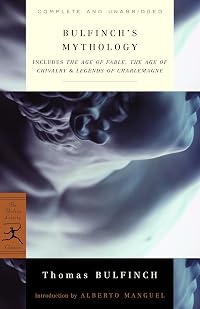
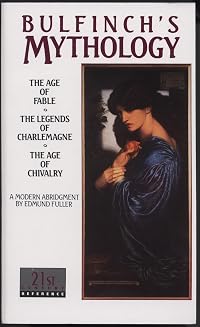
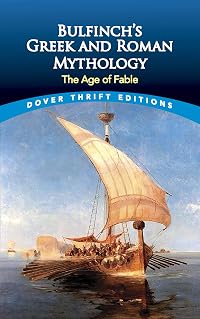
First published in three separate volumes from 1855 to 1863, Bulfinch's Mythology quickly became the standard source of classic tales from ancient Greece and Rome, the Norse tradition, and beyond. This edition contains the full text of The Age of Fable, or Stories of Gods and Heroes, the first volume of Bulfinch's seminal work. From stories of the Greek gods of Mt. Olympus to retellings of the Iliad and the Odyssey, from descriptions of mythological monsters to tales of Hindu and Egyptian show more deities, Bulfinch's versions of these classic stories bring their characters to life. Throughout the text, Bulfinch includes examples of literary interpretations of and allusions to the various stories and points out proverbial expressions that have their origins in the mythology he relates, making this a vital reference for students of literature as well as a delightfully vibrant collection of the stories that form our cultural heritage. show lessTags
Recommendations
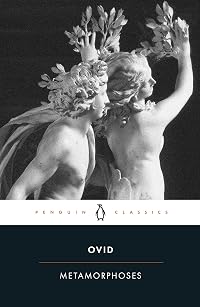

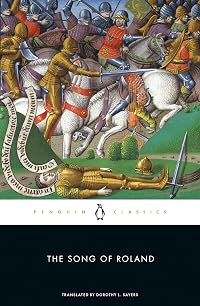


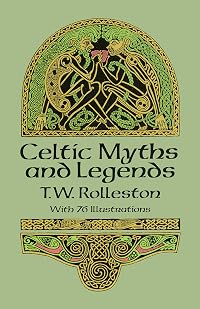









Member Recommendations

Member Reviews
If anyone thinks this is a completely comprehensive look at the mythos of the Greeks, the Norse, the Celtic, the Arthurian, the Crusades, or the Middle Ages, then you're part-way correct. It is pretty comprehensive. At least by my eye. But it's more comprehensive for the Greeks, the Arthurian legends, and the time of Charlemagne than anything else.
In fact, other than the quick and dirty tellings of the the Greek gods and heroes, with christian sensibilities intact and morals gently glossing over the good stuff, the rest of the book is pretty much knights, knights, knights, knights, knights, knights, and a few more knights for good measure.
Do you like chivalry? MUST LOVE CHIVALRY.
Don't get me wrong, I've read my fair share of all the show more Arthurian stuff and I can't find fault with what I've read here. It matches what I've read in Mallory and other sources. The Crusades, though, well I only knew a couple of tales so this was pretty interesting, assuming that I didn't get bored out of my skull by all the grand head-bashings and the fighting of the Saracens or their own allies. Honestly, I read all of this knight stuff because I've already read a lot of this knight stuff and so I can fill out what I already know, but reading this is like taking a crash course in learning yet more about a sub-genre that I never really *cared* for to begin with, except in how it informed and influenced all the greats that I *did* care for.
You know, like seeing how GRRM cribbed this or how Tolkien cribbed that.
Still. I did read all the volumes of [b:The History of the Decline and Fall of the Roman Empire Volume I|377965|The History of the Decline and Fall of the Roman Empire Volume I|Edward Gibbon|https://d.gr-assets.com/books/1352548717s/377965.jpg|14550831], so it *is* very interesting to see the crusades from the bright and shiny PoV all turned into myth instead of the grand mistake that we all know and ... um... is love too ironic a term? Will people get that I'm being completely sarcastic? Ahem. Maybe.
Still, when it came down to the parts that I was most interested in, such as the Greeks and the Norse and the Celtic, I was rather disappointed that they didn't get so much embellishment and detailed time in the page. I'll probably have to go somewhere else for the Nordic and the Celtic stuff, because it just felt like it was kinda... fast. Glossed. Big Bullet Points. They certainly didn't get much love in comparison to all the knight-shit. I mean... the grand romantic chivalry that all the men and women still swoon to.
This was a huge book, btw. Did you know that the Glossary was almost a few hundred pages? Yup. Impressive, right? Total disclosure: I skipped that. If I want to later look up a name, I'll hit up wikipedia.
:) show less
In fact, other than the quick and dirty tellings of the the Greek gods and heroes, with christian sensibilities intact and morals gently glossing over the good stuff, the rest of the book is pretty much knights, knights, knights, knights, knights, knights, and a few more knights for good measure.
Do you like chivalry? MUST LOVE CHIVALRY.
Don't get me wrong, I've read my fair share of all the show more Arthurian stuff and I can't find fault with what I've read here. It matches what I've read in Mallory and other sources. The Crusades, though, well I only knew a couple of tales so this was pretty interesting, assuming that I didn't get bored out of my skull by all the grand head-bashings and the fighting of the Saracens or their own allies. Honestly, I read all of this knight stuff because I've already read a lot of this knight stuff and so I can fill out what I already know, but reading this is like taking a crash course in learning yet more about a sub-genre that I never really *cared* for to begin with, except in how it informed and influenced all the greats that I *did* care for.
You know, like seeing how GRRM cribbed this or how Tolkien cribbed that.
Still. I did read all the volumes of [b:The History of the Decline and Fall of the Roman Empire Volume I|377965|The History of the Decline and Fall of the Roman Empire Volume I|Edward Gibbon|https://d.gr-assets.com/books/1352548717s/377965.jpg|14550831], so it *is* very interesting to see the crusades from the bright and shiny PoV all turned into myth instead of the grand mistake that we all know and ... um... is love too ironic a term? Will people get that I'm being completely sarcastic? Ahem. Maybe.
Still, when it came down to the parts that I was most interested in, such as the Greeks and the Norse and the Celtic, I was rather disappointed that they didn't get so much embellishment and detailed time in the page. I'll probably have to go somewhere else for the Nordic and the Celtic stuff, because it just felt like it was kinda... fast. Glossed. Big Bullet Points. They certainly didn't get much love in comparison to all the knight-shit. I mean... the grand romantic chivalry that all the men and women still swoon to.
This was a huge book, btw. Did you know that the Glossary was almost a few hundred pages? Yup. Impressive, right? Total disclosure: I skipped that. If I want to later look up a name, I'll hit up wikipedia.
:) show less
The definitive collection of mythology, although from a decidedly Anglo Christian perspective. It's actually interesting to ferret out the slant Bulfinch brings to a text which would benefit from a less biased perspective. It is helpful to have a basic knowledge of the myths that have informed culture, both classical and popular over the years. It's also very useful for doing crosswords.
Actual Rating: 3.75/5 stars
Review
Gosh, I loved reading these stories. They were fascinating and attention grabbing (and attention keeping). However, I do feel like this book could have been organized a bit better. Reason 1: despite a few rereads of the introductions for each section (of which, there were 3 due to 3 sections), it was occasionally hard to see how some of the stories fit under the section that they were placed under. Reason 2: Some of the stories were broken down into 2 parts (and in 2 cases, into 3 parts), and their corresponding chapters read like “Arthur” and “Arthur (Continued).” While combining these may have added to a chapter’s length, I feel like it would have been better to combine the chapters like show more these and make subheadings to differentiate sections when necessary. I’m actually giving it a 3.75 star rating because I felt like couldn’t give it a full 4 of 5 stars, and 3 stars felt too low. I did really enjoy this overall, and I do recommend it as a read. show less
Review
Gosh, I loved reading these stories. They were fascinating and attention grabbing (and attention keeping). However, I do feel like this book could have been organized a bit better. Reason 1: despite a few rereads of the introductions for each section (of which, there were 3 due to 3 sections), it was occasionally hard to see how some of the stories fit under the section that they were placed under. Reason 2: Some of the stories were broken down into 2 parts (and in 2 cases, into 3 parts), and their corresponding chapters read like “Arthur” and “Arthur (Continued).” While combining these may have added to a chapter’s length, I feel like it would have been better to combine the chapters like show more these and make subheadings to differentiate sections when necessary. I’m actually giving it a 3.75 star rating because I felt like couldn’t give it a full 4 of 5 stars, and 3 stars felt too low. I did really enjoy this overall, and I do recommend it as a read. show less
Fascinating account of myths and legends. I especially liked the ones that had Charlemagne's Paladins in them, but a lot of the stories are really crazy. For instance, Orlando falls in love with some woman, but she grows to scorn him because of this convenient fountain enchanted by Merlin that causes you to hate the people you see.
The Greco-Roman stories are great classics, including Phaeton and all those other stories of the follies and silliness of the gods. Then it has the Arthurian Legends which are also quite good.
All in all this book is excellent and should be read by people that like stories.
The Greco-Roman stories are great classics, including Phaeton and all those other stories of the follies and silliness of the gods. Then it has the Arthurian Legends which are also quite good.
All in all this book is excellent and should be read by people that like stories.
I worked my way through this thick volume over the course of a few weeks in August, wanting to take my time with it and dig in a bit. I didn't find Bulfinch's summaries all that interesting, in the end, but I suspect it will be useful to have this book around for the occasional reference need. It's certainly a handy thing to have so many different mythologies highlighted within two covers.
To round out my self-education of Ancient Greek history, along with "The Iliad" and "The Odyssey", several history and philosophy books on the period, I also obtained 2 books on mythology- Robert Graves’ "The Greek Myths" and "Bulfinch’s Mythology" written by Thomas Bulfinch.
Although Bulfinch’s work has been described as “one of the most popular books ever published in the United States and the standard work on classical mythology for nearly a century”, I found it lacking in my particular area of interest. Of the Modern Library edition’s 857 pages, approximately 285 are dedicated purely to Greek mythology. The book also includes a vast range of other myths including a section on Hindu myths and Beowulf, several hundred show more pages on the Age of Chivalry (King Arthur, Lancelot, Tristram and Isoude), plus the adventures of Robin Hood. Bullfinch also provides several hundred pages on the Legends of Charlemagne.
Bulfinch uses the Latin/Roman names for Gods and Goddesses rather than the traditional Greek names, hence: Venus rather than Aphrodite, Ulysses rather than Odysseus, and Jupiter rather than Zeus, etc., etc. And if the reader has little previous knowledge of mythology, it appears unorganized and confusing. Bulfinch writes brief descriptions of various Gods and Goddesses, moving through time at a brisk pace, sharing anecdotes of interest, but he makes little sense of how the stories tie together. Also somewhat confusing, there are so many immortals, it boggles the mind how they all relate to one another.
Robert Graves’ "The Greek Myths" is also a book of great length. There are 782 pages plus a lengthy introduction… all narrowly limited to the Greek myths. Here you will find a lot more detail about each of the Gods and Goddesses, and the nice thing about Grave’s approach is that the immortals are introduced as they are born. He begins with the 4 original mythical variations.. introducing each God and Goddess as they enter the immortal world, providing details about their birthright, their nature, and their deeds. 50 pages are dedicated to explaining how the signs of the Zodiac evolved from the 12 labors of Heracles. Over 100 pages relate to the lives of the participants of the Trojan War- it’s causes, the outcome, and finishing with Odysseus’s return home from Troy to his native land of Ithaca.
Differing from Bulfinch’s Latin version, Graves uses the traditional names for all Gods and Goddesses. This coincides nicely with my editions of "The Iliad" and "The Odysseus" translated by Robert Fitzgerald which- unlike many other popular translations- also uses the more familiar Greek names.
In conclusion, if you are looking for general data on all myths throughout the ages, you might prefer "Bulfinch’s Mythology". Rated 3 Stars.
If you are strictly looking for information on Greek Mythology, go for Robert Graves‘ "The Greek Myths". Rated 5 Stars. show less
Although Bulfinch’s work has been described as “one of the most popular books ever published in the United States and the standard work on classical mythology for nearly a century”, I found it lacking in my particular area of interest. Of the Modern Library edition’s 857 pages, approximately 285 are dedicated purely to Greek mythology. The book also includes a vast range of other myths including a section on Hindu myths and Beowulf, several hundred show more pages on the Age of Chivalry (King Arthur, Lancelot, Tristram and Isoude), plus the adventures of Robin Hood. Bullfinch also provides several hundred pages on the Legends of Charlemagne.
Bulfinch uses the Latin/Roman names for Gods and Goddesses rather than the traditional Greek names, hence: Venus rather than Aphrodite, Ulysses rather than Odysseus, and Jupiter rather than Zeus, etc., etc. And if the reader has little previous knowledge of mythology, it appears unorganized and confusing. Bulfinch writes brief descriptions of various Gods and Goddesses, moving through time at a brisk pace, sharing anecdotes of interest, but he makes little sense of how the stories tie together. Also somewhat confusing, there are so many immortals, it boggles the mind how they all relate to one another.
Robert Graves’ "The Greek Myths" is also a book of great length. There are 782 pages plus a lengthy introduction… all narrowly limited to the Greek myths. Here you will find a lot more detail about each of the Gods and Goddesses, and the nice thing about Grave’s approach is that the immortals are introduced as they are born. He begins with the 4 original mythical variations.. introducing each God and Goddess as they enter the immortal world, providing details about their birthright, their nature, and their deeds. 50 pages are dedicated to explaining how the signs of the Zodiac evolved from the 12 labors of Heracles. Over 100 pages relate to the lives of the participants of the Trojan War- it’s causes, the outcome, and finishing with Odysseus’s return home from Troy to his native land of Ithaca.
Differing from Bulfinch’s Latin version, Graves uses the traditional names for all Gods and Goddesses. This coincides nicely with my editions of "The Iliad" and "The Odysseus" translated by Robert Fitzgerald which- unlike many other popular translations- also uses the more familiar Greek names.
In conclusion, if you are looking for general data on all myths throughout the ages, you might prefer "Bulfinch’s Mythology". Rated 3 Stars.
If you are strictly looking for information on Greek Mythology, go for Robert Graves‘ "The Greek Myths". Rated 5 Stars. show less
Fun Read! Really three books in one volume. The first is a synopsis of various greek and roman myths as one may need to understand certain renaissance and forward references. The second is a statement of the Arthurian romances. As one who has only encountered those in films, it was good to get something closer to the original flavor of those. And the last was a series of related, yet separate myths of Wales. All in all quite a fun read. I kept having visions of adapting them into animated web shorts...
(2016 Review #2)
(2016 Review #2)
Members
- Recently Added By
Lists

Works with inappropriate subject headings on LibraryThing
35 works; 5 members

Mind Expanding Books by hackerkid
581 works; 8 members

Before Austen Comes Aesop
318 works; 9 members

Mustich's 1000 Books to Read Before You Die: A Life Changing List
1,001 works; 19 members

Books in Riverdale
123 works; 3 members

School Made Us Read It
380 works; 196 members
Author Information

54+ Works 14,704 Members
Some Editions
Awards and Honors
Series

Belongs to Publisher Series
Work Relationships
Contains
Common Knowledge
- Canonical title
- Bulfinch's Mythology
- Alternate titles
- Bulfinch's Mythology: The Age of Fable, The Age of Chivalry, Legends of Charlemagne
- Original publication date
- 1855 (The Age of Fable) (The Age of Fable); 1858 (The Age of Chivalry) (The Age of Chivalry); 1863 (Legends of Charlemagne) (Legends of Charlemagne); 1881
- People/Characters
- Zeus; King Arthur (Legendary character); Atalanta (Mythological figure); Aeolus; Aeneas (Mythological figure); Acontius (show all 979); Acrisius; Actaeon; Admeta; Admetus; Adonis (Mythological figure); Adrastus; Aeacus; Aeëtes; Aegeus; Aegisthus; Astyanax; Aethiopians; Aeson; Aethra; Agamedes; Agamemnon; Agave; Agenor; Aglaia; Agni; Agramante; Agrican; Agrivain; Ahriman; Ajax (Mythological figure); Alcestis; Alcina; Alcinous; Alcmena; Alcuin; Alecto; Alexander the Great; Alice (mother of Huon and Girard); Alphenor; Alpheus; Althaea; Amalthea; Amata; Amaury of Hauteville; Ammon; Amphiaraus; Amphion; Amphitrite; Ampyx; Amymone; Anaxarete; Anbessa; Anceus; Anchises; Andraemon; Andret; Andromache; Andromeda; Aneurin; Angelica (Princess of Cathay); Angerbode; Antaeus; Antea; Anteros; Anthor; Antigone; Antilochus; Antiope; Anubis; Aphrodite; Apis; Apollo; Boreas; Arachne (Mythological figure); Arcas; Ares; Arethusa; Argius; Argo (Mythological figure); Argus; Ariadne (Mythological figure); Arion; Aristaeus; Arridano; Artemis; Arthgallo; Aruns; Ashtaroth; Aske; Astolpho of England; Astraea; Astyages; Ate; Athamas; Athena; Athor; Atlantes; Atlas; Atropos; Audhumbla; Augeas; Augustus Caesar; Aurora; Autumn; Avicenna; Aya; Aymon; Baal; Bacchus; Bagdemagus; Baldur; King Ban; Baucis; Beal; Bedivere; Bedwyr; Bellerophon (Mythological horse); Bellona; Belus; Bendigeid Vran; Beowulf; Beroe; Bertha; Bladud; Blamor; Bleoberis; King Bohort; Bona Dea; Bruhier, sultan of Arabia; Bradamante; Brademagus; Bragi; Brahma; Branwen; Brengwain; Brennus; Breuse; Briareus; Brice; Briseis; Britto; Brunello; Brutus; Bryan; Buddha; Cacus; Cadmus; Cadwallo; Julius Caesar; Calchas; Calliope; Callisto; Calypso; Camber; Camilla; Capaneus; Hugh Capet, King of France; Caradoc Briefbras; Carahue; Cassandra (Mythological figure); Cassibellaunus; Cassiopeia (Mythological figure); Cebriones; Cecrops; Celeus; Benvenuto Cellini; Cephalus; Cepheus; Cerberus; Chaos; Charlemagne; Ceres; Charles Martel; Charlot; Charon; Charybdis; Chimaera; Chiron; Chryseis; Cimon; Circe; Clarimunda; Clio; Cloridan; Clotho; Clymene; Clytemnestra (Mythological figure); Clytie; St. Columba; Conan; Constantine; Cordeilla; Corineus; Creon; Creusa; Crocale; Cronos; Cumaean Sibyl (seeress of Cumae); Cupid; Cymbeline; Cyrene; Daedalus (Mythological figure); Daguenet; Dalai Lama; Danae; Daphne (Mythological figure); Dardanus; Dardinel; Day; Deiphobus; Dejanira; Demodocus; Deucalion; Dictys; Didier; Dido; Diomede; Dione; Dirce; Doris; Dryope; Dubricius; Dudon; Dunwallo Molmutius; Echo (Nymph); Ederyn; Egeria; Electra (Mythological figure); Eliaures; Elidure; Elli; Elphin; Embla; Enceladus; Endymion (Mythological figure); Enid; Enoch; Epimetheus; Erato; Erbin of Cornwall; Erebus; Erinys; Eriphyle; Eris; Erisichthon; Estrildis; Eteocles; Eude; Eumaeus; Euphorbus; Euphrosyne; Europa (Mythological figure); Eurus; Euryalus; Eurydice (Mythological figure); Eurylochus; Eurynome; Eurystheus; Eurytion; Euterpe; Evadne; Evander; Fafner; Evnissyen; Falerina; Faunus; Favonius; Fenris; Ferragus; Ferrau; Ferrex; Freki; Flora; Flordelis; Florismart; Francus; Freyr; Freya; Frigga; Gahariet; Gaheris; Galafron; Galahad; Galatea (Mythological figure); Galen; Gallehaut; Gan; Ganelon of Mayence; Gano; Ganymede (Mythological figure); Gareth; Gaudisso; Gawain; Gawl; Genghis Khan; Geoffrey of Monmouth; Geraint; Gerda; Geryon; Gesnes; Gildas; Girard; Glaucus; Glewlwyd; Goneril; Gordius; Gorlois; Gouvernail; Gradasso; Grendel; Guendolen; Guinevere; Guerin; Guiderius; Guillamurius; Guimier; Gunfasius; Gwern; Gwernach; Gwiffert Petit; Garanhir Gwyddno; Gwyr; Hades; Haemon; Halcyone; Harmonia; Haroun al-Raschid; Harpocrates; Hebe; Hecate; Hector (Arthurian knight); Hector (champion of Troy); Hector de Marys; Hecuba; Heimdall; Hela; Helen; Helenus; Helle; Hengist; Hephaestus; Hera; Hercules; Hermes; Hermione; Hermod; Hero; Hestia; Hesiod; Herodotus; Hippodamia; Hippolyta (Mythological figure); Hippolytus (Mythological figure); Hippomenes; Histion; Hodur; Hoel; Homer; Horsa; Hrothgar; Hugi; Huon; Hyacinthus; Hyale; Hygeia; Hylas; Hymen; Hyperion; Hyrieus; Prince of Hyrcania; Iapetus; Iasius; Ibycus; Icarius; Icarus (Mythological figure); Icelos; Iphigenia (Mythological figure); Idas; Igerne; Ilioheus; Imogen; Inachus; Indra; Ino; Io; Iobates; Iphis; Iphitus; Iris; Ironside; Isabella; Isis; Japetus; Isolier; Isoude; Iulus; Ivo; Ixion; Janus; Jason [Argonaut]; Java; Jocasta; Joseph of Arimathea; Juggernaut; Themis; Kadyriath; Kai; Kalki; Kay; Kedalion; Kicva, daughter of Gwynn Gloy; Kilwich, son of Kilydd; Kilydd, son of Prince Kelyddon; Krishna; Kyner, father of Kay; Kynon; Lachesis; Laertes; Laius; Lampetia; Laocoon (a priest of Poseidon); Laodamia; Laodegan; Laomedon; Latinus; Latona; Lancelot du Lac; Lausus; Lavinia; Leander; Leda (Mythological figure); Leir; Leo I; Leucothea; Louis the Pious; Liber; Lichas; Earl of Limours; Linus; Lionel; Llyr; Locrine; Logestilla; Logi; Loki; Lot; Lotis; Lucan; Lucius Tyberius; King Lud; Luned; Lycaon; Lycomedes; Lycus; Lynceus; Mabon; Machaon; Madan; Madoc; Mador, a Scottish knight; Maelgan, king who imprisoned Elphin; Mahadeva; Mahomet; Maia; Malagigi the Enchanter; Maleagans, a false knight; Malvasius, King of Iceland; Mambrino; Manawyddan, brother of King Vran; Mandricardo; King Mark; Marphisa, sister of Rogero; Marsilius, Spanish king; Marsyas; Medea; Medoro; Medusa (Mythological figure); Megaera; Melampus; Melanthus; Meleager; Meliadus, King of Lionesse; Melicertes; Melissa; Melisseus; Melpomene; Memnon; Menelaus (Mythological figure); Menoeceus; Mentor (Mythological figure); Merlin; Merope; Metabus; Metanira; Mezentius; Metis; Midas (Mythological figure); Midgard Serpent (Mythological figure); Milo; Milon; Minos; Mnemosyne; Modred; Momus; Month; Moraunt; Morgan le Fay; Morgan Tud; Morpheus; Musaeus; Abdalrahman; Absyrtus; Acestes; Acetes; Achates; Achelous; Achilles (Mythological figure); Acis; Aesculapius; Alberich; Alcides; Alcippe; Aldrovandus; Alfadur; Amazons; Aquilo; Argonauts; Arimanes; Ahriman; Arimaspians; Asuias; Athene; Dionysus; Aquilo; Diana; Basilisk; Cockatrice; Bayard; Bedver; Bootes; Brigliadoro; Brunhild; Camenae; Castor; Pollux; Cavall; Centaurs; Demeter; Ceyx; Ciconians; Cimbri; Corybantes; Cranes of Ibycus; Saturn; Cuchulain; Culdees; Eros; Curoi of Kerry; Cybele; Rhea; Cyclopes; Danaides; Danaus; Dawn; Hesperus; Dioscuri; Dis Pater; Discordia; Dorceus; Gaea; Ebudians; Ecklenlied; Egena; Elves; Epimetheus; Epopeus; Aryx; Etzel; Eumenides; Fasolt; Fauns; Ferragus; Flosshilde; Frey; Fricka; Froh; Frontino; Gautama Buddha; Gibichungs; Graeae; Grand Lama; Gryphon; Griffins; Guebers; Gullinbursti; Gulltopp; Ganther; Gutrune; Hagan; Hamadryads; Harpies; Horus; Heidrun; Heliades; Hereward the Wake; Vulcan; Juno; Mercury; Hesperides; Vesta; Hildebrand; Hippogriff; HOUDAIN; Hunding; Hyades; Hydra; Hyperboreans; Idaeus; Incubus; Iolaus; Iole; Jove; Jupiter; Jupiter Ammon; Kneph; Knights; Kriemhild; Laestrygonians; Lapiths; Lares; Lebadea; Lebynthos; Lycahas; Lotus-Eaters; Magi; Manu; Matsya; Midgard Serpent; John Milton; Mime; Minerva; Minotaur; Monsters; Morgana; Mulciber; Munin; Muses; Myrddinn; Myrmidons; Naiads; Duke Namo; Nanna; Nanters; Nape; Narcissus; Nausicaa; Nausithous; Negus; Nemean Lion; Nemesis; Nennius; Neoptolemus; Nephele; Nephthys; Neptune; Nereids; Nereus; Nessus; Nestor; Nibelungs; Nidhogge; Niobe; Nisus; Noah; Noman; Norns; Notus; Nox; Numa; Nymphs; Oceanus; Ocyroe; Oderic; Odin; Odyar; Odysseus; Oedipus; Oeneus; Oenopion; Ogier; Oliver; Olwen; Omphale; Ophion; Oracles; Orc; Oreads; Orestes; Orion; Orithyia; Orlando; Ormuzd; Orpheus; Osiris; Ossian; Ovid; Owain; Ozanna; Pactolus; Paeon; Pagans; Paladins; Palaemon; Palamedes (messenger sent to call Ulysses to the Trojan War); Palamedes (prince at arthur's court); Pales; Palinurus; Pallas; Pallas Athena; Pan; Pandora; Pandrasus; Panthus; Paphos; Parcae; Pariahs; Paris; Parsees; Passebreul; Patroclus; Pecheur; Pegasus; Peleus; Palias; Penates; King Pendragon; Peneus; Penthesilea; Pentheus; Pepin; Perceval; Perdix; Periander; Periander; Periphetes; Persephone; Perseus; Phaeacians; Phaethusa; Phaeton; Phantasos; Phaon; Phelot; Pheredin; Phidias; Philemon; Philoctetes; Phineus; Pinabel; Phryxas; Phoebe; Phoebus Apollo; Phoenix; Phorbas; Pindar; Pirithous; Pleasure; Pleiades; Plexippus; Pliny; Pluto; Plutus; Polites; Polydectes; Polydore; Polyhymnia; Polyidus; Polynices; Polyphemus; Polyxena; Pomona (Nymph); Porrex; Ferrex; Poetunus; Poseidon; Prester John; Priam (Mythological figure); Procris; Procrustes; Proetus; Prometheus; Proserpine; Protesilaus; Proteus; Prudence; Pryderi; Psyche; Pwyll; Pygmalion (Mythological figure); Pylades; Pyramus; Pyrrha; Pyrrhus; Pythagoras; Pythia; Pythian Oracle; Python; Quirinus; Rabican; Rajputs; Regan; Reggio; Remus; Rhadamanthus; Rhapsodist; Rhea; Rhoecus; Rhiannon; Rinaldo; Robert de Beauvais; Robin Hood; Rodomont; Rogero; Roland; Romanus; Romulus (Mythological figure); Ryence; Sabra; Sacripant; Saffire; Sagramour; Sakyasinha; Salamander; Salmoneus; Salomon; Samson; Sappho; Saracens; Sarpedon; Saturn; Satyrs; Scalier; Schrimnir; Scopas; Scylla (Mythological figure); Semele; Semiramis; Senapus; Serapis; Serfs; Sevinus; Shatriya; The Lady of Shalott; Sherasmin; Sibyl; Sichaeus; Siegfried; Sieglinda; Sigmund; Sigtryg; Siguna; Silenus; Silvius; Simonides; Sinon; Sirius; Sisyphus; Siva; Skalds; Skirnir; Skrymir; Skuld; Sleep; Sleipnir; Sobrino; Somnus; Sophocles; Sphinx; Strophius; Sudras; Surtur; Surya; Svadilfari; Leda (Mythological figure); Sylvanus; Syrinx; Tacitus; Tantalus; Taliesin; Tarchon; Sextus Tarquinius; Telamon; Telemachus (Mythological figure); Tellus; Telamon; Telemechus; Tellus; Terminus; Terpsichore; Terra; Tethys; Teucer; Thalia; Thamyris; Thaukt; Themis; Theodora; Theron; Thersites; Thescelus; Theseus; Thestius; Thetis; Thialfi; Thisbe; Thor; Thrym; Thucydides; Father Tiber; Tiresias; Tisesias; Tisiphone; Titans; Tithonus; Tityus; Tmolus; Tortoise; Toxeus; Tripolemus; Tristram; Triton; Oracle of Trophonius; Troubadours; Trouvers; Turnus; Turpin; Turquine; Typhon; Tyr; Tyrians; Tyrrheus; Uberto; Ulysses; Unicorn; Urania; Utgard Loki; Uther Pendragon; Uwaine; Vaissyas; Valkyrie; Ve; Venus; Vertumnus; Vesta; Vestals; Vili; Virgil; Vishnu; Viviane; Volscens; Vortigern; Vulcan; Vyasa; Wellgunda; Woden; Woglinda; Wood Nymphs; Wotan; Ymir; Ynywl; Yserone; Yspa Da Den Penkawr; Zendavesta; Zephyrus; Zerbino; Zetes; Zethus; Zoroaster
- Important places
- Mount Olympus, Greece; Abaton; Wiltshire, England, UK; Aeaea; Aegean Sea; Aegina, Greece (show all 219); Aetna, Siciliy, Italy; Alba River; Alba Longa; Alfheim; Amphyrsos River; Anglesey, Wales, UK; Aquitaine, France; Arcadia; Forest of Arden; Argolis; Argos, Greece; Asgard; Asia; Athens, Greece; Athos; Atlantis; Mount Atlas; Attica, Greece; Augean stables; Aulis; Avalon; Mount Aventine; Lake Avernus, Campania, Italy; Aberfraw; Abydos on the Hellespont; Mount Abyla; Albracca; Apennines, Marche, Italy; Argos, Greece; Armorica; Babylonian River; Bifrost; Boeotia, Greece; Bosphorus; Broceliande; Byrsa; Byblos; Caicus; Calais, Pas-de-Calais, Hauts-de-France, France; Calpe; Calydon; Camelot; Camlan; Canterbury, Kent, England, UK; Carthage; Castalian Cave; Mount Caucasus; Cayster; Cephisus; Chios, Greece; Cimmeria; Mount Cithaeron, Greece; Cnidos; Cocytus; Colchis; Colophon; Cornwall, England, UK; Crete, Greece; Crotona; Cyane; Cynthian; Cyprus; Delos; Delphi, Greece; Demeha; Dia; Temple of Diana; Dodona; Eleusis; Elis, Greece; Elysian Fields; Elysian Plain; Elysium; Enna, Sicily, Italy; Epidaurus; Epirus; Eridanus; Erytheia; Esepus; Euboic Sea; Fensalir; Fortunate Islands; Forum Romanum, Rome, Italy; Ganges River, India; Gaul; Gibraltar; Glastonbury, Somerset, England, UK; Gyoll; Haemonia; Mount Maemus; Hel; Mount Helicon, Boeotia, Greece; Heliopolis, Egypt; Hellas; Hellespont; Hesperia; Hippocrene; Hymettus; Hyrcania; Icaria, Greece; Icolumkill; Mount Ida; Ilium; Illyria; Iona, Argyll and Bute, Scotland, UK; Ionia; Ismarus; Ithaca, Greece; Janiculum, Rome, Italy; Jotunheim; Joyous Gard; Desert of Kerman; Labyrinth; Mount Latmos; Lavinium; Lethe; Leucadia; Libethra; Libya; Libyan Desert; Limours; Ludgate; Lycia, Turkey; Maeonia; Mantua, Lombardy, Italy; Marathon, Greece; Meander; Memphis, Egypt; Midgard; Milky Way; Montalban; Mull; Muspelheim; Mycenas; Mysia; Nantes; Naxos; Nemea; Niffleheim; Nile River, Egypt; Mount Oeta; Olympia, Greece; Ossa; Palatine; Plain of Panope; Paphlagnia; Parnassus; Parthenon; Palion; Philoe; Phlegethon; Phocis; Pillars of Hercules; Pindus; Pirene; Po River; Regillus; Rhine; Rhodes, Greece; Rhodope; River Ocean; Rockingham; Rome, Italy; St. Michael's Mount; Salamis; Samos; Saturnia; Scandinavia; Scheria; Scio; Scyros; Scythia; Seriphus; Sestos; Severn River; Silures; Sparta; Stonehenge; Stygian Realm; River Styx; Sutri; Sybaris; Symplegades; Taenarus; Tagus; Tanais; Tarentum; Tarpeian Rock; Taurus; Tauris; Tartarus; Tenedos; Thebes; Theseum; Thessaly; Thrace; Thrinakia; Tiber River; Tigris River; Tintadel; Troezen; Trojanova; Troy; Tyre; Usk; Utgard; Valhalla; Venedotia; Mount Vesuvius; Vigrid; Yama; Ygdrasil; York
- Important events
- Siege of Albracca; Bacchanalia; Battle of Badon; Beltane; Battle of Camlann; Eisteddfod (show all 21); Eleusinian Mysteries; Elvidnir; Isthmian Games; Nemean Games; Olympiads; Olympian Games; Panathenaea; Pythian Games; Ragnarok; Battle of Ronces Valles; Samhin; Saturnalia; Battle of Tours; Trojan War; Fall of Troy
- First words
- If no other knowledge deserves to be called useful but that which helps to enlarge our possessions or to raise our station in society, then mythology has no claim to the appellation. (Preface)
The religions of ancient Greece and Rome are extinct. (Chapter One) - Last words
- (Click to show. Warning: May contain spoilers.)There, in company with the great King Arthur of Britain, he still lives, and when his illustrious friend shall return to resume his ancient reign, he will doubtless return with him, and share his triumph.
(Click to show. Warning: May contain spoilers.)They took and fired Saragossa, and Marseilles was hung to the carob-tree under which he had planned his villainy with Gan; and Gans was hung and drawn and quartered in Roncesville, amidst the execrations of the country. - Original language
- English
- Canonical DDC/MDS
- 398.2
- Canonical LCC
- BL310
- Disambiguation notice
- Bulfinch's Mythology usually contains three subsidiary works: The Age of Fable (Myths of Greece and Rome with an additional section on Norse myths), The Age of Chivalry or Legends of King Arthur, and The Legends of Charlemagn... (show all)e. But not all books circulating under this title do.
Classifications
Statistics
- Members
- 7,025
- Popularity
- 1,679
- Reviews
- 35
- Rating
- (3.96)
- Languages
- English, German, Italian
- Media
- Paper, Audiobook, Ebook
- ISBNs
- 90
- UPCs
- 1
- ASINs
- 133