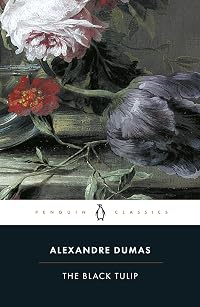
The Black Tulip
by Alexandre Dumas
On This Page
Description
Craving some first-rate historical fiction? Slip into this tale of intrigue and romance from Alexandre Dumas (pere), who is regarded by critics as one of the masters of the genre. In The Black Tulip, turmoil befalls the Dutch aristocracy and the nation struggles to regain its international standing. An unusual horticulture prize is devised as a way to channel the country's attention toward something positive, and an unlikely romance blossoms as a result..
Tags
Recommendations





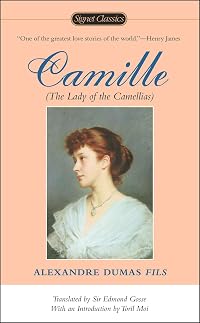
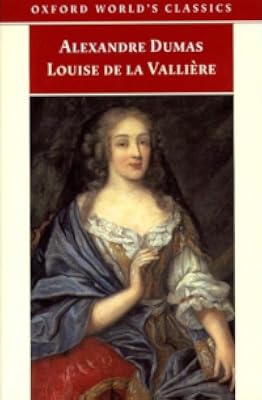

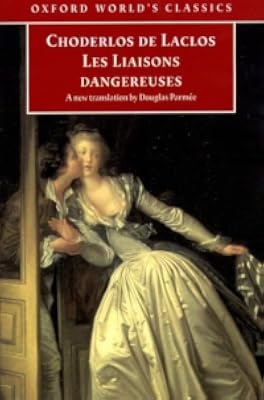

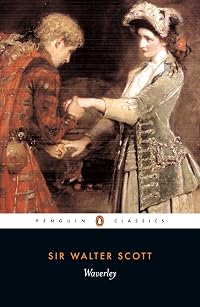
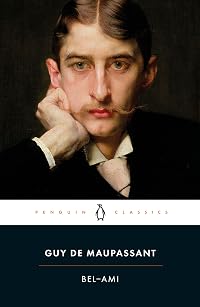
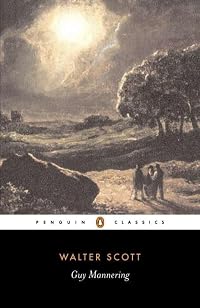
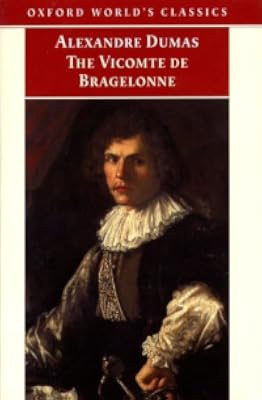

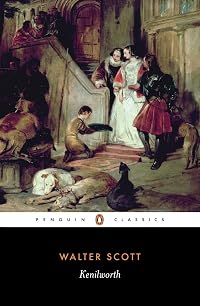
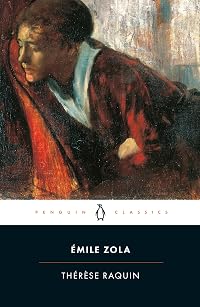
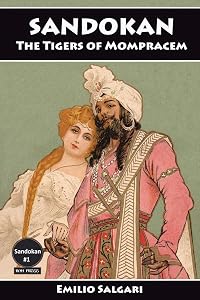

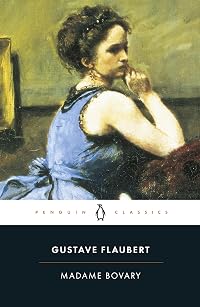
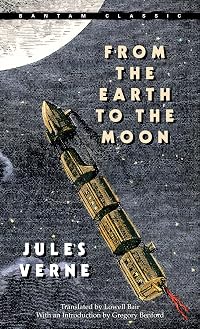

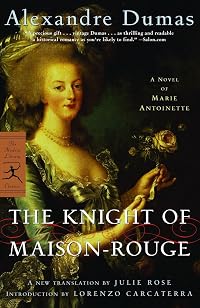


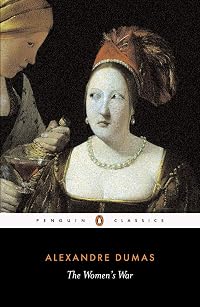
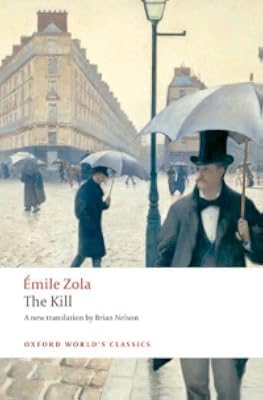
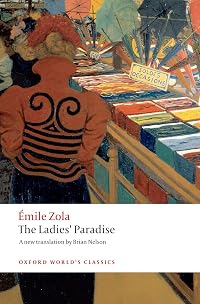


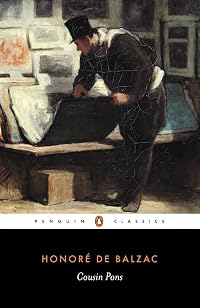

Member Recommendations
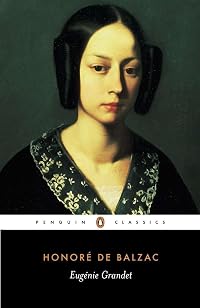
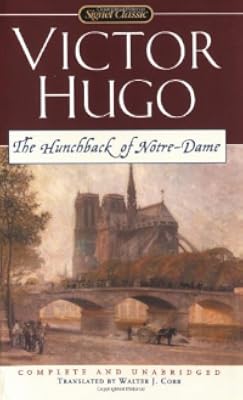
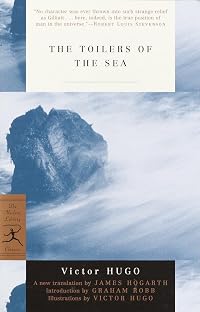
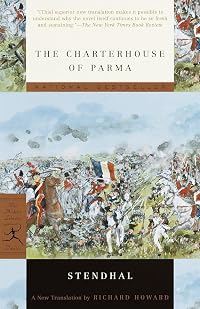
2below These stories share some key themes and plot elements. It's not nearly as epic as The Count of Monte Cristo but makes for an interesting comparison.
Member Reviews
This was the first book I ever fell in love with as a young teenager, and the first to keep me awake all night reading it. So it has always had a special place in my heart. Reading it again thirty-five years later, I can see why I loved it so much, as it's got everything a dramatically inclined teenager could possibly want: passion; intrigue, wrongful imprisonment; romantic love; and a wonderfully happy ending. Honour is salvaged, the baddie gets his comeuppance and love conquers all. Oh, and all this with tulips too!
Yes, its old-fashioned way of being written takes some getting used to these days, but hey it's all part of the charm. And Dumas has a definite knack of making you want to read on. A wonderful revisiting of my past, all in all.
Yes, its old-fashioned way of being written takes some getting used to these days, but hey it's all part of the charm. And Dumas has a definite knack of making you want to read on. A wonderful revisiting of my past, all in all.
The Black Tulip is a story of politics, brutality, greed, jealousy, horticulture, and young love. Cornelius van Baerle, a wealthy young man whose life is absorbed by his passion for tulips, has the misfortune to be caught up in the political events that led to the violent death of his godfather, Cornelius De Witt, in 1672. The young Cornelius's imprisonment interrupts his cultivation of a rare black tulip, worth 100,000 guilders to the first person who succeeds in producing one. With the help of his jailer's young daughter, Rosa, Cornelius secretly continues his tulip experiment and, in the process, falls in love with his young assistant. Will the young lovers succeed against all odds, or are both the experiment and their love doomed to show more fail?
More than anything, this story reminded me of the biblical book of Esther, with the young Cornelius in the role of Mordecai, Rosa in the role of Esther, William, Prince of Orange in the role of King Ahasuerus, and Cornelius's envious and bitter neighbor, Isaac Boxtel, as Haman. My suspense grew as I hoped the story would end as happily as the book of Esther, but feared that it would not.
I listened to the audio version of this book while I was on the road. It turned out to be well suited for listening while driving. Since the book originally appeared serially, the beginning of each chapter briefly summarized the events of the preceding chapter. When characters from earlier chapters reappeared several chapters later, the author included brief reminders of what the characters were doing when they last appeared in the story. I miss the occasional passage when road conditions require intense concentration, so I appreciated the brief reminders of characters and events interspersed throughout the story. Had I read the book instead of listening to it, I might have viewed those same features as interrupting the flow of the story.
Recommended for readers of historical fiction, classics, and gardening enthusiasts. show less
More than anything, this story reminded me of the biblical book of Esther, with the young Cornelius in the role of Mordecai, Rosa in the role of Esther, William, Prince of Orange in the role of King Ahasuerus, and Cornelius's envious and bitter neighbor, Isaac Boxtel, as Haman. My suspense grew as I hoped the story would end as happily as the book of Esther, but feared that it would not.
I listened to the audio version of this book while I was on the road. It turned out to be well suited for listening while driving. Since the book originally appeared serially, the beginning of each chapter briefly summarized the events of the preceding chapter. When characters from earlier chapters reappeared several chapters later, the author included brief reminders of what the characters were doing when they last appeared in the story. I miss the occasional passage when road conditions require intense concentration, so I appreciated the brief reminders of characters and events interspersed throughout the story. Had I read the book instead of listening to it, I might have viewed those same features as interrupting the flow of the story.
Recommended for readers of historical fiction, classics, and gardening enthusiasts. show less
3.5 rounded up.
Nothing makes me feel like a youngster again quite like reading Dumas. He is a consummate storyteller and when you are reading the story is everything, you are immersed in it, you are suffering the confinement and the injustice and the suspense. The romance is necessary, but not terribly realistic, but then Dumas’ strength is action and it is his male characters who seize and keep your interest. Nobody watched Errol Flynn movies to see the fainting heroine...she was his prop.
This degree of fervor over a tulip might seem extreme, but it is, in fact, based on the history of the time. Holland had tulip fever that amounted to a mania. Dumas certainly put this to good use in his plot development and the creation of the show more fanatic, Boxtel.
A fun read for me and just right for reading between tasks at this time of year. show less
Nothing makes me feel like a youngster again quite like reading Dumas. He is a consummate storyteller and when you are reading the story is everything, you are immersed in it, you are suffering the confinement and the injustice and the suspense. The romance is necessary, but not terribly realistic, but then Dumas’ strength is action and it is his male characters who seize and keep your interest. Nobody watched Errol Flynn movies to see the fainting heroine...she was his prop.
This degree of fervor over a tulip might seem extreme, but it is, in fact, based on the history of the time. Holland had tulip fever that amounted to a mania. Dumas certainly put this to good use in his plot development and the creation of the show more fanatic, Boxtel.
A fun read for me and just right for reading between tasks at this time of year. show less
Who would have thought that a book about growing tulips could be so exciting? And yet Alexandre Dumas managed to write a compelling page turner based on that very subject. Dumas became one of my favourite authors a few years ago when I read The Count of Monte Cristo and The Three Musketeers but I had not read any of his lesser-known works until now. I regret not reading The Black Tulip sooner because I enjoyed it almost as much as the two books I've just mentioned.
The book is set in seventeenth century Holland and begins with the violent murders of John and Cornelius De Witt, suspected of conspiring against the young Stadtholder, William of Orange. Our hero is the fictional godson of Cornelius De Witt, who is also called Cornelius. show more Cornelius Van Baerle is a keen tulip-fancier whose biggest goal in life is to produce the world's first black tulip. However, Van Baerle is not the only tulip-grower in the race for the Grand Black Tulip – and his rival Isaac Boxtel will stop at nothing to get there first!
The first few chapters put the novel in historical context and will be slightly challenging to anyone like myself, who doesn't have much knowledge of Dutch history, but if you read carefully and refer to the notes it's easy enough to follow. As soon as Dumas finishes setting the scene, the story explodes into action and never stops until the final page, taking us on a journey through the full range of human emotions – love, hatred, greed, loyalty, jealousy and obsession.
Rosa, the only female character in the book, is a jailer's daughter who falls in love with Cornelius and finds herself having to compete with the tulip for his affections. Despite making a few remarks of the "I am but a woman" variety she is otherwise a strong and quick-thinking character who does what she knows is right, even if it means going against the wishes of Cornelius or her father. The starring role in the story, though, goes to the elusive black tulip itself.
As you might have guessed, I really loved this book. If you enjoyed The Count of Monte Cristo there's a good chance that you'll like this one too, as it's very similar in writing style, pace and even several plot elements. It could almost be described as a shorter, less epic, less complex version of The Count. Highly recommended. show less
The book is set in seventeenth century Holland and begins with the violent murders of John and Cornelius De Witt, suspected of conspiring against the young Stadtholder, William of Orange. Our hero is the fictional godson of Cornelius De Witt, who is also called Cornelius. show more Cornelius Van Baerle is a keen tulip-fancier whose biggest goal in life is to produce the world's first black tulip. However, Van Baerle is not the only tulip-grower in the race for the Grand Black Tulip – and his rival Isaac Boxtel will stop at nothing to get there first!
The first few chapters put the novel in historical context and will be slightly challenging to anyone like myself, who doesn't have much knowledge of Dutch history, but if you read carefully and refer to the notes it's easy enough to follow. As soon as Dumas finishes setting the scene, the story explodes into action and never stops until the final page, taking us on a journey through the full range of human emotions – love, hatred, greed, loyalty, jealousy and obsession.
Rosa, the only female character in the book, is a jailer's daughter who falls in love with Cornelius and finds herself having to compete with the tulip for his affections. Despite making a few remarks of the "I am but a woman" variety she is otherwise a strong and quick-thinking character who does what she knows is right, even if it means going against the wishes of Cornelius or her father. The starring role in the story, though, goes to the elusive black tulip itself.
As you might have guessed, I really loved this book. If you enjoyed The Count of Monte Cristo there's a good chance that you'll like this one too, as it's very similar in writing style, pace and even several plot elements. It could almost be described as a shorter, less epic, less complex version of The Count. Highly recommended. show less
I will confess to buying this book purely for the artwork on the limited edition hardback produced by Waterstones in Amsterdam last year! Only 2000 copies of the gorgeous cover design by Coralie Bickford-Smith were produced, which is possibly why I can't find the right edition on Librarything.
And thanks to the title, and a synopsis of a film with the same name starring Alain Delon from 1964, I thought the story would be something like The Scarlet Pimpernel. Nope, it's literally about a black tulip. That said, I did enjoy the decidedly Orczy-ish characters and plot, and was found myself cheering Cornelius and Rosa on, even though I knew that justice would triumph in the end. Dumas got a lot wrong with his research, according to the show more notes, but I also found the history of Holland and the cultivation of tulips very interesting too!
The first chapter can be overwhelming - I had to start over a couple of times before finally getting into the story - but this was a short and sweet detour into seventeenth century history. show less
And thanks to the title, and a synopsis of a film with the same name starring Alain Delon from 1964, I thought the story would be something like The Scarlet Pimpernel. Nope, it's literally about a black tulip. That said, I did enjoy the decidedly Orczy-ish characters and plot, and was found myself cheering Cornelius and Rosa on, even though I knew that justice would triumph in the end. Dumas got a lot wrong with his research, according to the show more notes, but I also found the history of Holland and the cultivation of tulips very interesting too!
The first chapter can be overwhelming - I had to start over a couple of times before finally getting into the story - but this was a short and sweet detour into seventeenth century history. show less
This is an enjoyable little book, with a lively female main character. I thought at first that the tulip grower Cornelius was going to be the main focus of hte book but in fact Rosa the jailers daughter completely steels the limelight. It is Rosa who is the active force for most of hte book, Cornelius merely instructs and languishes. he is not however a pitiable character, rather his fine temperament is shown through how he bears his misfortunes, with dignity.
Dumas has a slightly florid writing style and is certainly guilty of romanticising the past, even if he spares few details of the murder of the de Witt brothers at the hands of the mob. He makes William of Orange out to be a cold (probably correct) but gracious and slightly show more sentimental figure. Towards the end of the book William is shown to feel remorse for falsly imprisoning one man and failing to protect his old friends; this does not read true to me, William was politically pragmatic but determined, he would never have regretted an action taken to secure the state or his own position. show less
Dumas has a slightly florid writing style and is certainly guilty of romanticising the past, even if he spares few details of the murder of the de Witt brothers at the hands of the mob. He makes William of Orange out to be a cold (probably correct) but gracious and slightly show more sentimental figure. Towards the end of the book William is shown to feel remorse for falsly imprisoning one man and failing to protect his old friends; this does not read true to me, William was politically pragmatic but determined, he would never have regretted an action taken to secure the state or his own position. show less
Y'all I am an Alexandre Dumas fan girl. If I could resurrect him and make him be my writer boyfriend, I totally would (sorry boo!). Last summer I read the unabridged Count of Monte Cristo translated by Robin Buss* over a period of two weeks. I am a generally fast reader, especially when I have few work hours, however, I really wanted to savor the experience. Dumas is a high calibre writer, his stories are swashbuckling, exciting, and often tinged with romance. Basically it has everything I could ask for out of a book.The Black Tulip begins with political strife. Two brothers in Holland are murdered by the people because of their correspondance with this French guy. How nutty. The crazy definitely hooked me. We then go on to meet show more Cornelius who is the godson of one of the brothers. He's in his 20s, he's rich and obsessed with tulips. Yes, that's right, flowers. I guess in the 1670s flowers were all the rage, kind of like yachts for rich people. People were just mad about tulips in Holland. Jealousy leads to some CoMC-esque actions, oh hai Albert nice to see you here. However, this book departs from the CoMC formula. Friends, I was enraptured. Although this book did not have the girth of CoMC, it has that compulsive readability where I absolutely needed to know what would happen. Often, Dumas would make asides to the reader, which I love, love love because it really felt as though there was someone sitting there telling a story to me.There is a female lead, Rosa, who exhibits courage and a cool head. She's the one who tells her father and Cornelius exactly what they need to do to be safe. However, she's also given the attribute of purity, which I feel must have been a pre-requisite of her time. Seeing as how she is smart and hot and her milkshake brings the boys to the yard, she needs to be pure too.One thing I picked up on was socioeconomic status -- it seems like the poor were portrayed as ignorant, bloodthirsty nuts. I feel the message I come across in Dumas's books is that only through money are people happy. Now, I've only read two Dumas books, so this is definitely a leap to conclusions, but I think Dumas tends to portray the wealthy as having more virtue than the poor. Granted, yes he inserts some rude wealthy people. The poor virtous person is often rewarded for their virtue with vast amounts of money. Perhaps this was normal for literature of the time, but I'm no expert on classics, so I can't say that for certain.The Black Tulip made me want to abandon my reading commitments and kick back with the rest of Dumas's catalouge. Alas, that is not in my stars for awhile. show less
Members
- Recently Added By
Published Reviews
ThingScore 100
I found this book surprisingly good, and an excellent vindication of literacy, thanks to Librivox. I almost didn’t bother with it because it seemed like a sappy romance at first, and about flowers! And this particular reader, Ezwa from Belgium, is exquisite to listen to.
added by ShiraDest
Lists

Vote - Bookmarque's Teetering TBR Tower
33 works; 8 members

covers with paintings / paintings as covers .
37 works; 1 member

CCE 1000 Good Books List
1,033 works; 12 members

Blue Pyramid 1,276 Best Books of All Time
1,248 works; 32 members

Trinity College Booklist (1951): Class Nine, Foreign Literatures
161 works; 3 members

French Fiction of the 18th and 19th Centuries in English Translation
169 works; 3 members

A Rainbow of Books: Colors in the Title
570 works; 24 members

Books Read in 2019
4,052 works; 109 members

THE WAR ROOM
813 works; 24 members
Author Information

1,609+ Works 98,567 Members
Some Editions
Awards and Honors
Series
Belongs to Publisher Series
Olive Classics (Collins)
Európa Zsebkönyvek (13)
El País Aventuras (16)
Punainen sulka (31)
Geração Público (31)
Grandes Novelas de Aventuras (XXVI)
Limited Editions Club (S:20.11)
Dean's Classics (48)
Everyman's Library (174)
Work Relationships
Is contained in
Has the adaptation
Is abridged in
Common Knowledge
- Canonical title
- The Black Tulip
- Original title
- La tulipe noire
- Original publication date
- 1850
- People/Characters
- Cornelius van Baerle; Johan de Witt; Rosa
- Important places
- The Netherlands; Haarlem, North Holland, Netherlands; North Holland, Netherlands
- Important events
- Tulip Mania
- Related movies
- La tulipe noire (1964 | IMDb)
- First words
- On the 20th of August, 1672, the city of the Hague, always so lively, so neat, and so trim that one might believe every day to be Sunday, with its shady park, with its tall trees, spreading over its Gothic houses, with its ca... (show all)nals like large mirrors, in which its steeples and its almost Eastern cupolas are reflected,—the city of the Hague, the capital of the Seven United Provinces, was swelling in all its arteries with a black and red stream of hurried, panting, and restless citizens, who, with their knives in their girdles, muskets on their shoulders, or sticks in their hands, were pushing on to the Buytenhof, a terrible prison, the grated windows of which are still shown, where, on the charge of attempted murder preferred against him by the surgeon Tyckelaer, Cornelius de Witt, the brother of the Grand Pensionary of Holland was confined.
- Quotations
- “To despise flowers is to offend God.”
- Last words*
- (Click to show. Warning: May contain spoilers.)"Chi ha molto sofferto, può avere il diritto di non dire mai: Sono ora troppo felice".
- Original language
- French
*Some information comes from Common Knowledge in other languages. Click "Edit" for more information.
Classifications
- Genres
- Fiction and Literature, General Fiction, Historical Fiction
- DDC/MDS
- 843.7 — Literature & rhetoric French Literature French fiction Constitutional monarchy 1815–48
- LCC
- PQ2229 .T8 .E5 — Language and Literature French, Italian, Spanish and Portuguese literatures French literature Modern literature 19th century
- BISAC
Statistics
- Members
- 2,347
- Popularity
- 8,414
- Reviews
- 61
- Rating
- (3.65)
- Languages
- 22 — Chinese, Czech, Dutch, English, Estonian, Finnish, French, German, Greek, Hungarian, Italian, Norwegian (Bokmål), Norwegian, Polish, Portuguese, Russian, Serbian, Slovak, Spanish, Swedish, Turkish, Vietnamese
- Media
- Paper, Audiobook, Ebook
- ISBNs
- 256
- UPCs
- 2
- ASINs
- 107