The General of the Dead Army
by Ismaïl Kadaré
On This Page
Description
This is the story of an Italian general, accompanied by his chaplain, charged with the mission of scouring Albania in search of the bones of their fallen countrymen, killed twenty years earlier during World War II.Tags
Recommendations
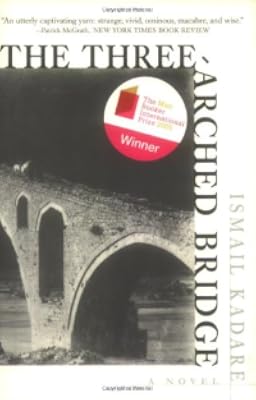

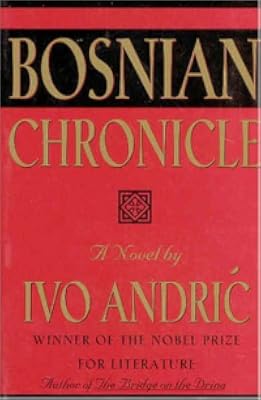
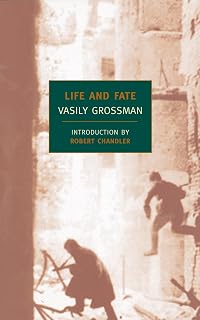
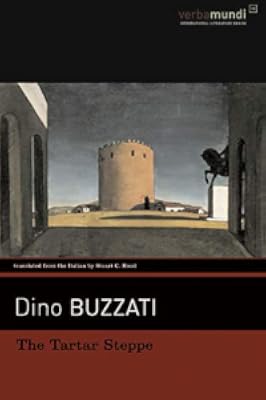











Member Reviews
As a previous reviewer has mentioned, this is a bleak, gray book, but that doesn't necessarily mean that it's a bad novel. It describes the travails of a post-Second World War Italian general charged with finding and recovering his country's war dead from Albania. The job, and the book, is a slog, but that might be by design: while the author avoids addressing the issue of fascism directly, his main character is clearly dealing with the impersonal, bureaucratic aspect of modern conflict. Permanence is also an important theme here: Kadere convincingly demonstrates how injustice and the human damage that it causes can survive decades, and even centuries. It's probably a cliché at this point to say that the dead don't always stay buried, show more but Kadere's decision to make this truism concrete is still an effective metaphor for personal histories as well as the history of nations. As others have noted, the parts of "The General of the Dead Army" that leaves the deepest impression are its descriptions of Albania's landscape, which is almost uniformly rough, barren, and, inhospitable. They give the book a certain bracing, poetic quality that keeps it descending into sheer miserablism and is, I think, conveyed rather well by the translation. I can't imagine that Albanian is too easy to translate from, but the language here seems natural and appropriately spare. As the general of the title slowly descends into alcoholism and illness, the book begins to drag -- again, perhaps, on purpose -- allowing the author can suggest, perhaps with some reason, that dealing with the aftermath's of war can be as arduous and as emotionally damaging as trench warfare itself. "The General of the Dead Army" is the only book by an Albanian author that I've ever read. Next time, however, I think that I'll pick a cheerier product of Albanian literature, if such a thing exists. show less
'General of the Dead Army' is a meditation on the physical, mental, and spiritual legacy of war. It follows an Italian general sent to Albania to collect the bodies of Italian soldiers who died there twenty years before, in the Second World War. The general himself did not fight in the war and struggles to understand the implications of his task, which is both bureaucratic and existential. He is bringing back bodies for families to bury, but also rehabilitating a defeated army. There is a great deal of discussion between the general and the priest that accompanies him on the quest. Usually the general drinks too much then they both attempt to make sense of the war and their task. The priest is ostensibly clearer-eyed, yet also prone to show more pomposity, overgeneralisation, and xenophobia.
I think the narrative makes it very clear that the answers depend entirely on your personal situation. The general and priest are comfortably ignoring that the army they are recovering bodies from was defeated, whereas the diary of a soldier who deserted to become a labourer makes very clear why someone would do so. The general in particular is discomforted with the reality of war that recovering bodies brings to light, as this doesn't accord with his ideas of how it should be conducted.
By way of contrast, the dead and surviving soldiers periodically interject their perspectives on the war and the task of returning bodies home. Women are not forgotten, indeed the most powerful sequences in the book explore the impact of war on women.The denouement at the wedding is shocking and intense, after gradually building dread for 25 pages. An elderly woman throws the corpse of a colonel at the feet of the general; she killed him after he raped her daughter. This scene brings the whole motif of exhuming war's brutalities to a crescendo.
Kadare's writing style is lucid, insightful, and relentless, with occasional moments of dark humour. His analysis of war in hindsight is unsettling and profound. I also commend Derek Coltman, the translator of the 2008 edition I read. He worked from 'the French version of the Albanian' which seems like it should be distant from Kadare's original words but doesn't read that way in the least. Finally, the goodreads data for this 2008 edition claims it has an introduction, while the library copy of it contained no such thing. A pity, as some historical context about the Second World War in Albania would have been interesting. show less
"Do you remember those two lieutenants who were reduced to looking after sheep in that Albanian village? What division were they from? Weren't they from one of the alpine regiments?"
"I don't remember," the priest said.
"What an odd phenomenon that was," the general mused. "And it happened right through our forces in Albania. Really curious. Or rather shameful, I should say!"
"Absolutely," agreed the priest. "Some ridiculous things happened."
"We ourselves have come across instances of this kind. The times we've blushed for shame as we heard stories of our troops being reduced to washing clothes or minding some poultry for Albanian peasants. Just two hours ago some shepherd or miller, I can't recall, had my blood boiling..."
The priest nodded once more in assent.
"You say ridiculous things happened. But they are worse than ridiculous, these incidents, they are worrying."
"In war it is always difficult to say exactly what is tragic and what is grotesque, what is heroic and what is worrying."
I think the narrative makes it very clear that the answers depend entirely on your personal situation. The general and priest are comfortably ignoring that the army they are recovering bodies from was defeated, whereas the diary of a soldier who deserted to become a labourer makes very clear why someone would do so. The general in particular is discomforted with the reality of war that recovering bodies brings to light, as this doesn't accord with his ideas of how it should be conducted.
"What is this loathsome task we have been burdened with?" the general suddenly said, as though he were continuing some interrupted discussion. "I feel it would be easier to dig out the pharaohs still buried in the depths of their great pyramids than to excavate a mere two feet of earth in order to retrieve these soldiers of ours."
"You can't tear your mind away from the subject, can you? Perhaps that is why you are feeling unwell."
"The war here wasn't like other wars," the general went on. "There were no proper fronts, no direct confrontations. The war simply insinuated itself all over the country, like a breeding worm burrowing into the country's every cell. That's why it was so different from the sort of war that's fought elsewhere.
"That's because the Albanians are given to war by their very nature," the priest said.
By way of contrast, the dead and surviving soldiers periodically interject their perspectives on the war and the task of returning bodies home. Women are not forgotten, indeed the most powerful sequences in the book explore the impact of war on women.
Kadare's writing style is lucid, insightful, and relentless, with occasional moments of dark humour. His analysis of war in hindsight is unsettling and profound. I also commend Derek Coltman, the translator of the 2008 edition I read. He worked from 'the French version of the Albanian' which seems like it should be distant from Kadare's original words but doesn't read that way in the least. Finally, the goodreads data for this 2008 edition claims it has an introduction, while the library copy of it contained no such thing. A pity, as some historical context about the Second World War in Albania would have been interesting. show less
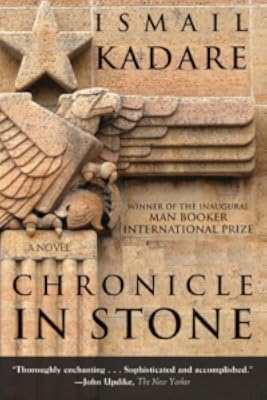
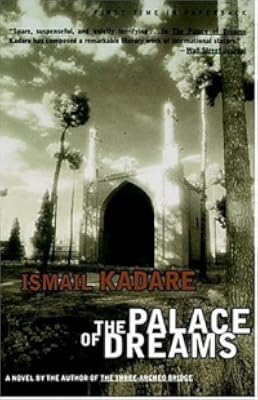
More so than in any of Kadare's other books, Albania is presented in The General of the Dead Army as an unwelcoming and depressing place. There is no sense here of the setting also being awe-inspiring to temper the morose landscape as there was in Kadare's The File on H. There is no filter of childlike curiosity and discovery like there was in Chronicle in Stone. There isn't even the surreal atmosphere of The Palace of Dreams to soften the blow. Instead, The General of the Dead Army has an unremitting bleakness that drains you as you read. The weight of the mountains, of the mud, of the death that the general has to bear is transmitted to you, the reader, and as his task breaks him it chips away at you as well.
The doomed nature of the show more general's task is quickly apparent, even if it doesn't crumble in the way I was expecting. Though he discusses his assignment with overconfidence, even arrogance, in the first chapter, the general realizes the depressing nature of the task he's been given before the first body is even exhumed. A lesser author would have had the general's descent be more gradual, starting him off as energetic and enthusiastic before eroding his confidence. Instead Kadare sets a course of events that makes for a much more interesting and evocative book, as he undercuts the general's confidence and enthusiasm in the first few chapters, with the operation and the general's mental wellbeing going downhill from there. The general muses more and more on the pointlessness and difficulty of his task, the setting gets more and more oppressive, and even the respite of a chapter set in town and not exhuming graves only mounts the tension and foreboding: at best the Albanian people distrust the general, at worst they hate him. The only companion that the general has with him is the priest, a character that the general doesn't trust, and often doesn't seem to like. It's hard to emphasize enough how there's just nothing happy or uplifting going on in this book. It's all depression and distrust, pain and death.
Besides Kadare's uncompromising dedication to making The General of the Dead Army as bleak as possible, what impressed me most about this book was the ending.I assumed that, given his initial overconfidence and how depressing the story was, the general would fail in his quest to locate the bodies. I expected months to stretch to years, and the majority of the corpses the general sought to remain elusive in the harsh Albanian landscape. Instead, the general succeeds in gathering most of the corpses he was sent out to retrieve, albeit with several delays and misfortunes along the way. While on paper he has succeeded, however, the general ends the book having been mentally broken by his task. Perhaps he'll recover, perhaps not, but it seems clear that the image he had of himself, as a conquering general without fear, has been shattered. I half expected him to commit suicide, be driven mad, or die of a fever right as the end of his mission was in view, but I should have trusted Kadare not to give us such a boring resolution. The general leaves Albania, his task complete, but he leaves defeated despite this. He's managed to retrieve the bodies of some of his countrymen, but he's lost something of himself in the process, and ultimately he hasn't changed anything: the mountains, the rain, and the wind of Albania remain and will outlast us all, and any bodies retrieved from the earth will return to it before too long, with interest paid in due course.
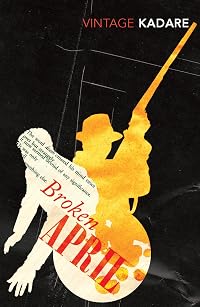
Unrelentingly bleak and with an interesting ending that defied my expectations and avoided simple clichés, The General of the Dead Army is a good book. I'd put it behind The Palace of Dreams, The File on H, and Broken April, but it's still worth a read if you want a depressing book (which I think is nice, from time to time). show less
The doomed nature of the show more general's task is quickly apparent, even if it doesn't crumble in the way I was expecting. Though he discusses his assignment with overconfidence, even arrogance, in the first chapter, the general realizes the depressing nature of the task he's been given before the first body is even exhumed. A lesser author would have had the general's descent be more gradual, starting him off as energetic and enthusiastic before eroding his confidence. Instead Kadare sets a course of events that makes for a much more interesting and evocative book, as he undercuts the general's confidence and enthusiasm in the first few chapters, with the operation and the general's mental wellbeing going downhill from there. The general muses more and more on the pointlessness and difficulty of his task, the setting gets more and more oppressive, and even the respite of a chapter set in town and not exhuming graves only mounts the tension and foreboding: at best the Albanian people distrust the general, at worst they hate him. The only companion that the general has with him is the priest, a character that the general doesn't trust, and often doesn't seem to like. It's hard to emphasize enough how there's just nothing happy or uplifting going on in this book. It's all depression and distrust, pain and death.
Besides Kadare's uncompromising dedication to making The General of the Dead Army as bleak as possible, what impressed me most about this book was the ending.
Unrelentingly bleak and with an interesting ending that defied my expectations and avoided simple clichés, The General of the Dead Army is a good book. I'd put it behind The Palace of Dreams, The File on H, and Broken April, but it's still worth a read if you want a depressing book (which I think is nice, from time to time). show less
Une enclave hors du temps noyée sous la pluie, le brouillard ou la neige : l'Albanie, cette terre étrangère où la boue se mêle aux souvenirs. Un général en charge d'une mission aussi étrange que lugubre : déterrer les squelettes des soldats morts sur le sol albanais pour les restituer à leur famille. En somme, donner à ces valeureux soldats une digne sépulture, rendre les morts à la terre qui les a vus naître, représente pour le général une tâche honorable dont il cherche à s'acquitter avec zèle et fierté. L'appréhension ou la crainte ne sont jamais loin toutefois, l'ombre menaçante des montagnes, la terre boueuse ou gelée qu'il faudra retourner, tout évoque l'inhospitalité. Pourtant si le général devine une show more contrée aride et noire, il ne perçoit pas encore qu'elle a façonné ce peuple au destin tragique, pétri d'une haine silencieuse pour ses anciens ennemis. Tout au long de ce voyage initiatique, perdant peu à peu sa superbe de militaire et jusqu'à la déchéance, le général finira plus vaincu, plus mort encore que cette armée de squelettes ensevelis. --Lenaïc Gravis et Jocelyn Blériot show less
A beautifully written work that makes you feel for the character. Absolutely heart wrenching as you read of this Italian General's task to retrieve the dead bodies of his countrymen and the affects it has on him in this appropriately titled novel.
An italian general arrives in Albania to retrieve the dead bodies of Italian soldiers that were killed and buried here during WW2. Along with a priest and a small team of albanian workers, he travels the countryside hopelessly struggling with this task. Not only does he have to find the unmarked graves from twenty year old witness reports, he has to do it among a people who by no means have forgotten the war. And, not least, compete with a german team on the same mission who have no second thoughts about stealing italian bodies to make their own job easier.
A very very gray book this. Feels like it rains throughout, with massive, steep gray mountains as backdrop. Kadaré's idea of using a foreign main character to describe his own show more country is clever, and I feel I get a very strong sense of place here. And many of the episodes connected to the dead are both amusing and moving. But all in all, this feels like a book that could have done much more with it's good ideas. The german body-snatchers, for instance, could easily have been used to create a comic/dramatic sub plot as a real problem, instead of just being an anecdote in passing. "Smaller than it had to be" is my lasting impression. show less
A very very gray book this. Feels like it rains throughout, with massive, steep gray mountains as backdrop. Kadaré's idea of using a foreign main character to describe his own show more country is clever, and I feel I get a very strong sense of place here. And many of the episodes connected to the dead are both amusing and moving. But all in all, this feels like a book that could have done much more with it's good ideas. The german body-snatchers, for instance, could easily have been used to create a comic/dramatic sub plot as a real problem, instead of just being an anecdote in passing. "Smaller than it had to be" is my lasting impression. show less
A book that points to the complex repercussions of war on the people engaged in it as well as those who come in its wake.
Members
- Recently Added By
Published Reviews
ThingScore 100
In 1963 verscheen het debuut van de enige Albanese schrijver die ook over de landsgrenzen naam en faam geniet er waarvan veel werk in Nederlandse vertaling is uitgegeven. Op een onorthodoxe wijze beschrijft hij de zoektocht van een Italiaanse generaal naar de vele tienduizenden landgenoten die tijdens de Tweede Wereldoorlog in het onherbergzame Albanië zijn gesneuveld en achtergelaten. show more Alhoewel het de debuutroman van Ismail Kadare is, lijkt het of er een zeer ervaren en gelouterde auteur aan het woord is... show less
added by Jordaan
Ismail Kadare’s world is a sort of antimatter. It destroys ours. Except that, unlike the example from particle physics, it also complements ours and to stark effect. To read the novels of this great Albanian writer...is to enter a nightmare we cannot inhabit, but we sense that it inhabits us.
added by fannyprice
Lists

Le Monde - Les 100 livres du siècle
121 works; 25 members

Books Cited in Digging Up the Dead by Michael Kammen
183 works; 1 member
Author Information

179+ Works 7,861 Members
Ismail Kadare is the most prominent of contemporary Albanian writers. He has written poetry, short stories, literary criticism, and seven novels. His works have been translated and published in more than two dozen countries. An internationally known figure, he has visited and lectured in many countries. He was also a representative to Albania's show more People's Assembly. In 1990 Kadare left Albania for Paris where he became openly dissident. (Bowker Author Biography) show less
Some Editions
Awards and Honors
Series
Belongs to Publisher Series
Common Knowledge
- Canonical title
- The General of the Dead Army
- Original title
- Gjenerali i ushtrisë së vdekur
- Original publication date
- 1963 (original Albanian) (original Albanian); 1971 (English: Coltman) (English: Coltman)
- People/Characters*
- El general, el cura
- Important places
- Albania
- First words*
- Sobre la tierra extranjera caía una mezcla de agua y nieve.
- Original language
- Albanian
*Some information comes from Common Knowledge in other languages. Click "Edit" for more information.
Classifications
- Genres
- Fiction and Literature, General Fiction
- DDC/MDS
- 891.9913 — Literature & rhetoric Literatures of other languages East Indo-European and Celtic literatures Baltic and other Indo-European languages Other Indo-European languages Albanian Albanian fiction
- LCC
- PG9621 .K3 .G513 — Language and Literature Slavic languages and literatures. Baltic languages. Albanian language Slavic. Baltic. Albanian Albanian
- BISAC
Statistics
- Members
- 598
- Popularity
- 49,166
- Reviews
- 13
- Rating
- (3.83)
- Languages
- 17 — Albanian, Bosnian, Czech, Danish, Dutch, English, French, German, Greek, Italian, Japanese, Polish, Portuguese, Romanian, Russian, Spanish, Swedish
- Media
- Paper, Ebook
- ISBNs
- 51
- ASINs
- 7