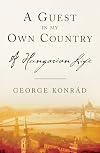
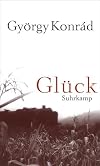
A Guest in My Own Country: A Hungarian Life
by George Konrad
On This Page
Description
Winner of the 2007 National Jewish Book Award in the category of Biography, Autobiography & Memoir A powerful memoir of war, politics, literature, and family life by one of Europe's leading intellectuals. When George Konrad was a child of eleven, he, his sister, and two cousins managed to flee to Budapest from the Hungarian countryside the day before deportations swept through his home town. Ultimately, they were the only Jewish children of the town to survive the Holocaust. A Guest in My show more Own Country recalls the life of one of Eastern Europe's most accomplished modern writers, beginning with his survival during the final months of the war. Konrad captures the dangers, the hopes, the betrayals and courageous acts of the period through a series of carefully chosen episodes that occasionally border on the surreal (as when a dead German soldier begins to speak, attempting to justify his actions). The end of the war launches the young man on a remarkable career in letters and politics. Offering lively descriptions of both his private and public life in Budapest, New York, and Berlin, Konrad reflects insightfully on his role in the Hungarian Uprising, the notion of "internal emigration" – the fate of many writers who, like Konrad, refused to leave the Eastern Bloc under socialism – and other complexities of European identity. To read A Guest in My Own Country is to experience the recent history of East-Central Europe from the inside. show lessTags
Recommendations
































Member Recommendations

Member Reviews
"Een jonge man met een baard, die zijn "varkenslapjes met botersaus en erwten" al op had, betoonde zich erg ontevreden over dit ondermaanse, waarmee volgens hem "niets te beginnen" was. Hij zei tegen een blonde onderwijzeres met een smal gezicht dat kennis niet de belangrijkste voorwaarde voor liefde is omdat een mens naarmate hij iets beter leert kennen het gekende steeds betrekkelijker acht. De lerares vroeg daarop of hij daarmee bedoelde dat hij steeds minder van haar zou houden naarmate hij haar beter leerde kennen, maar de baardige jongeman ontkende dat hij dit had willen zeggen. Zijn woorden hadden alleen een metafysische strekking. "O, bedoel je het zo?!" zei de onderwijzeres gerustgesteld. Waarom hield die baardaap zich niet show more gedeisd in plaats van dat onderwijzeresje voor de gek te houden? " De weg der kennis leidt steil omhoog, naar besneuwde bergtoppen. Alleen kruideniers denken dat je grote geesten om je heen nodig hebt om je geest te verruimen. Wie naar kennis zoekt wordt door koele winden omwaaid en misschien wel door een geest van onverschillige blijmoedigheid."
György Konrad - Geluk pag. 170. show less
György Konrad - Geluk pag. 170. show less
Jul 8, 2008 (Edited)Dutch
Herinnering uit zijn jeugd: de Jodenvervolging, ; onderduiken...
Oct 2, 2020Dutch
Ratings
Members
- Recently Added By
Author Information

Awards and Honors
Common Knowledge
Classifications
- Genres
- Biography & Memoir, Fiction and Literature
- DDC/MDS
- 894.51133 — Literature & rhetoric Asian Literature Literatures of Altaic, Uralic, Hyperborean, Dravidian languages; literatures of miscellaneous languages of south Asia Finno-Ugric languages Ugric languages Hungarian Hungarian fiction 1900–2000
- LCC
- PH3281 .K7558 .Z46 — Language and Literature Uralic languages. Basque language Uralic. Basque Hungarian
- BISAC
Statistics
- Members
- 162
- Popularity
- 201,451
- Reviews
- 2
- Rating
- (4.28)
- Languages
- Dutch, English, German, Hungarian
- Media
- Paper, Ebook
- ISBNs
- 10
- UPCs
- 1
- ASINs
- 2