On This Page
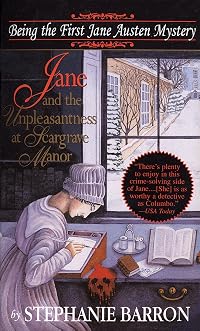
Description
For everyone who loves Jane Austen . . . a marvelously entertaining new series that turns the incomparable author into an extraordinary sleuth!On a visit to the estate of her friend, the young and beautiful Isobel Payne, Countess of Scargrave, Jane bears witness to a tragedy. Isobel's husband—a gentleman of mature years—is felled by a mysterious and agonizing ailment. The Earl's death seems a cruel blow of fate for the newly married Isobel. Yet the bereaved widow soon finds that it's show more only the beginning of her misfortune . . . as she receives a sinister missive accusing her and the Earl's nephew of adultery—and murder. Desperately afraid that the letter will expose her to the worst sort of scandal, Isobel begs Jane for help. And Jane finds herself embroiled in a perilous investigation that will soon have her following a trail of clues that leads all the way to Newgate Prison and the House of Lords—a trail that may well place Jane's own person in the gravest jeopardy.
Praise for Jane and the Unpleasantness at Scargrave Manor
"There's plenty to enjoy in this crime-solving side of Jane. . . . [She] is as worthy a detective as Columbo."—USA Today
"Happily succeeds on all levels: a robust tale of manners and mayhem that faithfully reproduces the Austen style—and engrosses to the finish."—Kirkus Reviews
"Splendid fun!"—Star Tribune, Minneapolis. show less
Tags
Recommendations
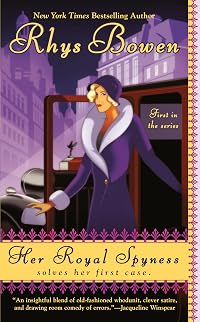
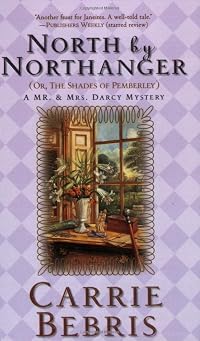
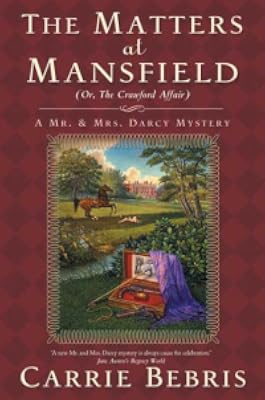
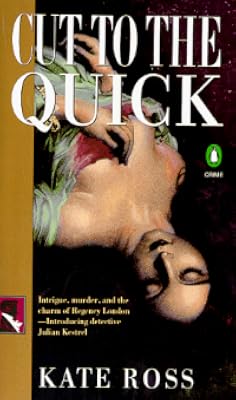

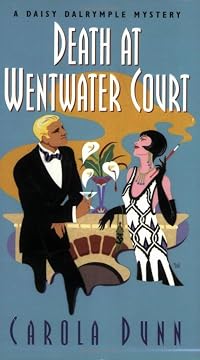
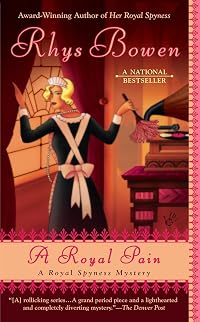
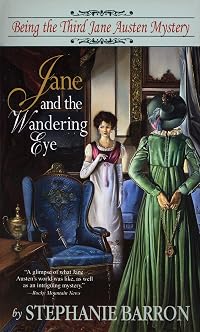
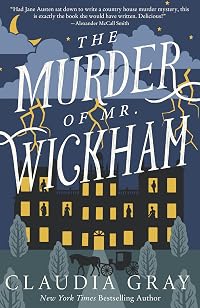






Member Recommendations
Caramellunacy Both are written with a similar conceit - Jane's diaries found and footnoted by the editor/author. "Unpleasantness" has Jane solving a murder mystery to clear her friend, while "Lost Memoirs" delves into the possible romance that inspired Austen's greatest works.
11
Member Reviews
After rejecting an awkward marriage proposal, Jane Austen decides to visit the country estate of her good friend Isobel, the new Countess of Scargrave. Her visit, however, is marked by tragedy. The Earl himself falls prey to a suspicious illness, and soon a letter arrives accusing Isobel of both adultery and murder. Now it is up to Jane to investigate in order to protect her friend from scandal and possible execution.
The idea of Jane Austen as a sleuth was intriguing, but I have to admit I expected the mystery to take a back seat to an homage to Jane. That was definitely not the case. The mystery flows very organically. Jane's snooping was subject to the mores of the time, and it never felt like there were staged infodumps or handy show more coincidences that led to receiving key information. I was really impressed by how well the period detail and the mystery were intertwined. Plus, while Jane was witty and quite sarcastic at times, she was never overly cocky, and we had no 'elementary dear Watson' moments. The villain, once exposed, didn't even monologue! I think this was a very successful cozy mystery in its own right with an added bonus of a convincing evocation of Jane Austen as a main character.
I loved the conceit that some of Jane's lost journals and letters had recently been found and that these books represent the edited versions. The writing style certainly seemed reminiscent of Austen's especially by incorporating well-known phrases from her works. I thought the footnotes were really well-done. They included interesting and important snippets of historical manners and information that clarified some of the finer points of the story. Not only do I think this would be very helpful for those who are relatively unfamiliar with the period, they also are detailed enough to interest those with some familiarity. I never felt that a footnote stated something that was easily picked up from context or that they detracted from the story. A great job. show less
The idea of Jane Austen as a sleuth was intriguing, but I have to admit I expected the mystery to take a back seat to an homage to Jane. That was definitely not the case. The mystery flows very organically. Jane's snooping was subject to the mores of the time, and it never felt like there were staged infodumps or handy show more coincidences that led to receiving key information. I was really impressed by how well the period detail and the mystery were intertwined. Plus, while Jane was witty and quite sarcastic at times, she was never overly cocky, and we had no 'elementary dear Watson' moments. The villain, once exposed, didn't even monologue! I think this was a very successful cozy mystery in its own right with an added bonus of a convincing evocation of Jane Austen as a main character.
I loved the conceit that some of Jane's lost journals and letters had recently been found and that these books represent the edited versions. The writing style certainly seemed reminiscent of Austen's especially by incorporating well-known phrases from her works. I thought the footnotes were really well-done. They included interesting and important snippets of historical manners and information that clarified some of the finer points of the story. Not only do I think this would be very helpful for those who are relatively unfamiliar with the period, they also are detailed enough to interest those with some familiarity. I never felt that a footnote stated something that was easily picked up from context or that they detracted from the story. A great job. show less
Jane Austen tackles 19th century English society and manners in her novels; Stephanie Barron’s Jane Austen tackles society, manners, and murder. In Barron’s Jane Austen mystery series, she attempts a daunting task—to mimic Jane Austen’s literary style with all its gentility, formality, elegance, satire, wit, and meandering. Jane Austen’s penetrating observation of those around her that is so apparent in her novels makes plausible the premise of her succeeding as an amateur sleuth.
In Jane and the Unpleasantness at Scargrave Manor, Barron realizes this premise. Jane Austen, the novel’s protagonist and intrepid narrator, applies her keen observational skills to investigating murder.
Jane’s prosaic visit to her friend show more Isobel’s mansion turns sinister. Isobel’s homecoming party to establish herself as the new Countess of Scargrave turns sinister when her husband, the Earl of Scargrave, falls ill and dies suddenly of an enigmatic ailment. Shortly thereafter, Isobel receives an incriminating letter suggesting she was involved in a conspiracy with Fitzroy, her purported lover the Earl’s nephew and heir, to do away with the Earl. Isobel pleads with Jane to ferret out the true murderer. Jane’s investigation takes on increased urgency as Isobel and Fitzroy are whisked away to dwell in despair in the depths of Newgate prison. Each day brings closer the House of Lords trial upon which a guilty verdict and a hanging will follow.
Purportedly the story has been pieced together from selections of Austen’s personal journal and letters to her sister Cassandra. Barron’s research into Austen’s life, letters, and fiction shines through clearly in her fiction mysteries as she incorporates true facts from Jane Austen’s life such as her nullifying Jane’s agreement to marry Harris Bigg-Wither and her close relationship with her sister Cassandra. Barron also includes quotes from Jane Austen’s novels as if suggesting their origin to be in Jane’s experiences at Scargrave manor.
Jane and the Unpleasantness at Scargrave Manor is but the first of Barron’s comedy of manners and a cozy mystery series; the ninth, Jane and the Barque of Frailties, was published in 2006. For readers who enjoy period detail and mystery, Barron’s series should be an apt one to suggest they try. show less
In Jane and the Unpleasantness at Scargrave Manor, Barron realizes this premise. Jane Austen, the novel’s protagonist and intrepid narrator, applies her keen observational skills to investigating murder.
Jane’s prosaic visit to her friend show more Isobel’s mansion turns sinister. Isobel’s homecoming party to establish herself as the new Countess of Scargrave turns sinister when her husband, the Earl of Scargrave, falls ill and dies suddenly of an enigmatic ailment. Shortly thereafter, Isobel receives an incriminating letter suggesting she was involved in a conspiracy with Fitzroy, her purported lover the Earl’s nephew and heir, to do away with the Earl. Isobel pleads with Jane to ferret out the true murderer. Jane’s investigation takes on increased urgency as Isobel and Fitzroy are whisked away to dwell in despair in the depths of Newgate prison. Each day brings closer the House of Lords trial upon which a guilty verdict and a hanging will follow.
Purportedly the story has been pieced together from selections of Austen’s personal journal and letters to her sister Cassandra. Barron’s research into Austen’s life, letters, and fiction shines through clearly in her fiction mysteries as she incorporates true facts from Jane Austen’s life such as her nullifying Jane’s agreement to marry Harris Bigg-Wither and her close relationship with her sister Cassandra. Barron also includes quotes from Jane Austen’s novels as if suggesting their origin to be in Jane’s experiences at Scargrave manor.
Jane and the Unpleasantness at Scargrave Manor is but the first of Barron’s comedy of manners and a cozy mystery series; the ninth, Jane and the Barque of Frailties, was published in 2006. For readers who enjoy period detail and mystery, Barron’s series should be an apt one to suggest they try. show less
An amusing read, and rather cleverly done. Barron claims to be simply editing one of Austen's actual diaries and throughout the book she provides footnotes which explain concepts unfamiliar to modern readers. These little facts give the book a bit of depth and add to the amusement. The mystery, however, is rather ridiculous, and its solution a bit too easily achieved.
The diary format may explain why the book is very Austen-centric. Characters she does not like are not well developed, and are a bit stereotypical. Of course, many of us are guilty of passing these kind of judgements without though, conveniently placing people in boxes based on stereotypes.
What the book is missing is some reflection on Jane's part, where she addresses how show more her views of each character may or may not have changed as she delves deeper into the mystery. This type of reflection would have enhanced the reader's belief in this actually being Austen's personal diary. show less
The diary format may explain why the book is very Austen-centric. Characters she does not like are not well developed, and are a bit stereotypical. Of course, many of us are guilty of passing these kind of judgements without though, conveniently placing people in boxes based on stereotypes.
What the book is missing is some reflection on Jane's part, where she addresses how show more her views of each character may or may not have changed as she delves deeper into the mystery. This type of reflection would have enhanced the reader's belief in this actually being Austen's personal diary. show less
1802 and Jane Austen is staying with her friend Isobel Payne, at the home of her husband Lord Scargrave. But when the Earl dies suspicion is thrown onto the newly married Isobel. Isobel asks Jane to discover the truth.
Enjoyed this well-written cozy mystery which has the added bonus of the character of Jane Austen. Very good solid start to the series.
Enjoyed this well-written cozy mystery which has the added bonus of the character of Jane Austen. Very good solid start to the series.
Jane (Austen, that is) is to stay with her friend Isobel, the new Countess of Scargrave, to celebrate Isobel's return from her honeymoon. Jane's stay at Scargrave Manor soon goes awry when the Earl dies suddenly. Worse trouble looms however, when a second death occurs and suspicion falls on Isobel and the old Earl's nephew and heir. Isobel begs Jane to discover the truth, and so Jane Austen turns detective.
I really liked this book. Barron does a good job of imitating Austen's writing style and writing to suit her period setting. Real elements from Austen's life make their way into the story, as do quotes and paraphrases from Pride And Prejudice (I don't know Austen's other works well enough to spot quotes from them if they were there), show more which I thought was quite fun.
The mystery is very well written and flows so well as a story that there are no 'info dumps'. It's refreshing that Jane, as the detective, is not infalliable and while some of the motives are a bit transparent Barron still manages to add a twist at the end. A number of the characterisations seem to draw from those in Pride And Prejudice but since I love those characters I didn't think this was a problem, especially since Barron did it well.
In the forward Barron explains that Austen apparently did write a detective manuscript (which was never intended for publication) and how the manuscript eventually ended up with her to be edited and published. Initially I was reading out of curiosity, but I quickly found myself really enjoying the book for its own sake.
I'd recommend this for anyone who likes a really good cosy mystery, and if you happen to be a fan of Jane Austen even better. show less
I really liked this book. Barron does a good job of imitating Austen's writing style and writing to suit her period setting. Real elements from Austen's life make their way into the story, as do quotes and paraphrases from Pride And Prejudice (I don't know Austen's other works well enough to spot quotes from them if they were there), show more which I thought was quite fun.
The mystery is very well written and flows so well as a story that there are no 'info dumps'. It's refreshing that Jane, as the detective, is not infalliable and while some of the motives are a bit transparent Barron still manages to add a twist at the end. A number of the characterisations seem to draw from those in Pride And Prejudice but since I love those characters I didn't think this was a problem, especially since Barron did it well.
In the forward Barron explains that Austen apparently did write a detective manuscript (which was never intended for publication) and how the manuscript eventually ended up with her to be edited and published. Initially I was reading out of curiosity, but I quickly found myself really enjoying the book for its own sake.
I'd recommend this for anyone who likes a really good cosy mystery, and if you happen to be a fan of Jane Austen even better. show less
I'm really getting a kick out of these silly mystery series. It's my newest genre fixation. In this case, the book centers around Jane Austen and her detecting ability. She is visiting a recently wedded friend when the friend's husband dies in very suspicious circumstances. When it looks like the friend and her husband's nephew are to be blamed for the murder, it is up to Jane and her untiring wit to save the day. What I liked was the author's ability to yoink sentences right out of Austen's novels and put them directly in the mouth of Jane herself. The mystery itself was silly and all together too predictable (don't these things always come down to money?), but fun nonetheless. And I imagine solving something like this without the show more benefit of the Internet or say, the freedom to do anything by yourself without waiting for a man's permission, would be pretty tricky :-) show less
January 10, 1999
Jane and the Unpleasantness at Scargrave Manor, Being the First Jane Austen Mystery
Stephanie Barron
Wonderful new series, with Jane Austen as a detective in her spare time. I like the Regency era, and Barron does a great job of utilizing Austen’s writing style without overdoing it. It’s mostly done in the form of journal entries of Jane’s, all in the first person, of course. It’s warm and natural.
In this, Jane goes to visit her friend Isobel in the country, who has just married a wealthy Earl. He dies suddenly, and the maid accuses Isobel and the Earl’s nephew – and heir – of murdering him so they can be together. Jane sets out to prove them innocent.
I liked it so much I ordered the others from Amazon.com, show more and I’m taking this one with me to California to read through again! show less
Jane and the Unpleasantness at Scargrave Manor, Being the First Jane Austen Mystery
Stephanie Barron
Wonderful new series, with Jane Austen as a detective in her spare time. I like the Regency era, and Barron does a great job of utilizing Austen’s writing style without overdoing it. It’s mostly done in the form of journal entries of Jane’s, all in the first person, of course. It’s warm and natural.
In this, Jane goes to visit her friend Isobel in the country, who has just married a wealthy Earl. He dies suddenly, and the maid accuses Isobel and the Earl’s nephew – and heir – of murdering him so they can be together. Jane sets out to prove them innocent.
I liked it so much I ordered the others from Amazon.com, show more and I’m taking this one with me to California to read through again! show less
Members
- Recently Added By
Lists

Austenland
165 works; 12 members

British Mystery
469 works; 14 members

SantaThing 2014 Gifts
299 works; 17 members

Gaslamp Mysteries
78 works; 4 members

Best Mysteries With a Historical Setting
292 works; 160 members
Author Information

21+ Works 8,418 Members
Some Editions
Series

Work Relationships
Is contained in
Common Knowledge
- Canonical title
- Jane and the Unpleasantness at Scargrave Manor
- Original publication date
- 1996-12-02
- People/Characters
- Jane Austen; Isobel Payne, Countess of Scargrave; Lord Harold Trowbridge; Fitzroy Payne; Lieutenant Thomas Hearst; Fanny Delahoussaye (show all 15); Hortense Delahoussaye; George Hearst; Eliza Austen, Comtesse de Feuillide; Frederick, Earl of Scargrave; Dr. Phillip Pettigrew; Jenny Barlow; Sir William Reynolds; Marguerite Dumas; Mr. Cranly
- Important places
- Scargrave Manor, Hertfordshire, England, UK; London, England, UK; Newgate Prison, London, England, UK
- Dedication
- This book is dedicated with love
to the memory of Cass Sibre,
in whose library, at the age of twelve,
I first discovered Jane Austen. - First words
- Jane's Introduction: When a young lady of more fashion than means has the good sense to win the affection of an older gentleman, a widower of high estate and easy circumstances, it is generally observed that the match is an ... (show all)intelligent one on both sides.
Chapter One: "What do you make of it, Jane?" the Countess of Scargrave asked. - Last words
- (Click to show. Warning: May contain spoilers.)Chapter 24: "It might well have been the ruin of my career," that worthy said wryly, "for I certainly had no defence to offer."
(Click to show. Warning: May contain spoilers.)Jane's Afterword: My dear Miss Austen, it says, we may take this as a lesson: It required a woman to divine what a woman had wrought. - Canonical DDC/MDS
- 813.54
- Canonical LCC
- PS3563.A8357
Classifications
Statistics
- Members
- 1,437
- Popularity
- 16,338
- Reviews
- 48
- Rating
- (3.62)
- Languages
- 5 — English, French, German, Hungarian, Italian
- Media
- Paper, Audiobook, Ebook
- ISBNs
- 18
- UPCs
- 1
- ASINs
- 14