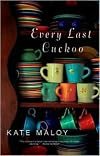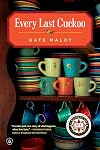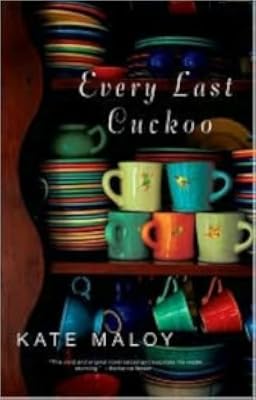
Every Last Cuckoo
by Kate Maloy
On This Page
Description
An elderly widow discovers a new sense of purpose when a series of wayward young people come to stay in her Vermont home in this "truly engrossing novel" (Library Journal).Sarah Lucas imagined the rest of her days would be spent living peacefully in her rural Vermont home in the steadfast company of her husband. But now, with Charles's sudden passing, seventy-five-year-old Sarah is left inconsolably alone.
As grief settles in, Sarah's mind lingers on her past: her imperfect but devoted show more fifty-year marriage to Charles; the years they spent raising their three very different children; and her childhood during the Great Depression, when her parents opened their home to countless relatives and neighbors. So, when a variety of lost souls come seeking shelter in Sarah's own big, empty home, her past comes full circle. As this unruly flock forms a family of sorts, they—with Sarah—nurture and protect one another, all the while discovering their unsuspected strengths and courage.
In the tradition of Jane Smiley and Sue Miller, Kate Maloy has crafted a wise and gratifying novel about a woman who gracefully accepts a surprising new role just when she thought her best years were behind her. show less
Tags
Recommendations


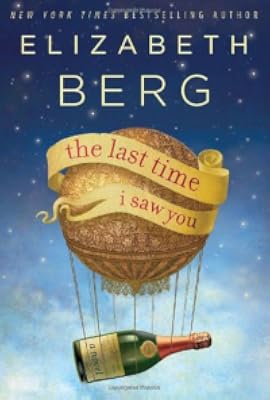
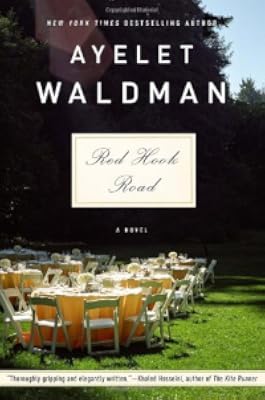
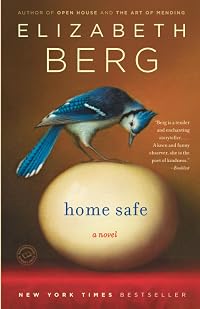
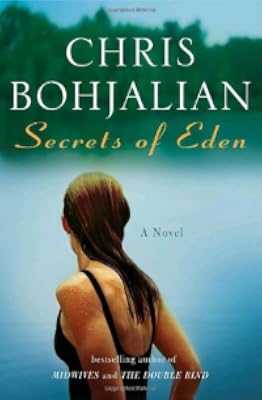



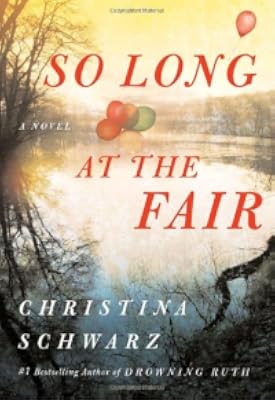
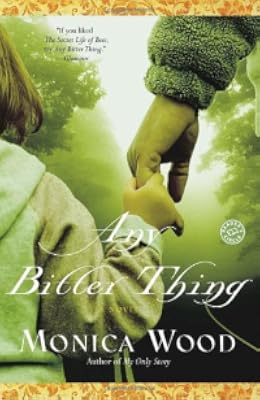
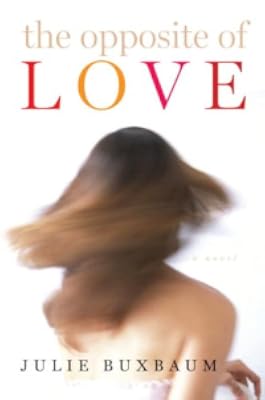
Member Reviews
Sarah and Charles Lucas have created a long and generally happy life for themselves in the large Vermont house where they raised their children. And they have settled in for a contented retirement when Charles unexpectedly dies. Sarah finds herself drifting through her days until her granddaughter and friends move into the house. Then comes a woman and child who have lost everything in a fire. The cousin of an old friend moves into the guest house, needing quiet and solitude. The daughter and gradnson of an acquaintance escape an abusive situation by moving into Sarah's. And Sarah starts to come back to life with this newly created family inhabiting her home and her grounds.
Told in two seperate sections, starting with the Lucas' life show more before Charles' death, part one ends in the past, picking up part two with the memorial service and the emptiness now pervading Sarah's life. Maloy has written both the portrait of a good, solid marriage and of one partner's painful coming back to life after the death of her husband. The characters are flawed and real and utterly sympathetic. Their interactions, especially Sarah's with her children, echo the interactions of people the world round. While the Lucas house might be a place of healing for so many of the lost souls who congregate with Sarah, it is clear that this is just one stop on their path and that Sarah and her determination to find meaning in the life left to her is the main focus of the story. She is a strong and graceful character for whom the reader can't help but root, even as we see her frustrations and watch her admit her past mistakes. The narrative covers much loss but has a tender and lovely feel to it that draws readers in and keeps them engaged with the story each and every page. I very much enjoyed this book about lasting love, family, loss, and going on in spite of and because of what happens in life. show less
Told in two seperate sections, starting with the Lucas' life show more before Charles' death, part one ends in the past, picking up part two with the memorial service and the emptiness now pervading Sarah's life. Maloy has written both the portrait of a good, solid marriage and of one partner's painful coming back to life after the death of her husband. The characters are flawed and real and utterly sympathetic. Their interactions, especially Sarah's with her children, echo the interactions of people the world round. While the Lucas house might be a place of healing for so many of the lost souls who congregate with Sarah, it is clear that this is just one stop on their path and that Sarah and her determination to find meaning in the life left to her is the main focus of the story. She is a strong and graceful character for whom the reader can't help but root, even as we see her frustrations and watch her admit her past mistakes. The narrative covers much loss but has a tender and lovely feel to it that draws readers in and keeps them engaged with the story each and every page. I very much enjoyed this book about lasting love, family, loss, and going on in spite of and because of what happens in life. show less
Sarah and Charles Lucas have been married for somewhere around 50 years when he died unexpectedly. Although their marriage had its rough patches, it was by and large a happy one.
“Every Last Cuckoo” is a story of family and of finding your purpose in life. Although we know early on that Charles is going to die, the first half of the story goest back and forth between the period leading up to Charles’ death and the day of the event itself. The Lucases have a very normal family: nobody is having an out and out feud, but different children are closer to and more comfortable with different parents, there are some strained relationships, and everyone generally wants the best for everyone else. They all gather together for holidays, but show more don’t always have the smoothest gatherings.
When Charles passes away, Sarah has to learn to live without him both with the help of and in spite of her family. She falls, not completely of her own volition, into relationships with a variety of different people, all of whom show her that life is indeed worth living, even without her husband of so many years.
I really enjoyed this book. It was a read I just fell into. The best phrase I can use to describe “Every Last Cuckoo” is ‘comfortable,’ as ridiculous as it may sound, the book was a like a cozy old sweater. When I read the plot synopsis on the back of the book I was a bit afraid that the situations through which Sarah was going to end up in relationship with all of these people after Charles’ death would be contrived and silly, that she would come out seeming like some old hippy at a commune. Luckily that was not the case. Each of these relationships seemed to come about naturally, I never felt as if the author was intervening to MAKE anything happen, it simply felt like she was relating a story that happened in the way that it had to happen. When you consider that I am at the opposite end of life as Sarah - newly married with a first baby on the way to her 50 or so years of marriage and nearly-grown grandchildren - it is amazing how connected to her character I was.
Maloy has a lot of talent and has written a wonderful little novel. I definitely recommend this one. It also might make a good book for book clubs. show less
“Every Last Cuckoo” is a story of family and of finding your purpose in life. Although we know early on that Charles is going to die, the first half of the story goest back and forth between the period leading up to Charles’ death and the day of the event itself. The Lucases have a very normal family: nobody is having an out and out feud, but different children are closer to and more comfortable with different parents, there are some strained relationships, and everyone generally wants the best for everyone else. They all gather together for holidays, but show more don’t always have the smoothest gatherings.
When Charles passes away, Sarah has to learn to live without him both with the help of and in spite of her family. She falls, not completely of her own volition, into relationships with a variety of different people, all of whom show her that life is indeed worth living, even without her husband of so many years.
I really enjoyed this book. It was a read I just fell into. The best phrase I can use to describe “Every Last Cuckoo” is ‘comfortable,’ as ridiculous as it may sound, the book was a like a cozy old sweater. When I read the plot synopsis on the back of the book I was a bit afraid that the situations through which Sarah was going to end up in relationship with all of these people after Charles’ death would be contrived and silly, that she would come out seeming like some old hippy at a commune. Luckily that was not the case. Each of these relationships seemed to come about naturally, I never felt as if the author was intervening to MAKE anything happen, it simply felt like she was relating a story that happened in the way that it had to happen. When you consider that I am at the opposite end of life as Sarah - newly married with a first baby on the way to her 50 or so years of marriage and nearly-grown grandchildren - it is amazing how connected to her character I was.
Maloy has a lot of talent and has written a wonderful little novel. I definitely recommend this one. It also might make a good book for book clubs. show less
I was disappointed in this book. I've been thinking about it for several days after finishing it, not sure how to describe my feelings. What I did like was the setting and the descriptions of rural Vermont. The author skillfully recreates the sights and seasons, the scents, sounds, and details of the landscape, the flora and fauna. Another plus was the author's ability to describe a long-time marriage and healthy relationship of a couple in their 70's/80's. But the book's focus on aging,death, and decay was depressing, and much of the plot's foreshadowing was unfulfilled.
One major irritation was the title. In the U.S. the slang for cuckoo is screwball, silly, wacky, crazy. I kept waiting for this to tie in with the plot. Only once in show more the middle of the novel, and again at the very end is there a reference to a cuckoo bird. I had to it look up after finishing the book and found out that a cuckoo bird lays her eggs in another bird's nest for the other bird to hatch. I think the concept was just too subtle and I surely wouldn't have used this reference in the title with such a weak connection. I wouldn't recommend this book unless it was the only unread book available to you while on an overseas flight. show less
One major irritation was the title. In the U.S. the slang for cuckoo is screwball, silly, wacky, crazy. I kept waiting for this to tie in with the plot. Only once in show more the middle of the novel, and again at the very end is there a reference to a cuckoo bird. I had to it look up after finishing the book and found out that a cuckoo bird lays her eggs in another bird's nest for the other bird to hatch. I think the concept was just too subtle and I surely wouldn't have used this reference in the title with such a weak connection. I wouldn't recommend this book unless it was the only unread book available to you while on an overseas flight. show less
This novel pays tribute to the value of the everyday in our lives, quietly pointing out that what holds us together and what makes life worthwhile are the bonds that we have with each other. There is great attention paid to the natural world in this story, set in rural Vermont where forest and woodland creatures are as much a part of the protagonist's life as her long-time home and domestic pets. Sarah is in her 70s, living quietly with Charles, her husband of many years, and taking an interest in the lives of her grown children and their children, her friends and her small world. When Charles dies, she finds to her surprise that rather than isolate herself in her grief, she and her home become a necessary to a great number of lost and show more struggling souls, and in her nurturing of these people in her life, she finds that she is able to go on, not setting aside her grief but living with it.
I really enjoyed the warmth of Kate Maloy's writing - it's not at all flashy, but instead she creates her world with calm and loving brushstrokes. I've never been a country girl, but I live not far from the rural Vermont that she describes, and her rendering of seasonal changes in this climate was beautifully, and accurately, done. I also found that her characters slipped into my heart so quietly, so unobtrusively, that I didn't realize how much I'd miss them until I finished the book.
My one quibble isn't about the book itself, but rather about the marketing of it. The back cover blurb makes it sound as if the story is all about Sarah's taking in various strangers after the death of her husband; but that doesn't start happening until more than halfway into the novel. The first half deals more with her life with Charles and before Charles, and is necessary to the story in order for the reader to understand why she chooses to help people in need by taking them into her own household. I know publicists like to have a "hook" for selling a story, but this blurb is quite misleading. I just hope it doesn't put anyone off from reading this warm and wise story about life, death and negotiating the fine lines between the two. I already know two friends to whom I'm going to pass along this novel, and I'm sure they will want to pass it on to others, too. Highly recommended - and thanks, Library Thing, for sending me an advance copy! show less
I really enjoyed the warmth of Kate Maloy's writing - it's not at all flashy, but instead she creates her world with calm and loving brushstrokes. I've never been a country girl, but I live not far from the rural Vermont that she describes, and her rendering of seasonal changes in this climate was beautifully, and accurately, done. I also found that her characters slipped into my heart so quietly, so unobtrusively, that I didn't realize how much I'd miss them until I finished the book.
My one quibble isn't about the book itself, but rather about the marketing of it. The back cover blurb makes it sound as if the story is all about Sarah's taking in various strangers after the death of her husband; but that doesn't start happening until more than halfway into the novel. The first half deals more with her life with Charles and before Charles, and is necessary to the story in order for the reader to understand why she chooses to help people in need by taking them into her own household. I know publicists like to have a "hook" for selling a story, but this blurb is quite misleading. I just hope it doesn't put anyone off from reading this warm and wise story about life, death and negotiating the fine lines between the two. I already know two friends to whom I'm going to pass along this novel, and I'm sure they will want to pass it on to others, too. Highly recommended - and thanks, Library Thing, for sending me an advance copy! show less
 This review was written for LibraryThing Early Reviewers.
It's hard to pinpoint exactly where I become impatient with fiction of this kind, because it is so well-meant, first of all, carefully thought out (and it is about something important - grief and responsibility) and quite well written albeit in a mundane sort of prose, with characters who are, basically believable if not fully dimensional..... but..... what? What is missing? Is it the 'o' word as in originality? Is it Too. Much. Detail? Is it that it is both about 'everywoman' and no woman you've ever met? -Not to mention that kind of small town fake community schtick? Sarah is in her 70's is widowed early on in the book (the interplay of past and present was well done). She lives in a large old farmhouse and suddenly, instead of being show more alone, she begins to invite in strays, cuckoos, like the old woman who lived in a shoe. OK, so much for the story. I live in Vermont, I know it and while there is nothing here that is not accurate either about the natural surroundings or the social circumstances the sum total was too..... tidy. So - while it was a pleasant read, it was also occasionally kind of tedious and annoying. I can't quite give it a 3 1/2 - I would give it a 3 1/4 for little flashes of the kind of weird detail that makes fiction for me: "She got out of bed each morning with heavy reluctance, hating the look of her side rumpled and Charles' undisturbed. She took to lying flat in bed, pulling the covers up smooth over her outstretched form, then folding the top sheet over the edge before slipping out from underneath. Thus the bed was as good as made and the absence of Charles was less blatant before she even stood up." There were several of these 'moments' and they kept me going. A good read I think if you are in need of soothing. *** (plus the 1/4) show less
"Sarah knew that life would go on for others even as it remained suspended for her. She had seen it happen before, the slow, cool shrinking back of friends when a person was thought to mourn too long, to fail at getting on with things. She could pretend when she had to, but nothing remained to be gotten on with. She got out of bed each morning with heavy reluctance, hating the look of her side rumpled and Charles's undisturbed. She took to lying flat in bed, pulling the covers up smooth over her outstretched form, then folding the top sheet over the edge before slipping out from underneath. Thus the bed was as good as made and the absence of Charles was less blatant before she even stood up. With that accomplished, she had sixteen hours show more to fill before unmaking her side of the bed once more."
--Kate Maloy, Every Last Cuckoo
Following her husband's death and a period of mourning, 75-year-old Sarah begins to build a new life for herself. Remembering the open door policy her parents had followed during the Great Depression, Sarah takes in those who need temporary lodging--an Israeli pacifist who's writing a book, homeless, abused mothers and children, disaffected teenagers, including her own granddaughter, who doesn't get along with her mother any more than Sarah does. Her life expands and becomes enriched, despite her losses.
I enjoyed this one and think it could be a big hit with reading groups. I'd've appreciated a section or two told from the perspective of another member of Sarah's family--my family would never have reacted the way hers did to events, but then, my family of birth is positively Karamazovian and Maloy appears to come from more civilized stock. show less
--Kate Maloy, Every Last Cuckoo
Following her husband's death and a period of mourning, 75-year-old Sarah begins to build a new life for herself. Remembering the open door policy her parents had followed during the Great Depression, Sarah takes in those who need temporary lodging--an Israeli pacifist who's writing a book, homeless, abused mothers and children, disaffected teenagers, including her own granddaughter, who doesn't get along with her mother any more than Sarah does. Her life expands and becomes enriched, despite her losses.
I enjoyed this one and think it could be a big hit with reading groups. I'd've appreciated a section or two told from the perspective of another member of Sarah's family--my family would never have reacted the way hers did to events, but then, my family of birth is positively Karamazovian and Maloy appears to come from more civilized stock. show less
This review was written for LibraryThing Early Reviewers.When I reached the end of this book, I thought, Wow, this lady sure went through a lot in the last year. From losing her husband to finding herself after her loss, Sara’s story made me both laugh and cry. The descriptions of both the characters and the Vermont landscapes that Kate Maloy uses throughout the book are beautifully written and made the scenery and characters almost touchable. I enjoyed reading about Sara watching her children grow up and eventually grow into likenesses of her and her husband. I was also touched by the strength that Sara drew from her boarders and how she was able to deal with the loss of her husband and overcome her own fear of death through them. I will definitely pass this book on!
This review was written for LibraryThing Early Reviewers.Members
- Recently Added By
Lists

ALA The Reading List
490 works; 28 members

Animals in the Title
498 works; 11 members
Author Information

6+ Works 365 Members
Awards and Honors
Awards
Common Knowledge
- Canonical title
- Every Last Cuckoo
- Original publication date
- 2008-01-22
- People/Characters
- Sarah Lucas; Charles Lucas
- Important places
- Vermont, USA; Israel
- Publisher's editor
- Andra Olenik
Classifications
Statistics
- Members
- 319
- Popularity
- 99,848
- Reviews
- 33
- Rating
- (3.57)
- Languages
- English
- Media
- Paper, Ebook
- ISBNs
- 4
- ASINs
- 2