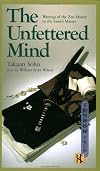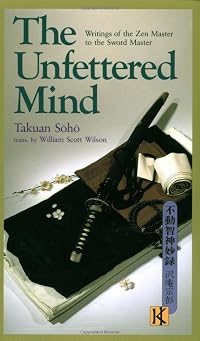
The Unfettered Mind: Writings of the Zen Master to the Sword Master (The Way of the Warrior Series)
by Takuan Soho
On This Page
Description
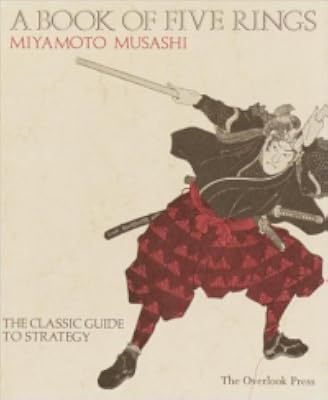
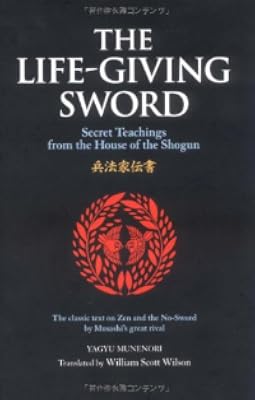
This classic samurai-era text fused Japanese swordsmanship with Zen and influenced the direction that the art has taken ever since. Written by the seventeenth-century Zen master Takuan Soho (1573-1645), The Unfettered Mind is a book of advice on swordsmanship and the cultivation of right mind and intention. It was written as a guide for the samurai Yagyu Munenori, who was a great swordsman and rival to the legendary Miyamoto Musashi. Takuan was a giant in the history of Zen; he was also a show more gardener, calligrapher, poet, author, adviser to samurai and shoguns, and a pivotal figure in Zen painting. He was known for his brilliance and acerbic wit. In these succinct and pointed essays, Takuan is concerned primarily with understanding and refining the mind--both generally and when faced with conflict. The Unfettered Mind was a major influence on the classic manifestos on swordsmanship that came after it, including Miyamoto Musashi's Book of Five Rings and Yagyu Munenori's Life-Giving Sword. show lessTags
Recommendations
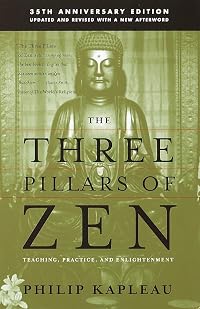
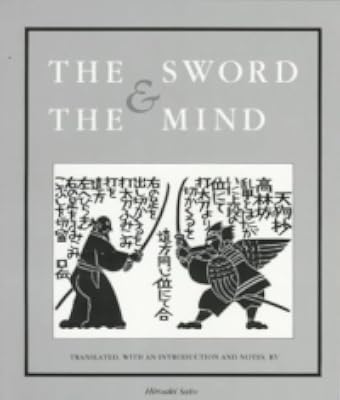
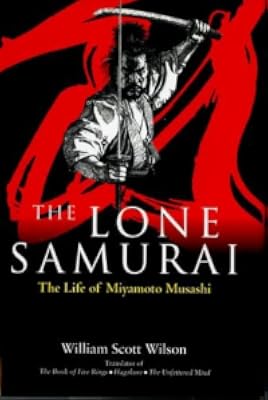
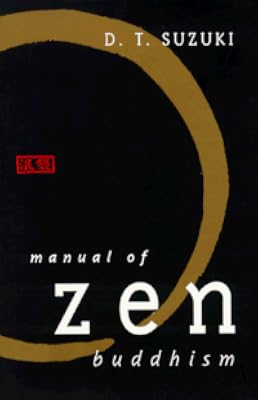


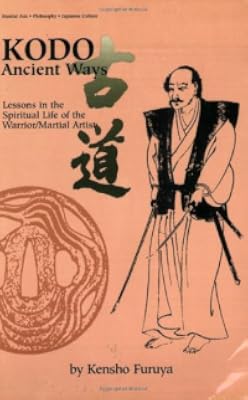
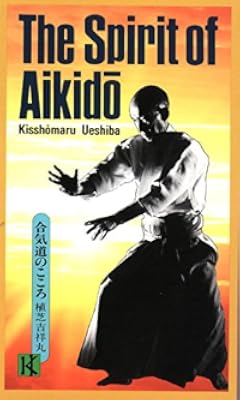
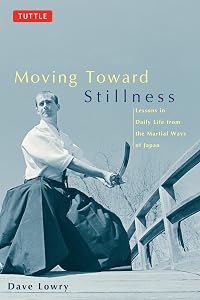

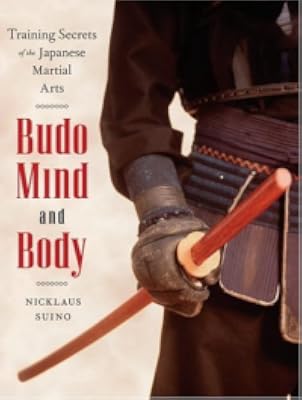

Member Recommendations
Member Reviews
The profundity of this succinct text, essential to its longevity, can be gauged from the fact that it outlived its premier readership- the aristocratic Samurai warrior class in feudal Japan.
So what makes it relevant today? Takuan Soho renders crisp advisory guidance which emphasizes that contrary to popular religious thought (in the East at least), the human mind is not to be made static. Rather, it is to be unfettered of all coagulation. The mind must flow like water rather than statify.
William Scott has done an exceptional job in preserving both the brevity and essence of the original text while rendering it in lay English. A marvelous read indeed.
So what makes it relevant today? Takuan Soho renders crisp advisory guidance which emphasizes that contrary to popular religious thought (in the East at least), the human mind is not to be made static. Rather, it is to be unfettered of all coagulation. The mind must flow like water rather than statify.
William Scott has done an exceptional job in preserving both the brevity and essence of the original text while rendering it in lay English. A marvelous read indeed.
The original author, the Zen monk Takuan Souhou from the era of the founding of the Shogunate at the end of the Warring States Period of Japan, addressed matters public and private, personal and formal, military and diplomatic, and others as well. He applied insight to these matters to advise swordmasters of his time -- particularly Yagyuu Munenori, swordsmanship instructor to more than one shogun. In at least one point, communicating with such a highly placed personage with the essays collected in this book, he actually scolded the man. A shogun spent years and great resources seeking his favor and friendship. This was a person of influence, despite humility of lifestyle and eccentricity of ideas.
Having not read this in full before, in show more any translation, I am not sure how much of its character is due to the original author or the translation. It gets overly wordy at times, and dwells on the prosaic and obvious when the subtle and profound lurk behind, as if he just doesn't get that people might miss important implications. Then again, maybe the culture of his time was influenced by bromides so pervasive that a simple restatement makes the metaphorical purpose obvious to his reader, or perhaps shared context allows him to make a joke of belaboring the blatantly superficial and expect his interlocutor to understand. Suffice to say that, if I wrote a similar tract for a general audience of warriors, I would likely have tried to lighten the verbosity load a bit and cut to the quick a bit more.
I wouldn't call this an introductory bit of philosophizing, practical or theoretical, in large part because of the above. Having gotten some real insights out of works like Stephen Mitchell's translation of the Tao Te Ching, though, should prepare one for getting past the packing material to the precious cargo inside this book. I enjoyed it, and the next time I read it I'll probably go through all the end notes, too -- because it's brief and interesting enough for a second reading. show less
Having not read this in full before, in show more any translation, I am not sure how much of its character is due to the original author or the translation. It gets overly wordy at times, and dwells on the prosaic and obvious when the subtle and profound lurk behind, as if he just doesn't get that people might miss important implications. Then again, maybe the culture of his time was influenced by bromides so pervasive that a simple restatement makes the metaphorical purpose obvious to his reader, or perhaps shared context allows him to make a joke of belaboring the blatantly superficial and expect his interlocutor to understand. Suffice to say that, if I wrote a similar tract for a general audience of warriors, I would likely have tried to lighten the verbosity load a bit and cut to the quick a bit more.
I wouldn't call this an introductory bit of philosophizing, practical or theoretical, in large part because of the above. Having gotten some real insights out of works like Stephen Mitchell's translation of the Tao Te Ching, though, should prepare one for getting past the packing material to the precious cargo inside this book. I enjoyed it, and the next time I read it I'll probably go through all the end notes, too -- because it's brief and interesting enough for a second reading. show less
REVIEW from LibraryThing:
This book contains a collection of three letters/essays from Takuan Soho to masters of the sword arts. They contain some incredible gems. This book should not just be read; but reflected upon.As another reviewer said, "The ideas of the interval between striking flint and steel to the production of the spark, or the visual and mental image of the glint of light on the blade of a sword become captivating and even revelatory." I could not have said it any better myself.
This book contains a collection of three letters/essays from Takuan Soho to masters of the sword arts. They contain some incredible gems. This book should not just be read; but reflected upon.As another reviewer said, "The ideas of the interval between striking flint and steel to the production of the spark, or the visual and mental image of the glint of light on the blade of a sword become captivating and even revelatory." I could not have said it any better myself.
The Zen master Takuan Soho (1573-1645) was living proof of the saying' if you are a master of Zen you can be a master of anything'. He was a master of calligraphy, painting, gardening, and martial arts, as well as of many other things.
He became Abbot of the Daitokuji, the leading Rinzai Zen Temple in Kyoto, and was the founder of the Tokaiji Temple in Edo in Tokyo. As a teacher of Zen, his pupils included the de facto ruler of Japan, the third Tokugawa Shogun Iemitsu, and also Yagyu Tajima-no-kami, the founder of one of Japan's greatest swordsmanship schools. He also inspired Miyamoto Musashi, author of The Book of Five Rings and the greatest swordsman and master of strategy ever produced by Japan.
In this book we have an account of show more Takuan's life, and translations of his most important writings, as well as anecdotes that encapsulate the essence of his teaching, which is as relevant today as it was in this own turbulent era.
Takuan's teaching stressed that true wisdom is immovable: that is, through training one's awareness can be freed from the influence of external events, and one's response to the unexpected can become lightning-fast.
Nobuko Hirose is a translator and writer who has lived in England for more than twenty years. She comes from an old Japanese Zen family and is uniquely qualifed to present Takuan Soho to us.
Contents
Foreword: The invention of Takuan-zuke
1 Zen life, zen death: The history of Takuan
2 Relationships
3 The wondrous record of immovable wisdom
4 The sword, Taia: The mysteries of strategy
5 A taste of Takuan: Anecdotes of the master
6 The serene sound of gems
7 Tokai: Evening tales
8 The gate to serenity: The essence of Buddhism
9 Takuan's perennial teaching
Notes
Bibliography show less
He became Abbot of the Daitokuji, the leading Rinzai Zen Temple in Kyoto, and was the founder of the Tokaiji Temple in Edo in Tokyo. As a teacher of Zen, his pupils included the de facto ruler of Japan, the third Tokugawa Shogun Iemitsu, and also Yagyu Tajima-no-kami, the founder of one of Japan's greatest swordsmanship schools. He also inspired Miyamoto Musashi, author of The Book of Five Rings and the greatest swordsman and master of strategy ever produced by Japan.
In this book we have an account of show more Takuan's life, and translations of his most important writings, as well as anecdotes that encapsulate the essence of his teaching, which is as relevant today as it was in this own turbulent era.
Takuan's teaching stressed that true wisdom is immovable: that is, through training one's awareness can be freed from the influence of external events, and one's response to the unexpected can become lightning-fast.
Nobuko Hirose is a translator and writer who has lived in England for more than twenty years. She comes from an old Japanese Zen family and is uniquely qualifed to present Takuan Soho to us.
Contents
Foreword: The invention of Takuan-zuke
1 Zen life, zen death: The history of Takuan
2 Relationships
3 The wondrous record of immovable wisdom
4 The sword, Taia: The mysteries of strategy
5 A taste of Takuan: Anecdotes of the master
6 The serene sound of gems
7 Tokai: Evening tales
8 The gate to serenity: The essence of Buddhism
9 Takuan's perennial teaching
Notes
Bibliography show less
Will need to read this again. What little I did understand I found profound but again understood little (hence the reasoning for the 3 star rating which is a fault in myself rather than the book).
This book contains a collection of three letters/essays from Takuan Soho to masters of the sword arts. They contain some incredible gems. This book should not just be read; but reflected upon.As another reviwer said, "The ideas of the interval between striking flint and steel to the production of the spark, or the visual and mental image of the glint of light on the blade of a sword become captivating and even revelatory." I could not have said it any better myself.
It was alright but more repetitive and less insightful than other similar writings like Hagakure.
Members
- Recently Added By
Author Information

12 Works 780 Members
Some Editions
Common Knowledge
- Original publication date
- 1601 - 1699
- People/Characters
- Takuan Soho
- Quotations
- "When you look at a tree, see it for its leaves, its branches, its trunk and the roots, then and only then will you see the tree."
Classifications
- Genres
- Nonfiction, Religion & Spirituality, Sports and Leisure, Philosophy, General Nonfiction
- DDC/MDS
- 294.34 — Religion Other religions Dharmic religions Buddhism Buddhism - practice
- LCC
- BQ9399 .T332 — Philosophy, Psychology and Religion Buddhism Buddhism Modifications, schools, etc. Special modifications, sects, etc. Zen Buddhism
- BISAC
Statistics
- Members
- 630
- Popularity
- 46,460
- Reviews
- 11
- Rating
- (3.80)
- Languages
- 8 — Dutch, English, French, German, Italian, Japanese, Portuguese, Spanish
- Media
- Paper, Audiobook, Ebook
- ISBNs
- 20
- ASINs
- 11