On This Page
Description
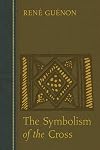
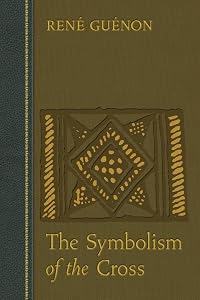
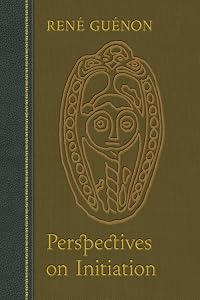
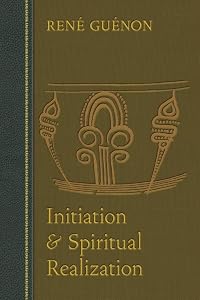
The Symbolism of the Cross is a major doctrinal study of the central symbol of Christianity from the standpoint of the universal metaphysical tradition, the 'perennial philosophy' as it is called in the West. As Guenon points out, the cross is one of the most universal of all symbols and is far from belonging to Christianity alone. Indeed, Christians have sometimes tended to lose sight of its symbolical significance and to regard it as no more than the sign of a historical event. By show more restoring to the cross its full spiritual value as a symbol, but without in any way detracting from its historical importance for Christianity, Guenon has performed a task of inestimable importance which perhaps only he, with his unrivalled knowledge of the symbolic languages of both East and West, was qualified to perform. Although The Symbolism of the Cross is one of Guenon's core texts on traditional metaphysics, written in precise, nearly 'geometrical' language, vivid symbols are necessarily pressed into service as reference points-how else could the mind ascend the ladder of analogy to pure intellection? Guenon applies these doctrines more concretely elsewhere in critiquing modernity in such works as The Crisis of the Modern World and The Reign of Quantity and the Signs of the Times, and invokes them also to help explain the nature of initiation and of initiatic organizations in such works as Perspectives on Initiation and Initiation and Spiritual Realization. show lessTags
Recommendations








Member Reviews
> Lecture ardue
Par Nicolas (Le blog de Menon), le 26 mai 2010 (Sur Amazon.fr) 3/5 … ; (en ligne),
URL : https://www.amazon.fr/gp/customer-reviews/R21VMB5L78ORT1?ref=pf_vv_at_pdctrvw_sr...
Voici un livre bien décevant car beaucoup trop porté sur la géométrie ; faute de dessins, il semble impossible pour un non connaisseur de la chose de saisir toute la pensée guénonienne.
Le principe est pourtant simple dans un premier temps. Guénon n'entend pas discuter de la croix du crucifix, même s'il n'évite pas le sujet, mais de l'Homme structuré spirituellement comme une croix.
Il s'agit de concevoir l'Etre comme l'alternance d'un état spirituel ascendant ou descendant, croisant perpendiculairement les manifestations de ses show more possibilités.
Cette structure nous conditionne et nous détermine. Swastika, tissage, croix du Christ, Arbre de Vie, etc. Nous sommes des êtres intimement liés au divin et perdus dans la réalité.
On peut donc regretter que Guénon ne fut pas plus clair (mais là encore, de nombreuses lectures s'imposent) et n'ait pas voulu dévoiler les méthodes d'élévation spirituelle pour atteindre Dieu... il aurait ainsi parlé de l'extase en Dieu des soufis ou de la Prière du coeur des orthodoxes. En l'occurrence, pour nous autres occidentaux, la Prière du Coeur a été mille fois discutée dans de nombreux livres facilement accessibles. Du reste, nul besoin d'essai sur le sujet : il s'agit simplement de répéter en boucle : « Jésus Christ, fils de Dieu, aie pitié de moi, pauvre pêcheur » et de se laisser porter par l'échelle de Jacob, pour monter vers Dieu comme le firent les Anges. show less
Par Nicolas (Le blog de Menon), le 26 mai 2010 (Sur Amazon.fr) 3/5 … ; (en ligne),
URL : https://www.amazon.fr/gp/customer-reviews/R21VMB5L78ORT1?ref=pf_vv_at_pdctrvw_sr...
Voici un livre bien décevant car beaucoup trop porté sur la géométrie ; faute de dessins, il semble impossible pour un non connaisseur de la chose de saisir toute la pensée guénonienne.
Le principe est pourtant simple dans un premier temps. Guénon n'entend pas discuter de la croix du crucifix, même s'il n'évite pas le sujet, mais de l'Homme structuré spirituellement comme une croix.
Il s'agit de concevoir l'Etre comme l'alternance d'un état spirituel ascendant ou descendant, croisant perpendiculairement les manifestations de ses show more possibilités.
Cette structure nous conditionne et nous détermine. Swastika, tissage, croix du Christ, Arbre de Vie, etc. Nous sommes des êtres intimement liés au divin et perdus dans la réalité.
On peut donc regretter que Guénon ne fut pas plus clair (mais là encore, de nombreuses lectures s'imposent) et n'ait pas voulu dévoiler les méthodes d'élévation spirituelle pour atteindre Dieu... il aurait ainsi parlé de l'extase en Dieu des soufis ou de la Prière du coeur des orthodoxes. En l'occurrence, pour nous autres occidentaux, la Prière du Coeur a été mille fois discutée dans de nombreux livres facilement accessibles. Du reste, nul besoin d'essai sur le sujet : il s'agit simplement de répéter en boucle : « Jésus Christ, fils de Dieu, aie pitié de moi, pauvre pêcheur » et de se laisser porter par l'échelle de Jacob, pour monter vers Dieu comme le firent les Anges. show less
Mar 11, 2021French
EL SIMBOLISMO DE LA CRUZ
Como todo símbolo fundamental de la Ciencia
Sagrada, la cruz posee múltiples sentidos que,
lejos de contradecirse, se complementan.
La cruz es un símbolo universal que,
bajo diferentes formas y aspectos, se encuentra
en casi todas partes y desde los tiempos
más remotos.
En el presente estudio, Réne Guénon desarrolla
sobre todo el sentido metafísico de la cruz
del cual derivan todos los otros
“Si Cristo murió en la cruz, afirma Guénon,
es a causa del valor simbólico que la cruz posee
en sí misma y que ha sido reconocido por todas
las tradiciones”.
EI SIMBOLISMO DE LA CRUZ constituye
una de las aportaciones más importantes en el campo
de la metafísica y el simbolismo y nos permite
descubrir cómo todo símbolo show more tradicional tiene un
origen no humano y un valor universal show less
Como todo símbolo fundamental de la Ciencia
Sagrada, la cruz posee múltiples sentidos que,
lejos de contradecirse, se complementan.
La cruz es un símbolo universal que,
bajo diferentes formas y aspectos, se encuentra
en casi todas partes y desde los tiempos
más remotos.
En el presente estudio, Réne Guénon desarrolla
sobre todo el sentido metafísico de la cruz
del cual derivan todos los otros
“Si Cristo murió en la cruz, afirma Guénon,
es a causa del valor simbólico que la cruz posee
en sí misma y que ha sido reconocido por todas
las tradiciones”.
EI SIMBOLISMO DE LA CRUZ constituye
una de las aportaciones más importantes en el campo
de la metafísica y el simbolismo y nos permite
descubrir cómo todo símbolo show more tradicional tiene un
origen no humano y un valor universal show less
May 19, 2018Spanish
L'essentiel de la pensée guénonienne sur l'Inde et la pensée traditionnelle. Une somme métaphysique. De la haute voltige.
Jun 13, 2018French
Ratings
Members
- Recently Added By
Author Information

159+ Works 3,063 Members
Rene Guenon (1886-1951) was one of the founders of the Perennialist or Traditionalist school of comparative religious thought. In a time of unquestioning belief in the dogmas of progress and evolution, Guenon issued a devastating critique of the modern world. A pioneering philosopher and orientalist, he also provided the intellectual keys for a show more reclamation of the West's spiritual riches through an exposition of the Eastern metaphysical doctrines. show less
Series

Common Knowledge
- Original publication date
- 1931
Classifications
- Genres
- Religion & Spirituality, Nonfiction, Philosophy
- DDC/MDS
- 291.37 — Religion Other religions [Formerly: General Religious Topics] [formerly: Public worship and other practices. Relocated to 203] [formerly: Labyrinths, Mandalas, and Symbolic Meditation. Relocated to 203.7]
- LCC
- BL604 .C7 .G813 — Philosophy, Psychology and Religion Religions. Mythology. Rationalism Religions. Mythology. Rationalism Worship. Cultus
- BISAC
Statistics
- Members
- 160
- Popularity
- 205,381
- Reviews
- 3
- Rating
- (3.78)
- Languages
- 6 — English, French, Italian, Romanian, Serbian, Spanish
- Media
- Paper
- ISBNs
- 22
- ASINs
- 1