On This Page
Description
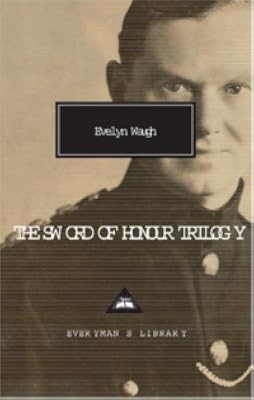
This trilogy spanning World War II, based in part on Evelyn Waugh's own experiences as an army officer, is the author's surpassing achievement as a novelist. Its central character is Guy Crouchback, head of an ancient but decayed Catholic family, who at first discovers new purpose in the challenge to defend Christian values against Nazi barbarism, but then gradually finds the complexities and cruelties of war overwhelming. Though often somber, Sword of Honor is also a brilliant comedy, show more peopled by the fantastic figures so familiar from Waugh's early satires. The deepest pleasures these novels afford come from observing a great satiric writer employ his gifts with extraordinary subtlety, delicacy, and human feeling, for purposes that are ultimately anything but satiric. Sword of Honor comprises the three acclaimed novels Men at Arms, Officers and Gentlemen, and Unconditional Surrender. show lessTags
Recommendations












Member Recommendations

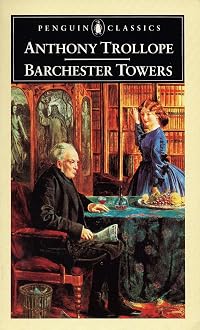
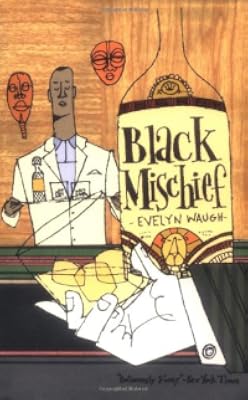
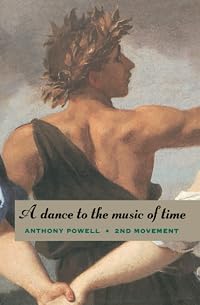
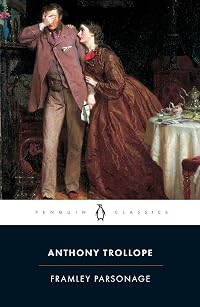
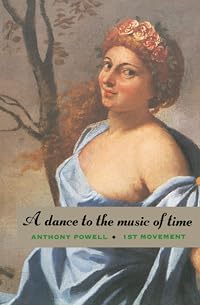
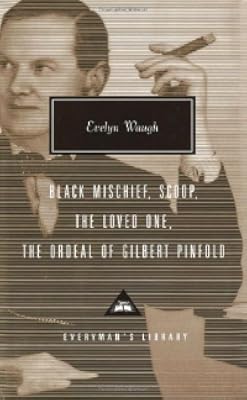
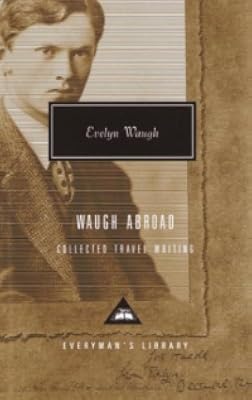
thorold Evelyn Waugh's Sword of honour trilogy covers much the same ground as the 3rd quarter of A dance to the music of time, based on their authors' experiences as slightly elderly and very unmilitary junior officers during World War II.

thorold Two rather different writers each identifying his particular war as the end of everything that was good and decent and Toryish about the England of his youth.
Member Reviews
My second (old) Waugh – and it’s also about the Second World War (did you see what I did there?). I’d been hoping to sneak this onto my Goodreads challenge as three books, as Sword of Honour is an omnibus of Men at Arms, Officers and Gentlemen and Unconditional Surrender. Except it isn’t, as Waugh rewrote the trilogy as a single novel shortly before his death. So it goes down on the challenge as a single book. Anyway… The novel charts the war experience of Guy Crouchback, scion of an old Catholic aristocratic family now fallen on hard times. He has spent the between-war years in Italy and speaks the language fluently. But he’s a bit of a wet, and the British are so thoroughly incompetent they’re incapable of taking show more advantage of his language skills. The nearest he gets is serving in Croatia near the end of the war. In fact, if there’s one thing that comes across in Sword of Honour it’s how useless the British were. We like to pretend we won WWII, but we didn’t. Not really. The Soviets did. And the Americans. Initially, we just fucked up big time. That’s what Dunkirk was. A major fuck-up. And even after all that, we still had a country run by upper-class twits and it took a while for the competent middle-class to get control. Reading Sword of Honour makes Brexit seem a lot more understandable – or rather, the fucking hash our government has made of Brexit. And yet Sword of Honour was meant to be a satire. It’s based partly on Waugh’s own war experiences, although he makes a Crouchback a much more likeable protagonist than Waugh himself apparently was. Because was by all accounts he was a nasty piece of work – a total snob and arrogant and a good candidate for being shot by his own men. Waugh gives Crouchback a better, if more ironic, future in his rewrite of the trilogy, but it’s still an essentially cheerful novel for all that it takes the piss mercilessly out of the British armed forces during wartime. I thought it a great deal better than Vile Bodies, not just because its subject matter I found more interesting but because it didn’t feel so overdone. Recommended. show less
Men at Arms - Part 1 of Sword of Honour
What fun - a bit like a cross between MASH, PG Wodehouse and Brideshead!
An upper class British Catholic divorcé leaves his home in Italy at the start of WW2 to try to join the army, and eventually succeeds.
The story is populated by quirky characters and strange coincidences, with glimpses of poignancy. Most of the characters are in a perpetual state of genial incomprehension and incompetence.
Waugh served in WW2 and if his experience was anything like what was described, it's amazing that we won. However, there are clearly some parallels, as the book is peppered with mentions of specific dates and events (helpfully explained in footnotes, in my edition).
Apthorpe's too literal "thunderbox", the old show more colonel that should have retired but no one quite wants to tell him he's not needed any more, bizarre and nonsensical bureaucracy, all beautifully written.
And best of all, there are two sequels - let's hope they're as good.
Officers and Gentlemen - Part 2 of Sword of Honour
In many ways this is very similar to the previous book about Guy Crouchback of the Halberdiers: soldiers being resigned to the comic ineptitude of their commanders and all sorts of intriguing characters.
However, this volume has more about the tactics and experience of war, so that I did slightly lose track in places (despite all the historical footnotes) and less outright comedy, less of life back home, less Catholic angst (less Catholicism altogether) etc.
The loucheness in Alexandria was good, and accidental heroics ofblowing up a railway in occupied France because they failed to find the Channel Island they were looking for were fun, but overall, I enjoyed it less.
Let's hope part 3 reverts to form.
Unconditional Surrender - Part 3 of Sword of Honour
Back to form (like part 1): a better balance (for my taste) between army and civilian storylines, but still plenty of eccentric characters, some shady secrets and lots of amusing bureaucratic inefficiency (the "intelligence" officers who consistently misinterpret Guy's connections and flag him as dubious are rather like a comic riff of Kafka), sprinkled with thoughts of faith, loyalty and doubt in terms of religion, relationships, nationality and class.
I feared the ending was going to be too obvious and tidy, but I need not have worried: it was more interesting that I'd feared. show less
What fun - a bit like a cross between MASH, PG Wodehouse and Brideshead!
An upper class British Catholic divorcé leaves his home in Italy at the start of WW2 to try to join the army, and eventually succeeds.
The story is populated by quirky characters and strange coincidences, with glimpses of poignancy. Most of the characters are in a perpetual state of genial incomprehension and incompetence.
Waugh served in WW2 and if his experience was anything like what was described, it's amazing that we won. However, there are clearly some parallels, as the book is peppered with mentions of specific dates and events (helpfully explained in footnotes, in my edition).
Apthorpe's too literal "thunderbox", the old show more colonel that should have retired but no one quite wants to tell him he's not needed any more, bizarre and nonsensical bureaucracy, all beautifully written.
And best of all, there are two sequels - let's hope they're as good.
Officers and Gentlemen - Part 2 of Sword of Honour
In many ways this is very similar to the previous book about Guy Crouchback of the Halberdiers: soldiers being resigned to the comic ineptitude of their commanders and all sorts of intriguing characters.
However, this volume has more about the tactics and experience of war, so that I did slightly lose track in places (despite all the historical footnotes) and less outright comedy, less of life back home, less Catholic angst (less Catholicism altogether) etc.
The loucheness in Alexandria was good, and accidental heroics of
Let's hope part 3 reverts to form.
Unconditional Surrender - Part 3 of Sword of Honour
Back to form (like part 1): a better balance (for my taste) between army and civilian storylines, but still plenty of eccentric characters, some shady secrets and lots of amusing bureaucratic inefficiency (the "intelligence" officers who consistently misinterpret Guy's connections and flag him as dubious are rather like a comic riff of Kafka), sprinkled with thoughts of faith, loyalty and doubt in terms of religion, relationships, nationality and class.
I feared the ending was going to be too obvious and tidy, but I need not have worried: it was more interesting that I'd feared. show less
The three novels that make up Evelyn Waugh's Second World War trilogy were published between 1952 and 1962. It was conceived from the start as a single work, but over that period of ten years, his ideas about the structure and emphasis of the work as a whole inevitably shifted a bit. A couple of years after the publication of Unconditional surrender, he therefore produced a revised, single-volume version, tweaked to conceal the joins and to bring the earlier parts more in line with his plan. The result, published as Sword of honour in 1964, was his last substantial work. This was the form in which I first encountered the work, and I think it is the best way to read it. The changes were quite small, but very effective. However, for a show more long time it was practically unobtainable except as a library book — Penguin didn't take it up, but carried on publishing the three component novels (singly or bound together). The first new edition of the revised single-volume work only appeared in 1999.
Waugh was a brilliant writer, of course, and he's at his most effective here. I've read this four or five times (in one piece and separately), yet I pick up something new out of it each time. The narrative is pared down to an absolute minimum : no gratuitous jokes, no blind satire, none of the lush patches that make Brideshead so delightfully awful. Everything is doing its job to advance the narrative: the characters are real individuals, not caricatures, and are always treated with sympathy, even when they are supposed to be hateful. There is — of course — a good deal of Waugh's prejudice against the modern world, the middle classes, women, the RAF, secularism, experimental literature, radio, and political ideas anywhere to the left of the Daily Telegraph; there is some anti-communist paranoia. But he never descends to the level of crude invective: his scorn is always reasoned, even if the reasoning would not make sense to anyone outside the mental universe of Combe Florey.
In his foreword, Waugh claims that he's writing a history of the decline of the English Recusant families (i.e. aristocrats who maintained the Roman Catholic tradition in England despite the Reformation), but of course he must know that the reader doesn't care tuppence about Popish landowners. What it really seems to be about is Waugh's Christian conviction of the absolute centrality of individual redemption. Crouchback looks for redemption in leading men into battle against the forces of evil, in the spirit of his Crusader ancestors; needless to say this doesn't work out as he hoped, but nonetheless, he does seem to find redemption of a sort elsewhere. Virginia is a kind of Magdalene figure, redeemed by giving love — it says something about Waugh that the most sympathetic female main character in all his books is essentially a whore — even Ludovic is permitted a certain kind of redemption, by reaching beyond his fake intellectualism to write a "trashy" novel that sounds suspiciously like Brideshead. Despite this theological seriousness, Waugh never loses sight of the absurd, comic side of life, even in the darkest days of war. This is the novel of Apthorpe's thunderbox and Ben Ritchie-Hook's biffing, of the explosive Laird of Mugg and — above all — of the endless ramifications of army paperwork, with its Security departments so secret that they never report the results of their investigations to anyone. show less
Waugh was a brilliant writer, of course, and he's at his most effective here. I've read this four or five times (in one piece and separately), yet I pick up something new out of it each time. The narrative is pared down to an absolute minimum : no gratuitous jokes, no blind satire, none of the lush patches that make Brideshead so delightfully awful. Everything is doing its job to advance the narrative: the characters are real individuals, not caricatures, and are always treated with sympathy, even when they are supposed to be hateful. There is — of course — a good deal of Waugh's prejudice against the modern world, the middle classes, women, the RAF, secularism, experimental literature, radio, and political ideas anywhere to the left of the Daily Telegraph; there is some anti-communist paranoia. But he never descends to the level of crude invective: his scorn is always reasoned, even if the reasoning would not make sense to anyone outside the mental universe of Combe Florey.
In his foreword, Waugh claims that he's writing a history of the decline of the English Recusant families (i.e. aristocrats who maintained the Roman Catholic tradition in England despite the Reformation), but of course he must know that the reader doesn't care tuppence about Popish landowners. What it really seems to be about is Waugh's Christian conviction of the absolute centrality of individual redemption. Crouchback looks for redemption in leading men into battle against the forces of evil, in the spirit of his Crusader ancestors; needless to say this doesn't work out as he hoped, but nonetheless, he does seem to find redemption of a sort elsewhere. Virginia is a kind of Magdalene figure, redeemed by giving love — it says something about Waugh that the most sympathetic female main character in all his books is essentially a whore — even Ludovic is permitted a certain kind of redemption, by reaching beyond his fake intellectualism to write a "trashy" novel that sounds suspiciously like Brideshead. Despite this theological seriousness, Waugh never loses sight of the absurd, comic side of life, even in the darkest days of war. This is the novel of Apthorpe's thunderbox and Ben Ritchie-Hook's biffing, of the explosive Laird of Mugg and — above all — of the endless ramifications of army paperwork, with its Security departments so secret that they never report the results of their investigations to anyone. show less
Doleful, decent, dutiful Guy Crouchback, averse to the passing fads and phrases of the times, welcomes the onset of the Second World War and sets forth to play his part; here surely is the momentous stage on which he may find purpose and meaning. Perhaps; amidst a succession of mishaps, a picaresque crew of characters and occasionally poignant events, he’s never completely down. As elsewhere, Waugh sets up those like Guy who feel alien to our times, pining for the calm and unchanging world that has slipped away, against the grasping, opportunistic, and fickle world around them. It’s a pessimistic take, seeing the age as ethically dubious (lacking the “honour” of the series title), but Waugh spins it out to great comic effect, show more traversing a trilogy of novels covering the years of the War and beyond. A real masterpiece, if perhaps a little overlooked in the company of Waugh’s earlier and shorter frolics. show less
Waugh is my favourite writer. Tucking into his book is like tucking into a bed freshly made with clean sheets. This trilogy follows the fortunes of Guy, a member of the British Catholic gentry, through his fortunes in war where he wants to fight the evil of Nazism as his feudal ancesters fought Crusades, meaning with conviction that God was on his side. But it doesn't quite work out as planned. Missions are aborted. Poor judgments made. Good and evil concepts slip into farce. Surely only the British can mock their key institutions in this way? If you enjoy war stories, thoroughly recommended.
Through Guy Crouchback, the detached observer and would be knight, who thought his private honour would be satisfied by war, Evelyn Waugh perfectly captures the bureaucracy, pettiness, absurdity, humour, and confusion of war. It all rings true with numerous little details that make this book so satisfying. It's everything that great literature should be - beautifully written, evocative. poignant, funny, tragic and profound.
I wonder how many of the great characters are also based on real people. I really want Jumbo Trotter, Apthorpe, Ludovic, Box-Bender, Trimmer Virginia, Peregrine, and - of course - Brigadier Ritchie-Hook to be real characters, as I do, the denizens of Bellamy's club.
In April 2013, I finally read Brideshead Revisited show more and was captivated from start to finish. You probably don't me to tell you it's a masterpiece. Before embarking on Sword of Honour, I would never have believed that Evelyn Waugh could have written two masterpieces. He has. Brideshead Revisited and Sword of Honour. That's in addition to all the other wonderful fiction and non-fiction.
Epic and extraordinary. You really should read Sword of Honour. A wonderful book. 5/5
NOTE ABOUT DIFFERENT EDITIONS:
Sword of Honour was originally published as three separate volumes Men At Arms (1952), Officers and Gentlemen (1955), and Unconditional Surrender 1961, however Waugh extensively revised these books to create a one-volume version "Sword of Honour" in 1965, and it is this version that Waugh wanted people to read.
The Penguin Classics version of "Sword of Honour", contains numerous informative and interesting footnotes and an introduction by Angus Calder, each time Waugh changed the text there was a note. Most of these are notes about sections that Waugh has removed with a view to ensuring that his "hero" Guy Crouchback is perceived as more worldly and experienced than was the case in the original version of the books. I can see why Waugh would choose to change the emphasis in this way and I think it makes the overall narrative more convincing and effective. show less
I wonder how many of the great characters are also based on real people. I really want Jumbo Trotter, Apthorpe, Ludovic, Box-Bender, Trimmer Virginia, Peregrine, and - of course - Brigadier Ritchie-Hook to be real characters, as I do, the denizens of Bellamy's club.
In April 2013, I finally read Brideshead Revisited show more and was captivated from start to finish. You probably don't me to tell you it's a masterpiece. Before embarking on Sword of Honour, I would never have believed that Evelyn Waugh could have written two masterpieces. He has. Brideshead Revisited and Sword of Honour. That's in addition to all the other wonderful fiction and non-fiction.
Epic and extraordinary. You really should read Sword of Honour. A wonderful book. 5/5
NOTE ABOUT DIFFERENT EDITIONS:
Sword of Honour was originally published as three separate volumes Men At Arms (1952), Officers and Gentlemen (1955), and Unconditional Surrender 1961, however Waugh extensively revised these books to create a one-volume version "Sword of Honour" in 1965, and it is this version that Waugh wanted people to read.
The Penguin Classics version of "Sword of Honour", contains numerous informative and interesting footnotes and an introduction by Angus Calder, each time Waugh changed the text there was a note. Most of these are notes about sections that Waugh has removed with a view to ensuring that his "hero" Guy Crouchback is perceived as more worldly and experienced than was the case in the original version of the books. I can see why Waugh would choose to change the emphasis in this way and I think it makes the overall narrative more convincing and effective. show less
Although some of Evelyn Waugh's other books (Brideshead Revisited, etc.) are better known, this trilogy is, in my opinion, his best work, and that's saying a lot since I consider Waugh one of the century's greatest writers. To use the word masterpiece, as others have done, is not to exaggerate.
Waugh's wit, his satire, his humanity, his moral center and his splendid characterizations and brilliant plotting are all used to wonderful effect here. The idiocy of war is revealed, as is the useless tragedy of it all. The protagonist, Crouchback, is both observer and pawn and it is his spiritual and emotional journey which propel the story. Many of the considerable cast of characters are grotesques and monsters of various kinds, but no less show more human for all of that, so great is Waugh's skill.
Above all, I think it is the author's ability to explore the most serious of questions with a light tough, one that keeps the reader rushing forward, that is the key to the works success. Not my first time reading it, and it won't be my last. show less
Waugh's wit, his satire, his humanity, his moral center and his splendid characterizations and brilliant plotting are all used to wonderful effect here. The idiocy of war is revealed, as is the useless tragedy of it all. The protagonist, Crouchback, is both observer and pawn and it is his spiritual and emotional journey which propel the story. Many of the considerable cast of characters are grotesques and monsters of various kinds, but no less show more human for all of that, so great is Waugh's skill.
Above all, I think it is the author's ability to explore the most serious of questions with a light tough, one that keeps the reader rushing forward, that is the key to the works success. Not my first time reading it, and it won't be my last. show less
Members
- Recently Added By
Lists

The Telegraph's 110 Best Books: The Perfect Library
101 works; 18 members

Books About World War II
102 works; 29 members

TML 200 Best Books 1950-1999
202 works; 10 members

Anthony Burgess 99 Post War Novels
99 works; 7 members

THE WAR ROOM
813 works; 24 members

Reading LIst
648 works; 1 member

The Modern Library (The Two Hundred Best Novels....
202 works; 1 member
Author Information

132+ Works 56,606 Members
Born in Hampstead and educated at Oxford University, Evelyn Waugh came from a literary family. His elder brother, Alec was a novelist, and his father, Arthur Waugh, was the influential head of a large publishing house. Even in his school days, Waugh showed sings of the profound belief in Catholicism and brilliant wit that were to mark his later show more years. Waugh began publishing his novels in the late 1920's. He joined the Royal Marines at the beginning of World War II and was one of the first to volunteer for commando service. In 1944 he survived a plane crash in Yugoslavia and, while hiding in a cave, corrected the proofs of one of his novels. Waugh's early novels, Decline and Fall (1927), Vile Bodies (1930), and A Handful of Dust (1934), established him as one of the funniest and most brilliant satirists the British had seen in years. He was particularly skillful at poking fun at the scramble for prominence among the upper classes and the struggle between the generations. He lived for a while in Hollywood, about which he wrote The Loved One (1948), a scathing attack on the United States's overly sentimental funeral practices. His greatest works, however, are Brideshead Revisited (1945), which has been made into a highly popular television miniseries, and the trilogy Sword of Honor (1965), composed of Men at Arms (1952), Officers and Gentlemen (1955), and The End of the Battle (1961). (Bowker Author Biography) show less

Evelyn Waugh has a Legacy Library. Legacy libraries are the personal libraries of famous readers, entered by LibraryThing members from the Legacy Libraries group.
Some Editions
Awards and Honors
Series

Belongs to Publisher Series
Work Relationships
Contains
Has the adaptation
Common Knowledge
- Canonical title
- The Sword of Honour Trilogy
- Original title
- Men at Arms; Officers and Gentlemen; Unconditional Surrender
- Original publication date
- 1952; 1955; 1961
- People/Characters
- Guy Crouchback
- Important events
- World War II
- Related movies
- Sword of Honour (1967 | IMDb); Sword of Honour (2001 | IMDb)
- Original language
- English
Classifications
Statistics
- Members
- 1,214
- Popularity
- 20,367
- Reviews
- 19
- Rating
- (4.18)
- Languages
- English, German
- Media
- Paper, Audiobook, Ebook
- ISBNs
- 25
- ASINs
- 27