Ten Cents a Dance
by Christine Fletcher
On This Page
Description
In 1940s Chicago, fifteen-year-old Ruby hopes to escape poverty by becoming a taxi dancer in a nightclub, but the work has unforeseen dangers and hiding the truth from her family and friends becomes increasingly difficult.Tags
Recommendations









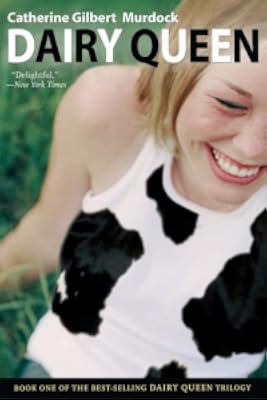
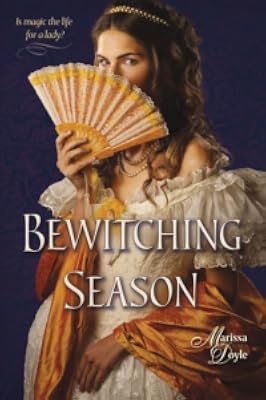

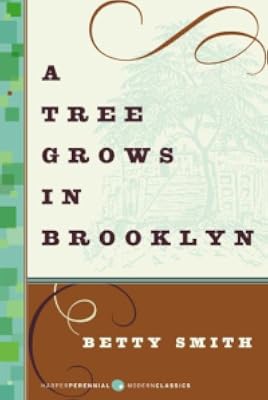
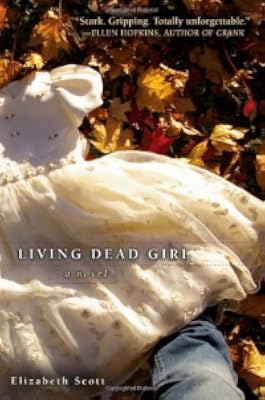

Member Recommendations


Member Reviews
Back during World War II, just before the US entered the war, there was slightly disreputable member of society called the taxi dancer. She was the dime-a-dance girl who worked in local dance halls, trading dances to strangers for tickets and tips. Ruby Jacinski is the half-Irish half-Polish daughter of a working class widow who can't work anymore due to arthritis. To support her family, Ruby drops out of school to work in the meat-packing plant: hard work that doesn't pay enough to support her mother and sister, let alone begin to pay off the back rent, coal and food bills. Her solution is pointed out by the developing gangster Paulie Suelze. Taxi Dancing.
At first dancing for a living was Ruby's dream come true. She made enough money show more to pay the family debts, and was even able to buy back her mother's pawned wedding ring. Perfect, right? It doesn't take too long before you realize that, savvy as she is, Ruby is in over her head. She is constantly either scamming or being scammed at the dance hall, her maybe-sweetheart is a Chicago thug who idolizes Capone, the US is hurtling towards war, and worst of all, she has to keep her job a complete secret from her family. Discovery of her taxi-dancing job would mean scandal and possibly the loss of the family she has worked so hard to support.
This thoughtful, measured historical novel is set in a time and world that I've never encountered in a book before. Ruby is a tough girl in a tough spot, and while her decisions aren't always wise, they're almost always understandable. She's sympathetic, and her family and taxi-dancing friends help tell the story of the WWII home front in a very effective way. My greatest surprise and pleasure was the author's note at the end. The story was inspired by one of the author's relatives, whose life is summed up by the author. A fascinating story that I half-wish she had chosen to write instead of Ruby's story. Perhaps a family history is in order? show less
At first dancing for a living was Ruby's dream come true. She made enough money show more to pay the family debts, and was even able to buy back her mother's pawned wedding ring. Perfect, right? It doesn't take too long before you realize that, savvy as she is, Ruby is in over her head. She is constantly either scamming or being scammed at the dance hall, her maybe-sweetheart is a Chicago thug who idolizes Capone, the US is hurtling towards war, and worst of all, she has to keep her job a complete secret from her family. Discovery of her taxi-dancing job would mean scandal and possibly the loss of the family she has worked so hard to support.
This thoughtful, measured historical novel is set in a time and world that I've never encountered in a book before. Ruby is a tough girl in a tough spot, and while her decisions aren't always wise, they're almost always understandable. She's sympathetic, and her family and taxi-dancing friends help tell the story of the WWII home front in a very effective way. My greatest surprise and pleasure was the author's note at the end. The story was inspired by one of the author's relatives, whose life is summed up by the author. A fascinating story that I half-wish she had chosen to write instead of Ruby's story. Perhaps a family history is in order? show less
I never lived during the 1940's and neither did Christine Fletcher, but after reading "Ten Cents a Dance" I'm almost convinced that we've been kicking around in Chicago together with Ruby Jacinski, 60 years ago. The music, the language, the smell of the meat-packing plants--it's all very real, in these pages.
Also real is the sense of hopelessness that comes with poverty, with the beginning of a war, and with being a young woman in a time of double standards, when marrying well was considered by many to be the best chance of success. Like the proverbial bull crashing through life's china shops (Well, smarter and far more feminine, of course, than the average bull), Ruby's next move is never predictable except in that it's likely to lead show more to disaster. But she'll never choose to give in--for Ruby, giving in means giving up on herself, on her family, and on ever leaving the Yards.
This makes the book sound very serious, and it is. But Ruby's plucky stubborness sets her firmly in the middle of near-impossible situations, and watching how she navigates her way out of them will bring frequent smiles and the occasional right-out-loud laugh or gasp of horror (she did what?!).
The only thing lacking is for the male characters to be fleshed out a bit more. Handsome bad-boy Paulie is a pretty straighforward character, carefully drawn so that the reader sees him for who he is despite Ruby's innocence. The more interesting men--Manny, a Filipino architect-turned-railroad-porter; Ozzie, an African-American trumpet player and composer--are both characters worthy of a book in their own right, but neither asserts his presence enough for the reader to get to know them fully here.
I wondered, as I read, how on earth this story could lead to an ending that wouldn't leave the reader disappointed: in Ruby, and in the book. But Fletcher comes through beautifully. Like a dish of sorbet after a heavy meal, the final chapter is just enough to give closure on Ruby's taxi-dancing misadventure, without overdoing it.
An interview with the author, based on this review, can be found at Christine Fletcher Interview; Worducopia.blogspot.com show less
Also real is the sense of hopelessness that comes with poverty, with the beginning of a war, and with being a young woman in a time of double standards, when marrying well was considered by many to be the best chance of success. Like the proverbial bull crashing through life's china shops (Well, smarter and far more feminine, of course, than the average bull), Ruby's next move is never predictable except in that it's likely to lead show more to disaster. But she'll never choose to give in--for Ruby, giving in means giving up on herself, on her family, and on ever leaving the Yards.
This makes the book sound very serious, and it is. But Ruby's plucky stubborness sets her firmly in the middle of near-impossible situations, and watching how she navigates her way out of them will bring frequent smiles and the occasional right-out-loud laugh or gasp of horror (she did what?!).
The only thing lacking is for the male characters to be fleshed out a bit more. Handsome bad-boy Paulie is a pretty straighforward character, carefully drawn so that the reader sees him for who he is despite Ruby's innocence. The more interesting men--Manny, a Filipino architect-turned-railroad-porter; Ozzie, an African-American trumpet player and composer--are both characters worthy of a book in their own right, but neither asserts his presence enough for the reader to get to know them fully here.
I wondered, as I read, how on earth this story could lead to an ending that wouldn't leave the reader disappointed: in Ruby, and in the book. But Fletcher comes through beautifully. Like a dish of sorbet after a heavy meal, the final chapter is just enough to give closure on Ruby's taxi-dancing misadventure, without overdoing it.
An interview with the author, based on this review, can be found at Christine Fletcher Interview; Worducopia.blogspot.com show less
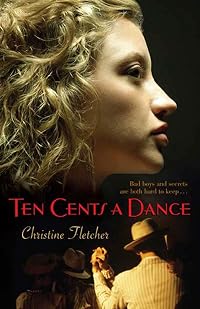
I don't often read books tagged as 'Young Adult', but after reading the blurb, 'Ten Cents a Dance' captured my imagination and certainly didn't disappoint! (Although, if I were going to judge a book by its cover, the paperback version would have fueled my prejudice and put me right off - the hardback design is far more appropriate, not to mention attractive!)
Based on the author's great aunt, in essence if not in fact, this is the story of Ruby, a young girl living in the slums of 1940s Chicago, who becomes a 'taxi dancer' to support her family. (Taxi dancers were women paid to 'entertain' men in dubious clubs and dance halls, charging a dime a dance ('The customers rent you. Like a taxi. Get it?'). The girls learned how to supplement show more their commission with tips by letting their customers 'buy' their company for the whole night, treading the fine line between paid escorts and prostitution.)
If not for the honest approach of Christine Fletcher, this could easily have turned into a condescending take on the past written for today's teenagers - sixteen year old girl makes bad choices for good reasons, falls in love with a bad boy but learns to stand up for herself, etc. Instead, Ruby is tough but not wise, spirited but not 'savvy', generous but selfish - a typical 1940s teenager. When she is persuaded to take the job in the local dance hall by the boy she falls in love with, it's because she loves dancing and hates working in a factory. He tells her that she can earn twice the money just from teaching men the latest steps and being friendly with them, and she believes him. She delights in buying gifts for her family and paying off their debts, but she also wants new dresses and nice treats for herself. Ruby tells her own story as she perceives it, and Christine Fletcher gives her such a vibrant, distinctive voice that the reader also gets caught up in the first flush of love and the thrill of dancing all night in clubs, but at the same time would like to shake Ruby and shout at her, 'Why can't you see what's happening?' (I certainly did!) Even when Ruby loses her innocence - or ignorance - and hardens to the reality of what she is doing, she still makes mistakes. I must applaud the author's decision not to romanticise this tale of rags to relative riches (and back to rags), because Ruby is made a stronger heroine for surviving.
This is a gripping story, setting aside the glamour of sharp suits, satin gowns and rock and roll for dodgy dealings in the shadows of pre-war America. And I'll reserve judgement on YA titles in the future, because for all the polite censoring of bad language and sex scenes, this is one of the most sophisticated and sensitively written stories I've read this year. In Ruby's words:
'Nothing happened the way I'd imagined it would. But those were little-girl dreams, babyish as the stories in romance magazines. Runaway heiresses and dukes in disguise. If you were savvy, you knew real life wasn't like that.' show less
Based on the author's great aunt, in essence if not in fact, this is the story of Ruby, a young girl living in the slums of 1940s Chicago, who becomes a 'taxi dancer' to support her family. (Taxi dancers were women paid to 'entertain' men in dubious clubs and dance halls, charging a dime a dance ('The customers rent you. Like a taxi. Get it?'). The girls learned how to supplement show more their commission with tips by letting their customers 'buy' their company for the whole night, treading the fine line between paid escorts and prostitution.)
If not for the honest approach of Christine Fletcher, this could easily have turned into a condescending take on the past written for today's teenagers - sixteen year old girl makes bad choices for good reasons, falls in love with a bad boy but learns to stand up for herself, etc. Instead, Ruby is tough but not wise, spirited but not 'savvy', generous but selfish - a typical 1940s teenager. When she is persuaded to take the job in the local dance hall by the boy she falls in love with, it's because she loves dancing and hates working in a factory. He tells her that she can earn twice the money just from teaching men the latest steps and being friendly with them, and she believes him. She delights in buying gifts for her family and paying off their debts, but she also wants new dresses and nice treats for herself. Ruby tells her own story as she perceives it, and Christine Fletcher gives her such a vibrant, distinctive voice that the reader also gets caught up in the first flush of love and the thrill of dancing all night in clubs, but at the same time would like to shake Ruby and shout at her, 'Why can't you see what's happening?' (I certainly did!) Even when Ruby loses her innocence - or ignorance - and hardens to the reality of what she is doing, she still makes mistakes. I must applaud the author's decision not to romanticise this tale of rags to relative riches (and back to rags), because Ruby is made a stronger heroine for surviving.
This is a gripping story, setting aside the glamour of sharp suits, satin gowns and rock and roll for dodgy dealings in the shadows of pre-war America. And I'll reserve judgement on YA titles in the future, because for all the polite censoring of bad language and sex scenes, this is one of the most sophisticated and sensitively written stories I've read this year. In Ruby's words:
'Nothing happened the way I'd imagined it would. But those were little-girl dreams, babyish as the stories in romance magazines. Runaway heiresses and dukes in disguise. If you were savvy, you knew real life wasn't like that.' show less
Fascinating look at a teenager living in the 'yards' of Chicago at the beginning of WWI. Ruby, 16 years old, has been supporting her younger sister and widowed mother for months when local bad boy Paulie tells her she can make more money taxi dancing than working in a meat-packing plant. Ruby can't tell anyone she has a new job for fear of her reputation and must find a way to juggle increasing attention from the men at the dance hall and her desire to make money in order to help her family. Only everyone around her seems to have a story and everyone seems to be lying as well. I was so intrigued by this moving and honest and often depressing portayal of a teenager's life that could fall apart at any moment. Ruby is smart and sassy and show more full of a young girls dreams but feels her responsibility to her family keenly. I loved this book, even though it didn't excatly have a 'happy' ending but it was satisfying and left me thinking long afterwards. Very enjoyable and enlightening read. show less
Set in WW II Chicago, Ruby hates her job in the factory, so when the bad boy of the neighborhood tells her about a gig teaching men to dance, she jumps at it. But when she gets there, she discovers it's more than just dancing. The wages and tips more tahn make up for any shame she feels about what she's doing, and as long as she doesn't let things go too far or her family find out, she can live with it, especially when she starts dating the bad boy. Things start to unravel after her mother remarries, WW II starts, she goes farther than she thought she would with her boyfriend, and discovers that everyone keeps their own secrets.
This really was a 4.5 star book. It would be 5 stars but I'm still mulling over the ending. I had a bit of a hard time picturing a 16 year old doing what she did but then again I don't know any 16 year olds who had to quit school so they could support their family.
I absolutely loved the main character, Ruby and how she navigates a world she doesn't really want to be in while trying to stay true to herself. The period details were wonderful and made the story come alive in a way that couldn't be done if she wasn't speaking '40s slang. love love loved it.
I absolutely loved the main character, Ruby and how she navigates a world she doesn't really want to be in while trying to stay true to herself. The period details were wonderful and made the story come alive in a way that couldn't be done if she wasn't speaking '40s slang. love love loved it.
In 1941 Ruby Jacinski works at the meat-packing plant for 12 bucks a week to support her ailing mother and younger sister. When the guy she likes tells her about a place where she can earn four times that amount by doing what she loves - dancing - Ruby quits her job and starts working at the Starlight Dance Academy. But taxi-dancing is not a job for a respectable girl and soon Ruby gets caught in the web of lies she has to spin.
I loved this book! It's rich with historical detail but never feels dry. Ruby has an authentic voice, but in a way that's still accessible to the modern-day reader. Christine Fletcher really paints a picture with her words. The writing is lovely and I got completely caught up in the story. I didn't want to put show more it down and I didn't want the story to end.
Read more on my blog:
http://abbylibrarian.blogspot.com/2008/12/book-review-ten-cents-dance.html show less
I loved this book! It's rich with historical detail but never feels dry. Ruby has an authentic voice, but in a way that's still accessible to the modern-day reader. Christine Fletcher really paints a picture with her words. The writing is lovely and I got completely caught up in the story. I didn't want to put show more it down and I didn't want the story to end.
Read more on my blog:
http://abbylibrarian.blogspot.com/2008/12/book-review-ten-cents-dance.html show less
Members
- Recently Added By
Author Information

2 Works 406 Members
Awards and Honors
Awards
Distinctions
Common Knowledge
- Canonical title
- Ten Cents a Dance
- Original publication date
- 2008
- People/Characters
- Ruby Jacinski; Ozzie; Paulie Suelze; Betty Jacinski; Ma; Chester (show all 8); Del; Stan
- Important places
- Chicago, Illinois, USA; Illinois, USA; Cook County, Illinois, USA
- Important events
- Attack on Pearl Harbor (1941-12-07); World War II (1939 | 1945)
- Dedication
- For Mitch
- First words
- We heard the music even before we got to Union Hall.
- Quotations
- If the beginning of the world had a scent, it would be ocean. Sharp and strong and new.
- Last words
- (Click to show. Warning: May contain spoilers.)I miss you.
Your loving daughter,
Ruby
Classifications
Statistics
- Members
- 317
- Popularity
- 100,521
- Reviews
- 24
- Rating
- (4.01)
- Languages
- English
- Media
- Paper, Ebook
- ISBNs
- 3
- ASINs
- 1