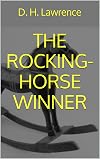
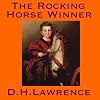
The Rocking-Horse Winner [short story]
by D. H. Lawrence
On This Page
Description
A young boy growing up in a household where there is no love, no luck, and always a shortage of money, develops an uncanny ability to pick horse-race winners whenever he obsessively rides his wooden rocking-horse. Includes an analysis of the story and a biography of the author.Tags
Recommendations
















Member Reviews
D. H. Lawrence’s short story The Rocking Horse Winner is, on the surface, a dark ghost story: a boy hears his house whispering the names of the winners in upcoming horse races whilst he furiously rides his rocking horse, his subsequent bets thereby amassing a small fortune to satisfy his mother’s need for money. But just beneath the surface, this is in fact an even darker tale of a boy with an intense Oedipus complex, seeking his mother’s love and affection, with his rocking horse rides an obvious metaphor for self-gratification. This is a hauntingly effective story on both levels.
I found this to be a brilliant story, though I would never have imagined that it had been written by D.H. Lawrence.
It is about a young boy called Paul with a rocking-horse who lives in a family where there is never enough money.
The house is haunted by the unspoken phrase: ”There must be more money”
The mother says the father has no luck, luck being what causes you to have money.
But Paul feels he is a lucky person: God has told him.
While Paul’s two sisters play with their dolls, he would sit on his big rocking-horse, “charging madly into space”. The horse “careered” wildly, and the boy’s eyes have a strange glare in them.
He commands the horse silently “Take me to where there is luck!”
Paul talks about horse-races show more with Bassett, the young gardener.
Paul sometimes puts money on a horse. He has an uncle, Uncle Oscar, who is also interested in racing and asks Paul for a tip.
Paul recommends Daffodil, an obscure horse. He only knows the winner of the races. He puts 300 pounds on Daffodil. He partners with Bassett, who keeps his money for him.
Uncle Oscar takes Paul to the Lincoln races where Daffodil is competing. Daffodil wins.
Bassett tells Uncle Oscar that Paul and he always win when Paul is sure about the winner. It’s like Paul had it from heaven.
Paul is making the money for his mother, since the house is always short of money and his mother is always getting writs.
Paul’s eyes have “an uncanny cold fire” in them.
Uncle Oscar isn’t permitted to tell Paul’s mother about Paul’s betting.
Paul gives five thousand pounds to his uncle who deposits it with the family lawyer; he tells Paul’s mother that a relative has given him five thousand pounds, which is to be paid out a thousand pounds at a time on the mother’s birthday, for the next five years.
She receives the lawyer’s letter about the money but does not seem pleased, and says nothing about it.
It turns out that the mother goes to the lawyer and asks for the full five thousand to be paid out, because she is in debt.
A curious thing happens: the voices in the house saying “there must be more money” suddenly go mad.
There are new furnishings; Paul has a tutor and is going to Eton.
The mother turns out to be a spendthrift, and things get worse.
Paul studies at his Latin and Greek, but he does not know the winner of the Grand National or the Lincoln, and he becomes “wild-eyed and strange” as if “something were going to explode in him”.
Paul’s eyes blaze “with a sort of madness”.
He has “a secret within a secret”.
His secret is his rocking-horse, which he now has in his own bedroom.
The Derby is “drawing near” and Paul is growing more and more tense . He is frail, his eyes are “really uncanny” and he hardly hears what is spoken to him
His mother has spells of anxiety about him, and sometimes wants to rush to him at once.
Two nights before the Derby, she is at a big party in town when she has a terribly strong feeling of anxiety about Paul and has to leave the dance and phone the nursery-governess, who says he is right as rain.
When she and her husband get home, she goes up to Paul’s room.
She sees her son “madly singing” on his rocking-horse.
He screams in a powerful, strange voice: “It’s Malabar”. Then he falls with a crash to the ground, unconscious.
He has brain-fever. He keeps saying, “Bassett, I know. It’s Malabar”.
Oscar tells her Malabar is one of the horses running for the Derby.
Oscar and Bassett put lots of money on Malabar, at fourteen to one.
Paul is still unconscious and his eyes are like blue stones. His mother “turned actually into a stone”. (She is a cold woman.)
Bassett comes and tells Master Paul that Malabar came in first, and Paul has made seventy thousand pounds.
Paul become conscious and tells his mother “If I can ride my horse and get there then I’m absolutely sure. He says “I m lucky.
But Paul dies in the night.
So the boy, Paul, rides his rocking-horse furiously and learns the names of the the winners in the various races. This makes him lucky and he earns lots of money.
His obsession leads to a kind of madness.
We get lots of clues about this madness from the beginning of the story.
Paul succeeds in his aim, to get lots of money for his mother. And there is no death.
I found this to be a superb story. show less
It is about a young boy called Paul with a rocking-horse who lives in a family where there is never enough money.
The house is haunted by the unspoken phrase: ”There must be more money”
The mother says the father has no luck, luck being what causes you to have money.
But Paul feels he is a lucky person: God has told him.
While Paul’s two sisters play with their dolls, he would sit on his big rocking-horse, “charging madly into space”. The horse “careered” wildly, and the boy’s eyes have a strange glare in them.
He commands the horse silently “Take me to where there is luck!”
Paul talks about horse-races show more with Bassett, the young gardener.
Paul sometimes puts money on a horse. He has an uncle, Uncle Oscar, who is also interested in racing and asks Paul for a tip.
Paul recommends Daffodil, an obscure horse. He only knows the winner of the races. He puts 300 pounds on Daffodil. He partners with Bassett, who keeps his money for him.
Uncle Oscar takes Paul to the Lincoln races where Daffodil is competing. Daffodil wins.
Bassett tells Uncle Oscar that Paul and he always win when Paul is sure about the winner. It’s like Paul had it from heaven.
Paul is making the money for his mother, since the house is always short of money and his mother is always getting writs.
Paul’s eyes have “an uncanny cold fire” in them.
Uncle Oscar isn’t permitted to tell Paul’s mother about Paul’s betting.
Paul gives five thousand pounds to his uncle who deposits it with the family lawyer; he tells Paul’s mother that a relative has given him five thousand pounds, which is to be paid out a thousand pounds at a time on the mother’s birthday, for the next five years.
She receives the lawyer’s letter about the money but does not seem pleased, and says nothing about it.
It turns out that the mother goes to the lawyer and asks for the full five thousand to be paid out, because she is in debt.
A curious thing happens: the voices in the house saying “there must be more money” suddenly go mad.
There are new furnishings; Paul has a tutor and is going to Eton.
The mother turns out to be a spendthrift, and things get worse.
Paul studies at his Latin and Greek, but he does not know the winner of the Grand National or the Lincoln, and he becomes “wild-eyed and strange” as if “something were going to explode in him”.
Paul’s eyes blaze “with a sort of madness”.
He has “a secret within a secret”.
His secret is his rocking-horse, which he now has in his own bedroom.
The Derby is “drawing near” and Paul is growing more and more tense . He is frail, his eyes are “really uncanny” and he hardly hears what is spoken to him
His mother has spells of anxiety about him, and sometimes wants to rush to him at once.
Two nights before the Derby, she is at a big party in town when she has a terribly strong feeling of anxiety about Paul and has to leave the dance and phone the nursery-governess, who says he is right as rain.
When she and her husband get home, she goes up to Paul’s room.
She sees her son “madly singing” on his rocking-horse.
He screams in a powerful, strange voice: “It’s Malabar”. Then he falls with a crash to the ground, unconscious.
He has brain-fever. He keeps saying, “Bassett, I know. It’s Malabar”.
Oscar tells her Malabar is one of the horses running for the Derby.
Oscar and Bassett put lots of money on Malabar, at fourteen to one.
Paul is still unconscious and his eyes are like blue stones. His mother “turned actually into a stone”. (She is a cold woman.)
Bassett comes and tells Master Paul that Malabar came in first, and Paul has made seventy thousand pounds.
Paul become conscious and tells his mother “If I can ride my horse and get there then I’m absolutely sure. He says “I m lucky.
But Paul dies in the night.
So the boy, Paul, rides his rocking-horse furiously and learns the names of the the winners in the various races. This makes him lucky and he earns lots of money.
His obsession leads to a kind of madness.
We get lots of clues about this madness from the beginning of the story.
Paul succeeds in his aim, to get lots of money for his mother. And there is no death.
I found this to be a superb story. show less
Nice short story. Ending was odd and unexpected and felt like an "I have to end this." The child was more adult than the adults.
Read eons ago. Realised just now that I haven't updated it on GR. Don't even remember the details except the poor tired boy on the rocking chair horse! But a good classic short story. Ought to be free on various sites online as it is in the public domain.
Ratings
Members
- Recently Added By
Author Information

903+ Works 60,817 Members
D(avid) H(erbert) Lawrence was born on September 11, 1885. His father was a coal miner and Lawrence grew up in a mining town in England. He always hated the mines, however, and frequently used them in his writing to represent both darkness and industrialism, which he despised because he felt it was scarring the English countryside. Lawrence show more attended high school and college in Nottingham and, after graduation, became a school teacher in Croyden in 1908. Although his first two novels had been unsuccessful, he turned to writing full time when a serious illness forced him to stop teaching. Lawrence spent much of his adult life abroad in Europe, particularly Italy, where he wrote some of his most significant and most controversial novels, including Sons and Lovers and Lady Chatterly's Lover. Lawrence and his wife, Frieda, who had left her first husband and her children to live with him, spent several years touring Europe and also lived in New Mexico for a time. Lawrence had been a frail child, and he suffered much of his life from tuberculosis. Eventually, he retired to a sanitorium in Nice, France. He died in France in 1930, at age 44. In his relatively short life, he produced more than 50 volumes of short stories, poems, plays, essays, travel journals, and letters, in addition to the novels for which he is best known. (Bowker Author Biography) show less
Some Editions
Work Relationships
Is contained in
Has the adaptation
Has as a study
Has as a student's study guide
Common Knowledge
- Canonical title
- The Rocking-Horse Winner [short story]
- Original title
- The Rocking-Horse Winner
- Original publication date
- 1926-07
- People/Characters*
- Paul; Joan; Onkel Oscar Cresswell; Bassett; Hester
- Related movies
- The Rocking Horse Winner (1977 | IMDb)
- First words
- There was a beautiful woman who started life with all the advantages, but she had no luck.
- Last words
- (Click to show. Warning: May contain spoilers.)"But, poor, poor boy, he's best gone out of a life where he rides his rocking-horse to find a winner."
- Original language*
- Englisch
- Disambiguation notice
- A single stort story. Do Not combine with collections.
*Some information comes from Common Knowledge in other languages. Click "Edit" for more information.
Classifications
- Genres
- Fiction and Literature, General Fiction
- DDC/MDS
- 428.64 — Language English & Old English languages Standard English usage (Prescriptive linguistics) Readers Readers for people whose native language is different
- LCC
- PZ7 .L43533 — Language and Literature Fiction and juvenile belles lettres Fiction and juvenile belles lettres Juvenile belles lettres
- BISAC
Statistics
- Members
- 68
- Popularity
- 461,462
- Reviews
- 4
- Rating
- (3.46)
- Languages
- English, German
- Media
- Paper, Audiobook, Ebook
- ISBNs
- 8
- ASINs
- 6