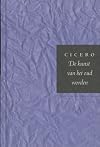
On A Life Well Spent
by Marcus Tullius Cicero
On This Page
Description
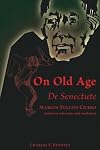
This is a complete critical edition of Cicero's Cato Maior de Senectute (On Old Age) with an introduction and commentary. The text is based on a fresh examination of the manuscript tradition while the introduction aims to place the work in the context of Cicero's writings on old age in the ancient world. The Roman and Ciceronian qualities of the work are emphasized, rather than the search for lost sources that occupied scholars in the past. Matters of text, language, and content are all show more considered equally in the commentary. show lessTags
Recommendations



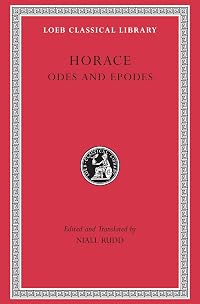

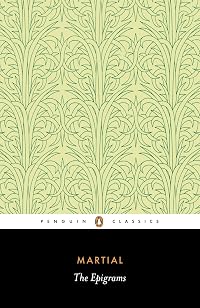
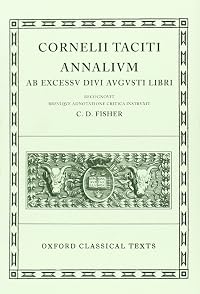

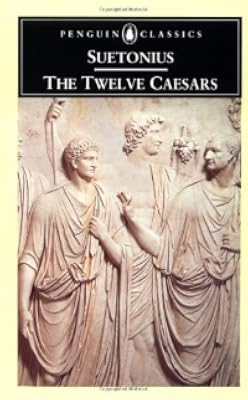










Member Reviews
Beautiful language and very dense writing, with a lot of historical references being thrown in. Annotations save those from becoming completely puzzling, though they make the text at times difficult to read since they interrupt the flow.
Edition: // Descr: xlii, 232 p. 15.5 cm. // Series: Elementary Classics Call No. { 875 C48 1 } Edited with Notes by E.S. Shuckburgh Revised and in Great Part Rewritten by James C. Egbert Contains Vocabulary. // //
Edition: // Descr: xviii, 105 p. 19 cm. // Series: Call No. { 875 C48 20 } Edited by J.H. Allen, W.F. Allen, and J.B. Greenough Reedited by Katharien Allen Contains Notes, Greek Philosophers Mentioned in the Cato Maior, Index of Persons, and Appendix. // //
Edition: // Descr: 200 p. 19 cm. // Series: Call No. { 875 C48 18 copy #2 } Edited with Introduction and Notes by Frank Ernest Rockwood Contains Index to Notes and Vocabulary. // //
Edition: New Edition, Revised // Descr: xviii, 99 p. : ill. 17 cm. // Series: Call No. { 875 C48 60 } Part I: Introduction and Text Edited with Notes by Leonard Huxley Contains Index of Persons and Vocabulary. // //
Edition: New Edition // Descr: 189 p. 17 cm. // Series: Pitt Press Series Call No. { 875 C48 23 } Edited for Schools and Colleges by James S. Reid Contains Notes, Appendices, and Index. // //
Edition: // Descr: xxxvi, 226 p. : ill. 16 cm. // Series: Elementary Classics Call No. { 875 C48 24 } Edited with Notes, Vocabulary, and Bibliographical Index for the Use of Schools by E.S. Shuckburgh. // //
Members
- Recently Added By
Lists

Truly old classics
63 works; 6 members

How to Read a Book's Recommended Reading List
309 works; 10 members

Greatest Books, allegedly
484 works; 9 members
Author Information

2,152+ Works 26,803 Members
Born in Arpinum on January 3, 106 B.C., Marcus Tullius Cicero was a Roman orator, writer, and politician. In Rome, Cicero studied law, oratory, philosophy, and literature, before embarking on a political career. Banished from Rome in 59 B.C. for the execution of some members of the Catiline group, Cicero devoted himself to literature. Cicero was show more pardoned by Julius Caesar in 47 B.C., and returned to Rome to deliver his famous speeches, known as the "Philippics," urging the senate to declare war on Marc Antony. Cicero's chief works, written between 46 and 44 B.C., can be classified in the categories of philosophical works, letters, and speeches. The letters, edited by his secretary Tiro, showcase a unique writing style and charm. The most popular work of the period was De Officiis, a manual of ethics, in which Cicero espoused fundamental Christian values half a century before Christ. Cicero was murdered in Formiae, Italy, on December 4, 43 B.C., by Antony's soldiers after the triumvirate of Antony, Lepidus, and Octavius was formed. (Bowker Author Biography) show less
Some Editions
Awards and Honors
Notable Lists
Series
Belongs to Publisher Series
Work Relationships
Is contained in
Common Knowledge
- Canonical title*
- Vanhuudesta
- Original title
- Cato maior de senectute
- Alternate titles
- De senectute; On Old Age
- Original publication date
- 1902 (Macmillan ed.) (Macmillan ed.)
- First words
- Introduction: Marcus Tullius Cicero was born in 106 BCE and murdered in 43 BCE
- Last words
- (Click to show. Warning: May contain spoilers.)This is what I had to say of Old Age; which I wish you also may live to attain that you may from your own Experience, witness the Truth of the several Things I have now delivered you in this Conversation.
*Some information comes from Common Knowledge in other languages. Click "Edit" for more information.
Classifications
- Genres
- Philosophy, Nonfiction, General Nonfiction, History
- DDC/MDS
- 170 — Philosophy & psychology Ethics Animals rights, Euthanasia, Pro-life
- LCC
- PA6296 .C2 — Language and Literature Greek language and literature. Latin language and literature Roman literature Individual authors Cicero, Marcus Tullius
- BISAC
Statistics
- Members
- 564
- Popularity
- 52,637
- Reviews
- 17
- Rating
- (3.71)
- Languages
- 15 — Catalan, Chinese, Dutch, English, Finnish, French, German, Icelandic, Italian, Latin, Multiple languages, Polish, Portuguese, Spanish, Swedish
- Media
- Paper, Ebook
- ISBNs
- 70
- ASINs
- 20