The Birth of Plenty: How the Prosperity of the Modern World was Created
by William J. Bernstein
On This Page
Description
"The Birth of Plenty suggests - and supports with groundbreaking analysis - that from the dawn of recorded history through 1820, the "mass of man" experienced essentially zero growth, both in economic standing or living standards. It was only in the nineteenth century that the world's standard of living began to inexorably and irreversibly improve and the modern world was born." "The Birth of Plenty frames the modern world's prosperity - or, in far too many cases, continuing lack of show more prosperity - in terms that are ingenious yet simple, complex yet easily understood. Entertaining and provocative, it will forever change the way you view the human pursuit of happiness and bring the conflicts of both the world's superpowers and developing nations into a fascinating and informative new light."--Jacket. show lessTags
Recommendations
















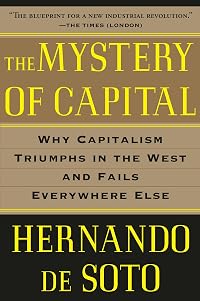

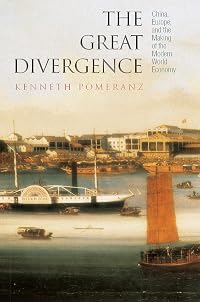

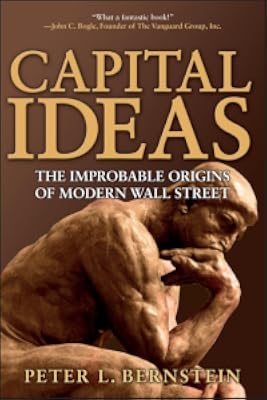


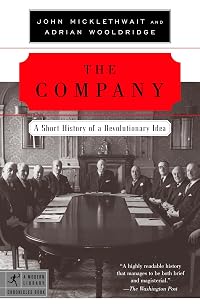


















Member Reviews
The Roots of Prosperity
This book explores the cultural and historical factors that converged during the early 1800s to ignite today’s economic boom.
The author cites four ingredients: Property rights, scientific rationalism, capital markets and improvements in transportation and communication. He identifies when and how, beginning in the 1820s, each played an accelerating role in our growth.
Bernstein’s examination of the role these effects had on people’s personal lives adds to this book’s value. By identifying the causes of our prosperity, Bernstein provides the reader with a personal platform to assess where we are currently headed.
Surprisingly, the author argues progress has been slowing since 1850. The average resident of the show more Western world alive in 1950 would have no trouble accepting the technology of the year 2000. This was not the case in 1800. The horse was the fastest moving object then. By 1837, the telegraph’s instant communication changed the world forever. show less
This book explores the cultural and historical factors that converged during the early 1800s to ignite today’s economic boom.
The author cites four ingredients: Property rights, scientific rationalism, capital markets and improvements in transportation and communication. He identifies when and how, beginning in the 1820s, each played an accelerating role in our growth.
Bernstein’s examination of the role these effects had on people’s personal lives adds to this book’s value. By identifying the causes of our prosperity, Bernstein provides the reader with a personal platform to assess where we are currently headed.
Surprisingly, the author argues progress has been slowing since 1850. The average resident of the show more Western world alive in 1950 would have no trouble accepting the technology of the year 2000. This was not the case in 1800. The horse was the fastest moving object then. By 1837, the telegraph’s instant communication changed the world forever. show less
Fairly standard account of the world's economic history since the industrial revolution. Starts with the value of John Harrisons's newly invented chronometer (to compute longitude) to seafarers in the 18th century. The invention was the result of a prize offered by the British parliament to improve navigation at sea.
Bernstein talks about four essential factors: property rights, scientific rationalism, effective capital markets, efficient transportation and communication needed for prosperity. First a little bit in 16th century Holland, then spread.
Argues that the communication revolution took place with the electrical telegraph from around 1840-bigger change from before that than from the telegraph to internet. I liked the hypothesis show more that cheap cotton underwear lead to a decline in infectious diseases such as cholera and typhoid.
Repeated side remarks about less development in non-western cultures and the dangers of cultures crashing do not add to the discussion and just drag the book substantially down. show less
Bernstein talks about four essential factors: property rights, scientific rationalism, effective capital markets, efficient transportation and communication needed for prosperity. First a little bit in 16th century Holland, then spread.
Argues that the communication revolution took place with the electrical telegraph from around 1840-bigger change from before that than from the telegraph to internet. I liked the hypothesis show more that cheap cotton underwear lead to a decline in infectious diseases such as cholera and typhoid.
Repeated side remarks about less development in non-western cultures and the dangers of cultures crashing do not add to the discussion and just drag the book substantially down. show less
A very readable explanation of how we got where we are today. A must read for all liberals!
An easy reading history of how the modern business world was created.
:William J. Bernstein is an American financial theorist, known for pioneering research in the field of Modern Portfolio Theory.
Pros: comprehensive; monumental attempts; informative
Cons: fit evidence into theory; simplistic thinking; lack of treatment of competing theories; occasionally taking other people's work as his own without references; generally lack of good references
Pros: comprehensive; monumental attempts; informative
Cons: fit evidence into theory; simplistic thinking; lack of treatment of competing theories; occasionally taking other people's work as his own without references; generally lack of good references
Ratings
Members
- Recently Added By
Author Information

14 Works 2,827 Members
William J. Bernstein is a neurologist, financial theorist, and historian whose books include A Splendid Exchange, Masters of the Word, The Birth of Plenty, and The Four Pillars of Investing. He is the cofounder of the investment management firm Efficient Frontier Advisors and has written for national publications including the Wall Street Journal show more and Money magazine. He was the winner of the 2017 James R. Vertin Award from CFA Institute. He lives in Oregon. show less
Common Knowledge
- Canonical title
- The Birth of Plenty: How the Prosperity of the Modern World was Created
- Original publication date
- 2004-04-02
Classifications
- Genres
- Economics, Nonfiction, History, General Nonfiction, Business
- DDC/MDS
- 339.2 — Society, government, & culture Economics Macroeconomics and related topics Distribution Of Income And Wealth
- LCC
- HC79 .W4 .B47 — Social sciences Economic history and conditions Economic history and conditions Special topics
- BISAC
Statistics
- Members
- 315
- Popularity
- 100,908
- Reviews
- 5
- Rating
- (3.88)
- Languages
- English, German, Portuguese
- Media
- Paper, Audiobook, Ebook
- ISBNs
- 11
- UPCs
- 1
- ASINs
- 6