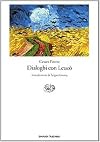
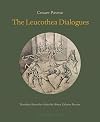
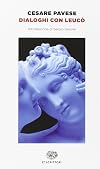
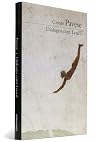
Dialogues with Leucò
by Cesare Pavese
On This Page
Description
Cesare Pavese's The Leucothea Dialogues is peopled with gods, centaurs, clouds, poets, hunters, snakes, and nymphs. These are the beings who spoke to him through the ancient plays and poems he read in primary school. Here they speak again in the twenty-seven dialogues that form the novel. Pavese calls mythology a "hothouse of symbols." His hothouse is liveliest at night, in the peculiar clarity of darkness. Pavese's characters are more than "characters," they play like the dreams of earliest show more childhood, they pose questions that seem to travel through the minds of the dead to the minds of the living and back again. Through reeds, shadows, glens, fields of blazing straw, homes and villages on the edges of valleys, and over cliffs, we follow their harried stories. --from Amaozn. show lessTags
Recommendations












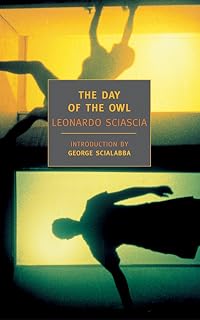
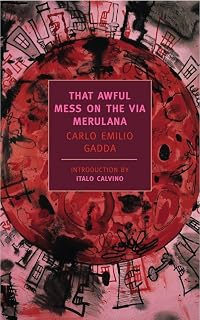
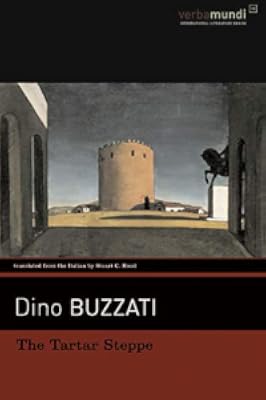


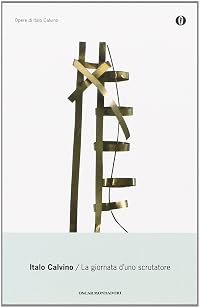




Member Recommendations
Member Reviews
Lo leggo e rileggo. Poesia pura : e' un capolavoro.
Veintiséis diálogos breves y llenos de tensión en los que dioses y héroes de la Grecia clásica (de Edipo y Tiresias a Calipso y Odiseo, de Eros y Tánatos a Aquiles y Patroclo) son invitados a discutir la relación entre el hombre y la naturaleza, el carácter inevitable del destino, la necesidad del dolor y la irrevocable condena de la muerte. Para Pavese todo lo real tiene una representación simbólica, y en estos diálogos nos muestra, con una gran carga emotiva y lírica, la vulnerabilidad humana.
Jul 28, 2010Spanish
1
Diálogos entre personagens de mitos gregos que discutem filosofia, mas com uma visão moderna. Pura poesia. Meu primeiro Pavese.
Mar 29, 2013 (Edited)Portuguese
Ratings
Members
- Recently Added By
Lists

Italian Literature
558 works; 43 members

1940s
221 works; 25 members

Harold Bloom - The Western Canon: D. The Chaotic Age
833 works; 24 members

Bibliografia essenziale
86 works; 2 members
Lista dei 100 migliori libri italiani degli ultimi 200 anni
100 works; 1 member
Author Information

316+ Works 8,108 Members
In Torino in his native Piedmont, Pavese studied English and American literature and wrote a dissertation on Walt Whitman. He read and translated Defoe, Dickens, Joyce , Dos Passos, Stein and Faulkner and his version of Melville's , Moby Dick is a classic. Except for his book of poems Lavorare stanca (Work Wearies) (1936), Pavese's chief works are show more the novels The Comrade (1948), La Casa in Collina (The House on the Hill) (1949), Prima che il gallo canti (Before the Cock Crows) (1949), La bella estate (The Beautiful Summer) (1949), and his last and best, The Moon and the Bonfire (1952). During World War II, he was head of the Rome office of the publishing house of Einaudi and, with Elio Vittorini, did much to encourage young writers. Although a member of the Communist Party, he had not joined the anti-Fascist resistance. Unhappy in love, unable to believe in Christ, and disappointed with things in postwar Italy, he finally made good on what he had often urged as the finest of "final solutions" for himself, committing suicide after winning the coveted Strega Prize, for La bella estate. (Bowker Author Biography) show less
Some Editions
Awards and Honors
Series
Belongs to Publisher Series
Work Relationships
Is contained in
Common Knowledge
- Canonical title
- Dialogues with Leucò
- Original title
- Dialoghi con Leucò
- Original publication date
- 1947
- People/Characters*
- Circe; Leucótea; Calipso; Odiseo; Heracles; Prometeo (show all 10); Virbio; Diana; Edipo; Tiresias
- Original language*
- Italiano
*Some information comes from Common Knowledge in other languages. Click "Edit" for more information.
Classifications
- Genres
- Fiction and Literature, General Fiction
- DDC/MDS
- 853.91 — Literature & rhetoric Italian, Romanian & related literatures Italian fiction 1900- 20th Century
- LCC
- PQ4835 .A846 .D5 — Language and Literature French, Italian, Spanish and Portuguese literatures Italian literature Individual authors, 1900-1960
- BISAC
Statistics
- Members
- 393
- Popularity
- 79,748
- Reviews
- 3
- Rating
- (4.06)
- Languages
- 8 — Catalan, Dutch, English, German, Greek, Italian, Portuguese, Spanish
- Media
- Paper, Ebook
- ISBNs
- 22
- ASINs
- 10