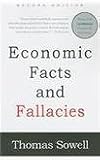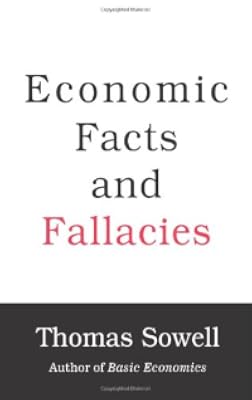
Economic Facts and Fallacies
by Thomas Sowell
On This Page
Description
Economic Facts and Fallacies is designed for people who want to understand economic issues without getting bogged down in economic jargon, graphs, or political rhetoric. Writing in a lively manner that does not require any prior knowledge of economics, Thomas Sowell exposes some of the most popular fallacies about economic issues, including many that are widely disseminated in the media and by politicians: fallacies about urban problems, income differences, male-female economic differences, show more academia, race, and Third World countries. While all of these fallacies have a certain plausibility that gives them their staying power, this makes it even more important to carefully examine their flaws. Sowell holds these beliefs under the microscope and draws conclusions that are sure to inspire rigorous debate. show lessTags
Recommendations











Member Reviews
Изключително популярни напоследък са автори като Малкълм Гладуел, Стивън Левит и Тим Харфорд, които се занимават с това, което аз наричам „приложна икономика“ – използват методите на икономическата наука, като ги прилагат към всекидневни проблеми, за да разкрият, често за огромна изненада на всички, че причината за тия проблеми изобщо не е тази, която повечето хора приемат.
Техните книги се радват на show more изключителна популярност, защото на всеки му е интересно да „повдигне капака на света“ и да разбере как всъщност работи той – и примерно, че басейните са десетки пъти по-опасни за децата от пистолетите, защо дилърите на дрога живеят с майките си и т.н…
Това, което малко хора осъзнават обаче е, че „капакът на света“ скрива от тях много повече от няколко такива любопитни, но дребни факти. Може да се каже, че всъщност огромната част от икономическите проблеми, които стоят пред всяко държавно управление, се радват на изключително неразбиране от страна не само на широката общественост, но и на политици и интелектуалци.
Положението е същото, като с любопитните фактчета във Freakonomics – приемаме за вярно едно нещо, без да се замисляме особено, но всъщност данните сочат, че е вярно съвсем друго. Само че в много по-голям мащаб.
Economic Facts and Fallacies е опитът на професора по икономика и дългогодишен активист за рационално мислене Томас Соуъл да развенчае най-често срещаните сред политиците и обществото заблуди за икономиката и развитието. Заблуди, които са предизвикани от пожелателно мислене и най-добри намерения… или съзнателна политическа пропаганда и манипулации – заблуди, заради които биват прахосвани милиарди с никакъв резултат.
Такава заблуда е примерно „минималната заплата“, която според нейните защитници „осигурява един жизнен минимум на най-бедните работници“. Разбира се, законът за минималната заплата не осигурява нищо на никого – защото той казва колко най-малко е законно да се плаща, но не може да задължи никой работодател да наеме работник, който изработва по-малко от това.
Така най-неквалифицираните и необразовани хора остават без работа заради този закон.Той обаче е много полезен за политиците, които трупат лесни точки като го подкрепят, защото „се грижат за бедните“…
Друга огромна заблуда е, че хуманитарната помощ помага на изпадналите страни. Истината е, че огромната част от хуманитарните помощи, събрани от загрижени хора и държави и изпратени примерно в Африка, попадат в ръцете на местни „лидери“ (разбирай дерибеи) и корумпираните правителства и всъщност ги финансират и държат на власт, докато до хората не стига почти нищо.
Така въпреки стотиците милиарди хуманитарна помощ, получени от африканските страни през последните десетилетия, те са… по-зле икономически и социално, отколкото в средата на миналия век, примерно – така хуманитарните помощи всъщност убиват Африка, а не я спасяват. Но огромните хуманитарни организации, които изкарват хляба си с това да ни карат да се чувстваме виновни за гладуващите африканчета, никак не им се иска да застрашат шестцифрените заплати, които цялата тая работа им осигурява…
Подобни заблуди има десетки и стотици, във всяка една сфера от живота -в Economic Facts and Fallacies те са разделени от Томас Соуъл на градски заблуди (свързани с градското планиране, rent control и т.н.), мъжки и женски заблуди (относно разликата в заплащането на жени и мъже, дискриминация…), академични и научни заблуди (които се занимават с изкривяванията на академичните среди, особено в ненаучните – хуманитарни- дисциплини), икономически заблуди (най-интересните, за минималната заплата, социалните помощи и т.н.), расови заблуди (брилянтно описани и от Шелби Стийл), както и заблуди относно Третия свят и защо някои държави са толкова бедни и не могат да се оправят.
Economic Facts and Fallacies е страхотна книга за света такъв, какъвто е, а не какъвто си го въобразяваме. Книга за това как най-добрите и благородни намерения често имат най-лошите резултати. За това, че не любовта ще спаси света – а трябва и мислене. show less
Техните книги се радват на show more изключителна популярност, защото на всеки му е интересно да „повдигне капака на света“ и да разбере как всъщност работи той – и примерно, че басейните са десетки пъти по-опасни за децата от пистолетите, защо дилърите на дрога живеят с майките си и т.н…
Това, което малко хора осъзнават обаче е, че „капакът на света“ скрива от тях много повече от няколко такива любопитни, но дребни факти. Може да се каже, че всъщност огромната част от икономическите проблеми, които стоят пред всяко държавно управление, се радват на изключително неразбиране от страна не само на широката общественост, но и на политици и интелектуалци.
Положението е същото, като с любопитните фактчета във Freakonomics – приемаме за вярно едно нещо, без да се замисляме особено, но всъщност данните сочат, че е вярно съвсем друго. Само че в много по-голям мащаб.
Economic Facts and Fallacies е опитът на професора по икономика и дългогодишен активист за рационално мислене Томас Соуъл да развенчае най-често срещаните сред политиците и обществото заблуди за икономиката и развитието. Заблуди, които са предизвикани от пожелателно мислене и най-добри намерения… или съзнателна политическа пропаганда и манипулации – заблуди, заради които биват прахосвани милиарди с никакъв резултат.
Такава заблуда е примерно „минималната заплата“, която според нейните защитници „осигурява един жизнен минимум на най-бедните работници“. Разбира се, законът за минималната заплата не осигурява нищо на никого – защото той казва колко най-малко е законно да се плаща, но не може да задължи никой работодател да наеме работник, който изработва по-малко от това.
Така най-неквалифицираните и необразовани хора остават без работа заради този закон.Той обаче е много полезен за политиците, които трупат лесни точки като го подкрепят, защото „се грижат за бедните“…
Друга огромна заблуда е, че хуманитарната помощ помага на изпадналите страни. Истината е, че огромната част от хуманитарните помощи, събрани от загрижени хора и държави и изпратени примерно в Африка, попадат в ръцете на местни „лидери“ (разбирай дерибеи) и корумпираните правителства и всъщност ги финансират и държат на власт, докато до хората не стига почти нищо.
Така въпреки стотиците милиарди хуманитарна помощ, получени от африканските страни през последните десетилетия, те са… по-зле икономически и социално, отколкото в средата на миналия век, примерно – така хуманитарните помощи всъщност убиват Африка, а не я спасяват. Но огромните хуманитарни организации, които изкарват хляба си с това да ни карат да се чувстваме виновни за гладуващите африканчета, никак не им се иска да застрашат шестцифрените заплати, които цялата тая работа им осигурява…
Подобни заблуди има десетки и стотици, във всяка една сфера от живота -в Economic Facts and Fallacies те са разделени от Томас Соуъл на градски заблуди (свързани с градското планиране, rent control и т.н.), мъжки и женски заблуди (относно разликата в заплащането на жени и мъже, дискриминация…), академични и научни заблуди (които се занимават с изкривяванията на академичните среди, особено в ненаучните – хуманитарни- дисциплини), икономически заблуди (най-интересните, за минималната заплата, социалните помощи и т.н.), расови заблуди (брилянтно описани и от Шелби Стийл), както и заблуди относно Третия свят и защо някои държави са толкова бедни и не могат да се оправят.
Economic Facts and Fallacies е страхотна книга за света такъв, какъвто е, а не какъвто си го въобразяваме. Книга за това как най-добрите и благородни намерения често имат най-лошите резултати. За това, че не любовта ще спаси света – а трябва и мислене. show less
Reviewed 8-29-23 title and author: Economic Facts and Fallacies by Thomas Sowell.
Why I picked this book up: I was turned onto Sowell after listening to Ben Shapiro and I have really liked what I read from him in this first book. There are many more of his books I will buy.
Thoughts: This book exposes some of the most popular fallacies about economic issues that I often hear. These include many beliefs widely disseminated in the media and by politicians, and the general community. Some are mistaken ideas about urban problems, income differences, male-female economic differences, as well as economics fallacies about academia, about race, ethnicities, culture, single parent homes, and Third World ethnic countries. One of the themes of show more Economic Facts and Fallacies is that fallacies are not simply crazy ideas but in fact have a certain plausibility that gives them their staying power and makes careful examination of their flaws both necessary and important, as well as sometimes humorous. Written in the easy-to-follow style of the author's Basic Economics, this latest book is able to go into greater depth, with real world examples, on specific issues. This book should be read and reread as they thoroughly refute the positions of those who irrationally regard America as being a racist, sexist and corrupt state.
He addresses the myth of female oppression by highlighting the way that statistics are used or misused in the hopes of morphing the USA into a patriarchy. Indeed, in my opinion, our nation is closer to being a matriarchy than it is anything else. The old 74 cent to the dollar feminist canard is refuted after he teases out the example of unmarried, childless women. They oftentimes are anything but oppressed. Indeed, in many cases they make even more money than their male age-mate peers. Much of the difference between the sexes, in terms of wage, is a result of personal choice, othering. Women work fewer hours and are more likely to choose stability over cash when deciding on a career.
I found the most insightful chapters of "Economic Facts and Fallacies" to be "Male-Female Facts and Fallacies", "Academic Facts and Fallacies", and "Third World Facts and Fallacies." One specific takeaway that will stay with me was the brief discussion on the college accreditation process (in the "Academic" chapter); something that I had never contemplated or understood as a distortion of the price mechanism in college costs.
Why I finished this read: as I read, I saw the depth, how the facts get taken the wrong direction, ran with and I walked away with a hope others would read this and we slow down the belief of these errors.
Stars rating: 5 of 5 stars. show less
Why I picked this book up: I was turned onto Sowell after listening to Ben Shapiro and I have really liked what I read from him in this first book. There are many more of his books I will buy.
Thoughts: This book exposes some of the most popular fallacies about economic issues that I often hear. These include many beliefs widely disseminated in the media and by politicians, and the general community. Some are mistaken ideas about urban problems, income differences, male-female economic differences, as well as economics fallacies about academia, about race, ethnicities, culture, single parent homes, and Third World ethnic countries. One of the themes of show more Economic Facts and Fallacies is that fallacies are not simply crazy ideas but in fact have a certain plausibility that gives them their staying power and makes careful examination of their flaws both necessary and important, as well as sometimes humorous. Written in the easy-to-follow style of the author's Basic Economics, this latest book is able to go into greater depth, with real world examples, on specific issues. This book should be read and reread as they thoroughly refute the positions of those who irrationally regard America as being a racist, sexist and corrupt state.
He addresses the myth of female oppression by highlighting the way that statistics are used or misused in the hopes of morphing the USA into a patriarchy. Indeed, in my opinion, our nation is closer to being a matriarchy than it is anything else. The old 74 cent to the dollar feminist canard is refuted after he teases out the example of unmarried, childless women. They oftentimes are anything but oppressed. Indeed, in many cases they make even more money than their male age-mate peers. Much of the difference between the sexes, in terms of wage, is a result of personal choice, othering. Women work fewer hours and are more likely to choose stability over cash when deciding on a career.
I found the most insightful chapters of "Economic Facts and Fallacies" to be "Male-Female Facts and Fallacies", "Academic Facts and Fallacies", and "Third World Facts and Fallacies." One specific takeaway that will stay with me was the brief discussion on the college accreditation process (in the "Academic" chapter); something that I had never contemplated or understood as a distortion of the price mechanism in college costs.
Why I finished this read: as I read, I saw the depth, how the facts get taken the wrong direction, ran with and I walked away with a hope others would read this and we slow down the belief of these errors.
Stars rating: 5 of 5 stars. show less
Not quite what I expected, though I'm not sure exactly what I did expect. It's very US-centric (unsurprizingly) and it relies on the reader's common sense rather than any deep knowledge of economics, but it does tackle a wide-range of issues with the tools and perspective of an economist. If only all social sciences did so. Indeed if only all economists did so! I think I was expecting something more like a formal economics textbook and was initially a bit taken aback that it wasn't, but once I'd grasped that Thomas Sowell has a rare ability to convey potentially complex issues and analysis clearly and succinctly and in a way that anyone should be comfortable with I was better able to appreciate this book.
Sowell is probably my favorite economic writer -- not for his novel ideas, but for his excellent presentation of the entire body of generally reasonable economic thought. He would be my dream pick for a political leader with real power.
This book is a great take-down of widely believed but wrong ideas about rent control, gender pay imbalances, racial economic differences, affirmative action, etc.
This book is a great take-down of widely believed but wrong ideas about rent control, gender pay imbalances, racial economic differences, affirmative action, etc.
USA-centric for obvious reasons but well argued despite (because of?) heartless politics. Slow and methodical concentrating on a couple of issues to maximise impact but I'd be interested to see author's analysis of more varied and nuanced problems - that's not really a complaint about the book.
Sowell elegantly rips apart myths about the economics of labor, finance, gender, and race. He also explains how erroneous assumptions become so well established that no one even stops to think about them. Not only is this a solid analysis of the situations he analyzes, it's also a good introduction to the methodology needed for such assessment.
Interesting read. You will question many of your beliefs about economics and how it impacts the poor, foreign aid, education, etc.
Members
- Recently Added By
Lists

Mind Expanding Books by hackerkid
581 works; 8 members
Author Information

77+ Works 15,441 Members
Thomas Sowell is the Rose and Milton Friedman Senior Fellow on Public Policy at the Hoover Institution, Stanford University.
Awards and Honors
Common Knowledge
- Canonical title
- Economic Facts and Fallacies
- Original title
- Fatos e Falácias da Economia
- Original publication date
- 2008
Classifications
Statistics
- Members
- 880
- Popularity
- 30,950
- Reviews
- 12
- Rating
- (4.06)
- Languages
- 5 — English, Polish, Portuguese (Brazil), Portuguese (Portugal), Spanish
- Media
- Paper, Audiobook, Ebook
- ISBNs
- 12
- ASINs
- 5