On This Page
Description
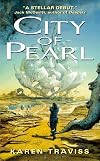
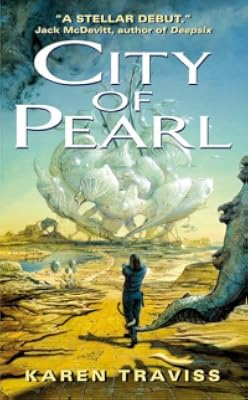
Three separate alien societies have claimson Cavanagh's Star. But the new arrivals -- the gethes from Earth -- now threaten thetenuous balance of a coveted world. Environmental Hazard Enforcement officer Shan Frankland agreed to lead a mission to Cavanagh's Star, knowing that 150 years would elapse before she could finally return home. But her landing, with a small group of scientists and Marines, has not gone unnoticed by Aras, the planet's designated guardian. An eternally evolving world show more himself, this sad, powerful being has already obliterated millions of alien interlopers and their great cities to protect the fragile native population. Now Shan and her party -- plus the small colony of fundamentalist humans who preceded them -- could face a similar annihilation . . . or a fate far worse. Because Aras possesses a secret of the blood that would be disastrous if it fell into human hands -- if the gethes survive the impending war their coming has inadvertently hastened. show lessTags
Recommendations




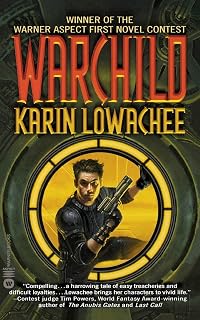
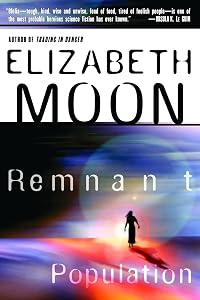

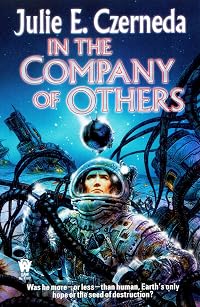
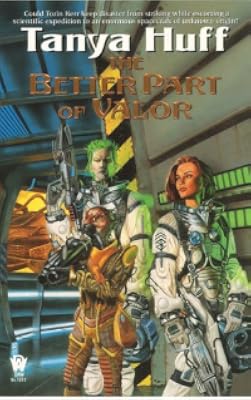
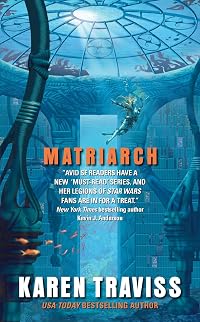
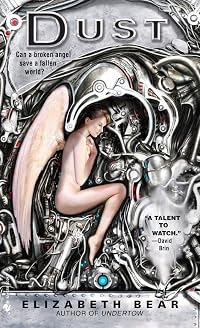
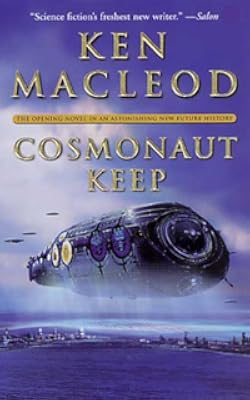
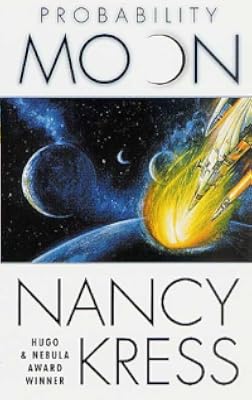



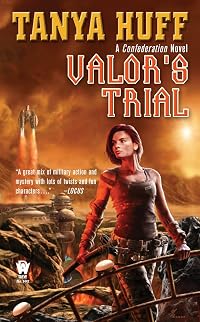


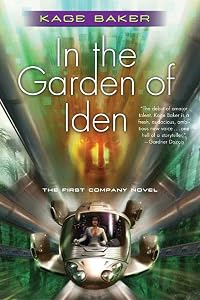
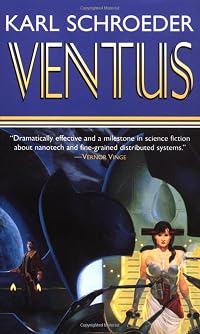
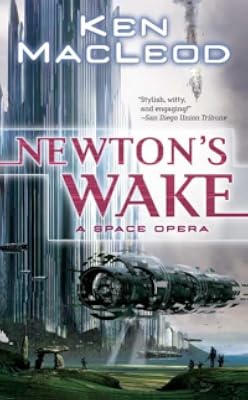
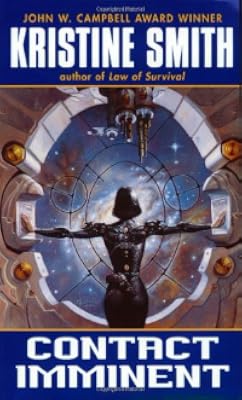
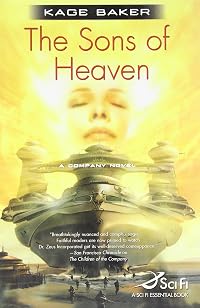
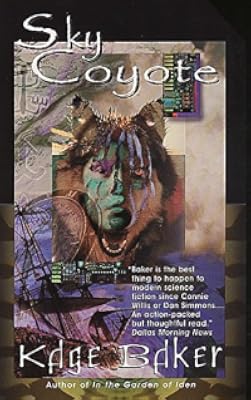
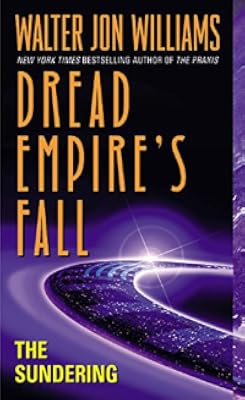
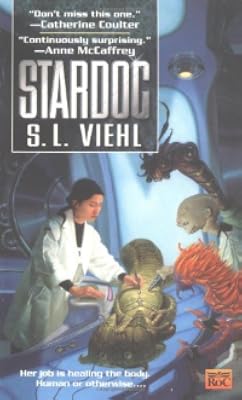
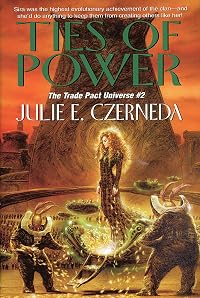
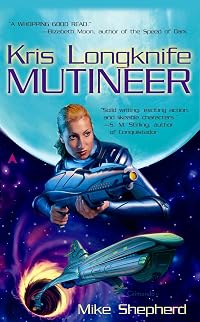

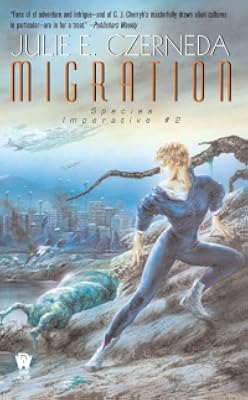

Member Recommendations
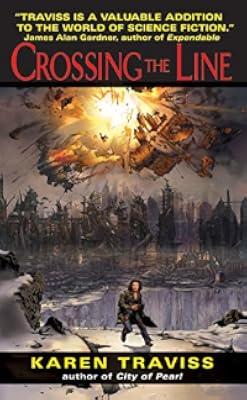
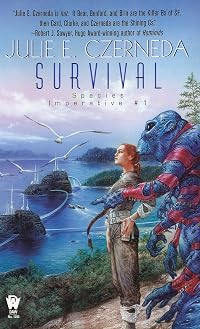
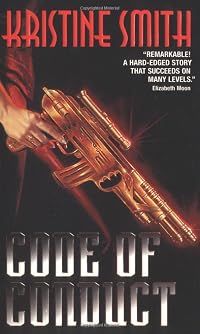
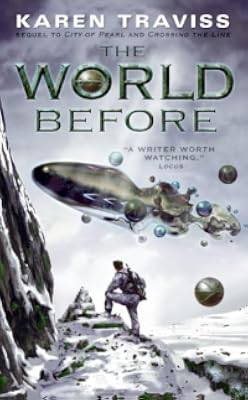
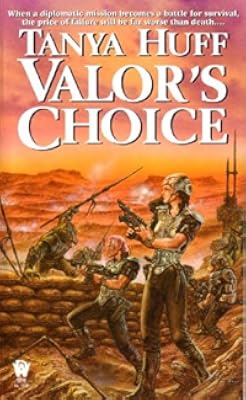
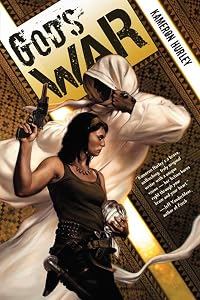
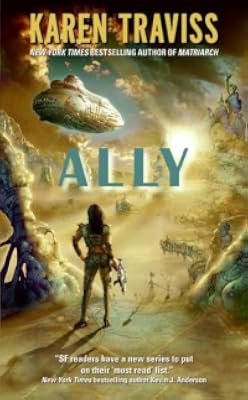
saltmanz These two books have quite a lot in common: first contact, a Christian human colony, a group of scientists, moral dilemmas, sharply drawn characters, and even more that I won't get into for fear of spoilers. Both fantastic books.
tetrachromat Both have plot elements of colonization and the interaction of groups with vastly different philosophical ideals.
Both have a strong biological focus, reflected in technology and a general sense of respect for the biological world.
Member Reviews
A thoroughly enjoyable read doing what science fiction does at its best - exploring ideas with a minimum of bang bang. The focus here broadly is human nature. Can our essential nature morph in isolation? The nature-nurture debate revisited. While much of the story deals at the species or small group level, there is focus as well with the individual in here, on how identity evolves in response to environmental and genetic change. Fascinating stuff. Well written. Compassionate.
I like speculative fiction that explores cultures and holds up examples of other ways of being. I also like speculative fiction that gives the reader things to think about. The Wess'Har series is a great example of both of these.
Issues of environmental ethics, what does it mean to be "people," the ways different cultures handle conflict, space exploration, several different sentient alien races, and great, compelling characters, it's all here. Some of the best SF I've read lately.
Issues of environmental ethics, what does it mean to be "people," the ways different cultures handle conflict, space exploration, several different sentient alien races, and great, compelling characters, it's all here. Some of the best SF I've read lately.
I first discovered Karen Traviss while reading a Star Wars novel that she'd written, and at the time I remembered thinking that she was far too good of a writer to be stuck writing movie tie-in novels. If I thought that before, it's definitely been reinforced after reading City Of Pearl, the first novel in her "Wess'har" series.
This novel stars Shan Frankland, a police officer in the European Union's environmental hazards division, who is sent along with some scientists and marines to track down a missing group of colonists who may hold the key to humanity's future with them.
There's a lot going on in this novel - it is, at various times, a critique of corporatism and genetic modification, while also being a manifesto on veganism and show more situational morality. At the same time, as well, it's enjoyable on the level of being a cool-as-hell science fiction adventure story, full of political intrigue and complex ethical quandaries. Traviss also does an excellent job of presenting the three alien species in the novel as all unique, and fully-developed races. We see each of them as having their own culture, philosophy, and political factioning within their culture. It's a lot more thought than what normally goes into science fiction novels, and it would be an enjoyable read on that level alone, even if it didn't have the complex political and philosophical material built into it as well. show less
This novel stars Shan Frankland, a police officer in the European Union's environmental hazards division, who is sent along with some scientists and marines to track down a missing group of colonists who may hold the key to humanity's future with them.
There's a lot going on in this novel - it is, at various times, a critique of corporatism and genetic modification, while also being a manifesto on veganism and show more situational morality. At the same time, as well, it's enjoyable on the level of being a cool-as-hell science fiction adventure story, full of political intrigue and complex ethical quandaries. Traviss also does an excellent job of presenting the three alien species in the novel as all unique, and fully-developed races. We see each of them as having their own culture, philosophy, and political factioning within their culture. It's a lot more thought than what normally goes into science fiction novels, and it would be an enjoyable read on that level alone, even if it didn't have the complex political and philosophical material built into it as well. show less
This isn't a great book. There are a lot of awkwardly constructed sentences, and it takes about 75 pages to get started.
However, there are some unusual elements that I found it worth reading. The hottie alien is from a matriarchal culture so he's really into our badass, eco-cop protagonist woman because she reminds him of his alien leader-females. Men attracted to dominant women because they're dominant is a pretty rare thing in fiction and worth praise. It's the kind of "expanding our conceptions of gender" thing that wins James Tiptree awards.
Really though, some of the reviews of this book demonstrate how conservative and narrow minded scifi is as a genre. Stories set in space in particular. I mean, sure the audience for Halo books show more (Traviss' day job is writing Halo and Star Wars adaptation novels) is pretty lowest common denominator, but hard scifi is such bro territory it's hard to take sometimes. show less
However, there are some unusual elements that I found it worth reading. The hottie alien is from a matriarchal culture so he's really into our badass, eco-cop protagonist woman because she reminds him of his alien leader-females. Men attracted to dominant women because they're dominant is a pretty rare thing in fiction and worth praise. It's the kind of "expanding our conceptions of gender" thing that wins James Tiptree awards.
Really though, some of the reviews of this book demonstrate how conservative and narrow minded scifi is as a genre. Stories set in space in particular. I mean, sure the audience for Halo books show more (Traviss' day job is writing Halo and Star Wars adaptation novels) is pretty lowest common denominator, but hard scifi is such bro territory it's hard to take sometimes. show less
Well written, fast paced, with fascinating main characters and excellently drawn cultures, the first novel in Traviss' Wess'har series is well worth your time. Eco-cop Shan Frankland, on her way to retirement, is shanghai'd into a twenty-five year voyage to a (formerly lost) earth colony of religious fanatics. Her ostensible goal is to retrieve a gene database maintained by the colonists. But other cultures share the planetary system with the colonists - and one, the Wess'har, see their job as the maintenance of ecological balance. The effects of Frankland's crew on the planet and its cultures, and the effects of the Wess'har on the Frankland and her crew are well thought out, tightly plotted, and psychologically realistic.
Going in to City of Pearl, I wasn't sure what to expect; it's the first work of her's that I've read. The only reason I even took a look at it, to be honest, was because she's writing the upcoming Star Wars: Republic Commando—Hard Contact. So, I was pleasantly surprised by the book.
The plot has us following an EnHaz official (think DNR, but European and at the international level) as she leads a team of Marines and profit-minded scientists to investigate what happened to a former colonization mission to Cavanagh's Star. Unfortunately, not until they arrive do we receive the infodump allowing us to understand some of the introductory chapters set on the planet, and the epigraphs. (In classic Herbertian style, the epigraphs are mostly show more not for tone, but rather for foreshadowing and plot advancement&mash;when they're understood, that is.)
Once the team arrives, though, the book starts rolling. Fittingly, in a book whose plot is mostly driven by hasty choices made through lack of time, neither reader nor characters are given much of a chance to contemplate what has happened. Rather than going into details, I'll just say that except for one major plot twist, everything follows from what happened, and the choices that were made. (And while that exception does come into play logically, it is sprung on the reader rather suddenly.)
By the end of the book, nothing's the same anymore. Most of the pieces are out of play; too bad, really, since I would like to see more of these characters. Still, given time, there's room for return.
That brings me to my only other problem with the book: time. We know from a certain subplot that the book takes about a year; however, the pacing of the main plot threads makes it seem faster, perhaps only a month.
Still, my two small gripes aren't enough to really mar an otherwise excellent novel. show less
The plot has us following an EnHaz official (think DNR, but European and at the international level) as she leads a team of Marines and profit-minded scientists to investigate what happened to a former colonization mission to Cavanagh's Star. Unfortunately, not until they arrive do we receive the infodump allowing us to understand some of the introductory chapters set on the planet, and the epigraphs. (In classic Herbertian style, the epigraphs are mostly show more not for tone, but rather for foreshadowing and plot advancement&mash;when they're understood, that is.)
Once the team arrives, though, the book starts rolling. Fittingly, in a book whose plot is mostly driven by hasty choices made through lack of time, neither reader nor characters are given much of a chance to contemplate what has happened. Rather than going into details, I'll just say that except for one major plot twist, everything follows from what happened, and the choices that were made. (And while that exception does come into play logically, it is sprung on the reader rather suddenly.)
By the end of the book, nothing's the same anymore. Most of the pieces are out of play; too bad, really, since I would like to see more of these characters. Still, given time, there's room for return.
That brings me to my only other problem with the book: time. We know from a certain subplot that the book takes about a year; however, the pacing of the main plot threads makes it seem faster, perhaps only a month.
Still, my two small gripes aren't enough to really mar an otherwise excellent novel. show less
A great science fiction novel with aliens whose societies and motivations are fascinating, and only peripherally relates to the human race.
Shan Frankland, who is about to retire from EnHaz instead becomes the leader of an expedition to establish contact with an independent space colony, traveling 80 years to reach it. She receives a Suppressed Briefing about the mission, which reveals itself to her as it becomes relevant.
The colony is a Christian religious community, whose survival is made possible by an alien from the moon planet of the one they are colonizing.
The agenda of the alien is to protect an indigenous aquatic race, but has taken the human colony under his wing because of its possession of a gene bank of plants and animals show more from Earth, and because he is lonely.
The behavior of the expeditions scientists causes conflict with the alien races, but when a much later military space ship approaches the colony, hard decisions has to be made.
The plot line is very similar to the plot in Elizabeth Bears "Carnival" from 2006 - where colonists are adopted by the AI of an abandoned alien city because their alien 'pets' like them, and a greedy government tries to take over their resources. Both stories deal with the issues that arise from population growth and limited natural resources in an interspecies situation. The novel is light on the science, but thought-provoking as it explores moral and intellectual ambiguities.
Shan Franklandis a well-developed strong female protagonist, whose firm belief in herself and her own ethical decisions are well based. Her interaction with expedition members, colonist and aliens are well described and credible, and the rest of the cast is equally fascinating. show less
Shan Frankland, who is about to retire from EnHaz instead becomes the leader of an expedition to establish contact with an independent space colony, traveling 80 years to reach it. She receives a Suppressed Briefing about the mission, which reveals itself to her as it becomes relevant.
The colony is a Christian religious community, whose survival is made possible by an alien from the moon planet of the one they are colonizing.
The agenda of the alien is to protect an indigenous aquatic race, but has taken the human colony under his wing because of its possession of a gene bank of plants and animals show more from Earth, and because he is lonely.
The behavior of the expeditions scientists causes conflict with the alien races, but when a much later military space ship approaches the colony, hard decisions has to be made.
The plot line is very similar to the plot in Elizabeth Bears "Carnival" from 2006 - where colonists are adopted by the AI of an abandoned alien city because their alien 'pets' like them, and a greedy government tries to take over their resources. Both stories deal with the issues that arise from population growth and limited natural resources in an interspecies situation. The novel is light on the science, but thought-provoking as it explores moral and intellectual ambiguities.
Shan Franklandis a well-developed strong female protagonist, whose firm belief in herself and her own ethical decisions are well based. Her interaction with expedition members, colonist and aliens are well described and credible, and the rest of the cast is equally fascinating. show less
Members
- Recently Added By
Lists

Favorite Science Fiction by Women Authors
737 works; 202 members

Best Feminist Science Fiction
188 works; 35 members

mom
729 works; 1 member
Author Information

67+ Works 12,108 Members
Karen Traviss is a science fiction author and full-time novelist from Wiltshire, England. Traviss worked as both a journalist and defence correspondent before becoming a writer of fiction. She also served in both the Territorial Army and the Royal Naval Auxiliary Service. Traviss is a graduate of the Clarion Science Fiction and Fantasy workshop. show more Her science fiction novels have focused on a Star Wars series and also a Gears of War series of books. Her title Halo: Glasslands made Publisher's Weekly Best Seller List for 2011. (Bowker Author Biography) show less
Some Editions
Awards and Honors
Series

Common Knowledge
- Original publication date
- 2004-03
- People/Characters
- Shan Frankland; Aras; Ade Bennett; Eddie Michallat; Lindsay Neville
- First words
- The bot was immune to the snow, and so was Aras.
- Last words
- (Click to show. Warning: May contain spoilers.)Yes, they were definitely claws.
Classifications
Statistics
- Members
- 723
- Popularity
- 39,107
- Reviews
- 20
- Rating
- (3.78)
- Languages
- English, French
- Media
- Paper, Ebook
- ISBNs
- 9
- ASINs
- 5