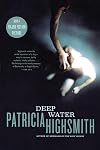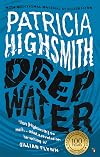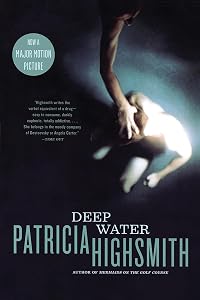
Deep Water
by Patricia Highsmith
On This Page
Description
The great revival of interest in Patricia Highsmith continues with this work that reveals the chilling reality behind the idyllic facade of American suburban life.In Deep Water, set in the small town of Little Wesley, Vic and Melinda Meller's loveless marriage is held together only by a precarious arrangement whereby in order to avoid the messiness of divorce, Melinda is allowed to take any number of lovers as long as she does not desert her family. Eventually, Vic tries to win her back by show more asserting himself through a tall tale of murder—one that soon comes true. show less
Tags
Recommendations

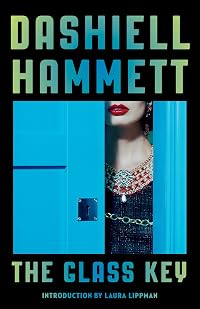
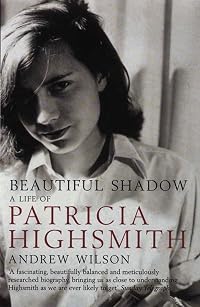
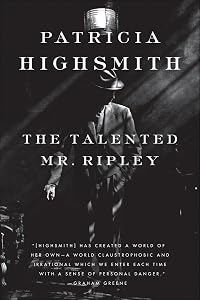
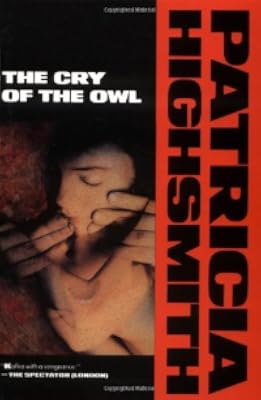
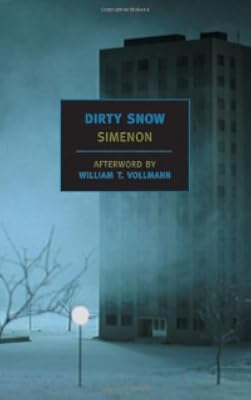
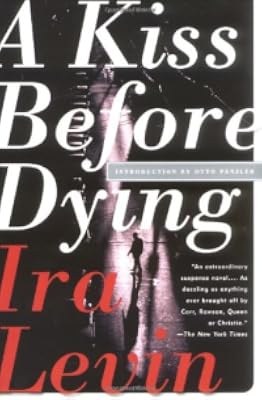
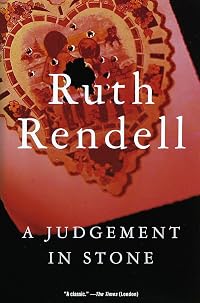
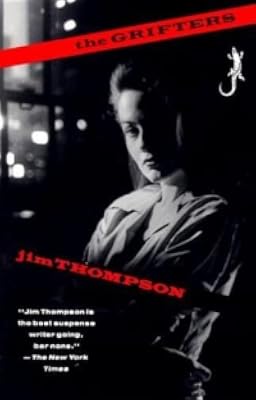
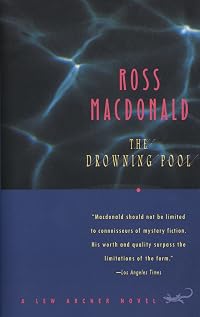
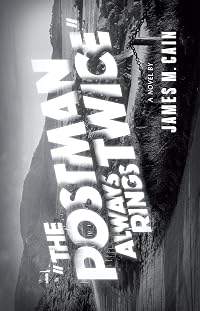


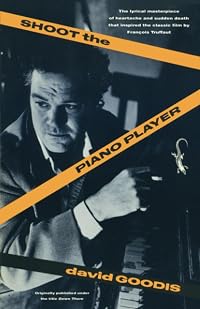


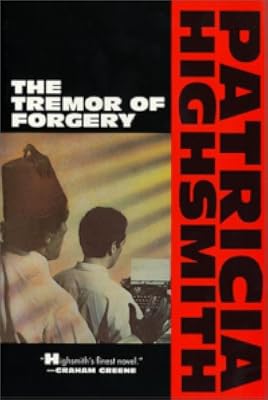






Member Recommendations

Bookmarque another subtle tale of the madness that lies at the heart of a placid seeming suburban neighborhood.
sturlington Both domestic suspense involving impossible wives.
Member Reviews
‘Deep Water’ was my first Patricia Highsmith novel. I picked it up because I was looking for novels that were published in 1957, the year I was born. I knew that Patricia Highsmith’s debut novel was ’Strangers on a Train’ (1950) and that her fourth novel was 'The Talented Mr Ripley’ (1955), but I’d never heard of her fifth novel, ‘Deep Water’, so I went into it expecting something good but not entirely sure what good would mean.
It turned out that good meant dizzyingly strange, quietly disturbing, and completely believable. I can see why Patricia Highsmith has a reputation for having invented the psychological thriller. This didn’t read like a book that’s sixty-nine years old. It was fresh, powerful, original and show more drew its power from the suppressed but deeply felt dark emotions beneath the surface of a marriage.
The story immersed me in the world as seen through the eyes of Vic Van Allen, an experience that, from the beginning, had an almost hallucinogenic feel, and became progressively stranger and darker without ever requiring me to suspend my disbelief.
It was clear from the start that Van Allen’s version of reality was just slightly off. Even so, I had no idea of just what he was capable of.
The original title of the novel was ‘Dog in the Manger’, which was how Van Allen struck me at first. He’s a wealthy man, married to a beautiful woman who is routinely and publicly unfaithful to him in a way that seemed motivated more by a desire to demean and provoke Van Allen than by lust for the men she flirts with. Van Allen’s response was unusual. He was endlessly polite to the men that his wife brought into their home. When one of the men asks him why he is so patient, Van Allen replies that he doesn’t get mad but.. "If I really don't like somebody, I kill him….” and then implies that he was responsible for the death of one of his wife’s former lovers. Creating this kind of rumour could have felt hollow, implying weakness, but from Van Allen’s lips, it felt like a long-held fantasy forcing its way to the surface. Understanding what lies beneath Van Allen’s surface is what powers the rest of the book. He is the still water that runs deep.
Van Allen's calm detachment soon became as ominous as it was superficial. He constantly narrates his experience, but the narration felt like a performance, a lie he was telling himself to see how believable it might be. In Van Allen, Patricia Highsmith drew a very plausible picture of a man capable of remorse-free, spontaneous murder who, most of the time, presents a kind, calm, generous, and forgiving face to the world. He is cultured, polite, social and seems devoted to his young daughter. I thought the scariest thing about Van Allen’s behaviour was that he wasn’t about his day-to-day actions weren’t a pretence. They were an honest part of who he is. He is a man who is disturbingly detached from his own life. He lives off inherited wealth, and it seemed to me that he was a dilettante in everything that he did, including being a husband, a father and a killer.
Oddly, perhaps, it wasn’t Van Allen’s violence that I found most disturbing; it was the emotional distance that he maintained from his wife. I only saw Melinda Van Allen through her husband’s eyes, so I couldn’t tell how much of her behaviour was a continuation of who she had always been and how much of it was a reaction to her growing understanding of the nature of the man she had married. To me, she seemed broken and in pain. Her drinking and her flirtations seemed to be ways of dealing with that pain and were perhaps partly motivated by a desire publicly to strip away Van Allen’s calm public persona and show the world the man she glimpsed lurking beneath the surface. I think Van Allen saw this too and watched it with the same detached curiosity he showed when observing his colony of snails. What he refused to acknowledge was that his detachment masked a mix of rage and schadenfreude that his wife’s distress fueled and satisfied.
The response of the people around Van Allen was almost as disturbing as his own behaviour. His friends are heavily invested in seeing only the polite, respectable, patient persona that Van Allen presents. Their empathy and concern are all for him. They have none for his wife. They judge her harshly but give no thought to Van Allen’s emotional and physical withdrawal from his marriage. The more Melinda Van Allen tries to show her neighbours who Van Allen is, the less she is believed and the more she is censured. This was a nicely crafted example of the patriarchy at work. show less
It turned out that good meant dizzyingly strange, quietly disturbing, and completely believable. I can see why Patricia Highsmith has a reputation for having invented the psychological thriller. This didn’t read like a book that’s sixty-nine years old. It was fresh, powerful, original and show more drew its power from the suppressed but deeply felt dark emotions beneath the surface of a marriage.
The story immersed me in the world as seen through the eyes of Vic Van Allen, an experience that, from the beginning, had an almost hallucinogenic feel, and became progressively stranger and darker without ever requiring me to suspend my disbelief.
It was clear from the start that Van Allen’s version of reality was just slightly off. Even so, I had no idea of just what he was capable of.
The original title of the novel was ‘Dog in the Manger’, which was how Van Allen struck me at first. He’s a wealthy man, married to a beautiful woman who is routinely and publicly unfaithful to him in a way that seemed motivated more by a desire to demean and provoke Van Allen than by lust for the men she flirts with. Van Allen’s response was unusual. He was endlessly polite to the men that his wife brought into their home. When one of the men asks him why he is so patient, Van Allen replies that he doesn’t get mad but.. "If I really don't like somebody, I kill him….” and then implies that he was responsible for the death of one of his wife’s former lovers. Creating this kind of rumour could have felt hollow, implying weakness, but from Van Allen’s lips, it felt like a long-held fantasy forcing its way to the surface. Understanding what lies beneath Van Allen’s surface is what powers the rest of the book. He is the still water that runs deep.
Van Allen's calm detachment soon became as ominous as it was superficial. He constantly narrates his experience, but the narration felt like a performance, a lie he was telling himself to see how believable it might be. In Van Allen, Patricia Highsmith drew a very plausible picture of a man capable of remorse-free, spontaneous murder who, most of the time, presents a kind, calm, generous, and forgiving face to the world. He is cultured, polite, social and seems devoted to his young daughter. I thought the scariest thing about Van Allen’s behaviour was that he wasn’t about his day-to-day actions weren’t a pretence. They were an honest part of who he is. He is a man who is disturbingly detached from his own life. He lives off inherited wealth, and it seemed to me that he was a dilettante in everything that he did, including being a husband, a father and a killer.
Oddly, perhaps, it wasn’t Van Allen’s violence that I found most disturbing; it was the emotional distance that he maintained from his wife. I only saw Melinda Van Allen through her husband’s eyes, so I couldn’t tell how much of her behaviour was a continuation of who she had always been and how much of it was a reaction to her growing understanding of the nature of the man she had married. To me, she seemed broken and in pain. Her drinking and her flirtations seemed to be ways of dealing with that pain and were perhaps partly motivated by a desire publicly to strip away Van Allen’s calm public persona and show the world the man she glimpsed lurking beneath the surface. I think Van Allen saw this too and watched it with the same detached curiosity he showed when observing his colony of snails. What he refused to acknowledge was that his detachment masked a mix of rage and schadenfreude that his wife’s distress fueled and satisfied.
The response of the people around Van Allen was almost as disturbing as his own behaviour. His friends are heavily invested in seeing only the polite, respectable, patient persona that Van Allen presents. Their empathy and concern are all for him. They have none for his wife. They judge her harshly but give no thought to Van Allen’s emotional and physical withdrawal from his marriage. The more Melinda Van Allen tries to show her neighbours who Van Allen is, the less she is believed and the more she is censured. This was a nicely crafted example of the patriarchy at work. show less
I admit to being torn about Highsmith’s work. While I love her deep insights into human frailty, mostly in the form of what tips a person over into criminal behavior, I am sometimes impatient with her execution. Subtle and slow I don’t mind if there’s enough atmosphere to keep me engaged, like the way Shirley Jackson infuses her psychological tales with unknowns enough to keep the back of my mind churning with suspicion. Not so Ms. Highsmith. At least in what I’ve read so far. Her novels contain a fair amount of inevitability with regard to what can, and usually does, happen.
Spoilers ahoy!
That’s why it wasn’t exactly a shock to read how Highsmith wrapped up Vic and Melinda’s disintegrating marriage. Really, what else show more could Vic do but kill her? He couldn’t control her, nor the type of man she took up with (none were up to his high standards for intellect, career or physicality) and so once he’s discovered that killing them off doesn’t bother him, why not go for the source? The moments where Vic shares his worldview about these guys and some of the ways he starts seeing them as less than human are interesting, but in between we get a lot of narrative that, for me, did nothing to move events forward or provide much in the way of character or situation. Maybe that was intentional. To lull the reader into complacency in much the way everyone was in Vic’s life. Either that or they were all on thorazine.
Some comparisons have been made between this novel and Gillian Flynn’s Gone Girl and some of them are apt. Both are about troubled marriages and people yoked together, unable to separate as they head for destruction. And as the characters of both spouses are revealed, they got little sympathy from me. They deserved each other, although I think that Vic may have struck at Melinda more directly and still achieved his ends, but that wouldn't have been nearly as horrific as what he really does. As much as you want to sympathize with Vic, and at first you do, considering how Melinda cuckolds him, but then you realize she is a product of his own making. Whatever unhappiness she might have felt at the reality of her life, he did nothing to relieve. She was merely the means to a placid, conventional life; tool and nothing more. When she realizes it, she does nothing to improve her own state either, but embarks on a kind of marital guerrilla warfare, sniping from deep cover and retreating into social acceptance by just barely staying within the lines. show less
Spoilers ahoy!
That’s why it wasn’t exactly a shock to read how Highsmith wrapped up Vic and Melinda’s disintegrating marriage. Really, what else show more could Vic do but kill her? He couldn’t control her, nor the type of man she took up with (none were up to his high standards for intellect, career or physicality) and so once he’s discovered that killing them off doesn’t bother him, why not go for the source? The moments where Vic shares his worldview about these guys and some of the ways he starts seeing them as less than human are interesting, but in between we get a lot of narrative that, for me, did nothing to move events forward or provide much in the way of character or situation. Maybe that was intentional. To lull the reader into complacency in much the way everyone was in Vic’s life. Either that or they were all on thorazine.
Some comparisons have been made between this novel and Gillian Flynn’s Gone Girl and some of them are apt. Both are about troubled marriages and people yoked together, unable to separate as they head for destruction. And as the characters of both spouses are revealed, they got little sympathy from me. They deserved each other, although I think that Vic may have struck at Melinda more directly and still achieved his ends, but that wouldn't have been nearly as horrific as what he really does. As much as you want to sympathize with Vic, and at first you do, considering how Melinda cuckolds him, but then you realize she is a product of his own making. Whatever unhappiness she might have felt at the reality of her life, he did nothing to relieve. She was merely the means to a placid, conventional life; tool and nothing more. When she realizes it, she does nothing to improve her own state either, but embarks on a kind of marital guerrilla warfare, sniping from deep cover and retreating into social acceptance by just barely staying within the lines. show less
Vic is a mild-mannered everyman whose drunk of a wife, Melinda, regularly has affairs and basically flaunts them in his face. All his friends are, naturally, appalled by her behavior and wonder, as we do, why Vic puts up with it. Finally, Vic is pushed too far and on impulse, murders one of his wife's lovers. Melinda publicly accuses Vic of murder, which not very many people believe, and the rest of the novel examines Vic's gradual disintegration.
Highsmith once again tackles the theme of the husband pushed too far by an unbearable wife, this time putting the microscope on an ordinary man in an ordinary town and asking the question of what would such a man do when pushed too far. It's an effective character study and suspenseful, even if show more the reader is pretty sure of what will eventually happen. Yet once again, Highsmith has given us no one much to root for here. It's not that I insist that characters be likable, but it would be nice if I felt like I could at least relate to them. That might make Vic's gradual dissolution more effective and chilling, but he's such an odd duck, with his weird hobbies and general inertness, that being in his head is more like observing an alien species than catching a glimpse of human nature. show less
Highsmith once again tackles the theme of the husband pushed too far by an unbearable wife, this time putting the microscope on an ordinary man in an ordinary town and asking the question of what would such a man do when pushed too far. It's an effective character study and suspenseful, even if show more the reader is pretty sure of what will eventually happen. Yet once again, Highsmith has given us no one much to root for here. It's not that I insist that characters be likable, but it would be nice if I felt like I could at least relate to them. That might make Vic's gradual dissolution more effective and chilling, but he's such an odd duck, with his weird hobbies and general inertness, that being in his head is more like observing an alien species than catching a glimpse of human nature. show less
If Tom Ripley had been born into money, he might have set up a little printing company in a sleepy Massachusetts town, where he and his one employee handset all the type. If he didn't have to con and scrape to get by, he might have lovingly raised snails and bedbugs (which he feeds with his own blood) in his garage. Instead of marrying an heiress as amoral as himself, he might have married a rather amoral young woman without money. And after having a child together, she might find herself bored with both husband and child and begin to, not so secretly, take lovers.
But this isn't Tom, it's Vic Van Allen (who is inexplicably played by Ben Affleck in the movie adaptation coming out next year -- because if his bestie can play Tom, then why show more not?) who is apathetically cuckolded, to the horror of his friends and neighbors. And it's Vic, with his coldly detached sense of humor, who "jokes" to one of Melinda's playthings that he killed one of her previous lovers, found beaten to death in his New York apartment. Even after the actual murderer is arrested, suspicion lingers, and when more of Melinda's lovers die or disappear under mysterious circumstances, she knows it has to be him. (The story is told in third-person with insight into Vic's very interesting mind.)
This is my fifth novel by Ms. Highsmith (including [b:The Price of Salt|52258|The Price of Salt|Claire Morgan|https://i.gr-assets.com/images/S/compressed.photo.goodreads.com/books/1628139806l/52258._SX50_.jpg|50983], which she originally published under a pseudonym), and she's becoming a favorite. show less
But this isn't Tom, it's Vic Van Allen (who is inexplicably played by Ben Affleck in the movie adaptation coming out next year -- because if his bestie can play Tom, then why show more not?) who is apathetically cuckolded, to the horror of his friends and neighbors. And it's Vic, with his coldly detached sense of humor, who "jokes" to one of Melinda's playthings that he killed one of her previous lovers, found beaten to death in his New York apartment. Even after the actual murderer is arrested, suspicion lingers, and when more of Melinda's lovers die or disappear under mysterious circumstances, she knows it has to be him. (The story is told in third-person with insight into Vic's very interesting mind.)
This is my fifth novel by Ms. Highsmith (including [b:The Price of Salt|52258|The Price of Salt|Claire Morgan|https://i.gr-assets.com/images/S/compressed.photo.goodreads.com/books/1628139806l/52258._SX50_.jpg|50983], which she originally published under a pseudonym), and she's becoming a favorite. show less
Pretty much great. Wife flaunts her affairs in front of husband and he acquiesces mildly - or does he? The book charts this undercurrent of resentment/anger building up to violent encounters. Author does a neat trick of presenting the husband as sympathetically as possible for almost the entire book, but then causing the reader to wonder if we are sympathizing with a psychotic figure. Great.
Deep Water was Virago Press’ pick for their February book club. I had wanted to join in with the book club at least once – so was delighted they picked a book I hadn’t read and one by an author I have wanted to read for a long time. Patricia Highsmith is probably best known for the Ripley novels and Strangers on a Train, this novel perhaps one that is less well known. Based solely upon the evidence of reading this, I will be reading a lot more novels by Patricia Highsmith.
Deep Water isn’t a typical mystery/thriller, it is deeply psychological, suspenseful and subtle. Highsmith forces us to side with a murderer, against all his potential victims. Somehow, we see their faults before his, feel his frustration, wanting him to show more succeed, against our reason.
“Vic didn’t dance, but not for the reason that most men who don’t dance give to themselves. He didn’t dance simply because his wife liked to dance. His rationalization of his attitude was a flimsy one and didn’t fool him for a minute, though it crossed his mind every time he saw Melinda dancing: she was insufferably silly when she danced. She made dancing embarrassing.”
At the centre of this novel are married couple Melinda and Vic Van Allen, a couple whose marriage has descended to one of mutual destruction. Neither of them seem to wish to end the marriage, each completely caught up in their peculiar brand of domestic misery. They have one young daughter Trixie, who is six, and since her birth Melinda has had no interest in her husband. Vic now sleeps in another wing of the house on the other side of the garage. He has his own interests outside his small printing press business, including the breeding of snails. He is an affable, likeable man, intelligent and studious, a good friend, neighbour and father. The Van Allens live in the quiet, affluent, town of Little Wesley, where Vic is highly regarded by his friends and neighbours.
Although Melinda has no interest in her husband, she does have quite a lot of interest in other men. Vic now finds himself in a rather embarrassing position. Melinda entertains her series of male conquests at their house, evening drinks, turn into very, very late nights. Vic, happily stays up to thwart Melinda’s plans. She insists that these men accompany her and Vic when they are invited to friends’ houses, where she dances with them, not her husband. It is a world of cocktail parties, pool parties, barbecues, and practically all day drinking. Vic and Melinda are invited everywhere, and wherever they go, Melinda brings a third guest.
Every few months, Melinda seems to have a new friend – and Vic is never quite sure just how far things go, though it is generally assumed these men are Melinda’s lovers. Everyone in their social circle sees how Melinda acts, and what Vic must put up with, and how it appears he is doing nothing about it. With Vic out each day at the Greenspur Press of which he is justly proud – employing two other equally enthusiastic local men – Melinda is free to please herself. She takes very little interest in her young daughter, and is drinking more and more. Her misery is evident, and yet cleverly, Highsmith makes her anything but sympathetic. Melinda is unfaithful, an inattentive, uncaring mother, she drinks heavily – so naturally the reader has little sympathy for her. Highsmith understands exactly how her readers will react to her characters – we fall into her trap and it is quite brilliantly done.
A few months before the novel opens, one of Melinda’s previous conquests was murdered in New York, the culprit not yet found. As Melinda continues to flaunt her affairs right under Vic’s nose, Vic decides to try and frighten the most recent off. He hints that he was responsible for the murder – and that if he ever had a problem with one of Melinda’s friends he would just kill him. The man concerned is seriously rattled, and gossip begins to seep through Little Wesley. Many of Vic’s friends immediately suspect the truth of what Vic was doing in saying what he did. There are other people, who know Vic less well, who seem to take it seriously. Melinda thinks the whole story is ridiculous, it gives her just one more reason to scoff.
However, Vic hadn’t counted on the real murderer being unearthed and splashed all over the newspaper. Vic is right back in the embarrassing position he was in before, and Melinda has a new man on the go. The lines between Vic’s real self and the one he has pretended to, blur, and it isn’t too long before Vic really does have blood on his hands.
“Vic watched the next few seconds with a strange detachment. Melinda half standing up now, shouting her opinions at the coroner – and Vic felt a certain admiration for her courage and her honesty that he hadn’t known she possessed as he saw her frowning profile, her clenched hands – Mary Meller rising and taking a few hesitant steps towards Melinda before Horace gently drew her back to her seat.”
Wilson, a local resident and part of the same social circle as the Van Allens, though not really a friend, watches Vic closely – joining forces with Melinda against him, Wilson becomes a thorn in Vic’s side.
“Vic kept looking at Wilson’s wagging jaw and thinking of the multitude of people like him on earth, perhaps half the people on earth were of his type, or potentially his type, and thinking that it was not bad at all to be leaving them. The ugly birds without wings. The mediocre who perpetuated mediocrity, who really fought and died for it. He smiled at Wilson’s grim, resentful, the-world-owes-me-a-living face, which was the reflection of the small mind behind it, and Vic cursed it and all it stood for. Silently, and with a smile, and with all that was left of him, he cursed it.”
Highsmith is apparently known for writing charming, likeable psychopaths and villains and in Deep Water she does just this.
This was an excellent read, intelligent and compelling, it is also very hard to put down. I am looking forward to exploring more by Patricia Highsmith. show less
Deep Water isn’t a typical mystery/thriller, it is deeply psychological, suspenseful and subtle. Highsmith forces us to side with a murderer, against all his potential victims. Somehow, we see their faults before his, feel his frustration, wanting him to show more succeed, against our reason.
“Vic didn’t dance, but not for the reason that most men who don’t dance give to themselves. He didn’t dance simply because his wife liked to dance. His rationalization of his attitude was a flimsy one and didn’t fool him for a minute, though it crossed his mind every time he saw Melinda dancing: she was insufferably silly when she danced. She made dancing embarrassing.”
At the centre of this novel are married couple Melinda and Vic Van Allen, a couple whose marriage has descended to one of mutual destruction. Neither of them seem to wish to end the marriage, each completely caught up in their peculiar brand of domestic misery. They have one young daughter Trixie, who is six, and since her birth Melinda has had no interest in her husband. Vic now sleeps in another wing of the house on the other side of the garage. He has his own interests outside his small printing press business, including the breeding of snails. He is an affable, likeable man, intelligent and studious, a good friend, neighbour and father. The Van Allens live in the quiet, affluent, town of Little Wesley, where Vic is highly regarded by his friends and neighbours.
Although Melinda has no interest in her husband, she does have quite a lot of interest in other men. Vic now finds himself in a rather embarrassing position. Melinda entertains her series of male conquests at their house, evening drinks, turn into very, very late nights. Vic, happily stays up to thwart Melinda’s plans. She insists that these men accompany her and Vic when they are invited to friends’ houses, where she dances with them, not her husband. It is a world of cocktail parties, pool parties, barbecues, and practically all day drinking. Vic and Melinda are invited everywhere, and wherever they go, Melinda brings a third guest.
Every few months, Melinda seems to have a new friend – and Vic is never quite sure just how far things go, though it is generally assumed these men are Melinda’s lovers. Everyone in their social circle sees how Melinda acts, and what Vic must put up with, and how it appears he is doing nothing about it. With Vic out each day at the Greenspur Press of which he is justly proud – employing two other equally enthusiastic local men – Melinda is free to please herself. She takes very little interest in her young daughter, and is drinking more and more. Her misery is evident, and yet cleverly, Highsmith makes her anything but sympathetic. Melinda is unfaithful, an inattentive, uncaring mother, she drinks heavily – so naturally the reader has little sympathy for her. Highsmith understands exactly how her readers will react to her characters – we fall into her trap and it is quite brilliantly done.
A few months before the novel opens, one of Melinda’s previous conquests was murdered in New York, the culprit not yet found. As Melinda continues to flaunt her affairs right under Vic’s nose, Vic decides to try and frighten the most recent off. He hints that he was responsible for the murder – and that if he ever had a problem with one of Melinda’s friends he would just kill him. The man concerned is seriously rattled, and gossip begins to seep through Little Wesley. Many of Vic’s friends immediately suspect the truth of what Vic was doing in saying what he did. There are other people, who know Vic less well, who seem to take it seriously. Melinda thinks the whole story is ridiculous, it gives her just one more reason to scoff.
However, Vic hadn’t counted on the real murderer being unearthed and splashed all over the newspaper. Vic is right back in the embarrassing position he was in before, and Melinda has a new man on the go. The lines between Vic’s real self and the one he has pretended to, blur, and it isn’t too long before Vic really does have blood on his hands.
“Vic watched the next few seconds with a strange detachment. Melinda half standing up now, shouting her opinions at the coroner – and Vic felt a certain admiration for her courage and her honesty that he hadn’t known she possessed as he saw her frowning profile, her clenched hands – Mary Meller rising and taking a few hesitant steps towards Melinda before Horace gently drew her back to her seat.”
Wilson, a local resident and part of the same social circle as the Van Allens, though not really a friend, watches Vic closely – joining forces with Melinda against him, Wilson becomes a thorn in Vic’s side.
“Vic kept looking at Wilson’s wagging jaw and thinking of the multitude of people like him on earth, perhaps half the people on earth were of his type, or potentially his type, and thinking that it was not bad at all to be leaving them. The ugly birds without wings. The mediocre who perpetuated mediocrity, who really fought and died for it. He smiled at Wilson’s grim, resentful, the-world-owes-me-a-living face, which was the reflection of the small mind behind it, and Vic cursed it and all it stood for. Silently, and with a smile, and with all that was left of him, he cursed it.”
Highsmith is apparently known for writing charming, likeable psychopaths and villains and in Deep Water she does just this.
This was an excellent read, intelligent and compelling, it is also very hard to put down. I am looking forward to exploring more by Patricia Highsmith. show less
Vintage Highsmith. Unlikable couples in a small New England town, stay silent while a toxic couple hate each other. For Highsmith fans, this is a good read.
Members
- Recently Added By
Lists

Books Read in 2014
2,343 works; 87 members

Domestic Suspense Reading List
10 works; 1 member

Books Read in 2017
4,249 works; 130 members

Literature About Adultery
69 works; 10 members

1950s
340 works; 22 members

Books With Water Words in the Title
186 works; 12 members

The Atlantic's The Great American Novel
136 works; 12 members

Love and Marriage
93 works; 10 members

Books Read in 2025
4,128 works; 98 members
Author Information

302+ Works 33,018 Members
Patricia Highsmith wrote twenty-one novels including "Strangers on a Train" & the "Ripley" series. She died in 1995 in Switzerland, where she resided much of her life. (Publisher Provided) Patricia Highsmith (January 19, 1921 -- February 4, 1995) was an American novelist and short story writer, most widely known for her psychological thrillers, show more which led to more than two dozen film adaptations. She was born in Fort Worth, Texas. Highsmith grew up with her maternal grandmother in Astoria, Queens, and attended Barnard College. Her first novel, Strangers on a Train (1950), was adapted for stage and screen numerous times, notably by Alfred Hitchcock in 1951. In addition to her acclaimed series about murderer Tom Ripley, which was made into a film in 1955, she wrote many short stories, often macabre, satirical or tinged with black humor. Highsmith liked to examine the ways in which people can get to the point where they are capable of murder, as well as who they become after they have committed a crime. In carefully constructed stories and novels, she integrated this scrutiny of the human psyche into complex plots that often took unexpected twists. In Strangers on a Train, architect Guy Haines meets Charles Bruno on a train. Bruno conceives a plan to have Haines kill Bruno's father, while Bruno will kill Haines's wife. The effect that this plan has on Haines is the focus of the story. Highsmith's awards include: O. Henry Award for best publication of first story, for "The Heroine" in Harper's Bazaar (1946), Grand Prix de Littérature Policière, for The Talented Mr. Ripley (1957), and the Dagger Award -- Category Best Foreign Novel, for The Two Faces of January from the Crime Writers' Association of Great Britain (1964). Highsmith died of aplastic anemia and cancer in Locarno, Switzerland, at age 74. Her last novel, Small G: A Summer Idyll, was published one month after her death in 1995. (Bowker Author Biography) show less
Some Editions
Awards and Honors
Notable Lists
Series
Belongs to Publisher Series
detebe (74/7)
Den svarte serie (125)
Work Relationships
Is contained in
Common Knowledge
- Canonical title*
- Dypt vann
- Original title
- Deep Water
- Alternate titles*
- Stille Wasser sind tief
- Original publication date
- 1957
- People/Characters
- Vic Van Allen; Melinda Van Allen
- Related movies
- Eaux profondes (1981 | IMDb)
- Epigraph
- 'There is no better dodge than one's own character, because no one believes in it....'
- Pyotr Stepanovich in Dostoevsky's
THE POSSESSED - Dedication
- To E.B.H. and Tina
- First words
- Vic didn't dance, not for the reasons that most men who don't dance give to themselves. He didn't dance simply because his wife liked to dance. His rationalization of his attitude was a flimsy one and didn't fool him for a mi... (show all)nute, though it crossed his mind every time he saw Melinda dancing; she was insufferably silly when she danced. She made dancing embarrassing. -Chapter 1
- Blurbers
- Flynn, Gillian
- Original language*
- Inglés
- Canonical DDC/MDS
- 813.54
- Canonical LCC
- PS3558.I366
*Some information comes from Common Knowledge in other languages. Click "Edit" for more information.
Classifications
Statistics
- Members
- 840
- Popularity
- 32,715
- Reviews
- 26
- Rating
- (3.72)
- Languages
- 12 — Danish, Dutch, English, Finnish, French, German, Italian, Japanese, Norwegian (Bokmål), Norwegian, Portuguese, Spanish
- Media
- Paper, Audiobook, Ebook
- ISBNs
- 50
- ASINs
- 24