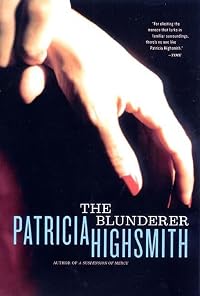
The Blunderer
by Patricia Highsmith
On This Page
Description
For two years, Walter Stackhouse has been a faithful and supportive husband to his wife, Clara. But she is distant and neurotic, and Walter finds himself harboring gruesome fantasies about her demise. When Clara's dead body turns up at the bottom of a cliff in a manner uncannily resembling the recent death of a woman who was murdered by her husband, Walter finds himself under intense scrutiny. He commits several blunders that claim his career and his reputation, cost him his friends, and show more eventually threaten his life. The Blunderer examines the dark obsessions that lie beneath the surface of seemingly ordinary people. With unerring psychological insight, Patricia Highsmith portrays characters who cross the precarious line separating fantasy from reality. show lessTags
Recommendations




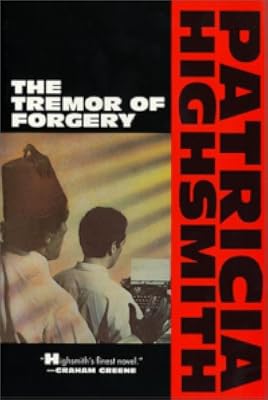
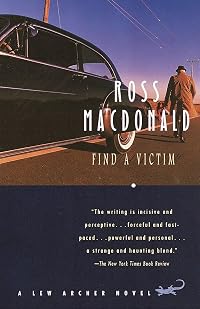


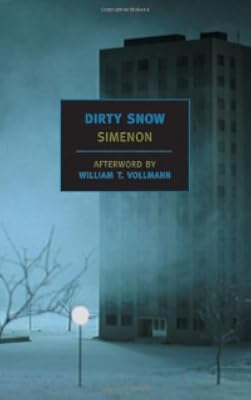

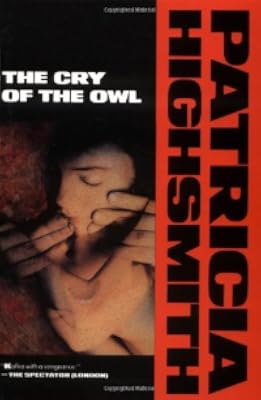











Member Recommendations
sturlington Both domestic suspense involving impossible wives.
Member Reviews
Highsmith had a reputation for misanthropy, which she does nothing to dispel with this thriller. First, let's take a look at the women characters, such as they are. Two of them are shrill, nagging wives who both die violent deaths, and it seems they deserved them. The last is pretty much a non-character, who falls in love with Walter (the most non-romantic person imaginable) without any provocation whatsoever and spends the rest of the novel not doing much.
But Highsmith is obviously more interested in her men than her women, specifically three men. The first is Walter, the titular blunderer, who when his wife supposedly commits suicide by jumping off a cliff during a rest stop on a bus trip, does pretty much everything he can to make show more himself look guilty of murder. Walter has none of the misplaced charisma of Highsmith's well-known Ripley character. He is milquetoast, indecisive with his feelings, slow on the uptake, "nothing but a pair of eyes without an identity behind them." After reading a news story, Walter becomes obsessed with a man named Kimmel, who really did murder his wife at a bus stop (as revealed in the first chapter). Kimmel is in every way repulsive, who considers himself so much above the rest of humankind that he can get away with murder; he thinks of himself as "powerful and impregnable as a myth." Highsmith takes care to mention Kimmel's physical appearance at every opportunity, his fatness, his lack of grace and bad eyesight, his repulsive thick lips like a heart.
It takes a lot to get the reader to feel even a modicum of sympathy for such a man, who did, after all, brutally strangle his wife without any sense of remorse whatsoever. However, when Corby, Highsmith's third man, comes into the book, she almost manages to do so. Corby is the police detective obsessed with pinning both deaths on the husbands, by any means necessary. While Walter is stupid and Kimmel is arrogant, Corby comes across as nothing less than evil, which is all the more shocking because he represents justice.
Highsmith turns our expectations upside down and has us rooting for Kimmel and Walter to triumph over Corby. She is an expert manipulator, and it shows in this novel, but after finishing it, I felt icky, contaminated. These are not people I'd care to know, and Highsmith offers no alternatives, not even a hint of one. The world is full of people like these, she seems to be saying; take a close look at anyone and you'll find something to disgust you. So while The Blunderer is a well-written novel and an effective piece of horror, it is not a book I can say that I liked. show less
But Highsmith is obviously more interested in her men than her women, specifically three men. The first is Walter, the titular blunderer, who when his wife supposedly commits suicide by jumping off a cliff during a rest stop on a bus trip, does pretty much everything he can to make show more himself look guilty of murder. Walter has none of the misplaced charisma of Highsmith's well-known Ripley character. He is milquetoast, indecisive with his feelings, slow on the uptake, "nothing but a pair of eyes without an identity behind them." After reading a news story, Walter becomes obsessed with a man named Kimmel, who really did murder his wife at a bus stop (as revealed in the first chapter). Kimmel is in every way repulsive, who considers himself so much above the rest of humankind that he can get away with murder; he thinks of himself as "powerful and impregnable as a myth." Highsmith takes care to mention Kimmel's physical appearance at every opportunity, his fatness, his lack of grace and bad eyesight, his repulsive thick lips like a heart.
It takes a lot to get the reader to feel even a modicum of sympathy for such a man, who did, after all, brutally strangle his wife without any sense of remorse whatsoever. However, when Corby, Highsmith's third man, comes into the book, she almost manages to do so. Corby is the police detective obsessed with pinning both deaths on the husbands, by any means necessary. While Walter is stupid and Kimmel is arrogant, Corby comes across as nothing less than evil, which is all the more shocking because he represents justice.
Highsmith turns our expectations upside down and has us rooting for Kimmel and Walter to triumph over Corby. She is an expert manipulator, and it shows in this novel, but after finishing it, I felt icky, contaminated. These are not people I'd care to know, and Highsmith offers no alternatives, not even a hint of one. The world is full of people like these, she seems to be saying; take a close look at anyone and you'll find something to disgust you. So while The Blunderer is a well-written novel and an effective piece of horror, it is not a book I can say that I liked. show less
A bit overlong, but interesting enough that I didn’t skim much. Walter is a dope as the title would have you believe and it wasn’t much of a surprise how he ended up. Highsmith’s prose is stellar. I hoped for a plot with a few more surprises than I got, but I still liked the book quite a bit.
Written before the Miranda Warning became mandatory in the US, it’s sometimes really hard to fathom why Walter and Kimmel put up with so much from Corby. Walter is a lawyer and he doesn’t put a stop to Corby’s abuse of him and the system. For the most part, Corby is the bad guy here. He’s a menace and routinely beats up Kimmel for the sport of it. Once even in the cop shop itself. His investigation seemed to have no supervision and show more made very little sense sometimes. I mean, who cares what W or K think about the other’s guilt, something Corby hammered on repeatedly. He also didn’t arrest K for assault when he could have, and given his vindictiveness you’d think he’d go for it. Maybe policing was really different in the 1950s. There are also liberties taken with how much the newspaper would have printed about Walter and his wife’s death. Maybe I read it with too much modern sensibility, but I did notice how off the rails things seemed to get.
And there was no attempt whatsoever to make either Helen or Clara in the least sympathetic. One was a cheater and the other a manipulative asshole disguised as a neurotic. The thing of it is their repulsiveness didn’t make either husband seem sympathetic either. Both of them were nasty pieces of work in totally different ways. Walter in his idiocy and wishy-washiness, Kimmel with his corpulence and arrogance. Ick. Interesting, but still ick. show less
Written before the Miranda Warning became mandatory in the US, it’s sometimes really hard to fathom why Walter and Kimmel put up with so much from Corby. Walter is a lawyer and he doesn’t put a stop to Corby’s abuse of him and the system. For the most part, Corby is the bad guy here. He’s a menace and routinely beats up Kimmel for the sport of it. Once even in the cop shop itself. His investigation seemed to have no supervision and show more made very little sense sometimes. I mean, who cares what W or K think about the other’s guilt, something Corby hammered on repeatedly. He also didn’t arrest K for assault when he could have, and given his vindictiveness you’d think he’d go for it. Maybe policing was really different in the 1950s. There are also liberties taken with how much the newspaper would have printed about Walter and his wife’s death. Maybe I read it with too much modern sensibility, but I did notice how off the rails things seemed to get.
And there was no attempt whatsoever to make either Helen or Clara in the least sympathetic. One was a cheater and the other a manipulative asshole disguised as a neurotic. The thing of it is their repulsiveness didn’t make either husband seem sympathetic either. Both of them were nasty pieces of work in totally different ways. Walter in his idiocy and wishy-washiness, Kimmel with his corpulence and arrogance. Ick. Interesting, but still ick. show less
As far as Highsmith goes, things don't always go the way you think they should in her books. She often does a 180 in terms of reader expectations; in this case, she ended up leaving me a lot more unsettled at the end than I was throughout the story.
The Blunderer examines three different men in terms of two of Highsmith's favorite themes, guilt and justice. The first, Kimmel, is a bookstore owner who specializes in obtaining pornography. He's also a murderer [which is not a spoiler since you see the whole thing unravel right away upon opening the book and it's on the back-cover blurb] who believes he's gotten away with killing his wife and feels no remorse; the second is an attorney, Walter Stackhouse, whose neurotic ballbuster of a wife show more Clara is driving his friends away little by little because of her disapproving attitude and crazy imagination. Unlike Kimmel, Walter only thinks about getting rid of his wife, and on reading the story of Mrs. K's death, becomes obsessed with the way the job was done. At the same time, he also becomes more and more convinced of Kimmel's guilt, becoming fascinated with Kimmel himself, and trots off to his bookstore to take a look at him. When Clara turns up dead (also on the back-cover blurb) in much the same fashion as Kimmel's wife, enter the third party of this strange triangle, the overzealous, overreaching, and over-aggressive police detective investigating Mrs. Kimmel's death. While Kimmel sails along sure of himself as far as the law is concerned, Walter isn't so fortunate -- he is the titular "blunderer," whose stupid mistakes he's made along the way are enough to cause havoc for Walter in so very many ways.
While there are definite similarities between this novel and Strangers on a Train (as in an examination of guilt, the psychology of the individual, and the doppelganger-ish, growing obsession between two men), unlike SOAT, the ending of this one is a definite shocker. But before reaching that point, what I find most interesting about this book just may be the way in which the reader is pretty much manipulated the entire way through the story.
As in the cases of both The Talented Mr. Ripley and Strangers on a Train, I found myself constantly being thrown off kilter while reading, but that's what makes Patricia Highsmith such a fine writer, and it's likely why her books are still quite popular half a century or more after they were first published. I don't want just crime, investigation and solution in my reading, and she more than satisfies my need for dark inroads into the psyche. The Blunderer is one I'd most certainly recommend to readers of darker fiction. show less
The Blunderer examines three different men in terms of two of Highsmith's favorite themes, guilt and justice. The first, Kimmel, is a bookstore owner who specializes in obtaining pornography. He's also a murderer [which is not a spoiler since you see the whole thing unravel right away upon opening the book and it's on the back-cover blurb] who believes he's gotten away with killing his wife and feels no remorse; the second is an attorney, Walter Stackhouse, whose neurotic ballbuster of a wife show more Clara is driving his friends away little by little because of her disapproving attitude and crazy imagination. Unlike Kimmel, Walter only thinks about getting rid of his wife, and on reading the story of Mrs. K's death, becomes obsessed with the way the job was done. At the same time, he also becomes more and more convinced of Kimmel's guilt, becoming fascinated with Kimmel himself, and trots off to his bookstore to take a look at him. When Clara turns up dead (also on the back-cover blurb) in much the same fashion as Kimmel's wife, enter the third party of this strange triangle, the overzealous, overreaching, and over-aggressive police detective investigating Mrs. Kimmel's death. While Kimmel sails along sure of himself as far as the law is concerned, Walter isn't so fortunate -- he is the titular "blunderer," whose stupid mistakes he's made along the way are enough to cause havoc for Walter in so very many ways.
While there are definite similarities between this novel and Strangers on a Train (as in an examination of guilt, the psychology of the individual, and the doppelganger-ish, growing obsession between two men), unlike SOAT, the ending of this one is a definite shocker. But before reaching that point, what I find most interesting about this book just may be the way in which the reader is pretty much manipulated the entire way through the story.
As in the cases of both The Talented Mr. Ripley and Strangers on a Train, I found myself constantly being thrown off kilter while reading, but that's what makes Patricia Highsmith such a fine writer, and it's likely why her books are still quite popular half a century or more after they were first published. I don't want just crime, investigation and solution in my reading, and she more than satisfies my need for dark inroads into the psyche. The Blunderer is one I'd most certainly recommend to readers of darker fiction. show less
Walter Stackhouse is more than a blunderer, he’s an idiot. He becomes interested in a newspaper story about a bookstore owner’s wife that was found dead at a bus stop. Walter visits the husband’s shop just to see what a murderer looks like. Walter’s wife is a controlling, neurotic woman who commits suicide in a way that makes him look guilty of murder. She is found dead near a bus stop. An ambitious police detective, Corby, decides that the similarity between the women’s death is not just coincidence. He sets out to play one man against the other. In the process both men’s lives are destroyed.
There is no hero in this story; no one you can root for. You can’t feel sorry for Walter who does everything within his power to show more make himself look guilty. Kimmel, the husband who actually killed his wife, believes he is above the law and everyone else. Corby is your typical noir police detective who tries to beat and bully a confession out of Kimmel. His tactics would not be tolerated in the modern day police force. The ending is not happy, but is apropos for such a blunderer. show less
There is no hero in this story; no one you can root for. You can’t feel sorry for Walter who does everything within his power to show more make himself look guilty. Kimmel, the husband who actually killed his wife, believes he is above the law and everyone else. Corby is your typical noir police detective who tries to beat and bully a confession out of Kimmel. His tactics would not be tolerated in the modern day police force. The ending is not happy, but is apropos for such a blunderer. show less
Good, but not that great (by Highsmith standards). A pair of murders. 1st - Kimmel, bookseller of Newark, kills his wife when she gets off at a rest area from being on a long bus ride. 2nd- Walter Stackhouse reads of this story, surmises what happened and begins to consider this plan for his own wife. Finally she does take the fateful bus ride and dies having fallen off a cliff. Did Walter do it? He doesn't think so- he doesn't remember doing it- but probably he did? Tenacious police fellow Corby begins pursuing the matter with increasing intensity- eventually badgering - and physically beating Kimmel into submission. We learn Kimmel rather likes this submissive state (an odd tangent that isn't further explored). No one gives in, but show more eventually the increasing tension of all involved results in a bloodbath/conclusion as Kimmel was stalking Stackhouse and they collide ... The story itself isn't that great, but the trademark Highsmith portrayal of increasing dislocation from reality and self harm of Stackhouse (the "blunderer") is fascinating as usual. show less
Most of us have seen, or know of, the Alfred Hitchcock film based on Patricia Highsmith’s Strangers on a Train, a fascinating movie despite the fact that Highsmith absolutely hated the way that Hitchcock tamed her story to the extent that she thought he had ruined it by eliminating much of its shock value. Highsmith followed Strangers on a Train with The Price of Salt, a 1952 “lesbian novel” that she published under the name Claire Morgan. It was in 1954 that she published the second novel under her real name, one that she and some readers and critics believe to be “more complex and sophisticated: than its more famous predecessor.
The Blunderer is the story of Walter Stackhouse, a man who feels trapped in his marriage to the show more neurotic Clara, and who is indeed a world-class blunderer. Clara, after being told by Walter that he plans to go to Reno to divorce her, makes a suicide attempt that she only survives because Walter returns home just in time to get her to a hospital where her life is saved.
But it is when Walter becomes obsessed with the brutal, and unsolved, murder of a woman at a bus rest stop that his real troubles begin. He instinctively believes that the woman’s husband had something to do with her murder and finds himself compulsively clipping a newspaper article about the case and even going to the man’s bookstore just to see if he looks like a murderer. Compulsion turns to obsession when Walter, in his dreams, follows his own wife to a rest stop and murders her in the way that he imagines the first woman has been killed. The dreams become so real to Walter that upon awakening he is almost certain that he has really killed his wife.
When Walter’s mother-in-law suddenly appears to be on her death bed and Clara boards a bus to take her to her mother’s hospital, Walter can’t explain even to himself why he feels compelled to follow the bus when it leaves the station. It is almost as if he is living the dream that has dominated his recent nights. At the first rest stop that the bus makes, Walter looks for Clara but can’t find her anywhere despite the fact that he spends most of the 15-minute rest stop asking people if they’ve seen her. The bus leaves, one passenger short, and Walter returns home where he decides not to notify the police that anything strange might have happened to his wife.
Clara’s body is found the next day and Walter begins to dig the hole that will make everyone believe that he is the likely killer. He starts his downward spiral by not telling the investigators that he followed the bus, an omission of fact that is easily disproved by the detectives who interview everyone at the rest stop and everyone who had been on the bus that night. As more and more of the truth about Walter and his relationship with his wife becomes known to the authorities, it appears more and more certain that he is the guilty man despite the fact that he is not the killer.
In typical Highsmith fashion, the detective investigating the murder of Clara Stackhouse is such an unethical and horrible man that, after a while, the reader has little expectation that justice will be served. In fact, one begins to wonder if justice even exists in the world she describes. This is a first-rate psychological novel, one that has a lesson to teach us all about how we choose to present ourselves to the world. I did not, however, find the book’s ending to be satisfactory. It doesn’t seem to fit the style of the rest of the book and does not quite ring true, feeling like a desperate attempt on Highsmith's part to wrap everything up as quickly as possible. That’s the only reason that I rate this book as a “4” rather than as a “5.”
The Blunderer would have made a great film in the hands of a director like Alfred Hitchcock because much of the plot revolves around the fact that things are just not what they appear to be when it comes to Walter Stackhouse and the death of his wife. Hitchcock was excellent at misdirection in his films and Highsmith’s novel provides many opportunities for that approach. But, as far as I know, he didn’t consider optioning the rights to this one and it was not until 1983 that anyone approached Highsmith about filming her book. Unfortunately, this project with HBO failed and the novel has not been filmed.
Rated at: 4.0 show less
The Blunderer is the story of Walter Stackhouse, a man who feels trapped in his marriage to the show more neurotic Clara, and who is indeed a world-class blunderer. Clara, after being told by Walter that he plans to go to Reno to divorce her, makes a suicide attempt that she only survives because Walter returns home just in time to get her to a hospital where her life is saved.
But it is when Walter becomes obsessed with the brutal, and unsolved, murder of a woman at a bus rest stop that his real troubles begin. He instinctively believes that the woman’s husband had something to do with her murder and finds himself compulsively clipping a newspaper article about the case and even going to the man’s bookstore just to see if he looks like a murderer. Compulsion turns to obsession when Walter, in his dreams, follows his own wife to a rest stop and murders her in the way that he imagines the first woman has been killed. The dreams become so real to Walter that upon awakening he is almost certain that he has really killed his wife.
When Walter’s mother-in-law suddenly appears to be on her death bed and Clara boards a bus to take her to her mother’s hospital, Walter can’t explain even to himself why he feels compelled to follow the bus when it leaves the station. It is almost as if he is living the dream that has dominated his recent nights. At the first rest stop that the bus makes, Walter looks for Clara but can’t find her anywhere despite the fact that he spends most of the 15-minute rest stop asking people if they’ve seen her. The bus leaves, one passenger short, and Walter returns home where he decides not to notify the police that anything strange might have happened to his wife.
Clara’s body is found the next day and Walter begins to dig the hole that will make everyone believe that he is the likely killer. He starts his downward spiral by not telling the investigators that he followed the bus, an omission of fact that is easily disproved by the detectives who interview everyone at the rest stop and everyone who had been on the bus that night. As more and more of the truth about Walter and his relationship with his wife becomes known to the authorities, it appears more and more certain that he is the guilty man despite the fact that he is not the killer.
In typical Highsmith fashion, the detective investigating the murder of Clara Stackhouse is such an unethical and horrible man that, after a while, the reader has little expectation that justice will be served. In fact, one begins to wonder if justice even exists in the world she describes. This is a first-rate psychological novel, one that has a lesson to teach us all about how we choose to present ourselves to the world. I did not, however, find the book’s ending to be satisfactory. It doesn’t seem to fit the style of the rest of the book and does not quite ring true, feeling like a desperate attempt on Highsmith's part to wrap everything up as quickly as possible. That’s the only reason that I rate this book as a “4” rather than as a “5.”
The Blunderer would have made a great film in the hands of a director like Alfred Hitchcock because much of the plot revolves around the fact that things are just not what they appear to be when it comes to Walter Stackhouse and the death of his wife. Hitchcock was excellent at misdirection in his films and Highsmith’s novel provides many opportunities for that approach. But, as far as I know, he didn’t consider optioning the rights to this one and it was not until 1983 that anyone approached Highsmith about filming her book. Unfortunately, this project with HBO failed and the novel has not been filmed.
Rated at: 4.0 show less
The perfect murder or serial killer? Our MC has a very frustrating wife. She's constantly arguing and tearing him down. He can barely be around her but he keeps telling himself he loves her. Casually reading the newspaper, he sees the story of a woman who was murdered on a break from a long bus ride. The police suspect the husband but have not arrested him.
He becomes intrigued. Did this man kill his wife? Is he getting away with it? From there, the pieces fall in to place. His own wife takes an unexpected bus ride and she disappears from it - only to be discovered at the bottom of a cliff. Did she jump? Did he or someone else push her?
This story was so odd. The police officer was just awful and was hard to read. I know I need to put show more him in context of the time and era, but his violence and intimidation with the gun was horrible. show less
He becomes intrigued. Did this man kill his wife? Is he getting away with it? From there, the pieces fall in to place. His own wife takes an unexpected bus ride and she disappears from it - only to be discovered at the bottom of a cliff. Did she jump? Did he or someone else push her?
This story was so odd. The police officer was just awful and was hard to read. I know I need to put show more him in context of the time and era, but his violence and intimidation with the gun was horrible. show less
Members
- Recently Added By
Lists

Best Noir Fiction
160 works; 14 members

Books mentioned in Julian Symons’ Bloody Murder
438 works; 6 members

Recommended Horror and Dark Fiction by Women
81 works; 13 members

Books Read in 2015
3,299 works; 129 members

1950s
340 works; 22 members

Domestic Suspense Reading List
10 works; 1 member
Books Read in 2016
4,666 works; 199 members

Favourite Virago Modern Classics
183 works; 38 members
Author Information

302+ Works 32,993 Members
Patricia Highsmith wrote twenty-one novels including "Strangers on a Train" & the "Ripley" series. She died in 1995 in Switzerland, where she resided much of her life. (Publisher Provided) Patricia Highsmith (January 19, 1921 -- February 4, 1995) was an American novelist and short story writer, most widely known for her psychological thrillers, show more which led to more than two dozen film adaptations. She was born in Fort Worth, Texas. Highsmith grew up with her maternal grandmother in Astoria, Queens, and attended Barnard College. Her first novel, Strangers on a Train (1950), was adapted for stage and screen numerous times, notably by Alfred Hitchcock in 1951. In addition to her acclaimed series about murderer Tom Ripley, which was made into a film in 1955, she wrote many short stories, often macabre, satirical or tinged with black humor. Highsmith liked to examine the ways in which people can get to the point where they are capable of murder, as well as who they become after they have committed a crime. In carefully constructed stories and novels, she integrated this scrutiny of the human psyche into complex plots that often took unexpected twists. In Strangers on a Train, architect Guy Haines meets Charles Bruno on a train. Bruno conceives a plan to have Haines kill Bruno's father, while Bruno will kill Haines's wife. The effect that this plan has on Haines is the focus of the story. Highsmith's awards include: O. Henry Award for best publication of first story, for "The Heroine" in Harper's Bazaar (1946), Grand Prix de Littérature Policière, for The Talented Mr. Ripley (1957), and the Dagger Award -- Category Best Foreign Novel, for The Two Faces of January from the Crime Writers' Association of Great Britain (1964). Highsmith died of aplastic anemia and cancer in Locarno, Switzerland, at age 74. Her last novel, Small G: A Summer Idyll, was published one month after her death in 1995. (Bowker Author Biography) show less
Some Editions
Awards and Honors
Notable Lists
Series
Belongs to Publisher Series
Llibres a mà (4)
detebe (74/1)
Work Relationships
Is contained in
Club del misterio. Volumen I: Prólogo de J. J. BORGES. "El cuento policial, IX" . Dashiell HAMMETT: "Cosecha roja". Arthur CONAN DOYLE: "Las aventuras de Shrlock Holmes". Hellery QUEEN: "Cara a cara". Raymond CHANDLER: "El sueño eterno". Patricia IHGSMITH: Erle STANLEY GARDNER: "El cuchillo". "El caso del juguete mortífero". James HADLEY CHASE: "Impulso creador". "El secuestro de Miss Blandish". Nicholas BLAKE: "La bestia debe morir". Volumen 2: Prólogo de R. CHANDLER: " El simpl by AA VV (indirect)
Common Knowledge
- Canonical title*
- Der Stümper
- Original title
- The Blunderer
- Original publication date
- 1954
- People/Characters
- Walter Stackhouse; Clara Stackhouse; Ellie Briess; Melchior J. Kimmel; Lieutenant Lawrence Corby
- Related movies
- Le meurtrier (1963); A Kind of Murder (2016 | IMDb)
- Dedication
- For L.
- First words
- The man in the dark blue slacks and a forest-green sportshirt waited impatiently in the line.
- Quotations
- Booklovers: If you knew the kind of books a man wanted, you knew the man.
A familiar confidence surged through Kimmel, a sense of immunity, powerful and impregnable as a myth. He was a giant compared to Corby. Corby would find no hold on him.
He had always loved to walk in Manhattan. Nobody looked at him, nobody paid any attention. He could stop and stare into shop windows at rows of glistening scissors and knives, and feel like nothing but a pair of eyes without ... (show all)an identity behind them.
What kind of courage did it take to commit a murder? What degree of hatred? Did he have enough? - Last words*
- (Click to show. Warning: May contain spoilers.)Er schämte sich, dass sie etwas miteinander zu tun hatten.
- Original language
- English US
*Some information comes from Common Knowledge in other languages. Click "Edit" for more information.
Classifications
Statistics
- Members
- 535
- Popularity
- 55,802
- Reviews
- 19
- Rating
- (3.65)
- Languages
- 13 — Catalan, Dutch, English, Estonian, Finnish, French, German, Italian, Norwegian (Bokmål), Norwegian, Portuguese, Spanish, Turkish
- Media
- Paper, Audiobook, Ebook
- ISBNs
- 49
- ASINs
- 17