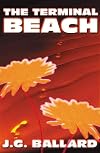
The Terminal Beach
by J. G. Ballard
On This Page
Description
The Terminal Beach is one of Ballard¿s most brilliant collections of short stories, ranging from the title story¿s disturbing picture of an abandoned atomic testing island in the Pacific to the shocking Oedipal fantasy of ¿The Gioconda of the Twilight Noon¿. At the heart of the stories lies the bitter paradox that the extraordinary creative power of man¿s imagination is matched only by his reckless instinct for destruction. ¿One of the few genuine surrealists this country has produced, show more the possessor of a terrifying and exhilarating imagination ¿ and a national treasure¿ Guardian show lessTags
Recommendations
























Member Reviews
4/5
Ballard is distinct in a way that few authors can ever dream of being, so much so that the word Ballardian feels as apt to use as words like Kafkaesque or Lynchian. His sense of style, his subject matter, and the perspective of his voice are so uniquely his own. Reading The Terminal Beach has solidified Ballard's place in my mind as one of the masters of SF.
I say that, but The Terminal Beach has a lot of stories that I wouldn't even classify as SF at all. Ballard consistently rides the intersection between science fiction, fantasy, and literary fiction. These stories are bleak, misanthropic, pessimistic about human behavior and the influence of technology. Often they set a singular, broken man amid an antagonistic landscape, who's show more mental state slowly degrades over time. There are a lot of beaches and outdoor environments in this collection, but I find Ballard at his best when he works in the urban or suburban. My inherent pessimistic side connects a lot with these themes, but reading Ballard can often be depressing.
Standout stories include:
The Drowned Giant, an engaging description of the body of a gigantic humanoid decaying on a beach. A critique of our collective memory and commodification of the mystical.
Bilennium, a surprisingly humorous (for Ballard) overpopulation dystopia that is primarily focused on the division of personal living space. A reminder that despite what we tend to think, most of our most problems are self inflicted, and we tend to become what we hate. Possibly an inspiration for Harrison's Make Room! Make Room!.
The Terminal Beach, the headliner, about a lone figure, diseased and dying, as they wander through a landscape disfigured by atomic bomb testing. Perhaps the most challenging and opaque story of the lot.
The Reptile Enclosure, the most standard SF short of the bunch, set on a beach where the seething mass of human flesh that lays baking in the sun is herded like cattle to the slaughter. Short, lurid, and memorable.
There's also a Heart of Darkness pastiche that finds space to include critiques of technology, and a Kafkaesque story that was perhaps a bit less subtle than Ballard usually is.
That all being said, The Terminal Beach didn't exactly blow my socks off. While the floor for quality is pretty high here, it does come with some of the baggage that all collections/anthologies come with; some of the stories are better than others, and reading so many short stories back to back can make some of them get lost in your mind. I wasn't particularly moved by any of these stories, probably in part due to Ballard's detached, emotionally vacant style. Ballard's humans aren't the most convincing, even if he mostly makes up for it with environments and psychology that languish in detail. Honestly I was expecting to enjoy this collection more than I did, but I think that must be a product of the high bar he has already created in my mind, which I suppose isn't a bad thing. show less
Ballard is distinct in a way that few authors can ever dream of being, so much so that the word Ballardian feels as apt to use as words like Kafkaesque or Lynchian. His sense of style, his subject matter, and the perspective of his voice are so uniquely his own. Reading The Terminal Beach has solidified Ballard's place in my mind as one of the masters of SF.
I say that, but The Terminal Beach has a lot of stories that I wouldn't even classify as SF at all. Ballard consistently rides the intersection between science fiction, fantasy, and literary fiction. These stories are bleak, misanthropic, pessimistic about human behavior and the influence of technology. Often they set a singular, broken man amid an antagonistic landscape, who's show more mental state slowly degrades over time. There are a lot of beaches and outdoor environments in this collection, but I find Ballard at his best when he works in the urban or suburban. My inherent pessimistic side connects a lot with these themes, but reading Ballard can often be depressing.
Standout stories include:
The Drowned Giant, an engaging description of the body of a gigantic humanoid decaying on a beach. A critique of our collective memory and commodification of the mystical.
Bilennium, a surprisingly humorous (for Ballard) overpopulation dystopia that is primarily focused on the division of personal living space. A reminder that despite what we tend to think, most of our most problems are self inflicted, and we tend to become what we hate. Possibly an inspiration for Harrison's Make Room! Make Room!.
The Terminal Beach, the headliner, about a lone figure, diseased and dying, as they wander through a landscape disfigured by atomic bomb testing. Perhaps the most challenging and opaque story of the lot.
The Reptile Enclosure, the most standard SF short of the bunch, set on a beach where the seething mass of human flesh that lays baking in the sun is herded like cattle to the slaughter. Short, lurid, and memorable.
There's also a Heart of Darkness pastiche that finds space to include critiques of technology, and a Kafkaesque story that was perhaps a bit less subtle than Ballard usually is.
That all being said, The Terminal Beach didn't exactly blow my socks off. While the floor for quality is pretty high here, it does come with some of the baggage that all collections/anthologies come with; some of the stories are better than others, and reading so many short stories back to back can make some of them get lost in your mind. I wasn't particularly moved by any of these stories, probably in part due to Ballard's detached, emotionally vacant style. Ballard's humans aren't the most convincing, even if he mostly makes up for it with environments and psychology that languish in detail. Honestly I was expecting to enjoy this collection more than I did, but I think that must be a product of the high bar he has already created in my mind, which I suppose isn't a bad thing. show less
Nadie como J.G. Ballard para contarnos la desintegración de la sociedad y el ser humano, y además narrada de la manera más poética. Resulta fascinante la similitud entre el paisaje exterior y el paisaje interior de los protagonistas. A veces entiendo sus alegorías, aunque otras no, pero no me importa por las impresionantes imágenes que logra crear. Algunas de sus historias perduran en la memoria durante bastante tiempo.
‘Playa terminal’ (Terminal Beach, 1964; la presente edición corresponde a la recopilación británica, pero existe otra con el mismo título correspondiente a la edición americana, donde sólo coinciden dos relatos) contiene los siguientes cuentos:
-El gigante ahogado. Un buen día, aparece un gigante ahogado show more en la playa, interrumpiendo la cotidianidad de la población cercana. Gran relato.
-Problema de reingreso. Un científico viaja al recóndito Amazonas en busca de una cápsula lunar y su tripulante. Magnífico relato.
-Final de partida. Relato claramente kafkiano, donde el protagonista es condenado a vivir en una villa junto a su verdugo, que lo puede ejecutar en cualquier momento. Buen relato.
-El hombre iluminado. Algunos lugares del mundo están sometidos a un extraño fenómeno de cristalización. Sin duda, mi relato favorito del libro, que ampliado, daría lugar a la novela El mundo de cristal.
-La jaula de los reptiles. Un matrimonio está en una playa repleta de personas, hasta que de pronto la sobrevuela un satélite. Flojo.
-El delta del crepúsculo. El arqueólogo Charles Gifford, con una pierna herida, se resiste a abandonar el lugar donde trabaja junto a su esposa, ayudante y guía aborigen. Flojo.
-Playa terminal. El protagonista está atrapado en una isla donde se realizaban pruebas nucleares. Relato extraño, sobre todo en su narrativa, pero igualmente fascinante.
-Ocaso. Los océanos han desaparecido y los últimos habitantes de la Tierra están siendo evacuados, aunque el protagonista no se decide a dejar el planeta. Buen relato.
-Las danzas del volcán. Los protagonistas viven cerca de un volcán a punto de hacer erupción. Flojo.
-Bilenio. El planeta está sometido a la superpoblación, y vive en lugares sumamente reducidos. La ironía de Ballard hace aparición en este estupendo relato.
-La Gioconda del mediodía crepuscular. El protagonista se está recuperando de una lesión ocular, y mientras tiene ciertas visiones. Buen relato.
-El Leonardo perdido. El cuadro de la Crucifixión de Leonardo Da Vinci ha sido robado del Louvre, un robo aparentemente imposible que ha de investigar el protagonista. Tras este misterio se oculta algo más intrigante. Buen relato. show less
‘Playa terminal’ (Terminal Beach, 1964; la presente edición corresponde a la recopilación británica, pero existe otra con el mismo título correspondiente a la edición americana, donde sólo coinciden dos relatos) contiene los siguientes cuentos:
-El gigante ahogado. Un buen día, aparece un gigante ahogado show more en la playa, interrumpiendo la cotidianidad de la población cercana. Gran relato.
-Problema de reingreso. Un científico viaja al recóndito Amazonas en busca de una cápsula lunar y su tripulante. Magnífico relato.
-Final de partida. Relato claramente kafkiano, donde el protagonista es condenado a vivir en una villa junto a su verdugo, que lo puede ejecutar en cualquier momento. Buen relato.
-El hombre iluminado. Algunos lugares del mundo están sometidos a un extraño fenómeno de cristalización. Sin duda, mi relato favorito del libro, que ampliado, daría lugar a la novela El mundo de cristal.
-La jaula de los reptiles. Un matrimonio está en una playa repleta de personas, hasta que de pronto la sobrevuela un satélite. Flojo.
-El delta del crepúsculo. El arqueólogo Charles Gifford, con una pierna herida, se resiste a abandonar el lugar donde trabaja junto a su esposa, ayudante y guía aborigen. Flojo.
-Playa terminal. El protagonista está atrapado en una isla donde se realizaban pruebas nucleares. Relato extraño, sobre todo en su narrativa, pero igualmente fascinante.
-Ocaso. Los océanos han desaparecido y los últimos habitantes de la Tierra están siendo evacuados, aunque el protagonista no se decide a dejar el planeta. Buen relato.
-Las danzas del volcán. Los protagonistas viven cerca de un volcán a punto de hacer erupción. Flojo.
-Bilenio. El planeta está sometido a la superpoblación, y vive en lugares sumamente reducidos. La ironía de Ballard hace aparición en este estupendo relato.
-La Gioconda del mediodía crepuscular. El protagonista se está recuperando de una lesión ocular, y mientras tiene ciertas visiones. Buen relato.
-El Leonardo perdido. El cuadro de la Crucifixión de Leonardo Da Vinci ha sido robado del Louvre, un robo aparentemente imposible que ha de investigar el protagonista. Tras este misterio se oculta algo más intrigante. Buen relato. show less
A fascinating collection of some of Ballard's early stories. Very varied, mostly atmospheric, usually weird, always entertaining. Some of these stories are clearly science fiction, others are closer to mood pieces. But the perspective is always a little warped: Ballard rarely approaches his ideas along classic or a straightforward paths. The style is dense, the stories are a little hard to get into, but ultimately left me feeling glad I persevered. Very interesting.
The Terminal Beach is a collection of early stories so one gets a chance to see Ballard trying different things, and perhaps writing stories that read closer to regular SF. Many of the stories are more interesting for the ride than the punchline but a few stand out to mention here. "Billenium" is a very effective character study in a convincingly drawn overpopulated future, and "The Drowned Giant" is an odd little fantasy excursion that reads like something conjured up by Kafka or Borges -a first person journal account as if written by a Lilliputian, but with a a dead Gulliver washed up on the beach. A fascinating exercise. Those two stories are definitely worth trying to catch wherever you can find them. It looks like they both appear show more in other Ballard anthologies. show less
I forgot that I had already read High Rise and Concrete Island from Ballard. If I had remembered, I would have passed on this collection. Ballard's writing is good. His story ideas are really interesting too, but he doesn't hold back at all to even give the semblance of believability. That's where things sour for me. All the works I've read from him were so close to being good, but instead they leave me kind of letdown.
Una carrellata delle visioni oniriche e castrofistiche di Ballard.
I racconti sono cerebrali, surreali, dotati di una logica stringente, ma al di fuori degli schemi logici dell'universo normale, assolutamente perfetti.
I racconti sono cerebrali, surreali, dotati di una logica stringente, ma al di fuori degli schemi logici dell'universo normale, assolutamente perfetti.
An interesting collection of SF/weird/fantasy fiction; compared to other mid-'60s writers, Ballard was not afraid to take risks, but the science fiction seems grafted on in a clunky way sometimes. The standout story is "The Drowned Giant"; the rest didn't do much for me.
Members
- Recently Added By
Lists

Best Science Fiction Novels
816 works; 426 members
Author Information

291+ Works 37,707 Members
J. G. Ballard was born to British parents in Shanghai, China on November 15, 1930. While a child during World War II, he spent four years in a Japanese POW camp. This experience was the basis for the emotionally moving novel Empire of the Sun, which he adapted into a successful movie, directed by Steven Spielberg. Before becoming a full-time show more writer, he studied medicine at Cambridge University and served as a pilot in the British Royal Air Force. Ballard is best known for his science fiction writings. His early works were heavily influenced by surrealism. Most of his novels deal with death and destruction of the human spirit. Novels such as Crash, Concrete Island, and High Rise portray a society that is devolving into barbaric chaos. Crash was made into a movie by David Cronenberg in 1996. The Drowned World describes an apocalyptic society, with a hero that ushers in the destruction of the world. His novel Empire of the Sun was shortlisted for the Booker Prize and awarded the Guardian Fiction Prize and James Tait Black Memorial Prize for fiction. Empire of the Sun was filmed by Steven Spielberg in 1987, starring a young Christian Bale as Jim (Ballard). Ballard moved away from science fiction, but he is still considered one of the leading authors of the genre. He died on April 19, 2009 at the age of 78. (Bowker Author Biography) show less
Some Editions
Series
Belongs to Publisher Series
Work Relationships
Is contained in
Contains
Common Knowledge
- Original publication date
- 1964
- Original language
- English
Classifications
Statistics
- Members
- 656
- Popularity
- 43,870
- Reviews
- 10
- Rating
- (3.91)
- Languages
- 8 — Danish, Dutch, English, French, Italian, Japanese, Farsi/Persian, Spanish
- Media
- Paper
- ISBNs
- 15
- ASINs
- 11