The Necklace {story}
by Guy de Maupassant
On This Page
Description
After devoting their energies and income for ten years to replacing a borrowed diamond necklace which they have lost, a woman and her husband learn the irony of their efforts.Tags
Recommendations





















Member Reviews
Plus ça change, plus c'est la même chose
If all the wannabe celebs on Instagram, Love Island, and their ilk make you despair at the corrosive effect of consumerism and the vacuous obsession with looking and dressing perfectly (or, with Love Island, perhaps that should be undressing), you can be cheered or depressed by the fact that 134 years ago, de Maupassant had similar concerns.
“With women there is neither caste nor rank; and beauty, grace, and charm act instead of family and birth.”
The phrasing is from 1888, but I guess there’s still a lot of truth in it.
Self-improvement is good; social-climbing perhaps less so. This tragi-comic morality tale demonstrates the dangers of envy and pretence. Better to live in the moment and show more enjoy what you have, even while hoping and working towards higher things.
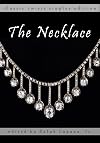
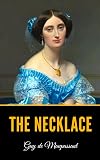
Image: A woman wearing a diamond necklace (Source)
How it starts
“She was one of those pretty and charming girls who are sometimes, as if by a mistake of destiny, born in a family of clerks.”
Awareness of that sours her life. “She let herself be married” to a clerk but is consumed with resentment at the fine things she doesn’t have and feels she deserves.
“She was as unhappy as though she had really fallen from her proper station.”
She hates the ordinary things around her and dreams of Oriental tapestries, shining silverware, and:
“Strange birds flying in a fairy forest… and of the whispered gallantries which you listen to with a sphinx-like smile while you are eating the pink flesh of a trout or the wings of a quail.”
Her husband triumphantly acquires an invitation to a reception that few clerks can go to, an opportunity to advance their social connections. But what shall she wear?
“There's nothing more humiliating than to look poor among other women who are rich.”
A solution is found and it's a glorious evening:
“Mme Loisel made a great success... She danced with intoxication, with passion, made drunk by pleasure, forgetting all, in the triumph of her beauty in the glory of her success in a sort of cloud of happiness.”
Cinderella came to mind. There is a tragic twist, but not quite that: this is realism, not a fairytale. Mme Loisel reflects how different things could have been, but rather than being bitter, she seems to become a better person. The final twist turns the knife, even as it raises a smile in the reader.
See also
• I read this immediately after Henry James’ The Real Thing (see my review HERE), which tackles similar themes in a rather different way. In both, those whose social position is lower than they want are the ones who struggle to juggle authenticity and pride. Those whose social position is secure can weather storms of finance more easily.
• Henry James wrote a contrasting version of the story a decade later, Paste.
Short story club
I read this as one of the stories in The Art of the Short Story, by Dana Gioia, from which I'm aiming to read one story a week with The Short Story Club, starting 2 May 2022.
You can read this story here.
You can join the group here. show less
If all the wannabe celebs on Instagram, Love Island, and their ilk make you despair at the corrosive effect of consumerism and the vacuous obsession with looking and dressing perfectly (or, with Love Island, perhaps that should be undressing), you can be cheered or depressed by the fact that 134 years ago, de Maupassant had similar concerns.
“With women there is neither caste nor rank; and beauty, grace, and charm act instead of family and birth.”
The phrasing is from 1888, but I guess there’s still a lot of truth in it.
Self-improvement is good; social-climbing perhaps less so. This tragi-comic morality tale demonstrates the dangers of envy and pretence. Better to live in the moment and show more enjoy what you have, even while hoping and working towards higher things.
Image: A woman wearing a diamond necklace (Source)
How it starts
“She was one of those pretty and charming girls who are sometimes, as if by a mistake of destiny, born in a family of clerks.”
Awareness of that sours her life. “She let herself be married” to a clerk but is consumed with resentment at the fine things she doesn’t have and feels she deserves.
“She was as unhappy as though she had really fallen from her proper station.”
She hates the ordinary things around her and dreams of Oriental tapestries, shining silverware, and:
“Strange birds flying in a fairy forest… and of the whispered gallantries which you listen to with a sphinx-like smile while you are eating the pink flesh of a trout or the wings of a quail.”
Her husband triumphantly acquires an invitation to a reception that few clerks can go to, an opportunity to advance their social connections. But what shall she wear?
“There's nothing more humiliating than to look poor among other women who are rich.”
A solution is found and it's a glorious evening:
“Mme Loisel made a great success... She danced with intoxication, with passion, made drunk by pleasure, forgetting all, in the triumph of her beauty in the glory of her success in a sort of cloud of happiness.”
Cinderella came to mind. There is a tragic twist, but not quite that: this is realism, not a fairytale. Mme Loisel reflects how different things could have been, but rather than being bitter, she seems to become a better person. The final twist turns the knife, even as it raises a smile in the reader.
See also
• I read this immediately after Henry James’ The Real Thing (see my review HERE), which tackles similar themes in a rather different way. In both, those whose social position is lower than they want are the ones who struggle to juggle authenticity and pride. Those whose social position is secure can weather storms of finance more easily.
• Henry James wrote a contrasting version of the story a decade later, Paste.
Short story club
I read this as one of the stories in The Art of the Short Story, by Dana Gioia, from which I'm aiming to read one story a week with The Short Story Club, starting 2 May 2022.
You can read this story here.
You can join the group here. show less
Relido em 2022.
Vejo frequentemente certos autores baterem na tecla que deve-se, a princípio, ler não os grandes escritores, mas sim, aqueles que — além de clássicos — são também grandes compositores; escultores, carpinteiros em matéria de literatura. Aqueles que, de certa forma, nos permitem observar e apreciar a forma e o “esqueleto” da obra. Vislumbrar que a criação literária, ao contrário do pensamento popular, tem pouco de psicografia artística, e mais de transpiração laboriosa. Esse conto de 1883 é um desses casos. Há uma razão clara — e principalmente, técnica — que faz com que essa breve narrativa seja lida em Escolas e Universidades pelo mundo franco-anglófono afora.
Inveja, ironia, desejo, show more materialismo, são muitas as veredas que é possível desbravar e expandir o que foi suscitado (ou escancarado) pelo autor numa aula — além de que é inerentemente uma história ágil para os alunos; Maupassant não se atém em longas descrições, ele lhe pega pela mão e mostra onde acelera, e onde desacelera, suprindo cada necessidade, induzindo ritmo e uma dose certa de descrição na narração. A exemplo, são dezenas de anos que se passam em pouquíssimas páginas. Um bom exemplo da escrita do Maupassant você encontra logo nas primeiras páginas, onde em não mais que meia dúzia de parágrafos, ele insere o leitor na França da Madame Bovary e na psique da Mathilde (personagem central do conto). Sem firulas, sem exposição exagerada.
Em questão de temática, apesar do tema feminino, o questionamento e discussão a ser levantada após a leitura do conto é universal, e talvez por isso perdure tanto: fala, principalmente, sobre pessoas que derramam a sua energia vital, frustram-se, preocupam-se, cansam-se, e fazem de tudo para acumular riqueza e/ou impressionar os outros.
Por ser tão bonita quanto, ou até mais, que as outras abastadas Mademoiselles, Mathilde julga-se melhor e acima da situação atual dela e de seu marido, se vê condenada a um destanare cruel; vive de preços, e não de valores; por isso, condena a si mesma e perde o bem mais precioso de todos: o tempo. A troco de nada.
O final, irônico, não chega a ser triste, é um ''bem que ela mereceu'', mas insinua mudança. O que te faz pensar, no entanto, após terminar o conto, é que há aí pelo mundo uma quantidade imensa de Mathildes, e pior, que nunca cometeram ou cometerão os mesmos erros crassos da protagonista, ou seja, permanecerão a viver como a Mathilde-pré-colar por indefinidos tempos; na luxúria barata e nas fantasias quixotescas, até que o tempo, enfim, bata a porta; ou pior, que passe reto, implacável como sempre foi.
Alguns pontos adicionais a título de curiosidade: O Maupassant foi um venerável aluno do Flaubert, um dos maiores escritores da literatura universal; eu já havia lido outro conto dele na "Antologia da Literatura Fantástica" e, meu deus, como ambos diferem-se. O último ponto, que tem a ver com o anterior, é que, apesar dos dois contos que eu li dele deferirem bastante em dicção, temática e estilo, uma coisa se mantém, a forma de conto dele, que me parece bastante característica. Não tem uma ação central, um tempo uno, nesses dois contos, vislumbramos sim, um ponto narrativo central, mas passa a vida inteira das personagens após isso. Não sei se é uma forma de conto que me atraí tanto, ou se foi coincidência dos dois que eu peguei para ler se desenvolverem assim, mas gostei de ambos, até, e pretendo ler mais do Maupassant. show less
Vejo frequentemente certos autores baterem na tecla que deve-se, a princípio, ler não os grandes escritores, mas sim, aqueles que — além de clássicos — são também grandes compositores; escultores, carpinteiros em matéria de literatura. Aqueles que, de certa forma, nos permitem observar e apreciar a forma e o “esqueleto” da obra. Vislumbrar que a criação literária, ao contrário do pensamento popular, tem pouco de psicografia artística, e mais de transpiração laboriosa. Esse conto de 1883 é um desses casos. Há uma razão clara — e principalmente, técnica — que faz com que essa breve narrativa seja lida em Escolas e Universidades pelo mundo franco-anglófono afora.
Inveja, ironia, desejo, show more materialismo, são muitas as veredas que é possível desbravar e expandir o que foi suscitado (ou escancarado) pelo autor numa aula — além de que é inerentemente uma história ágil para os alunos; Maupassant não se atém em longas descrições, ele lhe pega pela mão e mostra onde acelera, e onde desacelera, suprindo cada necessidade, induzindo ritmo e uma dose certa de descrição na narração. A exemplo, são dezenas de anos que se passam em pouquíssimas páginas. Um bom exemplo da escrita do Maupassant você encontra logo nas primeiras páginas, onde em não mais que meia dúzia de parágrafos, ele insere o leitor na França da Madame Bovary e na psique da Mathilde (personagem central do conto). Sem firulas, sem exposição exagerada.
Em questão de temática, apesar do tema feminino, o questionamento e discussão a ser levantada após a leitura do conto é universal, e talvez por isso perdure tanto: fala, principalmente, sobre pessoas que derramam a sua energia vital, frustram-se, preocupam-se, cansam-se, e fazem de tudo para acumular riqueza e/ou impressionar os outros.
Por ser tão bonita quanto, ou até mais, que as outras abastadas Mademoiselles, Mathilde julga-se melhor e acima da situação atual dela e de seu marido, se vê condenada a um destanare cruel; vive de preços, e não de valores; por isso, condena a si mesma e perde o bem mais precioso de todos: o tempo. A troco de nada.
O final, irônico, não chega a ser triste, é um ''bem que ela mereceu'', mas insinua mudança. O que te faz pensar, no entanto, após terminar o conto, é que há aí pelo mundo uma quantidade imensa de Mathildes, e pior, que nunca cometeram ou cometerão os mesmos erros crassos da protagonista, ou seja, permanecerão a viver como a Mathilde-pré-colar por indefinidos tempos; na luxúria barata e nas fantasias quixotescas, até que o tempo, enfim, bata a porta; ou pior, que passe reto, implacável como sempre foi.
Alguns pontos adicionais a título de curiosidade: O Maupassant foi um venerável aluno do Flaubert, um dos maiores escritores da literatura universal; eu já havia lido outro conto dele na "Antologia da Literatura Fantástica" e, meu deus, como ambos diferem-se. O último ponto, que tem a ver com o anterior, é que, apesar dos dois contos que eu li dele deferirem bastante em dicção, temática e estilo, uma coisa se mantém, a forma de conto dele, que me parece bastante característica. Não tem uma ação central, um tempo uno, nesses dois contos, vislumbramos sim, um ponto narrativo central, mas passa a vida inteira das personagens após isso. Não sei se é uma forma de conto que me atraí tanto, ou se foi coincidência dos dois que eu peguei para ler se desenvolverem assim, mas gostei de ambos, até, e pretendo ler mais do Maupassant. show less
All Mathilde wants is to be a beautiful participant in high society, an aim out of her reach as the wife of a lowly clerk, until the day they are invited to a ball.
The author makes a clever and pertinent point in his story, but not an enjoyable one. Depressing and frustrating.
The author makes a clever and pertinent point in his story, but not an enjoyable one. Depressing and frustrating.
This is a classic short story that I had to read years ago for school. I enjoyed this story, it's a bit cheesy but does present a realistic dilemma - the husband and wife had reason to fear what revealing the truth would do, and I think this story is so classic is because all of us have been faced with this kind of situation at some point in our lives, where revealing the truth, especially when it's a consequence of your own mistake, can be another painful experience.
Your typical Victorian short story. Simple, to the point storytelling, flighty characters who wish they were rich, and a nice ironic twist at the end that'll make you go, "ho ho ho, what idiots!" Very good fun.
Guy de Maupassant was a master of irony and this is one of his most famous short stories. I remembered it from high school, but it was worth revisiting.
I wonder how often we punish ourselves in life because we envy others, try to keep up with the Joneses, or focus on the material world too much.
I wonder how often we punish ourselves in life because we envy others, try to keep up with the Joneses, or focus on the material world too much.
Short and captivating story about a wife (Mathilde) whose husband tells her they are invited to a ballroom party. He really thought this invitation would please his wife. But she doesn't want to go because she has nothing to wear. (She wishes she was wealthy and wants better things in life.) Her husband gives her money to buy a new dress and she borrows a beautiful diamond necklace from a friend, which she loses later that night...
I don't want to give the rest of the story away since it is very short. It's sad how a lost necklace changed the course of this couple's life. (Maybe Mathilde should have appreciated what she had in life and shouldn't have tried so hard to impress others. I felt sorry for her husband.)
I don't want to give the rest of the story away since it is very short. It's sad how a lost necklace changed the course of this couple's life. (Maybe Mathilde should have appreciated what she had in life and shouldn't have tried so hard to impress others. I felt sorry for her husband.)
Members
- Recently Added By
Lists

Folio Society
831 works; 53 members

1970s
657 works; 23 members

Favourite Short Stories
157 works; 9 members

Favorite French Fiction
128 works; 57 members
Author Information

2,537+ Works 26,754 Members
Henry-René-Albert-Guy de Maupassant was born on August 5, 1850 in France. He was schooled at a seminary in Yvetot and Le Harve. He fought in the Franco-German War, then held civil service posts with the Ministry of the Navy and the Ministry of Public Instruction. He also worked with Gustave Flaubert, who helped him develop his writing talent and show more introduced him to many literary greats. During his lifetime, he wrote six novels, three travel books, one book of verse, and over 300 short stories. He is considered one of the fathers of the modern short story. His works include The Necklace, A Piece of String, Mademoiselle Fifi, Miss Harriet, My Uncle Jules, Found on a Drowned Man, and The Wreck. He suffered from mental illness in his later years and attempted suicide on January 2, 1892. He was committed to a private asylum in Paris, where he died on July 6, 1893. (Bowker Author Biography) show less
All Editions
Some Editions
Series
Belongs to Publisher Series
Maupassant Stories (story)
Work Relationships
Is contained in
5 Book LOT: International Collectors Library. History of Tom Jones / Late George Apley / Winesburg, Ohio / Short Stories / The Robe by Fielding / Marquard / Anderson / De Maupassant / Douglas (indirect)
Has as a student's study guide
Common Knowledge
- Canonical title
- The Necklace {story}
- Original title
- Le gueux
- Original publication date
- 1884
- First words
- She was one of those pretty and charming girls born, as though fate had blundered over her, into a family of artisans.
- Last words
- (Click to show. Warning: May contain spoilers.)"It was worth at the very most five hundred francs! . . ."
- Original language
- French
- Disambiguation notice
- Over the years, many publishers have included a wide range of Guy de Maupassant's stories in various anthologies having the same or substantially similar titles. The contents of this particular Work (if known) are listed in ... (show all)the "Book Description" Common Knowledge field below. Please distinguish between this Work and any single story or other anthologies of Maupassant's writing, unless you have first confirmed that the same contents appear in each of the Works to be combined. Thank you.
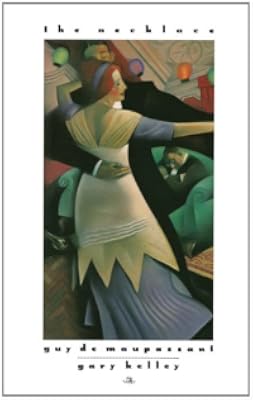
Illustrated by Gary Kelley
Classifications
Statistics
- Members
- 167
- Popularity
- 197,718
- Reviews
- 13
- Rating
- (4.05)
- Languages
- English, French, Russian
- Media
- Paper, Audiobook, Ebook
- ISBNs
- 3
- ASINs
- 9