On This Page
Description
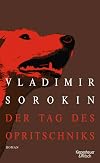
Imagines a New Russia of the near future that is ruled by a reconstituted nobility and which blends draconian codes with modern technology while locking down Western borders, a region in which a twenty-years-older Vladimir Putin has appropriated all freeenterprise.Tags
Recommendations







Member Recommendations
Member Reviews
Rating: 4.5* of five
The Publisher Says: Moscow, 2028. A cold, snowy morning.
Andrei Danilovich Komiaga is fast asleep. A scream, a moan, and a death rattle slowly pull him out of his drunken stupor—but wait, that’s just his ring tone. And so begins another day in the life of an oprichnik, one of the czar’s most trusted courtiers—and one of the country’s most feared men.
Welcome to the new New Russia, where futuristic technology and the draconian codes of Ivan the Terrible are in perfect synergy. Corporal punishment is back, as is a divine monarch, but these days everyone gets information from high-tech news bubbles, and the elite get high on hallucinogenic, genetically modified fish.
Over the course of one day, Andrei Komiaga show more will bear witness to—and participate in—brutal executions; extravagant parties; meetings with ballerinas, soothsayers, and even the czarina. He will rape and pillage, and he will be moved to tears by the sweetly sung songs of his homeland. He will consume an arsenal of drugs and denounce threats to his great nation’s morals. And he will fall in love—perhaps even with a number of his colleagues.
Vladimir Sorokin, the man described by Keith Gessen (in The New York Review of Books) as “[the] only real prose writer, and resident genius” of late-Soviet fiction, has imagined a near future both too disturbing to contemplate and too realistic to dismiss. But like all of his best work, Sorokin’s new novel explodes with invention and dark humor. A startling, relentless portrait of a troubled and troubling empire, Day of the Oprichnik is at once a richly imagined vision of the future and a razor-sharp diagnosis of a country in crisis.
I RECEIVED A DRC FROM THE PUBLISHER. THANK YOU.
My Review: From the vantage point of late 2025, a post-Putin neo-medieval Russia in 2028 sounds...oddly optimistic...as well as wrong. From 2005's standpoint it probably seemed more likely; even though nothing in this book could be called hopeful, it was probably sounding good to Sorokin just not to have Little Vladdy Pu-Pu on the tsar's throne.
Predictions always miss something. Usually they're too optimistic, too hopeful, and weird to say that's the problem with this bleak prediction-fest. *waves at Little Vladdy Pu-Pu on his throne* I'm not entirely convinced the religious fervor of the Oprichnia, as revived from the days of Ivan the Terrible (an epithet with multiple valences in English, all of them applicable to the bearer then...and by extension now), is not active in 2025 let alone 2028.
With his characteristic OTT revulsion-inducing behaviors foregrounded, this book is automatically beyond the pale of all too many squeamish readers. I would say "try to get past it" but honestly...don't. One is meant to be revolted and put off by it, much as the 1972 John Waters shocker Pink Flamingos is not meant to titillate but shock and offend (fifty-plus years on, it still does). The world Author Sorokin posits is intended to be just as appalling and revolting, to disgust you and repel you! The entire reason to hold a dark mirror of satire up is to draw attention to the wrongness and cruelty of the world being posited. By no means is it accidental that so much of it is grimly familiar. The theocratic angle is the one not quite fully rolled out by our allegedly separate government. Just wait.
This edition was published in 2011, and it is only more relevant and more horripilating in 2025's world of ICEstapo and wholesale social upheaval caused and inflamed by the most powerful in our country. show less
The Publisher Says: Moscow, 2028. A cold, snowy morning.
Andrei Danilovich Komiaga is fast asleep. A scream, a moan, and a death rattle slowly pull him out of his drunken stupor—but wait, that’s just his ring tone. And so begins another day in the life of an oprichnik, one of the czar’s most trusted courtiers—and one of the country’s most feared men.
Welcome to the new New Russia, where futuristic technology and the draconian codes of Ivan the Terrible are in perfect synergy. Corporal punishment is back, as is a divine monarch, but these days everyone gets information from high-tech news bubbles, and the elite get high on hallucinogenic, genetically modified fish.
Over the course of one day, Andrei Komiaga show more will bear witness to—and participate in—brutal executions; extravagant parties; meetings with ballerinas, soothsayers, and even the czarina. He will rape and pillage, and he will be moved to tears by the sweetly sung songs of his homeland. He will consume an arsenal of drugs and denounce threats to his great nation’s morals. And he will fall in love—perhaps even with a number of his colleagues.
Vladimir Sorokin, the man described by Keith Gessen (in The New York Review of Books) as “[the] only real prose writer, and resident genius” of late-Soviet fiction, has imagined a near future both too disturbing to contemplate and too realistic to dismiss. But like all of his best work, Sorokin’s new novel explodes with invention and dark humor. A startling, relentless portrait of a troubled and troubling empire, Day of the Oprichnik is at once a richly imagined vision of the future and a razor-sharp diagnosis of a country in crisis.
I RECEIVED A DRC FROM THE PUBLISHER. THANK YOU.
My Review: From the vantage point of late 2025, a post-Putin neo-medieval Russia in 2028 sounds...oddly optimistic...as well as wrong. From 2005's standpoint it probably seemed more likely; even though nothing in this book could be called hopeful, it was probably sounding good to Sorokin just not to have Little Vladdy Pu-Pu on the tsar's throne.
Predictions always miss something. Usually they're too optimistic, too hopeful, and weird to say that's the problem with this bleak prediction-fest. *waves at Little Vladdy Pu-Pu on his throne* I'm not entirely convinced the religious fervor of the Oprichnia, as revived from the days of Ivan the Terrible (an epithet with multiple valences in English, all of them applicable to the bearer then...and by extension now), is not active in 2025 let alone 2028.
With his characteristic OTT revulsion-inducing behaviors foregrounded, this book is automatically beyond the pale of all too many squeamish readers. I would say "try to get past it" but honestly...don't. One is meant to be revolted and put off by it, much as the 1972 John Waters shocker Pink Flamingos is not meant to titillate but shock and offend (fifty-plus years on, it still does). The world Author Sorokin posits is intended to be just as appalling and revolting, to disgust you and repel you! The entire reason to hold a dark mirror of satire up is to draw attention to the wrongness and cruelty of the world being posited. By no means is it accidental that so much of it is grimly familiar. The theocratic angle is the one not quite fully rolled out by our allegedly separate government. Just wait.
This edition was published in 2011, and it is only more relevant and more horripilating in 2025's world of ICEstapo and wholesale social upheaval caused and inflamed by the most powerful in our country. show less
I read this book right after George Saunder's "CivilWarLand in bad decline" which was really interesting, as the books share a lot of themes and imagery. Both are set in a near future. Both are very much about countries (USA and Russia respectively) blowing nationalism and cultural heritage up to elephantiasis size to try and create an artificial sense of kinship. Both deal with nations producing nothing of worth where the paint is flaking and the hollow inside is showing.
But where government is almost non-existant in Saunder's dystopia, Sorokin describes a very powerful, rigid and hierarchial state, that frowns on the communist past while at the same time building on it (this is Russia after all). More than anything though, the place show more we get to visit for a day is a bizarre, post-modern version of a reinstituted czardom, wallowing in everything russian behind a wall built against the "cyberpunk arab" Europe.
Komjaga is a highly ranked operatjnik (security forces) and the book is basically a description of a regular day at work for him. He torches a nobleman's house, he does drugs with his collegues, he sorts out a situation at customs (while getting a share), he visits an oracle in Siberia - and finally participates in a bizarre ritual orgy in his boss' sauna. All of it written in a clear, laid back prose that gives you a feeling of mellowing into this weird world of manipulation, corruption, patriotism of the most stupid veriety and pure perversion. There's no big plot, no inner conflict, no real arc, just a fairly straight retelling of a pretty unusual everyday. I can't for the life of me quite figure out why, but this is even a bit of a page turner! If you want your dystopias solid, well-crafted and realistic, this might not be for you. If, on the other hand, you are okay with a book stepping into weirdness at times, while at the same time (or so it seems to me at least) saying something profound about Russia, this is well worth checking out.
Oh, and not available in English for some strange reason...Bummer. show less
But where government is almost non-existant in Saunder's dystopia, Sorokin describes a very powerful, rigid and hierarchial state, that frowns on the communist past while at the same time building on it (this is Russia after all). More than anything though, the place show more we get to visit for a day is a bizarre, post-modern version of a reinstituted czardom, wallowing in everything russian behind a wall built against the "cyberpunk arab" Europe.
Komjaga is a highly ranked operatjnik (security forces) and the book is basically a description of a regular day at work for him. He torches a nobleman's house, he does drugs with his collegues, he sorts out a situation at customs (while getting a share), he visits an oracle in Siberia - and finally participates in a bizarre ritual orgy in his boss' sauna. All of it written in a clear, laid back prose that gives you a feeling of mellowing into this weird world of manipulation, corruption, patriotism of the most stupid veriety and pure perversion. There's no big plot, no inner conflict, no real arc, just a fairly straight retelling of a pretty unusual everyday. I can't for the life of me quite figure out why, but this is even a bit of a page turner! If you want your dystopias solid, well-crafted and realistic, this might not be for you. If, on the other hand, you are okay with a book stepping into weirdness at times, while at the same time (or so it seems to me at least) saying something profound about Russia, this is well worth checking out.
Oh, and not available in English for some strange reason...Bummer. show less
‘’You don’t join the oprichnina. You don’t choose it. It chooses you. Or, more precisely, the oprichnina pulls you in like a wave. Oh, how it pulls you in! It pulls you in so fast that your head spins, the blood in your veins boils, you see red stars. But that wave that can carry you out as well. It can carry you out in a minute, irrevocably. This is worse than death. Falling out of the oprichnina is like losing both your legs. For the rest of your life you won’t be able to walk, only to crawl…’’
‘’That’s what it is...Russia. Since it’s Russia. I lower my eyes to the floor at once. I look at the fire. And see The Idiot and Anna Karenina in flames. I have to say - they burn well. In general, books burn well. show more Manuscripts go like gunpowder. show less
‘’That’s what it is...Russia. Since it’s Russia. I lower my eyes to the floor at once. I look at the fire. And see The Idiot and Anna Karenina in flames. I have to say - they burn well. In general, books burn well. show more Manuscripts go like gunpowder. show less
Russland 2027 ist von der Außenwelt durch eine Mauer abgeschottet. Regiert wird das Land von dem Alleinherrscher, dem „Gossudar“, der mit Hilfe seiner Leibgarde das Land mit harter Hand führt. Andrej Danilowitsch ist einer der Opritschniki, der Auserwählten, die sich immer wieder in seiner Nähe aufhalten dürfen und unmittelbar von ihm Befehle empfangen. Er lässt den Leser an einem typischen Tag teilhaben: eine Hinrichtung eines Oligarchen samt Vergewaltigung dessen Frau, Auspeitschung, Bestechung, Besuch bei einer Wahrsagerin und zum Ausklang ein Festmal samt Saunagang.
Vladimir Sorokins Roman aus dem Jahr 2008 lässt sich vor dem Hintergrund der Ereignisse im Frühjahr 2022 kaum ertragen. „Der Tag des Opritschniks“ wurde show more als dystopische Satire verfasst, davon ist nicht viel übrig geblieben, zu real erscheinen die Schilderungen, nein, man ist geneigt zu sagen die Realität hat den Roman bereits überholt.
Der Protagonist ist obrigkeitstreuer Diener seines Herrschers, der nichts hinterfragt und ergeben seine Rolle ausübt. Gewalt ist die Methode der Wahl, die Facetten selbiger je nach Ziel verschieden aber immer erbarmungslos und unmenschlich. Die Leibgarde und der Herrscher haben mit dem Volk nichts mehr gemein, abgeschottet leben sie in Saus und Braus, verfügen sogar über eigene Spuren auf den Straßen.
Symbolisch arbeitet Sorokin geschickt mit bekannten Mustern, verbindet rückständige, geradezu mittelalterlich anmutende Sprache - „Faustkeil“ für Handy - mit der Huldigung des religiösen Führers. Man kann nicht anders als die rückwärtsgewandte Argumentation Putins, die Gewalt seiner Armee in der Ukraine und die totalitäre Abschottung wiederzuerkennen. Keine Dystopie, keine Satire in 2022, sondern schlichtweg Realität. Das nicht Hinterfragen, das bedingungslose Folgen des Führers haben genau zu jener Welt geführt, die Sorokin bereits vor über zehn Jahren literarisch skizzierte.
Liest man sich Rezension zur Zeit des Erscheinungstermins, beschleicht einem ein ungutes Gefühl: zu vorhersehbar, unglaubwürdig barbarisch - die Liste der negativen Kommentare ist so lange wie die der Fehleinschätzungen Russlands und Putins der vergangenen 20 Jahre. Vielleicht hätte man doch besser zuhören und genauer lesen sollen, um Tausende Opfer zu vermeiden.
Sorokin wird vermutlich wider Willen zur Kassandra, die Böses voraussagt und der niemand glaubt, niemand glauben will. Auch Literatur kann nur Augen öffnen, wenn die Leser dazu bereit sind. show less
Vladimir Sorokins Roman aus dem Jahr 2008 lässt sich vor dem Hintergrund der Ereignisse im Frühjahr 2022 kaum ertragen. „Der Tag des Opritschniks“ wurde show more als dystopische Satire verfasst, davon ist nicht viel übrig geblieben, zu real erscheinen die Schilderungen, nein, man ist geneigt zu sagen die Realität hat den Roman bereits überholt.
Der Protagonist ist obrigkeitstreuer Diener seines Herrschers, der nichts hinterfragt und ergeben seine Rolle ausübt. Gewalt ist die Methode der Wahl, die Facetten selbiger je nach Ziel verschieden aber immer erbarmungslos und unmenschlich. Die Leibgarde und der Herrscher haben mit dem Volk nichts mehr gemein, abgeschottet leben sie in Saus und Braus, verfügen sogar über eigene Spuren auf den Straßen.
Symbolisch arbeitet Sorokin geschickt mit bekannten Mustern, verbindet rückständige, geradezu mittelalterlich anmutende Sprache - „Faustkeil“ für Handy - mit der Huldigung des religiösen Führers. Man kann nicht anders als die rückwärtsgewandte Argumentation Putins, die Gewalt seiner Armee in der Ukraine und die totalitäre Abschottung wiederzuerkennen. Keine Dystopie, keine Satire in 2022, sondern schlichtweg Realität. Das nicht Hinterfragen, das bedingungslose Folgen des Führers haben genau zu jener Welt geführt, die Sorokin bereits vor über zehn Jahren literarisch skizzierte.
Liest man sich Rezension zur Zeit des Erscheinungstermins, beschleicht einem ein ungutes Gefühl: zu vorhersehbar, unglaubwürdig barbarisch - die Liste der negativen Kommentare ist so lange wie die der Fehleinschätzungen Russlands und Putins der vergangenen 20 Jahre. Vielleicht hätte man doch besser zuhören und genauer lesen sollen, um Tausende Opfer zu vermeiden.
Sorokin wird vermutlich wider Willen zur Kassandra, die Böses voraussagt und der niemand glaubt, niemand glauben will. Auch Literatur kann nur Augen öffnen, wenn die Leser dazu bereit sind. show less
Andrei Danilovich Komiaga is a KGB-esque operative of the new Russia in the not so distant future. The Oprichniks are devout and ruthless protectors of His Majesty in this imagined theocractic state rife with subversion that must be stamped out in order to preserve the holy motherland. Killing, raping, taking drugs, bribery, smuggling, vicious games and homosexual orgies are all in a day’s work of these honoured protectors of the realm so this is not a read for those particularly offended by such debauchery. This is a blunt and grim novel, not without merit and cleverly assimilated.
Speculative fiction deems to be as much about the present as the future and despite my ignorance to contemporary Russian society there is a definite show more feeling that Sorokin builds on and exaggerates all that Russia is currently, to great effect. Is this brutal, patriarchal, insular and corrupt theocracy too different to what Russia is now? The book neither admonishes nor celebrates this future State but in a country synonymous with censorship, I’m surprised more hasn’t been made of how anti-Russia it can be perceived to be. With more knowledge on Russia I think I would have enjoyed this more but it was interesting and skilful and I’ll definitely return to Sorokin - perhaps his Ice triology or the Blizzard which are on the shelves. show less
Speculative fiction deems to be as much about the present as the future and despite my ignorance to contemporary Russian society there is a definite show more feeling that Sorokin builds on and exaggerates all that Russia is currently, to great effect. Is this brutal, patriarchal, insular and corrupt theocracy too different to what Russia is now? The book neither admonishes nor celebrates this future State but in a country synonymous with censorship, I’m surprised more hasn’t been made of how anti-Russia it can be perceived to be. With more knowledge on Russia I think I would have enjoyed this more but it was interesting and skilful and I’ll definitely return to Sorokin - perhaps his Ice triology or the Blizzard which are on the shelves. show less
Written in 2006 but depicts Russia today with eerie precision - a declining power subordinated to China, hideously corrupt, trumpeting the values of Christian civilisation while drug addicted gangsters rape and murder at the direction of the state
A day in the life of a bully boy/enforcer/spy "Oprichnik" in a future Russia ruled by a Putinesque autocrat. In this world, Russia has literally walled off Western Europe and has an economic relationship exclusively with China. The oprichniks are a brotherhood of zealous enforcers of the King's will. Their holy job includes execution of dissidents, destruction of property, collection of bribes and information about dissidents. They are the spiritual successors of the 1990s Russian mafia/KGB.
I read this book after the Russian invasion of Ukraine in 2022. It doesn't seem so far-fetched to imagine such a future for Russia now.
I read this book after the Russian invasion of Ukraine in 2022. It doesn't seem so far-fetched to imagine such a future for Russia now.
Members
- Recently Added By
Lists

Best Dystopias
280 works; 277 members

Speculative Fiction from around the World
610 works; 18 members

O, those Russians (as Boney M sang)
16 works; 1 member

Best Science Fiction Originally Published in a Language Other Than English
449 works; 31 members

politics
6 works; 1 member
thought provoking
15 works; 1 member

My wishlist
85 works; 1 member

contemporary literary fiction list to check out
47 works; 1 member
Author Information

67+ Works 3,019 Members
Some Editions
Awards and Honors
Awards
Series

Belongs to Publisher Series
Common Knowledge
- Canonical title
- Day of the Oprichnik
- Original title
- День опричника; Den' oprichnika
- Original publication date
- 2006
- Important places
- Moscow, Russia
- First words
- My mobilov awakens me: One crack of the whip – a scream. Two – a moan. Three – the death rattle. Poyarok recorded it in the Secret Department, where they were torturing the Far Eastern general. It could even wake a corp... (show all)se.
- Original language
- Russian
Classifications
- Genres
- Fiction and Literature, General Fiction, Science Fiction
- DDC/MDS
- 891.73 — Literature & rhetoric Literatures of other languages East Indo-European and Celtic literatures Russian and East Slavic languages Russian fiction
- LCC
- PG3488 .O66 .D4613 — Language and Literature Slavic languages and literatures. Baltic languages. Albanian language Slavic. Baltic. Albanian Russian literature Individual authors and works 1961-2000
- BISAC
Statistics
- Members
- 671
- Popularity
- 42,921
- Reviews
- 32
- Rating
- (3.35)
- Languages
- 23 — Czech, Danish, Dutch, English, Estonian, Finnish, French, German, Greek, Hungarian, Italian, Lithuanian, Norwegian (Bokmål), Polish, Portuguese, Romanian, Russian, Serbian, Slovak, Slovenian, Spanish, Swedish, Turkish
- Media
- Paper, Audiobook, Ebook
- ISBNs
- 45
- ASINs
- 9