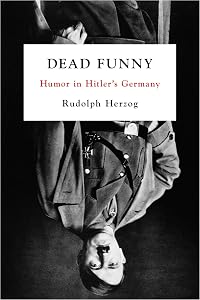
Dead Funny
by Rudolph Herzog
On This Page
Description
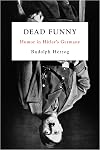
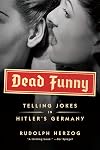
Dead Funny is the first history of humour and jokes directed at the Nazis: from the anti-Nazi theatre scene of the 20s and 30s, to the jokes about Hitler and the Nazis told during WWII, to the cracks told about Hitler in Germany today. It is a fascinating, frightening and ground-breaking history. Author and acclaimed director Rudolph Herzog unveils the unknown tales of the Germans who were imprisoned and executed for telling jokes about Hitler and other Nazi officials. Also documents the show more regimes attempts to suppress the surprising number of jokes in circulation. show lessTags
Recommendations



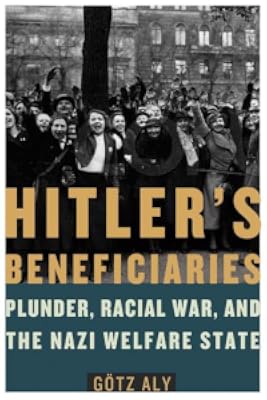
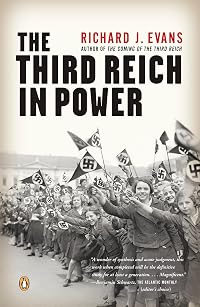
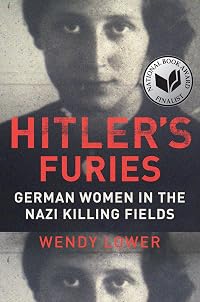
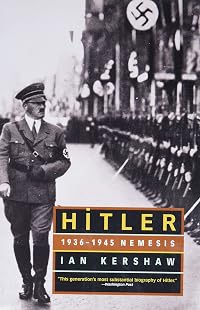
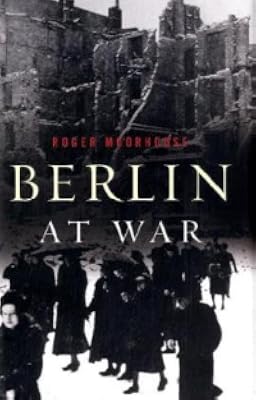
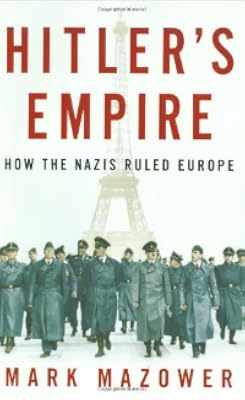
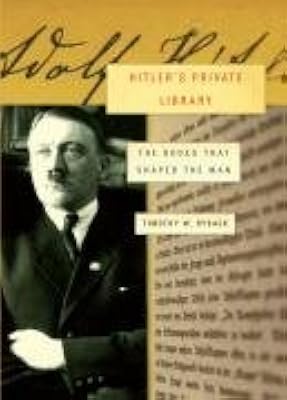

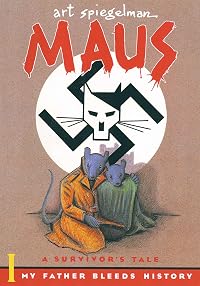
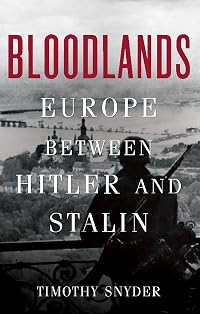
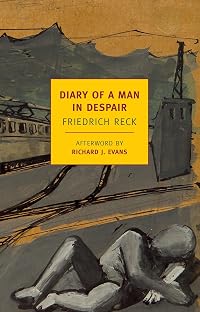
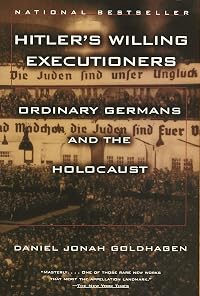
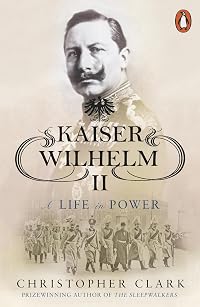







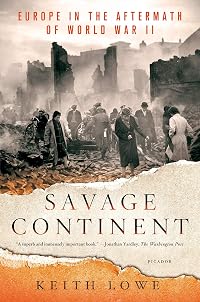
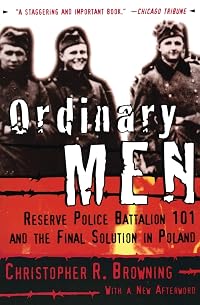
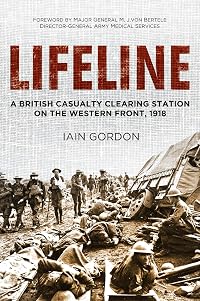
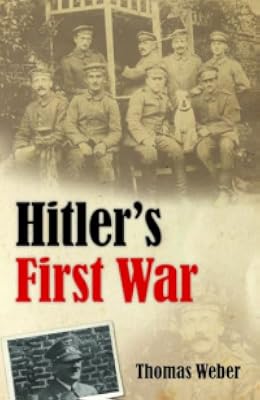


Member Recommendations
by anonymous user
Member Reviews
I wasn't sure what to expect out of this book, but I was impressed by it. The thesis is that you can prove just by the jokes floating around Nazi Germany that the German people knew perfectly well what that terrible things were going on. Maybe they didn't know exactly what was happening, but they had a pretty good idea. There are also mini-biographies of German comedians (which sounds like an oxymoron, I know) and filmmakers, and how they were affected by the Third Reich and censorship. I learned a lot from this book, including some nice jokes I'll be sure to try out on my friends.
There are some interesting things here, and Herzog makes his point that, by analyzing the humor of the Nazi period, it is apparent that the average German citizen cannot claim ignorance of the existence of concentration camps and the escalating mistreatment and eventual near-annihilation of Germany's Jewish population. Mostly, however, this is just an anecdotal history of the war as it affected a small part of German society--namely a handful of actors and comedians, most of them Jewish. The individual stories of how they coped, fled, or perished are interesting, but there is no real overarching thesis that ties the book together or delivers on its promise of being a real analysis of humor in Hitler's Germany. In fact, some of the more show more interesting parts have to do with humor about Nazi Germany that came after the fact, such as Mel Brooks' The Producers. show less
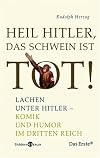
A while back I read a book by Ben Lewis titled Hammer & Tickle, subtitled either "A History of Communism Told Through Communist Jokes" or "A Cultural History of Communism" depending on edition, which was a disappointment — a magazine article stretched out to book length. Now, the good news is that Herzog's work (original German title: Heil Hitler, das Schwein ist tot!) is a better book than Lewis's. The bad news is that that's damning with faint praise, as it's still not that great of a book.
It may be possible that part of the problem can be laid at the feet of the book's English publisher, Melville House, for choosing the subtitle "Humor in Hitler's Germany", as only part of the book concentrates on that subject. (Also given brief show more chapters: political humour in Imperial and Weimar Germany; German cabaret in exile; the Hollywood films The Great Dictator and To Be or Not to Be; post-war humour about Hitler and the Nazis: Mel Brook's original The Producers, Benigni's La vita è bella, and the comic "Hitler the German Sow".) The structure itself makes sense, as the work was originally a German television documentary, but it does lead to a bit of a feeling of having been sold a false bill of goods.
The origins are also apparent in the structure of the individual chapters, as they mostly follow similar lines: an example of jokes, an interpretation of what they said about the citizens' relationship with the government, and a more in depth discussion of a particular example of someone who told those jokes. In the case of the Nazi-era chapters, these are generally someone who either got in trouble for telling them or someone who told uncritical Nazi jokes.
Now, there are some interesting and informative bits in the work: for instance, Herzog observes that the majority of joke tellers weren't arrested, and those who were usually had a number of black-marks already on their record. In other words, the jokes were the excuse for getting rid of who the regime already considered troublemakers, rather than as a means of identifying them. On the other hand, the documentary origins means that other claims are presented with a degree of certainty they may not necessarily warrant — Herzog's frequent observation that many of the jokes show that the majority of the public were aware of the exact nature of Nazi crimes in the east — or without any amount of critical examination. (The result of the post-Anschluss referendum is presented without mention of the actions taken before the vote to suppress opposition that lead the 99% number to be suspect as a representation of the actual public division on the matter.)
Overall, an interesting book but one that could have merited a less wide-ranging focus and a more rigorous examination of conclusions.
A final note: the translation, by Jefferson Chase, is worth mentioning as humour, particularly ones based as heavily on wordplay and puns as the examples included, is difficult to translate. Chase, in my opinion, does a noteworthy job of explaining the joke's original nature, noting where it relies on the double-meaning or similar sounds of a particular German word, without changing the original beyond recognition. The translated jokes may not be funny, but then translated jokes so rarely are, but the representations at least leave one with an understanding of what the original was. (A complaint made against the Italian translation of the book, for instance.) show less
It may be possible that part of the problem can be laid at the feet of the book's English publisher, Melville House, for choosing the subtitle "Humor in Hitler's Germany", as only part of the book concentrates on that subject. (Also given brief show more chapters: political humour in Imperial and Weimar Germany; German cabaret in exile; the Hollywood films The Great Dictator and To Be or Not to Be; post-war humour about Hitler and the Nazis: Mel Brook's original The Producers, Benigni's La vita è bella, and the comic "Hitler the German Sow".) The structure itself makes sense, as the work was originally a German television documentary, but it does lead to a bit of a feeling of having been sold a false bill of goods.
The origins are also apparent in the structure of the individual chapters, as they mostly follow similar lines: an example of jokes, an interpretation of what they said about the citizens' relationship with the government, and a more in depth discussion of a particular example of someone who told those jokes. In the case of the Nazi-era chapters, these are generally someone who either got in trouble for telling them or someone who told uncritical Nazi jokes.
Now, there are some interesting and informative bits in the work: for instance, Herzog observes that the majority of joke tellers weren't arrested, and those who were usually had a number of black-marks already on their record. In other words, the jokes were the excuse for getting rid of who the regime already considered troublemakers, rather than as a means of identifying them. On the other hand, the documentary origins means that other claims are presented with a degree of certainty they may not necessarily warrant — Herzog's frequent observation that many of the jokes show that the majority of the public were aware of the exact nature of Nazi crimes in the east — or without any amount of critical examination. (The result of the post-Anschluss referendum is presented without mention of the actions taken before the vote to suppress opposition that lead the 99% number to be suspect as a representation of the actual public division on the matter.)
Overall, an interesting book but one that could have merited a less wide-ranging focus and a more rigorous examination of conclusions.
A final note: the translation, by Jefferson Chase, is worth mentioning as humour, particularly ones based as heavily on wordplay and puns as the examples included, is difficult to translate. Chase, in my opinion, does a noteworthy job of explaining the joke's original nature, noting where it relies on the double-meaning or similar sounds of a particular German word, without changing the original beyond recognition. The translated jokes may not be funny, but then translated jokes so rarely are, but the representations at least leave one with an understanding of what the original was. (A complaint made against the Italian translation of the book, for instance.) show less
Even though the book is about a very serious subject, I really enjoyed reading it. It was well written and gave me a lot of food for thought.
"Na, Suchst Du Auch Pöstchen?" Die Anfangsbuchstaben dieses Satzes stehen für die damalige Partei und kennzeichnen eine beginnende Haben-Wollen-Mentalität der Deutschen, als es aufwärts geht - am besten und schnellsten in der NSDAP.
"Kommen Sie mit? Oder muß ich mitkommen?'" fragte der Kabarettist Werner Finck die Gestapo-Beamten, die sich in seinen Programmen Notizen machten. Er hat das Kunststück fertig gebracht, aus einem KZ freizukommen und wieder als Kabarettist tätig zu werden. Die Unterstützung von Göring im Rücken, dachte er dann wohl, unangreifbar zu sein und spottete weiter (versteckter) über die Nazis. Z.B. in einem Sketch so feinsinnig: Eine Frau fragt nach der Zeit, er antwortet: "Mir ist es verboten, über die show more Zeit zu sprechen." Aber Goebbels ließ nicht locker und wollte ihn wieder einsperren. Einem Tipp hin entkam er Goebbels, indem er sich an die Front meldete und sogar den Russlandfeldzug überlebte.
Dieses Buch ist ein Glücksfall: hervorragend recherchiert, mit einer Reihe mir neuer Informationen, die die Geschichte des Hitler-Deutschland mit dem Ventil des Humors beleuchten. Das Lachen bleibt einem meist im Hals stecken und doch ist der Witz eine Möglichkeit, das Grauen zu fassen und es zu verstehen. Mehr Menschen als man gemeinhin glaubte haben vieles geahnt, aber der Machübernahmepparat der Nazis war schnell, direkt und brutal. Dabei wurde der Humor mit Stumpf und Stiel ausgerottet und linientreu verpeinlicht.
Besonders zum Ende hin wurde die spöttisch-witzige Wehrkraftzersetzung in Urteilen von Freisler direkt in die Todesstrafe umgesetzt. Ein besonders aktiver Schreiber war damals Werner Höfer (der ehemalige Frühschoppen Moderator), der Todesurteile gegen Wehrkraftzersetzer stramm als mutige und richtige Tat emporschrieb.
Ein wichtiges Kapitel wird der Filmindustrie gewidmet, die von Goebbels als mitentscheidende Massenpropaganda eingesetzt bzw. gesteuert wurde. Die Geschichte des Chaplin Filmes "Der Große Diktator" wird ebenso erzählt wie die Aktivitäten des Heinz Rühmann und weiteren Größen des damaligen Filmes. Besonders makaber ein Film im KZ Theresienstadt, der die dortigen, "paradiesischen" Zustände zeigen sollte. Auch im Nachkriegsdeutschland konnte man lange nicht über Hitler lachen und eigentlich haben wir alle ein Problem bzw. können nicht über diese unselige deutsche Zeit reden.
Ein wirklich aufwühlendes Buch, in dem auch die Position der Schweiz umschrieben wird als Oszillation zwischen diplomatischer Zurückhaltung und nackter Gleichgültigkeit gegenüber dem Leid von Flüchtlingen. Und doch wurde das Cornichon in Zürich zum Anlaufpunkt für die versprengten deutschen Kabarettisten. Auch die Ribbentropschen Protestnoten konnten nicht verhindern, dass dort Hohn und Spott über Nazideutschland ausgegossen wurde: "In Nazedonien, Nazedoninen, wo die Urarier wohnen, dort im Rauch der tausend Jähren, Und der rassereinen Pärchen, wacht ein Lenker, groß und stark, über Butter, Blut und Quark..."
Hier noch einige weitere Beispiele:
In jedem Hitlerjungen steckt ein SA-Mann. (Anspielung auf Röhm's Homosexualität)
Gott erhalte den Hitler, Gott erhalte den Göring, den Röhm hat er ja schon erhalten.
Wie geht es dir (einem jüdischen Anwalt)? Ich kann nicht klagen!
Lieber Gott, mach mich blind, dass ich Goebbels arisch find. show less
"Kommen Sie mit? Oder muß ich mitkommen?'" fragte der Kabarettist Werner Finck die Gestapo-Beamten, die sich in seinen Programmen Notizen machten. Er hat das Kunststück fertig gebracht, aus einem KZ freizukommen und wieder als Kabarettist tätig zu werden. Die Unterstützung von Göring im Rücken, dachte er dann wohl, unangreifbar zu sein und spottete weiter (versteckter) über die Nazis. Z.B. in einem Sketch so feinsinnig: Eine Frau fragt nach der Zeit, er antwortet: "Mir ist es verboten, über die show more Zeit zu sprechen." Aber Goebbels ließ nicht locker und wollte ihn wieder einsperren. Einem Tipp hin entkam er Goebbels, indem er sich an die Front meldete und sogar den Russlandfeldzug überlebte.
Dieses Buch ist ein Glücksfall: hervorragend recherchiert, mit einer Reihe mir neuer Informationen, die die Geschichte des Hitler-Deutschland mit dem Ventil des Humors beleuchten. Das Lachen bleibt einem meist im Hals stecken und doch ist der Witz eine Möglichkeit, das Grauen zu fassen und es zu verstehen. Mehr Menschen als man gemeinhin glaubte haben vieles geahnt, aber der Machübernahmepparat der Nazis war schnell, direkt und brutal. Dabei wurde der Humor mit Stumpf und Stiel ausgerottet und linientreu verpeinlicht.
Besonders zum Ende hin wurde die spöttisch-witzige Wehrkraftzersetzung in Urteilen von Freisler direkt in die Todesstrafe umgesetzt. Ein besonders aktiver Schreiber war damals Werner Höfer (der ehemalige Frühschoppen Moderator), der Todesurteile gegen Wehrkraftzersetzer stramm als mutige und richtige Tat emporschrieb.
Ein wichtiges Kapitel wird der Filmindustrie gewidmet, die von Goebbels als mitentscheidende Massenpropaganda eingesetzt bzw. gesteuert wurde. Die Geschichte des Chaplin Filmes "Der Große Diktator" wird ebenso erzählt wie die Aktivitäten des Heinz Rühmann und weiteren Größen des damaligen Filmes. Besonders makaber ein Film im KZ Theresienstadt, der die dortigen, "paradiesischen" Zustände zeigen sollte. Auch im Nachkriegsdeutschland konnte man lange nicht über Hitler lachen und eigentlich haben wir alle ein Problem bzw. können nicht über diese unselige deutsche Zeit reden.
Ein wirklich aufwühlendes Buch, in dem auch die Position der Schweiz umschrieben wird als Oszillation zwischen diplomatischer Zurückhaltung und nackter Gleichgültigkeit gegenüber dem Leid von Flüchtlingen. Und doch wurde das Cornichon in Zürich zum Anlaufpunkt für die versprengten deutschen Kabarettisten. Auch die Ribbentropschen Protestnoten konnten nicht verhindern, dass dort Hohn und Spott über Nazideutschland ausgegossen wurde: "In Nazedonien, Nazedoninen, wo die Urarier wohnen, dort im Rauch der tausend Jähren, Und der rassereinen Pärchen, wacht ein Lenker, groß und stark, über Butter, Blut und Quark..."
Hier noch einige weitere Beispiele:
In jedem Hitlerjungen steckt ein SA-Mann. (Anspielung auf Röhm's Homosexualität)
Gott erhalte den Hitler, Gott erhalte den Göring, den Röhm hat er ja schon erhalten.
Wie geht es dir (einem jüdischen Anwalt)? Ich kann nicht klagen!
Lieber Gott, mach mich blind, dass ich Goebbels arisch find. show less
Mar 31, 2023German
The book is average, nothing special. But the rating is low because of the HORRIBLE Italian translation.
Il libro è abbastanza mediocre, niente di speciale. Ma il voto è così basso a causa della PESSIMA traduzione italiana: si parla di battute, barzellette, canzoni, giochi di parole IN LINGUA TEDESCA... La traduttrice, invece di riportare il testo in lingua originale e parafrasarlo, magari in nota, come sarebbe logico, in modo che si possano apprezzare, sia pure a un livello minimo, riscrive tutto di sana pianta IN ITALIANO, si inventa rime e significati di acronimi, fa ridicoli adattamenti a canzoni/poesie italiane, senza (quasi) mai riportare anche il testo tedesco... Oltre tutto si ha l'impressione di poca cura nella confezione show more dell'edizione italiana, rimandi a note a pie' di pagina collocati nel posto sbagliato, oppure la nota manca del tutto. show less
Il libro è abbastanza mediocre, niente di speciale. Ma il voto è così basso a causa della PESSIMA traduzione italiana: si parla di battute, barzellette, canzoni, giochi di parole IN LINGUA TEDESCA... La traduttrice, invece di riportare il testo in lingua originale e parafrasarlo, magari in nota, come sarebbe logico, in modo che si possano apprezzare, sia pure a un livello minimo, riscrive tutto di sana pianta IN ITALIANO, si inventa rime e significati di acronimi, fa ridicoli adattamenti a canzoni/poesie italiane, senza (quasi) mai riportare anche il testo tedesco... Oltre tutto si ha l'impressione di poca cura nella confezione show more dell'edizione italiana, rimandi a note a pie' di pagina collocati nel posto sbagliato, oppure la nota manca del tutto. show less
Jan 31, 2008Italian
Original aproximació a la societat alemanya dels anys del nazisme a través de les manifestacions humorístiques i els contratemps, de vegades mortals, dels seus creadors (humoristes, actors, cantants...)
Difícil tasca la de la traductora per per fer-nos entendre acudits, anècdotes i jocs de paraules d'una llengua i cultura prou diferents de la nostra, i d'una època -per fortuna- ben diferent de l'actual.
Difícil tasca la de la traductora per per fer-nos entendre acudits, anècdotes i jocs de paraules d'una llengua i cultura prou diferents de la nostra, i d'una època -per fortuna- ben diferent de l'actual.
Oct 17, 2014Catalan
Members
- Recently Added By
Published Reviews
ThingScore 50
The Holocaust is a tale, among other things, of the most staggering breakdowns of ethical responsibility. Neighbors turned on neighbors, and people closed their eyes to atrocities committed on a daily basis—evil was everyday and commonplace, an idea that is critical to Herzog’s premise, which is that the jokes told in Nazi Germany by ordinary citizens reveal the extent to which they were show more also responsible for the terrors committed by Nazis on behalf of the state. Herzog is accurate in his assessment that when we laugh at Hitler, we “dismiss the metaphysical, demonic capabilities accorded to him by postwar apologists” and others who would have us believe that Hitler’s capacity for evil was not human. Laughing at Hitler might have been a way back to ethical responsibility, because inherent in the laugh is an acknowledgment of just how frightening the human capacity for evil can be. show less
added by atbradley
Lists

Books Read in 2023
5,547 works; 145 members
Author Information
6 Works 222 Members
Common Knowledge
- Canonical title
- Dead Funny
- Original title
- Heil Hitler, das Schwein ist Tot!
- Original publication date
- 2006 (German) (German)
- People/Characters
- Adolf Hitler
- Important places
- Germany
- Important events
- World War II; Nazi seizure of power; Holocaust
- First words
- Is it permissible to laugh at Hitler?
- Last words
- (Click to show. Warning: May contain spoilers.)Sadly, that did nothing to alter the fact that, in the course of a few years, Germany was thoroughly drawn into the terrible whirlpool of Nazi crimes.
- Original language
- German
Classifications
- Genres
- Nonfiction, History, General Nonfiction
- DDC/MDS
- 943.08602 — History & geography History of Europe Central Europe: Germany, Austria, Switzerland, Czech, Poland, Hungary Historical periods of Germany Germany 1866- Third Reich 1933-1945
- LCC
- DD256.5 .H3746913 — History of Europe, Asia, Africa and Oceania Germany History of Germany History By period Modern, 1519- 19th-20th centuries Revolution and Republic, 1918- Hitler, 1933-1945. National socialism Period of World War II, 1939-1945
- BISAC
Statistics
- Members
- 129
- Popularity
- 253,328
- Reviews
- 7
- Rating
- (3.07)
- Languages
- English, German, Italian, Spanish
- Media
- Paper, Ebook
- ISBNs
- 9
- ASINs
- 3