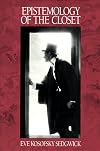
Epistemology of the Closet
by Eve Kosofsky Sedgwick
On This Page
Description
Since the late 1980s, queer studies and theory have become vital to the intellectual and political life of the United States. This has been due, in no small degree, to the influence of Eve Kosofsky Sedgwick's critically acclaimed Epistemology of the Closet. Working from classic texts of European and American writers--including Melville, James, Nietzsche, Proust, and Wilde--Sedgwick analyzes a turn-of-the-century historical moment in which sexual orientation became as important a demarcation show more of personhood as gender had been for centuries. In her preface to this updated edition Sedgwick places the book both personally and historically, looking specifically at the horror of the first wave of the AIDS epidemic and its influence on the text. show lessTags
Recommendations








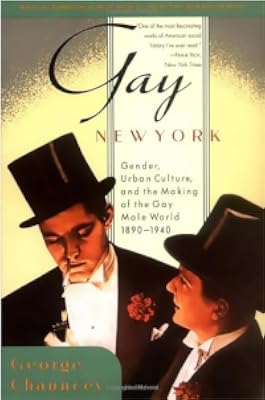

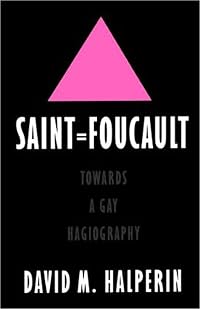


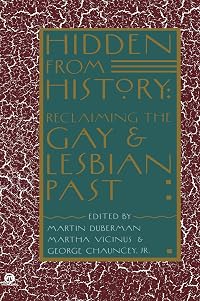








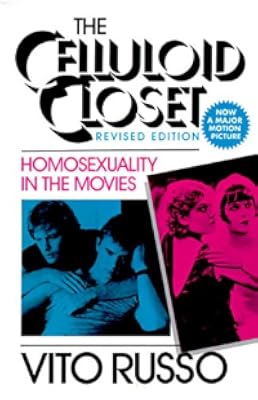










Member Recommendations
Member Reviews
What I found most impressive in this work of literary criticism was the close readings of novels by Melville, Wilde, Proust, James, and Thackery. The considerations of cultural studies leaned a bit more into academic jargon than I could appreciate, but the book held my interest nonetheless.
This is a tour-de-force examination of epistemological questions as they arise from and pertain to the closet - in which homosexual may live sheltered, private lives. I confess that as no trained philosopher, her intricate paths sometimes make me re-read her arguments in order to grasp her meaning. Other times, I find myself moving on in wonder. Yet what I can understand is well worth my time and trouble. She re-evaluates and questions what it means to be gay or straight - not sexually but in society, in one's existence.
In Epistemology of the Closet (1990), Eve Kosofsky Sedgwick explores the epistemology of the closet, the dominant metaphor for understanding gay male identities in the 20th century. Part of this analysis implies that the closet is something that functions where others "think they know something about one that one may not know about oneself," which grants them excitement and power (80). The closet functions much like an "outer secret, the secret of having a secret" (205)—if one has a secret knowledge, "it means all the more that everyone around him does" (225). Additionally, she theorizes that "male homosexual panic became the normal condition of male heterosexual entitlement" (185).
Since the late 1980s, queer studies and theory have become vital to the intellectual and political life of the United States. This has been due, in no small degree, to the influence of Eve Kosofsky Sedgwick's critically acclaimed Epistemology of the Closet. Working from classic texts of European and American writers--including Melville, James, Nietzsche, Proust, and Wilde--Sedgwick analyzes a turn-of-the-century historical moment in which sexual orientation became as important a demarcation of personhood as gender had been for centuries. In her preface to this updated edition Sedgwick places the book both personally and historically, looking specifically at the horror of the first wave of the AIDS epidemic and its influence on the text.
Ratings
Members
- Recently Added By
Lists

Want to Read
12 works; 1 member
Author Information

17+ Works 2,284 Members
Eve Kosofsky Sedgwick is Distinguished Professor of English at City University of New York Graduate Center
Awards and Honors
Awards
Common Knowledge
- Canonical title
- Epistemology of the Closet
- Original publication date
- 1990
- People/Characters
- Sigmund Freud; Herman Melville; Oscar Wilde; Friedrich Nietzsche; Henry James; Marcel Proust
Classifications
- Genres
- Literature Studies and Criticism, Nonfiction, LGBTQ+, Sexuality and Gender Studies
- DDC/MDS
- 813.309353 — Literature & rhetoric American literature in English American fiction in English Middle 19th Century 1830-1861
- LCC
- PS374 .H63 .S42 — Language and Literature American literature American literature Prose Prose fiction
- BISAC
Statistics
- Members
- 932
- Popularity
- 28,621
- Reviews
- 4
- Rating
- (4.15)
- Languages
- English, French, Italian
- Media
- Paper, Ebook
- ISBNs
- 9
- ASINs
- 5