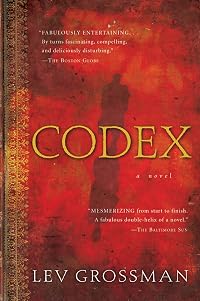
Codex
by Lev Grossman
On This Page
Description
About to depart on his first vacation in years, Edward Wozny, a hot-shot young investment banker, is sent to help one of his firm's most important and mysterious clients. When asked to uncrate and organize a personal library of rare books, Edward's indignation turns to intrigue as he realizes that there may be a unique medieval codex hidden among the volumes, a treasure kept locked away for many years and for many reasons. As friends draw Edward into a peculiar and addictive computer game, show more his obsession deepens as he discovers surprising parallels between the game's virtual reality and the mystery of the codex. An accomplished and entertaining thriller, Codex explores the mysterious power of books in the medieval and modern ages. show lessTags
Recommendations
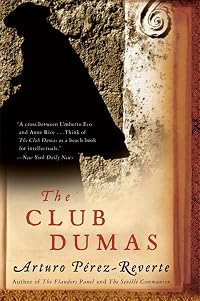

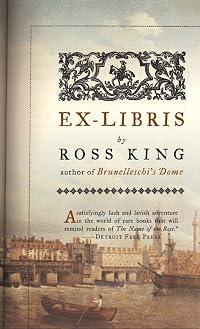
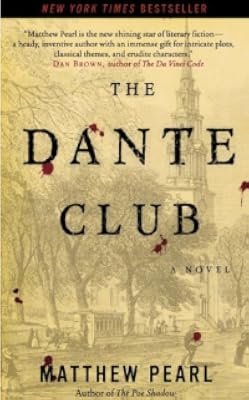
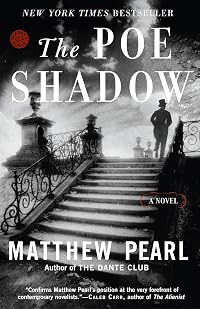

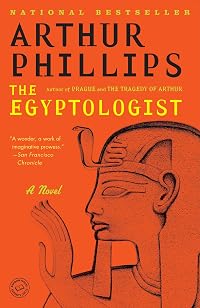
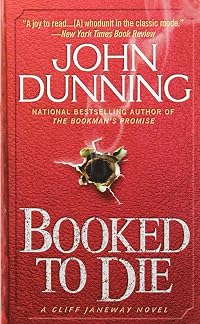
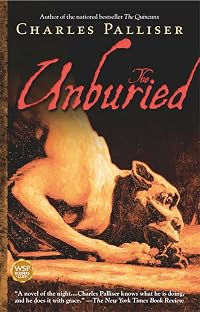
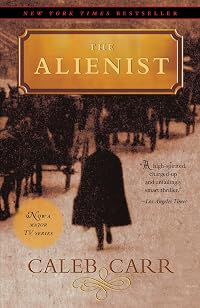
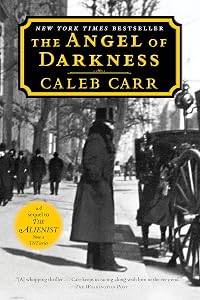
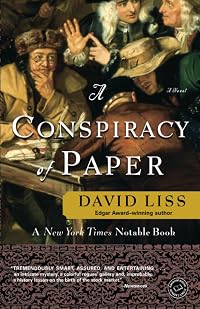
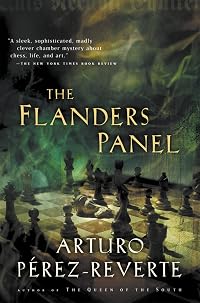
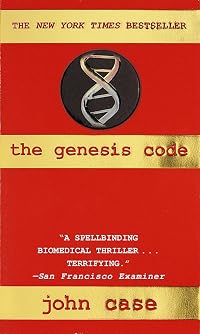

Member Recommendations
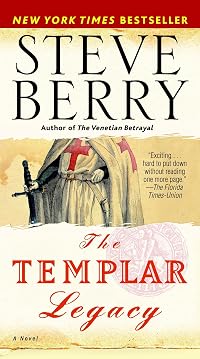
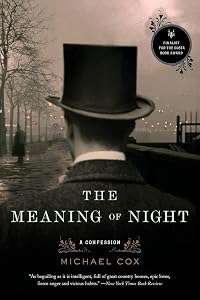
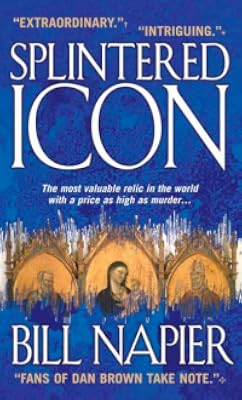
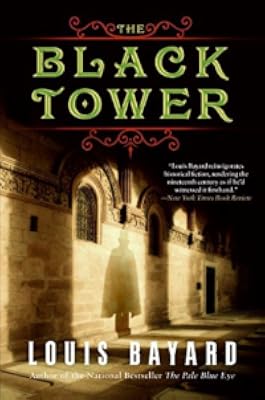
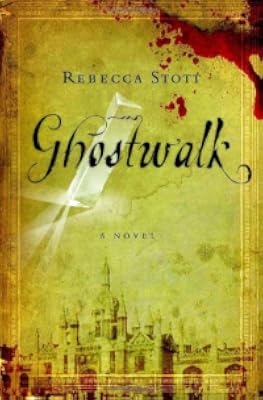
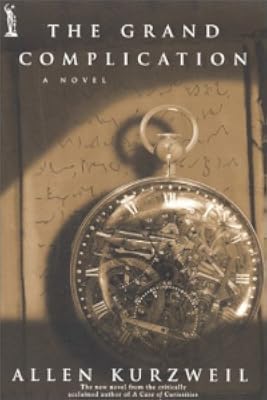
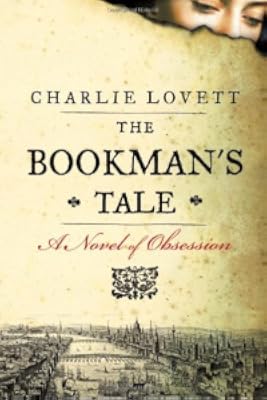
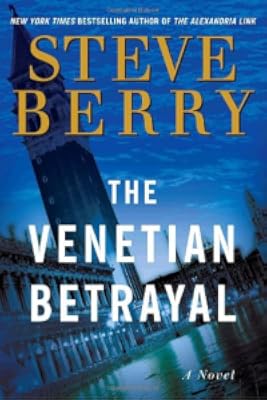
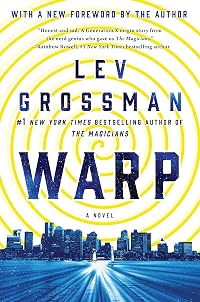
conceptDawg The “mystery/intrigue that is tied to an historical relic” genre
52
conceptDawg The “mystery/intrigue that is tied to an historical relic” genre
20
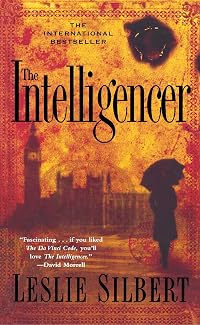
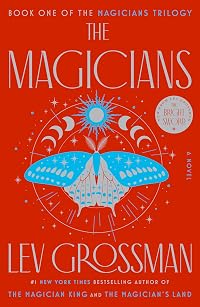
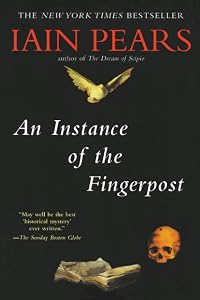
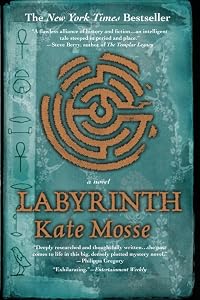
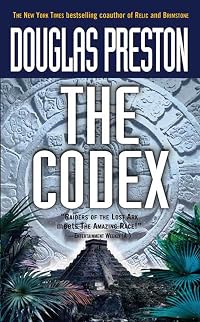
Jannes Mysterious manuscripts, bookish femme fatales, old libraries... if you liked one, you'll probably enjoy the other.
20
Member Reviews
ARISTOTLE first proposed the idea of plots having a Beginning, a Middle, and an End. And more than 2000 years later, I still feel that a book without a satisfactory ending is Coitus Interruptus.
Since this is a family newspaper, I will not expand, except to say that Lev Grossman’s Codex left me profoundly frustrated.
Call me dim-witted, but I am anally Victorian when it comes to a story culminating in a traditional climax, with an unambiguous resolution.
I loved Codex : as a bibliophile, books about books are my favourites, and books about lost works of historical significance make me positively orgasmic.
Casanova could not have aroused my interest better than Lev Grossman does in Codex , the story of an ancient family library of show more antiquarian books, uncatalogued, and rumoured to contain a lost — even mythic — specimen of the early English novel.
In itself, the codex would be worth millions; but it is also said to incorporate a hidden secret which will bring disgrace on the noble family who own it.
Investment banker Edward Wozny, with the expert aid of Medievalist Margaret Napier, is set the task of cataloguing the library and finding the apocryphal codex .
Driven, the two characters overcome the obstacles set in their way and the story appears to climax with their recovery of the lost manuscript.
Reviewers have likened Codex to The Name of The Rose, but that does both books a disservice. Although both deal with lost texts which on rediscovery are destroyed, the two books have little in common.
Codex is intriguing, interesting, entertaining — even educational — and it’s a shame Grossman appears to have run out of steam near the end, bringing the story to a premature finish and leaving the reader unfulfilled. show less
Since this is a family newspaper, I will not expand, except to say that Lev Grossman’s Codex left me profoundly frustrated.
Call me dim-witted, but I am anally Victorian when it comes to a story culminating in a traditional climax, with an unambiguous resolution.
I loved Codex : as a bibliophile, books about books are my favourites, and books about lost works of historical significance make me positively orgasmic.
Casanova could not have aroused my interest better than Lev Grossman does in Codex , the story of an ancient family library of show more antiquarian books, uncatalogued, and rumoured to contain a lost — even mythic — specimen of the early English novel.
In itself, the codex would be worth millions; but it is also said to incorporate a hidden secret which will bring disgrace on the noble family who own it.
Investment banker Edward Wozny, with the expert aid of Medievalist Margaret Napier, is set the task of cataloguing the library and finding the apocryphal codex .
Driven, the two characters overcome the obstacles set in their way and the story appears to climax with their recovery of the lost manuscript.
Reviewers have likened Codex to The Name of The Rose, but that does both books a disservice. Although both deal with lost texts which on rediscovery are destroyed, the two books have little in common.
Codex is intriguing, interesting, entertaining — even educational — and it’s a shame Grossman appears to have run out of steam near the end, bringing the story to a premature finish and leaving the reader unfulfilled. show less
How disappointing! I can only conclude that the many, many book critics who gave this glowing reviews either (1) didn't read the book, or (2) felt like they had to say nice things since the author is fellow book critic. (Grossman is Time Magazine's book critic, and has written for the New York Times & Salon ... according to the book bio). I count on book reviews & blurbs to help point me to things worth reading, but in future I will have to remember to take their advice with a grain of salt when they are blurbing each other!
Here's what's good about the book: Interesting, apparently authentic scholarship & insight into medieval literature. If that's one of the things you like about Dan Brown or Umberto Eco, you'll find parts of this show more worthwhile.
Here's what's disappointing about the book: thoroughly unengaging & unbelievable characters, poor pacing, sloppy plotting, several entirely unnecessary & silly subplots, almost no conflict to speak of, and an ending that's about as dramatic & suspenseful as an episode of Murder, She Wrote.
Basically, the book is about a young professional, Edward, who is asked by the Dutchess of Mowbry (for reasons never satisfactorily explained) to catalog an old library & find for her a book that may or may not exist. The conflict is that the Duke does not want the book found - again, for reasons that are never satisfactorily explained. Because Edward is basically clueless & unmotivated (and yet we are supposed to believe this guy is a hotshot young banker?), he enlists the help of a female academic, Margaret, who treats Edward with deserved scorn, does pretty much all of the work (leading us to wonder why the author bothered with Edward at all) - and then sleeps with Edward anyway, for reasons which are never satisfactorily explained. Do you see a theme emerging? In the end they find the book but the "reveal" is rushed, underwhelming and ... yes ... never satisfactorily explained. There's also a subplot about a computer game which (unintentionally, I presume) reinforces the book's overarching theme, which appears to be: "The answers you seek are there to find - but by the time you find them, they won't matter and you won't care."
I've read The Name of the Rose, A Case of Curiosities, The Club Dumas and most of the other books to which the critics refer when heaping praise upon Codex. It disappoints me to report that - in my humble opinion - Codex does not deserve to share a bookshelf with these infinitely superior tales. I suspect any one of these authors could have shaped this admittedly intriguing and promising raw material into a story much, much better than this. show less
Here's what's good about the book: Interesting, apparently authentic scholarship & insight into medieval literature. If that's one of the things you like about Dan Brown or Umberto Eco, you'll find parts of this show more worthwhile.
Here's what's disappointing about the book: thoroughly unengaging & unbelievable characters, poor pacing, sloppy plotting, several entirely unnecessary & silly subplots, almost no conflict to speak of, and an ending that's about as dramatic & suspenseful as an episode of Murder, She Wrote.
Basically, the book is about a young professional, Edward, who is asked by the Dutchess of Mowbry (for reasons never satisfactorily explained) to catalog an old library & find for her a book that may or may not exist. The conflict is that the Duke does not want the book found - again, for reasons that are never satisfactorily explained. Because Edward is basically clueless & unmotivated (and yet we are supposed to believe this guy is a hotshot young banker?), he enlists the help of a female academic, Margaret, who treats Edward with deserved scorn, does pretty much all of the work (leading us to wonder why the author bothered with Edward at all) - and then sleeps with Edward anyway, for reasons which are never satisfactorily explained. Do you see a theme emerging? In the end they find the book but the "reveal" is rushed, underwhelming and ... yes ... never satisfactorily explained. There's also a subplot about a computer game which (unintentionally, I presume) reinforces the book's overarching theme, which appears to be: "The answers you seek are there to find - but by the time you find them, they won't matter and you won't care."
I've read The Name of the Rose, A Case of Curiosities, The Club Dumas and most of the other books to which the critics refer when heaping praise upon Codex. It disappoints me to report that - in my humble opinion - Codex does not deserve to share a bookshelf with these infinitely superior tales. I suspect any one of these authors could have shaped this admittedly intriguing and promising raw material into a story much, much better than this. show less
The premise is this: Edward Wozny, a young (very young) investment banker has two weeks' down-time before he is to leave New York to report to his new position in his firm's London office. First, though, he has been asked to "look in" on clients, the Duke and Duchess of Went, whose wealth is beyond comprehension, and who need to be kept happy. When he arrives at their Manhattan apartment he is greeted by an elegant woman (housekeeper? secretary?) in their stead, who offers him a very odd proposal that he should immediately set to cataloging several crates full of ancient books comprising a library sent to America before World War II for safekeeping, and untouched for over 60 years. Furthermore, he should keep his eyes open for one show more particular book by a 14th century monk named Gervase of Langford. Edward has no qualifications or interest for such a project, and he doesn't strike the reader as a wimp, but somehow he can't get the word "No" past his lips. Neither can he summon up the gumption to call the firm and ask his boss if there's been some kind of communication failure. He just lets himself be relegated to a huge room full of shelves, dust and crated books, and begins unpacking. Now, you and I might consider this a heaven-sent opportunity. But absolutely nothing we have learned (or ever do learn) about Edward suggests that he would have that reaction. He has an undergrad degree in English from Yale, and admits to having concentrated, if at all, on 20th century literature. So why him? He doesn't ask. He sets off to research Gervase, happens on a female graduate student using the very material he needs, and persuades her to assist him with the books. Although she is snarkily unpleasant and superior, she agrees, apparently swayed by the hourly fee he offers her (without any authority whatsoever). And the game is on. Oh...the "game". Did I mention the computer simulation game our hero plays (and becomes totally lost in) during his off moments? Well, it's interwoven with the real-life story line, and obviously we're meant to make associations, but neither Edward nor I seemed to get it until we were told what to get, and even then my response was "So what?" I came very close to skimming through those sections, and it probably wouldn't have mattered if I did. Edward and Margaret, the graduate student, become totally obsessed with finding the medieval codex, although initially Margaret had dismissed it as a well-known academic hoax--a book that never existed. There's some cloak-but-no-dagger stuff; the Duke insists the search be stopped; the Duchess insists it go on. No real suspense is ever generated. Some of Edward's colleagues, whose connection to the whole business is never explained, warn him he's messing with something that could turn ugly. Apparently, there's a centuries-old family secret in that book that could destroy the Duke. Really? This story could have been a rip-snorter. Unfortunately, it reads like an unedited first novel, and it just doesn't work. The ending is a total fizzle. I had a lot of issues with the The DaVinci Code, but at least that one was written by a master story-teller. It's cruel, I suppose, but based on this effort, I don't think Lev Grossman can hold a candle to Dan Brown when it comes to getting the pages to turn. show less
Codex is about this guy, an investment banker or something, who gets assigned to catalog and sort a rare books collection/library of some English aristocrats and also gets hooked on a virtual reality quest videogame which mirrors his IRL search for a mythical codex in that library. It's very slow moving; we just see the guy sort and catalog books and then go home and play the videogame and sleep. I love it. I can sort and catalog books all day; apparently I can also read about people sorting and cataloging books all day too. It's just my speed, interesting and old books and not too high-stakes (until the end). Also there's a standoffish medievalist grad student who helps the guy and she is basically 10000% done with everything and only show more cares about the books and medieval/Renaissance/book history. I love her. Sadly the ending was not as good as the beginning and middle, but I still recommend it if you like bibliomysteries. Trigger warning for the damage/destruction of old rare books. show less
I enjoyed the prose in this book quite a lot. Grossman's protagonist is a focused young professional that starts to lose his drive during a furlough between jobs, and the story of how he becomes engrossed in the legend of an author that might not exist is well told opposite a story that unfolds in a video game written by a man who also might not exist. The themes of discovery and internal reflection resonated with me, and "the journey being its own reward" was also an ongoing theme in this book that worked well. If anything, the ending of this book left me unsatisfied and wanting no ending at all. Having the story wrap up so conveniently seemed counter to the rest of the book.
At this point I have read every book (not including short stories) Grossman has written, including his newest children's book as a lark. I've read the magicians trilogy at least 3 times and I'll probably read it many more, they're some of my favorite books. Sadly I didn't like any of the others as much as the magicians and if I had only read the others, I'm not sure I would have expected the trilogy to be as good as it is.
What he captures in all of them is the tension between reading fantastical amazing lives in books and living mundane boring lives. All his protagonists in all the books spend a lot of their time thinking about it and they all live through what it's like to be a part of the fantastical for a while. In the silver arrow show more and the magicians they struggle and ultimately succeed in integrating it into their lives. It is always imperfect (I think the magicians is 3 books to realize how much work and how bitter magic is (the TV show even more so)) but they learn to deal with the mature problems of it and still enjoy the magic, accepting its hard parts.
In this book and warp, the protagonists don't escape. (Without spoilers, look at both endings). It's not because the magic was less alluring, the protagonists just don't fit into that world, and they accept that resignedly. The Magicians gets around this because Quentin is resigned to falling from magic, but the magic is kind enough to pull him back ... agonizingly and slowly.
Without going too in-depth, I think both codex and warp were written first, when he couldn't escape from his bleak feelings about the world and the endings reflect that. But magicians (maybe as it got more successful, maybe he was just happier) finds a way to turn hard work into holding onto it.
I like the magician's version much better show less
What he captures in all of them is the tension between reading fantastical amazing lives in books and living mundane boring lives. All his protagonists in all the books spend a lot of their time thinking about it and they all live through what it's like to be a part of the fantastical for a while. In the silver arrow show more and the magicians they struggle and ultimately succeed in integrating it into their lives. It is always imperfect (I think the magicians is 3 books to realize how much work and how bitter magic is (the TV show even more so)) but they learn to deal with the mature problems of it and still enjoy the magic, accepting its hard parts.
In this book and warp, the protagonists don't escape. (Without spoilers, look at both endings). It's not because the magic was less alluring, the protagonists just don't fit into that world, and they accept that resignedly. The Magicians gets around this because Quentin is resigned to falling from magic, but the magic is kind enough to pull him back ... agonizingly and slowly.
Without going too in-depth, I think both codex and warp were written first, when he couldn't escape from his bleak feelings about the world and the endings reflect that. But magicians (maybe as it got more successful, maybe he was just happier) finds a way to turn hard work into holding onto it.
I like the magician's version much better show less
This book is not badly written but it never quite comes together. The end is a terrible let down. It made me ask myself why I struggled to finish the book when at the end I found out nothing about what it all meant, why the characters acted the way they did, etc. I was going to read the author's Magician trilogy but now I won't. That one may be better but this one left a bad taste in my mouth. The reason I am giving this book 2 stars not one is that I enjoyed the discussion of medieval books, private library cataloging, and other areas I'm not familiar with.
Members
- Recently Added By
Lists

Cryptology - non-fiction and fiction
57 works; 4 members

Books Read in 2021
5,361 works; 114 members

Books Read in 2015
3,299 works; 129 members
Author Information

33+ Works 24,741 Members
Lev Grossman was born on June 26, 1969. He received a degree in literature from Harvard University in 1991. He spent three years in the Ph.D. program in comparative literature at Yale University, but left before completing his dissertation. In 2002, he became a book reviewer and one of the lead technology writers for Time magazine. He has written show more for Salon, The Village Voice, The Wall Street Journal, Wired, Entertainment Weekly, The Believer, Lingua Franca, and the New York Times. His first novel, Warp, was published in 1997. His other novels include Codex, The Magicians, which won a 2010 Alex Award, The Magician King and The Magician's Land. (Bowker Author Biography) show less
Common Knowledge
- Canonical title
- Codex
- Original publication date
- 2004
- People/Characters
- Edward Wozny; Margaret Napier; Duchess of Bowmry
- Epigraph
- Such sorowe lady to her tok
That trewly I, that made this book,
Had such pittee and such rowthe
To rid hir sorwe that, by my trowthe,
I ferde the worse al the morwe
Aftir to thenken on hir sorwe.
- Geoff... (show all)rey Chaucer,
The Book of the Duchess - Dedication
- For Judith Grossman
- First words
- Edward Wozny stood squinting at the sun as crowds of people excused themselves past him in both directions.
- Last words
- (Click to show. Warning: May contain spoilers.)It was even funnier to think that he would probably be there.
Classifications
Statistics
- Members
- 2,172
- Popularity
- 9,354
- Reviews
- 77
- Rating
- (2.97)
- Languages
- 12 — Catalan, Dutch, English, French, German, Greek, Italian, Norwegian (Bokmål), Polish, Portuguese, Russian, Spanish
- Media
- Paper, Audiobook, Ebook
- ISBNs
- 37
- ASINs
- 16