On This Page
Description
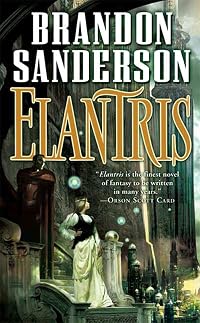
In 2005, Brandon Sanderson debuted with Elantris, an epic fantasy unlike any other then on the market. To celebrate its tenth anniversary, Tor is reissuing Elantris in a special edition, a fresh chance to introduce it to the myriad readers who have since become Sanderson fans. This new edition begins with a preface by author Dan Wells, the first person to read the completed novel, and a new afterword by Sanderson explaining how he came to write the book and its place in the Cosmere, the show more unified universe of all his Tor novels. Also included is the first book appearance of the short story "The Hope of Elantris," revealing interesting action referred to late in the novel, and an expanded version of the "Ars Arcanum" appendix, with more of the technical details of the book's magic that fans can never get enough of. Elantris was truly a milestone both for Sanderson and for the genre of epic fantasy. It deserves this special treatment, something Tor has done only once before, with Orson Scott Card's Ender's Game. Sanderson fans old and new will be excited to discover it.. show less
Tags
Recommendations

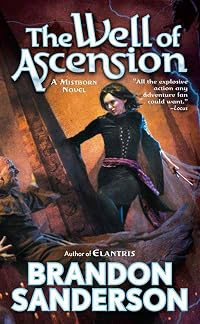
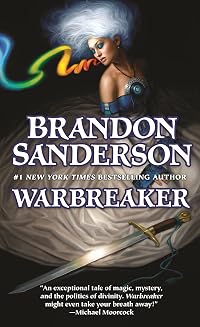
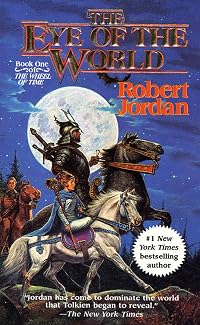
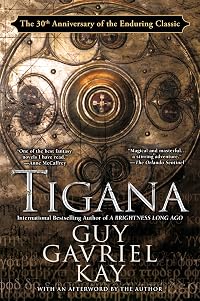
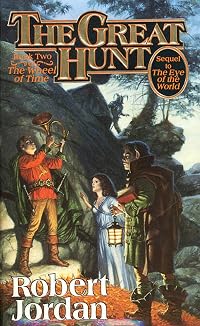
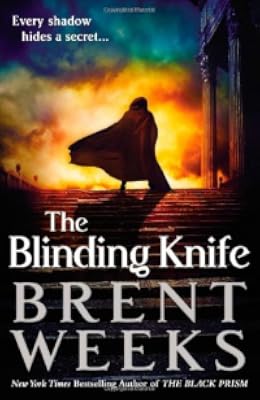
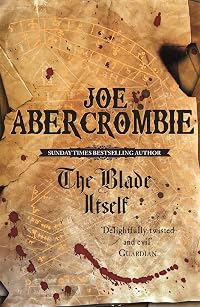
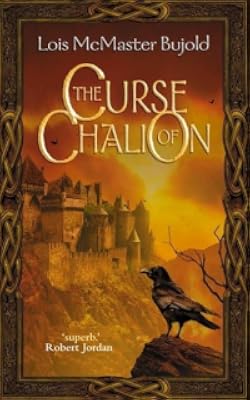




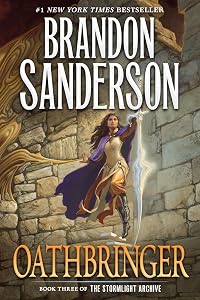
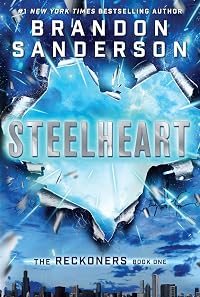

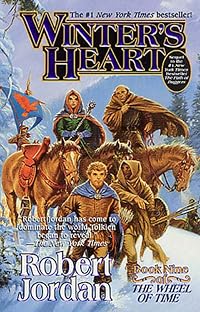
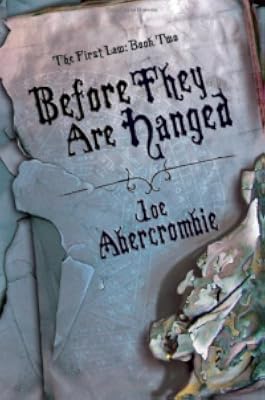
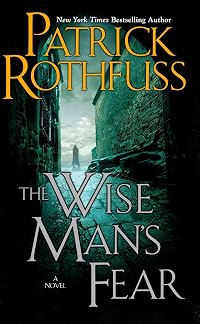
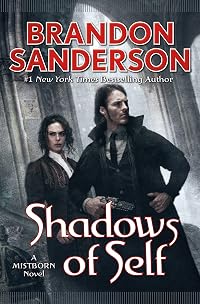
Member Recommendations

Member Reviews
"I have found reason to become very religious lately." Ch 17, Pg 258
"It’s just hard to separate my personal self from my political self." Ch 35, Pg 442
Elantris is no masterpiece, but it is unique, and I love that. If you come to Elantris expecting an action heavy fantasy story like Mistborn, then this book will probably leave you wanting more. This book is more of a political drama in a unique fantasy setting. While I don't believe Elantris is for everyone, it is perfect for me.
Sanderson himself, and a few others online have noted that this book isn't his best writing, and I can see that, but only because I was looking for it. The good news is that there is not anything that is unforgivable. The only issue I have with the writing show more itself is that some of the narrative setups for major events in the plot could have been moved to an earlier place in the book to feel more natural, and also have more impact, but it is not a major issue for me. This is something that Sanderson not only improved by the time he wrote Mistborn, but this is something he mastered by the time he wrote Mistborn.
Now this is the part where I am become woke. Elantris should be escapist fantasy, but it's themes are more real and relevant than ever. This book should not be politically relevant, but it is. I don't think Elantris is deep by any means, but why is it a mirror to current events? Elantris' plot centers around the city of Elantris under a form of an apartheid regime, where no food or supplies ever goes in. Elantris is a literal open air prison. In the city of Kae, which surrounds the city of Elantris, there is a culture where they have normalized that anybody can be 'disappeared' and thrown into Elantris at any time, and no one talks about it. Religious extremists are dehumanizing the people of Elantris as a means to gain political power and colonize the nation of Arelon. The government of Arelon is a system where a person's wealth and material capital is directly related to their influence on the government. There is a group of the political elite secretly organizing into a vanguard to overthrow the current political systems and establish a more fair and equitable society. In Elantris, there is a literal commune where a classless and moneyless society is built off of the principles of mutual aid, and a positive belief about the good of humanity. Among a few other potent, and relevant themes. In Mistborn, there are a few themes that are similar, but it didn't seem like the story was focused around these elements. But with the quantity of all of these elements appearing together in Elantris, it is clearly intentional. Like Jesus Christ Sanderson, I was kind of feeling your messaging in Mistborn about religion, reason and prophecy, but goddamn dude... I didn't know you would pop off like this with such a stark political message... and this is Sanderson's first published book. And the thing is, Elantris doesn't really educate or scold it's audience into accepting the books messaging as the good and moral political position you should take. It doesn't say "this is a horrible thing, and it happens in the real world, and you should do something about it." Elantris just shows you horrible things, and if you have any empathy, then you are naturally inclined to side with the motivations of the main characters to seek justice for the horrible things that are happening... and takes the risk to have the reader to make the real world connections, instead of the book making the connections for them. This is the type of book that is 1000% woke, but it doesn't tell you that it is woke.
Here are a few quotes that were quite touching.
"Sarene calmed herself; force would never work with Eventeo. “Father,” she said, letting love and respect sound in her voice, “you taught me to be bold. You made me into something stronger than the ordinary. At times I cursed you, but mostly I blessed your encouragement. You gave me the liberty to become myself. Would you deny that now by taking away my right to choose?”
Her father’s white head hung silently in the dark room.
“Your lessons won’t be complete until you let go, Father,” Sarene said quietly. “If you truly believe the ideals that you gave me, then you will allow me to make this decision." Ch. 41, Pg 483.
"There, in the center of the most cursed city in the world, Spirit had constructed a society that exemplified Korathi teachings. The church taught of the blessings of unity; it was ironic that the only people who practiced such ideals were those who had been damned" Ch. 50, Pg. 534"
Title: Elantris
Series: Elantris
Order:
Author/Editor: Brandon Sanderson
Note (Accolades):
Genre/Subject: Fantasy, Cosmere
Pages: 638
Owned/Platform: Epub
Excitement: 7
Rating: 7
How did I hear about it: First published book of Brandon Sanderson's. It was recommended to read after Mistborn, according to a few different reading order lists online.
Finished: Yes
Read over the course of: A month or so
Date Finished: Tue, Jul 15, 2025
Reason Finished: Needing an entertaining book among my more rigorous books, and wanting to see the deeper story behind all of Sanderson's books.
Reason Dropped:
Expectations: Exceeded
Pacing Feel: Just Right
Style: Narrative
Worth My Time: Yes show less
"It’s just hard to separate my personal self from my political self." Ch 35, Pg 442
Elantris is no masterpiece, but it is unique, and I love that. If you come to Elantris expecting an action heavy fantasy story like Mistborn, then this book will probably leave you wanting more. This book is more of a political drama in a unique fantasy setting. While I don't believe Elantris is for everyone, it is perfect for me.
Sanderson himself, and a few others online have noted that this book isn't his best writing, and I can see that, but only because I was looking for it. The good news is that there is not anything that is unforgivable. The only issue I have with the writing show more itself is that some of the narrative setups for major events in the plot could have been moved to an earlier place in the book to feel more natural, and also have more impact, but it is not a major issue for me. This is something that Sanderson not only improved by the time he wrote Mistborn, but this is something he mastered by the time he wrote Mistborn.
Now this is the part where I am become woke. Elantris should be escapist fantasy, but it's themes are more real and relevant than ever. This book should not be politically relevant, but it is. I don't think Elantris is deep by any means, but why is it a mirror to current events? Elantris' plot centers around the city of Elantris under a form of an apartheid regime, where no food or supplies ever goes in. Elantris is a literal open air prison. In the city of Kae, which surrounds the city of Elantris, there is a culture where they have normalized that anybody can be 'disappeared' and thrown into Elantris at any time, and no one talks about it. Religious extremists are dehumanizing the people of Elantris as a means to gain political power and colonize the nation of Arelon. The government of Arelon is a system where a person's wealth and material capital is directly related to their influence on the government. There is a group of the political elite secretly organizing into a vanguard to overthrow the current political systems and establish a more fair and equitable society. In Elantris, there is a literal commune where a classless and moneyless society is built off of the principles of mutual aid, and a positive belief about the good of humanity. Among a few other potent, and relevant themes. In Mistborn, there are a few themes that are similar, but it didn't seem like the story was focused around these elements. But with the quantity of all of these elements appearing together in Elantris, it is clearly intentional. Like Jesus Christ Sanderson, I was kind of feeling your messaging in Mistborn about religion, reason and prophecy, but goddamn dude... I didn't know you would pop off like this with such a stark political message... and this is Sanderson's first published book. And the thing is, Elantris doesn't really educate or scold it's audience into accepting the books messaging as the good and moral political position you should take. It doesn't say "this is a horrible thing, and it happens in the real world, and you should do something about it." Elantris just shows you horrible things, and if you have any empathy, then you are naturally inclined to side with the motivations of the main characters to seek justice for the horrible things that are happening... and takes the risk to have the reader to make the real world connections, instead of the book making the connections for them. This is the type of book that is 1000% woke, but it doesn't tell you that it is woke.
Here are a few quotes that were quite touching.
"Sarene calmed herself; force would never work with Eventeo. “Father,” she said, letting love and respect sound in her voice, “you taught me to be bold. You made me into something stronger than the ordinary. At times I cursed you, but mostly I blessed your encouragement. You gave me the liberty to become myself. Would you deny that now by taking away my right to choose?”
Her father’s white head hung silently in the dark room.
“Your lessons won’t be complete until you let go, Father,” Sarene said quietly. “If you truly believe the ideals that you gave me, then you will allow me to make this decision." Ch. 41, Pg 483.
"There, in the center of the most cursed city in the world, Spirit had constructed a society that exemplified Korathi teachings. The church taught of the blessings of unity; it was ironic that the only people who practiced such ideals were those who had been damned" Ch. 50, Pg. 534"
Title: Elantris
Series: Elantris
Order:
Author/Editor: Brandon Sanderson
Note (Accolades):
Genre/Subject: Fantasy, Cosmere
Pages: 638
Owned/Platform: Epub
Excitement: 7
Rating: 7
How did I hear about it: First published book of Brandon Sanderson's. It was recommended to read after Mistborn, according to a few different reading order lists online.
Finished: Yes
Read over the course of: A month or so
Date Finished: Tue, Jul 15, 2025
Reason Finished: Needing an entertaining book among my more rigorous books, and wanting to see the deeper story behind all of Sanderson's books.
Reason Dropped:
Expectations: Exceeded
Pacing Feel: Just Right
Style: Narrative
Worth My Time: Yes show less
I first read Elantris soon after it came out, when Sanderson was still unknown and unremarked. In my library, it didn't even make the "new books" shelf and was immediately relegated to the fantasy section. When I picked it up, the worldbuilding enchanted me and the religious themes resonated with me for years. They say to never meet your idols, but there should be a corollary: never reread a book that you passionately loved when you were younger. All too often, a little of the shine rubs off on reread.
The story takes place in a world of composed of small city-states that are being inexorably absorbed by the militaristic and imperialistic religion of Shu-Direth. Only two kingdoms remain unconquered: Arelon and Teod. Serene, princess of show more Teod, has been promised in a political marriage to a Raoden, prince of Arelon. The capital of Arelon sits within eyesight of Elantris, the city of its dead and dying gods. Elantris used to be the home of a shining, beneficent people who used their magic to heal, teach, and give. Ten years ago, these gods mysteriously fell from grace and all of Arelon was thrown into chaos. After the ensuing civil war, the merchant class took over, but their hold over the kingdom is as tenuous as Arelon's resistance to Shu-Direth. The story is told from the perspectives of Raoden, Serene, and Hrathen. The story begins when Raoden awakes to discover that he has been transformed into an Elantrian. Serene is confronted by the disappearance of her spouse-to-be and must navigate the Arelon politics. Hrathen, a high-ranking Direthi priest, has been sent to convert Arelon before it is overwhelmed by Shu-Direth armies.
After my difficulties with getting into The Way of Kings and reading Carol's biting and spot-on review, I had an unholy temptation to reread and re-evaluate Elantris, and I made the further mistake of audioing it. I now vaguely recollect breezing through all the tedious bits on my first read (i.e., anything not from Hrathen's viewpoint), but this time, I discovered that it's awfully hard to skim in an audiobook. Elantris was my first Sanderson book, so all of his twists on standard epic fantasy felt fresh and creative. Unfortunately, he uses the same twists in practically every subsequent book, so the novelty has worn off. His societies always have sharply defined gender lines which are usually highlighted by the perspective of an "emancipated" female ingénue protag (call her the FIP). FIP is strong-minded, but despite Sanderson's assertions, she is generally "feminine" except in a few repeatedly angsted-over traits. There are always several parties and balls. FIP shows a disturbing amount of enthusiasm for said ball and frets about the dresses she'll wear. Sanderson often pays quite quotable lip service to feminism, e.g. "They say they give their women freedom, but there's still the impression that the freedom was theirs to give in the first place." However, character actions tell a different tale. By creating sexist societies, Sanderson can gain brownie points over "feminist" struggles such as women speaking in public, yet neatly avoids actually having to treat his female characters as equals. Even if "the women" do something well, it's considered an "unexpected source" and they are guaranteed to lose their nerves at the crucial moment so that the big strong (male) hero can save the day.
Speaking of heroes, there's always a young, charismatic, idealistic male protagonist (CIMP), and be he Calladan, Eloden, Raodan, Brandon, etc., he typically has a name whose last syllable is pronounced "dehn," an incurable enthusiasm, and an argument/attraction relationship with FIP. This handsome, uncertain CIMP is always naively interested in politics and typically butts heads with an antagonistic, unloving, politically-powerful father. CIMP ends up in a situation where everyone around him is stultified by despair. Fortunately, he puts all that charisma and idealism and natural bent for leadership into effect, and no matter how naive his methods of rallying the troops actually are, they are magically successful. CIMP always has a large, solid, comic-relief-complaining right-hand-man/friend (RHM). RHM is usually easy-going, cynical, black (skintone for Sanderson defaults to white), and foreign, with about 10 "foreign" expressions that he shoehorns into every conversation. CIMP, aided by RHM, ends up captaining the hearts and minds of a loyal band which contains the same set of stock characters. FIP and/or CIMP implement ridiculously naive political methods ("Let the people own the land!" "Make them feel important!" "Project confidence!" "Dress in white!" "Institute fireside chat time!" "Cook communal soup!") and, by collusion of the author, they will work. At least one character will have a crisis of (religious) faith. Cultures are often uncomfortably similar to our own. (For example, in Elantris, we have the polite, wise, chopstick-using, meditating Jindoese who control the spice route and practice martial arts.) Granted, each Sanderson book has a very unique and intriguing magic system, but it's gotten to the point where I am actually unable distinguish the characters between books. Sigh.
Although I may have lost my uncritical adoration, I still like this book. The premise is a world in which the gods have died, the entire economic and political systems have fallen apart, and a theocratic and imperialistic religion is encroaching on the borders; what's not to like? Even the concept of living demigods intrigued me; Sanderson himself is a Mormon (LDS), and I think the doctrine of eternal progression makes the idea more natural. With my dour-all-have-sinned Protestant upbringing, I strongly sympathised with the Direthi discomfort. The exploration of how a society can be rebuilt from anarchy reminds me of China Mieville's Embassytown. Although Sanderson went overboard with invention of strange names, he also throws in a staggering number of creative ideas, and for all my griping about Raoden and Serene, I don't actually dislike them. I tend to want to punch Raoden in the face every time someone calls him "my lord" or he assumes the effrontery that goes with the honorific, but I also found myself empathising with him and being swept up in events.
The character of Hrathen still holds my attention. In my first read, I think I ignored Raoden's rah-rah-hero storyline and Serene's just-want-to-be-loved angsting, and I still believe that Hrathen and his religious struggles are the heart of the book.hover for spoiler Hrathen is a man of reason who has turned to religion as a logical career. He repeatedly convinces himself that he is content with his life and desperately tries to ignore the emptiness of his work: "I have found purpose...before, I lived, but I didn't know why. I have direction now. It gives glory to all that I do...I am important." He comes to Arelon to save the people, but also to relieve himself from the guilt of his past failures. When he is confronted with a passionate subordinate, Hrathen is unable to stifle his doubts about his own faith. Hrathen struggles with his own lack of emotional investment and tries desperately to force himself to feel Dilaf's rapture and fury: "What of the faith...of the almost unthinking passion he had once felt? He could hardly remember it." I was fascinated by the conflict of the faiths of logic and passion. hover for spoiler Although Hrathen is an antagonist, he is a very human one, haunted by his past deeds even as he tries to rationalize them into righteous acts. He is beset by pride, petty jealousy, and ambition, yet ruled by an appreciation of cleverness and economy and a love of the game. I see Hrathen as a man of compassion who has stifled his own humanity in an attempt to choke off his doubts. Hrathen's struggle to live up to the ideals of his religion resonates with me. No matter how many times he tries to clap his hands and believe, no matter how hard he tries, no matter how guilty he feels, he cannot force himself to have faith. hover for spoiler
One of the aspects I loved most is that, in a book whose central theme is religion, the characters and message are surprisingly agnostic. hover for spoiler
No matter the flaws, Sanderson is a darned sight better than most of the epic fantasy writers out there. He creates fascinating magical systems and well-fleshed-out worlds, with the added bonus that they are relatively free from R-rated scenes. However, if you're planning to try a Sanderson, this most definitely has the feel of a first novel, with each "insight" and emotion explicitly spelled out and a so many subplots crammed together that the pace is somewhat unsteady. Sanderson's writing does get subtler and tighter with added experience, so I'd suggest giving Mistborn a try instead. Elantris still stands out for me as Sanderson's first book and as the creation of his most three-dimensional and empathetic character. All the same, remind me in five years or so to dump my Dresden Files and purge myself of Potter books. That way, at least I can keep those worlds magical forever. show less
The story takes place in a world of composed of small city-states that are being inexorably absorbed by the militaristic and imperialistic religion of Shu-Direth. Only two kingdoms remain unconquered: Arelon and Teod. Serene, princess of show more Teod, has been promised in a political marriage to a Raoden, prince of Arelon. The capital of Arelon sits within eyesight of Elantris, the city of its dead and dying gods. Elantris used to be the home of a shining, beneficent people who used their magic to heal, teach, and give. Ten years ago, these gods mysteriously fell from grace and all of Arelon was thrown into chaos. After the ensuing civil war, the merchant class took over, but their hold over the kingdom is as tenuous as Arelon's resistance to Shu-Direth. The story is told from the perspectives of Raoden, Serene, and Hrathen. The story begins when Raoden awakes to discover that he has been transformed into an Elantrian. Serene is confronted by the disappearance of her spouse-to-be and must navigate the Arelon politics. Hrathen, a high-ranking Direthi priest, has been sent to convert Arelon before it is overwhelmed by Shu-Direth armies.
After my difficulties with getting into The Way of Kings and reading Carol's biting and spot-on review, I had an unholy temptation to reread and re-evaluate Elantris, and I made the further mistake of audioing it. I now vaguely recollect breezing through all the tedious bits on my first read (i.e., anything not from Hrathen's viewpoint), but this time, I discovered that it's awfully hard to skim in an audiobook. Elantris was my first Sanderson book, so all of his twists on standard epic fantasy felt fresh and creative. Unfortunately, he uses the same twists in practically every subsequent book, so the novelty has worn off. His societies always have sharply defined gender lines which are usually highlighted by the perspective of an "emancipated" female ingénue protag (call her the FIP). FIP is strong-minded, but despite Sanderson's assertions, she is generally "feminine" except in a few repeatedly angsted-over traits. There are always several parties and balls. FIP shows a disturbing amount of enthusiasm for said ball and frets about the dresses she'll wear. Sanderson often pays quite quotable lip service to feminism, e.g. "They say they give their women freedom, but there's still the impression that the freedom was theirs to give in the first place." However, character actions tell a different tale. By creating sexist societies, Sanderson can gain brownie points over "feminist" struggles such as women speaking in public, yet neatly avoids actually having to treat his female characters as equals. Even if "the women" do something well, it's considered an "unexpected source" and they are guaranteed to lose their nerves at the crucial moment so that the big strong (male) hero can save the day.
Speaking of heroes, there's always a young, charismatic, idealistic male protagonist (CIMP), and be he Calladan, Eloden, Raodan, Brandon, etc., he typically has a name whose last syllable is pronounced "dehn," an incurable enthusiasm, and an argument/attraction relationship with FIP. This handsome, uncertain CIMP is always naively interested in politics and typically butts heads with an antagonistic, unloving, politically-powerful father. CIMP ends up in a situation where everyone around him is stultified by despair. Fortunately, he puts all that charisma and idealism and natural bent for leadership into effect, and no matter how naive his methods of rallying the troops actually are, they are magically successful. CIMP always has a large, solid, comic-relief-complaining right-hand-man/friend (RHM). RHM is usually easy-going, cynical, black (skintone for Sanderson defaults to white), and foreign, with about 10 "foreign" expressions that he shoehorns into every conversation. CIMP, aided by RHM, ends up captaining the hearts and minds of a loyal band which contains the same set of stock characters. FIP and/or CIMP implement ridiculously naive political methods ("Let the people own the land!" "Make them feel important!" "Project confidence!" "Dress in white!" "Institute fireside chat time!" "Cook communal soup!") and, by collusion of the author, they will work. At least one character will have a crisis of (religious) faith. Cultures are often uncomfortably similar to our own. (For example, in Elantris, we have the polite, wise, chopstick-using, meditating Jindoese who control the spice route and practice martial arts.) Granted, each Sanderson book has a very unique and intriguing magic system, but it's gotten to the point where I am actually unable distinguish the characters between books. Sigh.
Although I may have lost my uncritical adoration, I still like this book. The premise is a world in which the gods have died, the entire economic and political systems have fallen apart, and a theocratic and imperialistic religion is encroaching on the borders; what's not to like? Even the concept of living demigods intrigued me; Sanderson himself is a Mormon (LDS), and I think the doctrine of eternal progression makes the idea more natural. With my dour-all-have-sinned Protestant upbringing, I strongly sympathised with the Direthi discomfort. The exploration of how a society can be rebuilt from anarchy reminds me of China Mieville's Embassytown. Although Sanderson went overboard with invention of strange names, he also throws in a staggering number of creative ideas, and for all my griping about Raoden and Serene, I don't actually dislike them. I tend to want to punch Raoden in the face every time someone calls him "my lord" or he assumes the effrontery that goes with the honorific, but I also found myself empathising with him and being swept up in events.
The character of Hrathen still holds my attention. In my first read, I think I ignored Raoden's rah-rah-hero storyline and Serene's just-want-to-be-loved angsting, and I still believe that Hrathen and his religious struggles are the heart of the book.hover for spoiler Hrathen is a man of reason who has turned to religion as a logical career. He repeatedly convinces himself that he is content with his life and desperately tries to ignore the emptiness of his work: "I have found purpose...before, I lived, but I didn't know why. I have direction now. It gives glory to all that I do...I am important." He comes to Arelon to save the people, but also to relieve himself from the guilt of his past failures. When he is confronted with a passionate subordinate, Hrathen is unable to stifle his doubts about his own faith. Hrathen struggles with his own lack of emotional investment and tries desperately to force himself to feel Dilaf's rapture and fury: "What of the faith...of the almost unthinking passion he had once felt? He could hardly remember it." I was fascinated by the conflict of the faiths of logic and passion. hover for spoiler Although Hrathen is an antagonist, he is a very human one, haunted by his past deeds even as he tries to rationalize them into righteous acts. He is beset by pride, petty jealousy, and ambition, yet ruled by an appreciation of cleverness and economy and a love of the game. I see Hrathen as a man of compassion who has stifled his own humanity in an attempt to choke off his doubts. Hrathen's struggle to live up to the ideals of his religion resonates with me. No matter how many times he tries to clap his hands and believe, no matter how hard he tries, no matter how guilty he feels, he cannot force himself to have faith. hover for spoiler
One of the aspects I loved most is that, in a book whose central theme is religion, the characters and message are surprisingly agnostic. hover for spoiler
No matter the flaws, Sanderson is a darned sight better than most of the epic fantasy writers out there. He creates fascinating magical systems and well-fleshed-out worlds, with the added bonus that they are relatively free from R-rated scenes. However, if you're planning to try a Sanderson, this most definitely has the feel of a first novel, with each "insight" and emotion explicitly spelled out and a so many subplots crammed together that the pace is somewhat unsteady. Sanderson's writing does get subtler and tighter with added experience, so I'd suggest giving Mistborn a try instead. Elantris still stands out for me as Sanderson's first book and as the creation of his most three-dimensional and empathetic character. All the same, remind me in five years or so to dump my Dresden Files and purge myself of Potter books. That way, at least I can keep those worlds magical forever. show less
4.25/5 stars
I really liked this book! I felt really invested in the story and the characters and I just wanted everything to turn out okay for them. Obviously, this is Brandon Sanderson and everything isn't sunshine and rainbows, but I thoroughly enjoyed this book.
The characters were so well crafted, I even had sympathy for the "bad guy." I liked hoe Sarene was a woman fighting against social norms and breaking free of them, I liked how Raoden had a pretty easy life, but when something shitty happened to him, he worked to make it better and didn't really wallow in self pity. I also really liked Hrathen's struggle with his faith and identity.
The plot was also super intriguing. I liked the idea of Elantris - city of the damned. I enjoyed show more how all the threads of the story interconnected and became this beautiful thing. Each detail worked and just made the story that much better.
I also really enjoyed the world we got to know. The world building was pretty great, I liked how because a lot of the characters were from different parts of the world, we got to see the cultures and how everything worked together.
Overall, I really liked this and I'm glad I got around to reading Elantris before I really got into Sanderson's larger series (other than Mistborn). The focus on the characters and their journey's really worked for this novel and it was refreshingly different from the world of the Mistborn. show less
I really liked this book! I felt really invested in the story and the characters and I just wanted everything to turn out okay for them. Obviously, this is Brandon Sanderson and everything isn't sunshine and rainbows, but I thoroughly enjoyed this book.
The characters were so well crafted, I even had sympathy for the "bad guy." I liked hoe Sarene was a woman fighting against social norms and breaking free of them, I liked how Raoden had a pretty easy life, but when something shitty happened to him, he worked to make it better and didn't really wallow in self pity. I also really liked Hrathen's struggle with his faith and identity.
The plot was also super intriguing. I liked the idea of Elantris - city of the damned. I enjoyed show more how all the threads of the story interconnected and became this beautiful thing. Each detail worked and just made the story that much better.
I also really enjoyed the world we got to know. The world building was pretty great, I liked how because a lot of the characters were from different parts of the world, we got to see the cultures and how everything worked together.
Overall, I really liked this and I'm glad I got around to reading Elantris before I really got into Sanderson's larger series (other than Mistborn). The focus on the characters and their journey's really worked for this novel and it was refreshingly different from the world of the Mistborn. show less
Spring 2022 (April);
~ Sanderson Sisyphean Challenge
Where do I even start? Again. I went into this having no clue what to expect and found myself blown away. Devoured again by this book, fretting and reluctant to watch the percentage count down any point passing 50%, because of the writing and story and the twist-turns and the characters.
I found myself enjoying a hero who truly wanted to bring people out of their despair (& shackled present/foreseeable future of misery & pain) for no reason other than that he believed in them. Whilw I can see a few later characters that betoken toward this, no one of Sanderson's future heroes were so selfless or driven about it. I loved how it was both spoken about, and more often simply in action show more already.
I always love the wide gambit of the ensemble of characters Sanderson's books manage to bring together. I love the political boys. I loved Sarene's father. I love Raoden's closest friend on the inside. I even enjoyed the twists taken with both of our erstwhile priests. I look forward to reading [b:The Hope of Elantris|10852065|The Hope of Elantris (Elantris, #1.5)|Brandon Sanderson|https://i.gr-assets.com/images/S/compressed.photo.goodreads.com/books/1498083522l/10852065._SY75_.jpg|15766814] and the point in the plan when Book 2 can be written and released. show less
~ Sanderson Sisyphean Challenge
Where do I even start? Again. I went into this having no clue what to expect and found myself blown away. Devoured again by this book, fretting and reluctant to watch the percentage count down any point passing 50%, because of the writing and story and the twist-turns and the characters.
I found myself enjoying a hero who truly wanted to bring people out of their despair (& shackled present/foreseeable future of misery & pain) for no reason other than that he believed in them. Whilw I can see a few later characters that betoken toward this, no one of Sanderson's future heroes were so selfless or driven about it. I loved how it was both spoken about, and more often simply in action show more already.
I always love the wide gambit of the ensemble of characters Sanderson's books manage to bring together. I love the political boys. I loved Sarene's father. I love Raoden's closest friend on the inside. I even enjoyed the twists taken with both of our erstwhile priests. I look forward to reading [b:The Hope of Elantris|10852065|The Hope of Elantris (Elantris, #1.5)|Brandon Sanderson|https://i.gr-assets.com/images/S/compressed.photo.goodreads.com/books/1498083522l/10852065._SY75_.jpg|15766814] and the point in the plan when Book 2 can be written and released. show less
I would call this a book with good intentions: it has the right ingredients for a great one, it strives to deliver an exciting experience, but fails in almost every way.
There are 3 POV characters, but only one turns out to be interesting. So I read 60% of the book with little joy, counting the pages until I get to the good stuff.
It's a pity, because one of the POVs is a jihadist priest questioning his faith. That sounds great, but those chapters are the most boring ones. The other boring character is a Mary Sue - some princess that has all the qualities and abilities you would think of just to avoid the damsel in distress trope. But that makes her really dull. Maybe because she brags about how smart and skilled a diplomat she is but show more then spends most of her time doing meaningless stuff.
Even the magic system is left unexplored and by the end I was left with more questions than answers. So much for the "standalone story".
Thankfully Sanderson's writing gets better with time and some of the ideas are better explored in his other novels.
If this would have been my first contact with the author, I would have avoided all his other books.
If you want to give Sanderson a chance, do NOT start with this one. show less
There are 3 POV characters, but only one turns out to be interesting. So I read 60% of the book with little joy, counting the pages until I get to the good stuff.
It's a pity, because one of the POVs is a jihadist priest questioning his faith. That sounds great, but those chapters are the most boring ones. The other boring character is a Mary Sue - some princess that has all the qualities and abilities you would think of just to avoid the damsel in distress trope. But that makes her really dull. Maybe because she brags about how smart and skilled a diplomat she is but show more then spends most of her time doing meaningless stuff.
Even the magic system is left unexplored and by the end I was left with more questions than answers. So much for the "standalone story".
Thankfully Sanderson's writing gets better with time and some of the ideas are better explored in his other novels.
If this would have been my first contact with the author, I would have avoided all his other books.
If you want to give Sanderson a chance, do NOT start with this one. show less
Oh, Elantris, why must you torture me so? Why must you force me into conflict with the library, my favorite dealer? They claim I owe them, and they aren't going to leave me alone. I'm afraid to go to the corner dropbox at night in case a librarian is lurking. I've stubbornly held onto their copy of Elantris hoping that I would become inspired to re-read and provide a more thorough review. Alas, no. You will have to read my generalized dislike instead of many specific examples. For no clear reason, I was completely unable to sustain interest in Elantris despite leaving the library copy on my physical 'currently reading' shelf for months. While there is an interesting vision of a magical system, magic isn't enough to save the story, show more especially as the re-discovering of Elantrian magic is so slooow in the making.
Out of the triplicate storyline, the destroyed Elantrian city was the only plot that really sustained my focus. Perhaps part of it was a difficulty connecting with any of the characters who were mostly out of the Campbellian Mythical Archetype lineage. Prince Raoden has been declared dead, but has actually been thrown into slime-coated Elantris. He has undergone the random but incomplete transformation into an Elantrian. However, he brings his royal training, knowledge of various Arelon citizens and unflagging optimism to the destroyed city and starts gathering the hopeless citizens into a band of survivors. He has a vision--plans to forge them into a populace with pride. He is going to scrub the slime from the buildings and recognize that even the street-sweepers have value in society. He's going to study, at least the books that haven't been eaten by the starving populace. He's going to make friends with a Jamaican friend and adviser, Galladon. He's going to fix things.
A second storyline is focused an an annoyingly plucky young heroine, Sarene (subtle much?)--saved from being a Mary Sue because, you know, she can't draw. Or sing. I think. She's been betrothed to the prince of Arelon as part of an alliance between her kingdom and his. She faces somewhat predictable kingdom politics, as well as--gasp--overt sexism from her father-in-law and the generally patriarchal Arelon society. But don't worry--she'll modernize them and teach them that real princess can fight using swords.
The final storyline is focused on Hrathen, a high priest from Fjordell who is in a mission to convert the godless in Arelon before his emperor invades. He's actually one of the most layered characters because he has the zeal of a believer tempered with flawed insight. Though he thinks he knows the politics, he's frequently outmaneuvered by everyone around him, from Sarene, to his recruit, to the emperor. However, the subtlety of his characterization is based on overly-fuzzy political details, so there is a tremendous amount of info-dumping whenever he is in a scene, likely one reason a number of readers label it their least favorite storyline.
I just didn't feel the heart here, ultimately leading it to a two star read for me. It felt a little too self-conscious and 'I'm-avoiding-formula-by-changing-two-things' on Sanderson's part. There are a couple of unsolved questions, at least as far as my half-a-brain effort could tell, but I'm not sure there's anything worth potential conflict with the library.
After all, I have to stay on the good side of my dealer.
Cross posted at http://clsiewert.wordpress.com/2013/05/09/elantris-by-brandon-sanderson-or-libra... show less
Out of the triplicate storyline, the destroyed Elantrian city was the only plot that really sustained my focus. Perhaps part of it was a difficulty connecting with any of the characters who were mostly out of the Campbellian Mythical Archetype lineage. Prince Raoden has been declared dead, but has actually been thrown into slime-coated Elantris. He has undergone the random but incomplete transformation into an Elantrian. However, he brings his royal training, knowledge of various Arelon citizens and unflagging optimism to the destroyed city and starts gathering the hopeless citizens into a band of survivors. He has a vision--plans to forge them into a populace with pride. He is going to scrub the slime from the buildings and recognize that even the street-sweepers have value in society. He's going to study, at least the books that haven't been eaten by the starving populace. He's going to make friends with a Jamaican friend and adviser, Galladon. He's going to fix things.
A second storyline is focused an an annoyingly plucky young heroine, Sarene (subtle much?)--saved from being a Mary Sue because, you know, she can't draw. Or sing. I think. She's been betrothed to the prince of Arelon as part of an alliance between her kingdom and his. She faces somewhat predictable kingdom politics, as well as--gasp--overt sexism from her father-in-law and the generally patriarchal Arelon society. But don't worry--she'll modernize them and teach them that real princess can fight using swords.
The final storyline is focused on Hrathen, a high priest from Fjordell who is in a mission to convert the godless in Arelon before his emperor invades. He's actually one of the most layered characters because he has the zeal of a believer tempered with flawed insight. Though he thinks he knows the politics, he's frequently outmaneuvered by everyone around him, from Sarene, to his recruit, to the emperor. However, the subtlety of his characterization is based on overly-fuzzy political details, so there is a tremendous amount of info-dumping whenever he is in a scene, likely one reason a number of readers label it their least favorite storyline.
I just didn't feel the heart here, ultimately leading it to a two star read for me. It felt a little too self-conscious and 'I'm-avoiding-formula-by-changing-two-things' on Sanderson's part. There are a couple of unsolved questions, at least as far as my half-a-brain effort could tell, but I'm not sure there's anything worth potential conflict with the library.
After all, I have to stay on the good side of my dealer.
Cross posted at http://clsiewert.wordpress.com/2013/05/09/elantris-by-brandon-sanderson-or-libra... show less
This is my fifth Cosmere novel, but Brandon Sanderson's first. I read Warbreaker first, and you can definitely see how Warbreaker is a rewriting of this: a city of gods who don't do anything, a princess in an arranged marriage arrives in a foreign city, the man she was to marry isn't what she thought, the princess recruits disaffected merchants to her cause in one-on-one meetings.
I liked Warbreaker better. The chapters here about the prince and the princess are okay, if plodding. (More on that in a bit.) But the chapters about the religious fanatic dude were interminably dull. You would think a Mormon would be able to write a religious fanatic with more nuance.
I think the big problem I am having with Brandon Sanderson novels is that show more they all feel very... incremental. A tiny bit of progress is made in each section, again and again and again. There are very rarely any big moments that seize you, it's just a very slow very steady climb to the end. There are things that should be big on the way, but something about the way he writes mean they never feel big; he doesn't seem to know how make the energy of the novel ebb and flow in a way that propels the reader forward. It's just plod plod plod until you get to the end—which as always is a totally uninteresting reveal about the magic system. Wow, the prince guy figured out how to write magic words! This is the kind of thing that in Le Guin would be the thematic, emotional, and character lynchpin of the novel... but here it's just a thing that explains all the elements of the "magic system" you never wanted explained to begin with. show less
I liked Warbreaker better. The chapters here about the prince and the princess are okay, if plodding. (More on that in a bit.) But the chapters about the religious fanatic dude were interminably dull. You would think a Mormon would be able to write a religious fanatic with more nuance.
I think the big problem I am having with Brandon Sanderson novels is that show more they all feel very... incremental. A tiny bit of progress is made in each section, again and again and again. There are very rarely any big moments that seize you, it's just a very slow very steady climb to the end. There are things that should be big on the way, but something about the way he writes mean they never feel big; he doesn't seem to know how make the energy of the novel ebb and flow in a way that propels the reader forward. It's just plod plod plod until you get to the end—which as always is a totally uninteresting reveal about the magic system. Wow, the prince guy figured out how to write magic words! This is the kind of thing that in Le Guin would be the thematic, emotional, and character lynchpin of the novel... but here it's just a thing that explains all the elements of the "magic system" you never wanted explained to begin with. show less
Members
- Recently Added By
Published Reviews
ThingScore 90
The author's skill at turning conventional fantasy on its head produces a tale filled with surprising twists and turns and a conclusion both satisfying and original.
added by Katya0133
A cut above the same-old, but hardly a classic.
added by Katya0133
A surprisingly satisfying, single-volume epic fantasy that invokes a complex, vibrant world.
added by Katya0133
Lists

Best Fantasy Novels
821 works; 361 members

Religion in Fantasy and Horror
38 works; 9 members

Princess Tales
130 works; 4 members

Top Five Books of 2016
795 works; 229 members

Best-selling Books by Latter-day Saints
58 works; 2 members

Books read in 2015
213 works; 5 members

Books Read in 2016
4,666 works; 199 members

Books Read in 2018
4,360 works; 110 members

Books Read in 2020
4,379 works; 124 members

Books Read in 2021
5,361 works; 114 members

Books Read in 2013
1,630 works; 51 members

Books Read in 2024
4,623 works; 126 members

Books Read in 2025
4,091 works; 97 members
Talk Discussions
Past Discussions
Book Discussion: Elantris Conclusion! Chapter 31 - The End in The Green Dragon (August 2012)
Chat about... Elantris by Brandon Sanderson in The SF&F Book Chat (August 2011)
Book Discussion: Elantris Prologue - Chapter 15 in The Green Dragon (March 2008)
Book Discussion: Elantris Chapters 16 - 30 in The Green Dragon (May 2007)
Author Information

Brandon Sanderson was born on December 19, 1975 in Lincoln, Nebraska. He received a bachelor's degree in English and a master's degree in creative writing from Brigham Young University. His first book, Elantris, was published in 2005. His other works include the Mistborn series, the Stormlight Archive series, Alcatraz Versus the Evil Librarians show more series, and the Reckoners series. In 2007, he was chosen by Harriet Rigney to complete A Memory of Light, book twelve in Robert Jordan's Wheel of Time series. He has continued the series with Towers of Midnight and A Memory of Light. In 2018 his title, White Sand Volume 2, made the Best Seller List. (Bowker Author Biography) show less

Brandon Sanderson is a LibraryThing Author, an author who lists their personal library on LibraryThing.
Some Editions
Awards and Honors
Series

Work Relationships
Common Knowledge
- Canonical title
- Elantris
- Original title
- Elantris
- Alternate titles
- Elantris: Tenth Anniversary Author's Definitive Edition
- Original publication date
- 2005-04-21
- People/Characters
- Raoden; Sarene; Hrathen; Galladon; Telrii; Iadon (show all 31); Dilaf; Kiin [Elantris]; Roial; Karata; Ahan; Eondel; Eventeo [Elantris]; Shuden; Aanden; Adien; Ashe [Elantris]; Daora; Daorn; Elao; Eshen; Fjon; Jalla [Elantris]; Lukel; Ketol; Kaise; Mareshe; Maare; Riil; Saolin; Shaor
- Important places
- Elantris; Arelon
- Important events
- Reod
- Dedication
- Dedicated to my mother,
Who wanted a doctor,
Ended up with a writer,
But loved him enough not to complain
(Very much). - First words
- Elantris was beautiful, once.
- Last words
- (Click to show. Warning: May contain spoilers.)He was our savior.
- Publisher's editor
- Feder, Moshe
- Blurbers
- Card, Orson Scott; Farland, David; Anderson, Kevin J.; Modesitt, L. E., Jr.; Kurtz, Katherine
- Original language
- English
- Canonical DDC/MDS
- 813.6
- Canonical LCC
- PS3619.A533
Classifications
Statistics
- Members
- 8,278
- Popularity
- 1,339
- Reviews
- 282
- Rating
- (4.02)
- Languages
- 15 — Catalan, Chinese, Czech, Dutch, English, French, German, Hungarian, Italian, Polish, Portuguese, Romanian, Russian, Spanish, Turkish
- Media
- Paper, Audiobook, Ebook
- ISBNs
- 68
- ASINs
- 32