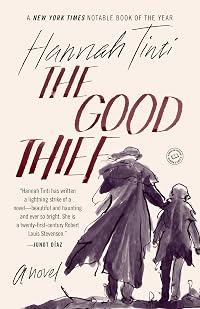
The Good Thief
by Hannah Tinti 
On This Page
Description
Growing up in a New England orphanage unaware of his family and of how he had lost his left hand as an infant, twelve-year-old Ren is terrified of the future, until a young man shows up claiming to be his long-lost brother, with whom he embarks on an adventure-filled odyssey of scam artists, petty criminals, and resurrection men.Tags
Recommendations


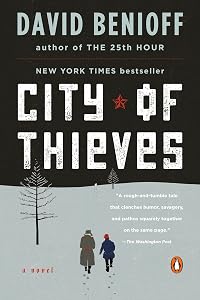

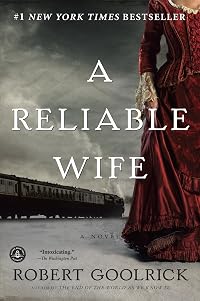
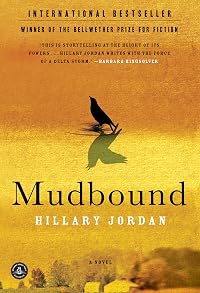








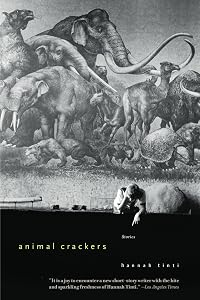
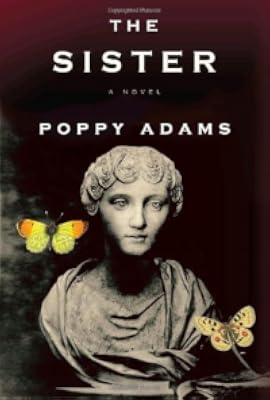
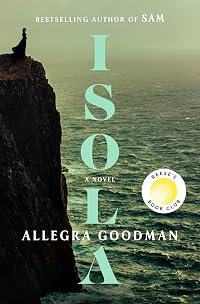
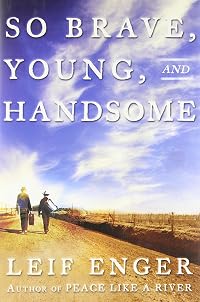
Member Recommendations
by anonymous user

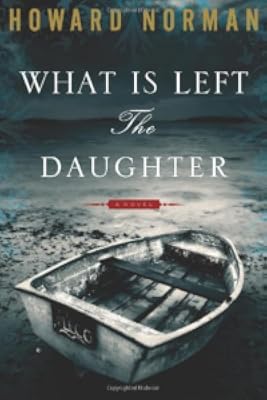
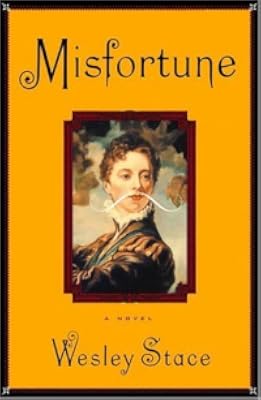
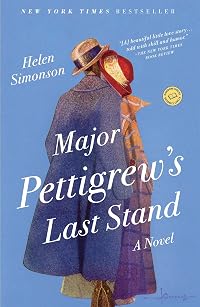
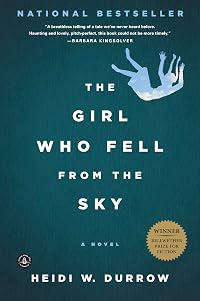
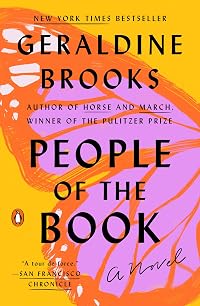
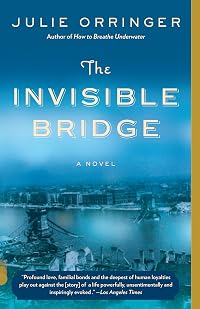
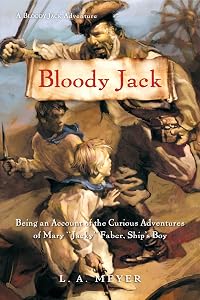
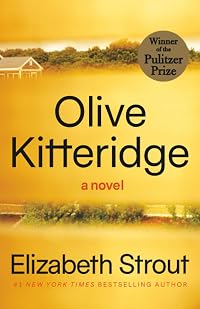
Litrvixen Both are about boys who finds themselves accompanying a criminal.
Member Reviews
Hannah Tinti's THE GOOD THIEF is a delightful and compelling read, the kind of novel I think of as "an entertainment," as opposed to serious literary fiction. That said, I loved it, and could not stop reading it. The protagonist is a 12 year-old orphan named Ren, who is missing one hand. It is a story filled with monks and murderers, thieves and liars, grave robbers and widows. Oh and there's a giant, and a dwarf too. And a mousetrap factory run by a cruel boss. It's a tough story to summarize, and doing that would spoil it, so I'm not even going to try. It's very Dickensian, only more. Think, say, a blend of Oliver Twist and The Princess Bride, and a young boy searching for family. Trust me. It's a humdinger of a story. You wanna lose show more yourself in a fantastical soup of weird characters and unlikely adventures in a bygone time? Then this is the book for you. A mesmerizing read.
- Tim Bazzett, author the memoir, BOOKLOVER show less
- Tim Bazzett, author the memoir, BOOKLOVER show less
I really liked this novel set in the early 1900s America about a young orphan named Ren and what happens to him when he's adopted by a man, Benjamin Nab, claiming to be his older brother. Ren showed up at the orphanage as a baby missing one hand and this man has a long, detailed story about how it happened and what happened to their parents.
Ren is a good kid. This man is obviously a liar and we soon find out that he's also a thief. But throughout the book, even when put in unbelievably awful situations and even through some questionable decisions, Ren is a good person and people like him almost immediately. He's not a goody-two-shoes or saccharine-sweet, he's just the kind of person that people trust and feel connected to.
The books show more hinges on this idea of lies vs. truth that we're introduced to by Benjamin. This was the key concept for me - that the truth is the most horrifying scenario for these characters. After leaving the orphanage, Benjamin tells Ren the "real story" about their parents and it is absolutely gruesome. Ren says:
"I don't want to hear anymore"
"All right." Benjamin let go. "Is that what you wanted to hear?"
"No."
The man reached over, took hold of the lantern, and blew it out. Night enveloped the barn. "Well," he said at last to the darkness between them, "that's when you know it's the truth."
I really loved Tinti's writing and I will definitely read her new book that just came out. This was her first novel and it is really well done. It doesn't get five stars because parts were a little gory for my taste (they spend time as grave robbers and there's lots of violence) but it was definitely part of the story, not gratuitous. The book has this great Dickens feel without trying too hard to be a Dickens remake. The characters are fantastic and I like the underlying themes. I'd highly recommend this. show less
Ren is a good kid. This man is obviously a liar and we soon find out that he's also a thief. But throughout the book, even when put in unbelievably awful situations and even through some questionable decisions, Ren is a good person and people like him almost immediately. He's not a goody-two-shoes or saccharine-sweet, he's just the kind of person that people trust and feel connected to.
The books show more hinges on this idea of lies vs. truth that we're introduced to by Benjamin. This was the key concept for me - that the truth is the most horrifying scenario for these characters. After leaving the orphanage, Benjamin tells Ren the "real story" about their parents and it is absolutely gruesome. Ren says:
"I don't want to hear anymore"
"All right." Benjamin let go. "Is that what you wanted to hear?"
"No."
The man reached over, took hold of the lantern, and blew it out. Night enveloped the barn. "Well," he said at last to the darkness between them, "that's when you know it's the truth."
I really loved Tinti's writing and I will definitely read her new book that just came out. This was her first novel and it is really well done. It doesn't get five stars because parts were a little gory for my taste (they spend time as grave robbers and there's lots of violence) but it was definitely part of the story, not gratuitous. The book has this great Dickens feel without trying too hard to be a Dickens remake. The characters are fantastic and I like the underlying themes. I'd highly recommend this. show less
Cójase una cantidad generosa de Charles Dickens. Añádase un buen chorrito de Robert Louis Stevenson y una pizca de Mark Twain. Y, como ingrediente secreto, unas gotas de Tim Burton. Y el resultado es 'El buen ladrón', primera novela de Hannah Tinti, si no contamos su libro de relatos 'Animales sueltos'.
La historia nos cuenta las aventuras y desventuras de un huérfano, Ren, de doce años, que vive en el orfanato Saint Anthony en Nueva Inglaterra desde que tiene memoria, y cuyos únicos recuerdos son el cuello de un traje de bebé, con las iniciales REN bordadas, y la falta de su mano izquierda, que no sabe como perdió. Hasta que un buen día, aparece por el orfanato Benjamin Nab, diciendo ser el hermano de Ren, con la intención de show more llevárselo. A partir de aquí empezará una nueva vida para el bueno de Ren, en la que no faltarán amigos y enemigos, un enano, una patrona la mar de peculiar, ladrones de tumbas, borrachos, fabricantes de ratoneras, y hasta un gigante.
La prosa de Hannah Tinti no es muy recargada ni barroca, todo lo contrario, es concisa y precisa y evocadora, y trata de relatar, desde el punto de vista de nuestro héroe y protagonista, su particular paso por la desconfianza y el temor, hasta llegar a ser un personaje con cierto desparpajo. Y es que Ren es un chico con buen corazón.
'Un buen ladrón' es todo un homenaje a las novelas clásicas y de aventuras decimonónicas, con ciertos tientes del gótico americano. show less
La historia nos cuenta las aventuras y desventuras de un huérfano, Ren, de doce años, que vive en el orfanato Saint Anthony en Nueva Inglaterra desde que tiene memoria, y cuyos únicos recuerdos son el cuello de un traje de bebé, con las iniciales REN bordadas, y la falta de su mano izquierda, que no sabe como perdió. Hasta que un buen día, aparece por el orfanato Benjamin Nab, diciendo ser el hermano de Ren, con la intención de show more llevárselo. A partir de aquí empezará una nueva vida para el bueno de Ren, en la que no faltarán amigos y enemigos, un enano, una patrona la mar de peculiar, ladrones de tumbas, borrachos, fabricantes de ratoneras, y hasta un gigante.
La prosa de Hannah Tinti no es muy recargada ni barroca, todo lo contrario, es concisa y precisa y evocadora, y trata de relatar, desde el punto de vista de nuestro héroe y protagonista, su particular paso por la desconfianza y el temor, hasta llegar a ser un personaje con cierto desparpajo. Y es que Ren es un chico con buen corazón.
'Un buen ladrón' es todo un homenaje a las novelas clásicas y de aventuras decimonónicas, con ciertos tientes del gótico americano. show less
As someone who read many adult classics before the age of ten, I'm constantly amazed when I hear adults cautioning each other that "I wouldn't give this book to younger readers"--especially when those doing the cautioning are avid readers themselves. Was childhood that long ago that these people have forgotten how it felt when adults patronized their intelligence? It's easy to forget how mature children are once one's put a few decades between themselves and their teenage years.
I mention this only because The Good Thief is the first book I can think of where I found myself saying as I read, "God, I hope no one gives this to a twelve-year-old." And it's not because Tinti's tale of an orphan-cum-itinerant-con artist deals with subject show more matter I don't believe younger readers are mature enough to understand; rather, it's because it piles on gore, violence, and worse horrors, most of it gratuitous. A good rule of thumb is: would the story suffer were these elements removed from the narrative? And in The Good Thief's case, it largely wouldn't. Thus, I'm forced to conclude that they're there for titillation's sake and not much else.
The novel's world is an almost unrelentingly hostile and untrustworthy place. Judging by its cast of neglectful monks, alcoholic, grave-robbing, lying protagonists, sadistic, manipulative physicians, or main character Ren's even more sadistic relatives, its main theme seems to be that the world is out to hurt and manipulate the weakest within it, and authority figures are its prime instruments in doing so. And these are the least egregious examples. (The scene where a thirty-something-year-old man fingers an eleven-year-old girl, the allusions to father-daughter incest, and Ren's uncle presenting him with the embalmed hand that he'd severed from Ren when Ren was an infant, would be the egregious examples.) Again, these elements do next to nothing to advance the story, and left this reader feeling rather slimy.
Beyond this, the characterizations are flat, the cast of characters the standard freak show line-up calculated to shock with their weirdness, and with a few exceptions readers will have a hard time identifying, let alone empathizing, with any of the characters. The few tense action scenes, references to Ren's Christianity, and saintly mother-figure widow do not make up for this.
Had I read an outline of The Good Thief's plot, I would have put money on it being an excellent adventure tale for readers of any age, but the book fails so frequently in its execution that, having read it, I cannot recommend it to anyone. show less
I mention this only because The Good Thief is the first book I can think of where I found myself saying as I read, "God, I hope no one gives this to a twelve-year-old." And it's not because Tinti's tale of an orphan-cum-itinerant-con artist deals with subject show more matter I don't believe younger readers are mature enough to understand; rather, it's because it piles on gore, violence, and worse horrors, most of it gratuitous. A good rule of thumb is: would the story suffer were these elements removed from the narrative? And in The Good Thief's case, it largely wouldn't. Thus, I'm forced to conclude that they're there for titillation's sake and not much else.
The novel's world is an almost unrelentingly hostile and untrustworthy place. Judging by its cast of neglectful monks, alcoholic, grave-robbing, lying protagonists, sadistic, manipulative physicians, or main character Ren's even more sadistic relatives, its main theme seems to be that the world is out to hurt and manipulate the weakest within it, and authority figures are its prime instruments in doing so. And these are the least egregious examples. (The scene where a thirty-something-year-old man fingers an eleven-year-old girl, the allusions to father-daughter incest, and Ren's uncle presenting him with the embalmed hand that he'd severed from Ren when Ren was an infant, would be the egregious examples.) Again, these elements do next to nothing to advance the story, and left this reader feeling rather slimy.
Beyond this, the characterizations are flat, the cast of characters the standard freak show line-up calculated to shock with their weirdness, and with a few exceptions readers will have a hard time identifying, let alone empathizing, with any of the characters. The few tense action scenes, references to Ren's Christianity, and saintly mother-figure widow do not make up for this.
Had I read an outline of The Good Thief's plot, I would have put money on it being an excellent adventure tale for readers of any age, but the book fails so frequently in its execution that, having read it, I cannot recommend it to anyone. show less
The man arrived after morning prayers. Word spread quickly that someone had come, and the boys of Saint Anthony's orphanage elbowed each other and strained to catch a glimpse as he unhitched his horse and led it to the trough for drinking. The man's face was hard to make out, his hat pulled so far down that the brim nearly touched his nose. He tied the reins to a post and then stood there, patting the horse's neck as it drank. The man waited, and the boys watched, and when the mare finally lifted her head, they saw the man lean forward, stroke the animal's nose, and kiss her. Then he wiped his lips with the back of his hand, removed his hat, and made his way across the yard to the monastery.
Beautifully written. Ren, a one-handed orphan left at a monastery as an infant is surprised when a man turns up claiming to be his long lost brother. Armed with a story of how Indians scalped their parents, he rescues Ren from his lonely life and takes him on the road, conning locals wherever they end up. Was he conning Ren as well?
Rating: 4 of 5
What an unusual tale; a real page-turner written by a talented storyteller. Tinti's descriptions were so vivid, I swear I could smell the boys' room at Saint Anthony's. And how surprising to find myself rooting for Ren, a one-handed liar and thief who, by most standards, is not a "good" kid.
Perhaps Tinti's best idea in The Good Thief was placing such a seemingly unlikeable protagonist into a world filled with flawed and unsavory characters - where the line between good and evil wasn't only blurred black and white, it was darn near invisible gray. That way, readers don't feel as guilty when we find ourselves hoping Ren, who just robbed someone, will catch a break with no bad luck attached in the next scene.
Tinti was not shy show more at all about putting the "hero" at the mercy of con artists, thieves and murderers which made for a book full of tension and conflict. Recommended to all ages who enjoy tales about orphans and their quests for finding what they want most in life.
Status update, 1/12/2012, page 76: Tinti really knows how to grab a reader's attention and keep it. What is it about orphans and their tales? show less
What an unusual tale; a real page-turner written by a talented storyteller. Tinti's descriptions were so vivid, I swear I could smell the boys' room at Saint Anthony's. And how surprising to find myself rooting for Ren, a one-handed liar and thief who, by most standards, is not a "good" kid.
Perhaps Tinti's best idea in The Good Thief was placing such a seemingly unlikeable protagonist into a world filled with flawed and unsavory characters - where the line between good and evil wasn't only blurred black and white, it was darn near invisible gray. That way, readers don't feel as guilty when we find ourselves hoping Ren, who just robbed someone, will catch a break with no bad luck attached in the next scene.
Tinti was not shy show more at all about putting the "hero" at the mercy of con artists, thieves and murderers which made for a book full of tension and conflict. Recommended to all ages who enjoy tales about orphans and their quests for finding what they want most in life.
Status update, 1/12/2012, page 76: Tinti really knows how to grab a reader's attention and keep it. What is it about orphans and their tales? show less
Members
- Recently Added By
Lists

Books Read in 2015
3,299 works; 129 members

To Read
617 works; 7 members

Fiction: Crime, Detective, Mystery
350 works; 3 members
Author Information

5+ Works 3,041 Members
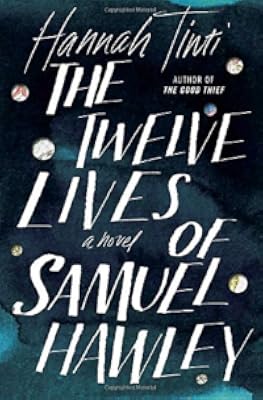
Hannah Tinti is a writer, editor, and a teacher. She grew up in Salem, Massachusetts. She has worked at bookstores, magazines, publishing houses, and literary agencies. In 2002 She co-founded the award-winning magazine "One Story". She was Editor in Chief for 14 years and is an Executive Editor. In 2009 she received the Pen/Nora Magid Award for show more excellence in editing. In 2011 she joined the the Public Radio Program, "Selected Shorts" as their Literary Commentator. She is also a teacher of creative writing. She taught writing at the New York University Graduate Creative Writing program as well as Columbia University's MFA program and at the Museum of Natural History. Hannah co-founded the Sirenland Writers Conference in Italy. Hannah's short story collection, "Animal Crackers" was a runner-up for the PEN/Hemingway award. Her best-selling novel "The Good Thief" is a New York Times Notable Book of the Year, recipient of the American Library Association's Alex Award, winner of The Center for Fiction's First Novel Prize and winner of the Quality Paperback Book Club's New Voices Award. Her new Novel "The Twelve Lives of Samuel Hawley" was published in March 2017. 30 show less
Hannah Tinti is a LibraryThing Author, an author who lists their personal library on LibraryThing.
Awards and Honors
Awards
Common Knowledge
- Canonical title
- The Good Thief
- Original publication date
- 2008-08-26
- People/Characters
- Ren; Benjamin Nab; Tom
- Important places
- New England, USA
- Epigraph
- If a man can write a better book, preach a better sermon, or make a better mousetrap than his neighbor, though he build his house in the woods, the world will make a beaten path to his door.
- Ralph Waldo Emers... (show all)on - Dedication
- For my sisters, Hester and Honorah
- First words
- The man arrived after morning prayers.
- Quotations
- Ren had read the ending many times, and he still felt terrible about it. Hawkeye spent the entire novel fighting Indians and righting wrongs, but when he left Judith to her lonely fate, he always seemed less of a hero.
- Last words
- (Click to show. Warning: May contain spoilers.)His fingers reaching out, closing in, then missing, missing, missing.
- Blurbers
- Clarke, Brock; Wallace, Daniel; Diaz, Junot; Gilbert, Elizabeth; Chaon, Dan
Classifications
Statistics
- Members
- 1,792
- Popularity
- 12,196
- Reviews
- 144
- Rating
- (3.67)
- Languages
- 10 — Catalan, Chinese, Dutch, English, French, German, Italian, Portuguese, Spanish, Swedish
- Media
- Paper, Audiobook, Ebook
- ISBNs
- 34
- ASINs
- 8
