On This Page
Description
A self-satisfied couple intent on raising a happy family is shocked by the birth of an abnormal and brutal fifth child.Tags
Recommendations

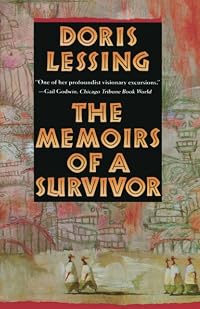
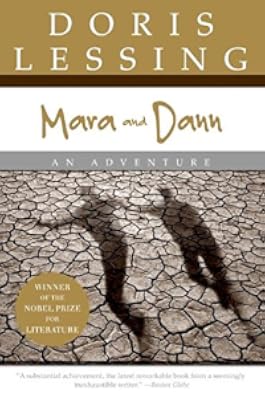
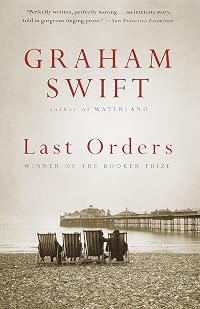
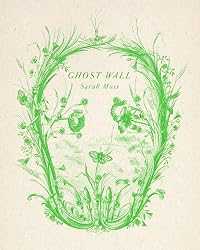









Member Recommendations
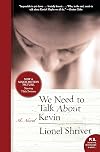
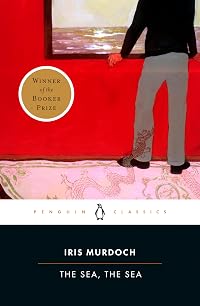
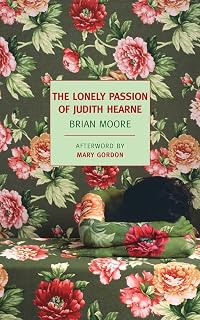
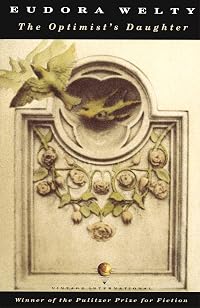
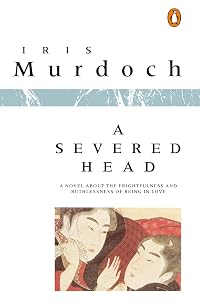
christiguc Both are books that explore the nature vs. nurture question in disturbing situations.
Also recommended by humppabeibi, kjuliff
60
Member Reviews
Harriet and David Lovatt have a dream they are determined to make real: a big home full of family and friends and a ridiculous number of kids. (Six at least? Maybe ten, why not!) Everyone considers them impractical and a bit crazy for this, especially as it's the swingin' sixties and who lives like that anymore? But despite some very real stresses, they're firm in their choices and are maybe making it work... until baby number five. Ben is different, dangerous, off-putting, and frightening, even in the womb. And his presence renders everything else impossible.
On the one hand, this can be read as a simple sort of horror story, a parental nightmare of a changeling child. On the other, it's a very different sort of horror story, the story show more of what it's like trying to raise an "abnormal" child -- one with mental illness, disability, neurodivergence -- in a society that provides no support and possesses no understanding, only a choice of differently inhumane types of denial and a damned-if-you-do-damned-if-you-don't way of blaming mothers, because either the problem is all your fault or all in your head.
It's a very short novel, about 130 pages in my copy, and it compresses a lot of time and describes a lot of things in a way that feels a bit distancing, rather than emotionally immediate, but darned if Lessing doesn't make that work for her and make it quite affecting, anyway. show less
On the one hand, this can be read as a simple sort of horror story, a parental nightmare of a changeling child. On the other, it's a very different sort of horror story, the story show more of what it's like trying to raise an "abnormal" child -- one with mental illness, disability, neurodivergence -- in a society that provides no support and possesses no understanding, only a choice of differently inhumane types of denial and a damned-if-you-do-damned-if-you-don't way of blaming mothers, because either the problem is all your fault or all in your head.
It's a very short novel, about 130 pages in my copy, and it compresses a lot of time and describes a lot of things in a way that feels a bit distancing, rather than emotionally immediate, but darned if Lessing doesn't make that work for her and make it quite affecting, anyway. show less
This is one of the creepiest pieces of literary fiction I’ve ever read, about a nightmare baby born to the nicest pair of Brits you could imagine.
Old-fashioned Harriet and David Lovatt want a large family in their large rambling house. Harriet is a good breeder, and they build a wonderful family life, with relatives always filling the house at Christmas and Easter. But then Harriet bears their fifth child, Ben, who is hyperactive, slow-witted, violent, and looks like a goblin. He is just about impossible to love, and the other children fear him.
The book can be enjoyed on so many levels, from a gothic horror story to a psychological study of family to a parable about life in 1980s England and the death of the British middle class show more dream. The prose was unassumingly perfect. The pacing was great. It was hard to put down, and I can't wait to read the sequel, Ben in the World. show less
Old-fashioned Harriet and David Lovatt want a large family in their large rambling house. Harriet is a good breeder, and they build a wonderful family life, with relatives always filling the house at Christmas and Easter. But then Harriet bears their fifth child, Ben, who is hyperactive, slow-witted, violent, and looks like a goblin. He is just about impossible to love, and the other children fear him.
The book can be enjoyed on so many levels, from a gothic horror story to a psychological study of family to a parable about life in 1980s England and the death of the British middle class show more dream. The prose was unassumingly perfect. The pacing was great. It was hard to put down, and I can't wait to read the sequel, Ben in the World. show less
Most people, when confronted with the problems of juvenile delinquency or generational chasms between parents and children, would try to understand where the youth, troubled as they may be, are coming from. Doris Lessing, on the other hand, writes a novel about a woman who gives birth to a neanderthal. I have to say I loved this bonkers novel, which starts out as a sly commentary on the changing sexual and gender norms of Britons in the 1960s and 1970s and turns into a bizarre science fiction novel.
The core dilemma
This is a horror story exploring what happens when a monstrous child is born to a perfect family. When there is no way for everyone to be happy and safe, who must sacrifice what, how does one choose - and what happens when the parents can’t agree? It is essentially a variant of the Trolley Problem, where you see a runaway train at a fork in the track, with people at risk on both: you can either do nothing, knowing five people will die, or actively divert it so that just one person dies.
The plot is simple and told chronologically by an omniscient narrator: Harriet and David want to fill their enormous house with a huge family. They have four beautiful blond, blue-eyed, rosy cheeked children in quick succession, in show more between hosting popular house parties at Christmas, Easter, and the summer holidays. Then Ben is born.
“If I had let him die, then all of us… would have been happy.”
There is no supernatural aspect, though it never feels quite plausible either: not the original idyl (living “happiness in the old style”, counter to “the greedy and selfish sixties”), nor the horror of Ben, and certainly not the degree to which some things are ignored by those around, including the authorities. That made me increasingly question the accuracy of Harriet’s fears and observations, whilst also feeling bad about not believing her, when she already felt so judged.
“She wanted to be acknowledged, her predicament given its value.”
What is wrong with Ben?
I don’t think Ben is a subhuman “throwback”, changeling, troll, or alien as Harriet often says. Although he’s hyperactive and shares some traits with autistic people, his issues are not so easily defined.
• Is he slow and misunderstood, irredeemably evil, or just not as loved and loveable as his siblings?
• Is he as horrendous as Harriet claims?
• To what extent is she to blame - should we instead ask what’s wrong with her? (But despite her fear and revulsion, she goes to great lengths to protect him, to the detriment of herself, her husband, and their other children.)
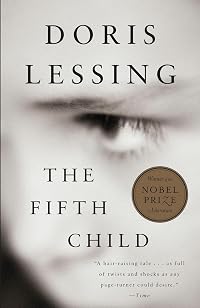
The covers of various editions imply radically different answers:
There are also difficult questions about what punishments, containment, and threats are justified for the wider good. It may be useful to compare this with We Need to Talk About Kevin; I’ve not read that, though I saw the film several years ago.
Differing (dis)abilities
Ben’s existence fractures relationships all round, and forces choices that no parent wants to make. How can you be “fair” when your children have hugely different needs? How do you cope with not loving your own child… with sometimes wishing he were dead?
I had my only child when I was 29, so when my routine scans (sonograms) were fine, I was not offered testing for Down’s or anything else (though we could have insured against a disabled child). The odds were good, it would be our child, and we’d do our best. However, it would have been different if we already had a child whose life could be hugely and detrimentally affected by the birth of a severely disabled sibling. That was long enough ago that I read this with understanding, but the safety of distance. This is not a book to read if you're thinking about having a(nother) child any time soon!
While Ben arouses fear, his cousin with Down’s Syndrome (referred to as a “Mongol child” more than once!) is generally loved - except by her own father (“distressed by physical disability” and “appalled” by her) and Harriet (who assumes Amy is a symptom of an unhappy marriage).
Parental sacrifice and children’s sense of entitlement
Most parents make sacrifices for their children, but how far should they go? “A mother is fed by watching her children eat” is a guilt-inducing phrase I sometimes heard in childhood when money was tight: my mother would treat us to something nice to eat, while eating toast herself.
“‘It’s either him or us’... ‘He’s our child.’ ‘No, he’s not… well he’s certainly not mine.’”
Harriet and David make sacrifices for different combinations of their children, but their passive sense of entitlement towards their own parents is staggering: they choose a huge house and family, but can only do so because David’s father pays for it all, and Harriet’s mother becomes a full-time childminder and skivvy. Both parents have other calls on their money and time, but go largely unthanked.
When?
It spans twenty years, from the mid 60s to around the time it was published, but despite the odd mention of rising crime, it always felt stuck in the 60s, and certainly not like the late 80s I remember.
Nevertheless, I’m glad I read it. It’s quite brutal, but raises profound questions, without suggesting answers. However, the little I've read about the sequel ensures I won't go on to that.
Quotes
• “There was an ugly edge on events: more and more it seemed that two peoples lived in England, not one - enemies, hating each other, who could not hear what the other said.” Written of 1972, but applies today.
• “His taking possession of the future in her” - making love, intensely.
• “She knew the cost, in every way, of a family.” [Harriet’s mother, Molly.]
• “When he bent to kiss her, and stroked Luke’s heat, it was with a fierce possessiveness that Harriet liked and understood, for it was not herself being possessed, or the baby, but happiness. Hers and his.”
• “Her heart was hurt as it would be for one of her own, real children.”
• “Ben was Harriet’s responsibility and his was for the children - the real children.”
• “When she put her arms around him, there was no response, no warmth; it was as if he did not feel her touch.”
• “She had been drained of some ingredient that everyone took for granted.”
Inspiration for...
This novel is part of the inspiration for Claire Oshetsky's brilliant, raw, and disturbing novel, Chouette, which I reviewed HERE. show less
This is a horror story exploring what happens when a monstrous child is born to a perfect family. When there is no way for everyone to be happy and safe, who must sacrifice what, how does one choose - and what happens when the parents can’t agree? It is essentially a variant of the Trolley Problem, where you see a runaway train at a fork in the track, with people at risk on both: you can either do nothing, knowing five people will die, or actively divert it so that just one person dies.
The plot is simple and told chronologically by an omniscient narrator: Harriet and David want to fill their enormous house with a huge family. They have four beautiful blond, blue-eyed, rosy cheeked children in quick succession, in show more between hosting popular house parties at Christmas, Easter, and the summer holidays. Then Ben is born.
“If I had let him die, then all of us… would have been happy.”
There is no supernatural aspect, though it never feels quite plausible either: not the original idyl (living “happiness in the old style”, counter to “the greedy and selfish sixties”), nor the horror of Ben, and certainly not the degree to which some things are ignored by those around, including the authorities. That made me increasingly question the accuracy of Harriet’s fears and observations, whilst also feeling bad about not believing her, when she already felt so judged.
“She wanted to be acknowledged, her predicament given its value.”
What is wrong with Ben?
I don’t think Ben is a subhuman “throwback”, changeling, troll, or alien as Harriet often says. Although he’s hyperactive and shares some traits with autistic people, his issues are not so easily defined.
• Is he slow and misunderstood, irredeemably evil, or just not as loved and loveable as his siblings?
• Is he as horrendous as Harriet claims?
• To what extent is she to blame - should we instead ask what’s wrong with her? (But despite her fear and revulsion, she goes to great lengths to protect him, to the detriment of herself, her husband, and their other children.)
The covers of various editions imply radically different answers:
There are also difficult questions about what punishments, containment, and threats are justified for the wider good. It may be useful to compare this with We Need to Talk About Kevin; I’ve not read that, though I saw the film several years ago.
Differing (dis)abilities
Ben’s existence fractures relationships all round, and forces choices that no parent wants to make. How can you be “fair” when your children have hugely different needs? How do you cope with not loving your own child… with sometimes wishing he were dead?
I had my only child when I was 29, so when my routine scans (sonograms) were fine, I was not offered testing for Down’s or anything else (though we could have insured against a disabled child). The odds were good, it would be our child, and we’d do our best. However, it would have been different if we already had a child whose life could be hugely and detrimentally affected by the birth of a severely disabled sibling. That was long enough ago that I read this with understanding, but the safety of distance. This is not a book to read if you're thinking about having a(nother) child any time soon!
While Ben arouses fear, his cousin with Down’s Syndrome (referred to as a “Mongol child” more than once!) is generally loved - except by her own father (“distressed by physical disability” and “appalled” by her) and Harriet (who assumes Amy is a symptom of an unhappy marriage).
Parental sacrifice and children’s sense of entitlement
Most parents make sacrifices for their children, but how far should they go? “A mother is fed by watching her children eat” is a guilt-inducing phrase I sometimes heard in childhood when money was tight: my mother would treat us to something nice to eat, while eating toast herself.
“‘It’s either him or us’... ‘He’s our child.’ ‘No, he’s not… well he’s certainly not mine.’”
Harriet and David make sacrifices for different combinations of their children, but their passive sense of entitlement towards their own parents is staggering: they choose a huge house and family, but can only do so because David’s father pays for it all, and Harriet’s mother becomes a full-time childminder and skivvy. Both parents have other calls on their money and time, but go largely unthanked.
When?
It spans twenty years, from the mid 60s to around the time it was published, but despite the odd mention of rising crime, it always felt stuck in the 60s, and certainly not like the late 80s I remember.
Nevertheless, I’m glad I read it. It’s quite brutal, but raises profound questions, without suggesting answers. However, the little I've read about the sequel ensures I won't go on to that.
Quotes
• “There was an ugly edge on events: more and more it seemed that two peoples lived in England, not one - enemies, hating each other, who could not hear what the other said.” Written of 1972, but applies today.
• “His taking possession of the future in her” - making love, intensely.
• “She knew the cost, in every way, of a family.” [Harriet’s mother, Molly.]
• “When he bent to kiss her, and stroked Luke’s heat, it was with a fierce possessiveness that Harriet liked and understood, for it was not herself being possessed, or the baby, but happiness. Hers and his.”
• “Her heart was hurt as it would be for one of her own, real children.”
• “Ben was Harriet’s responsibility and his was for the children - the real children.”
• “When she put her arms around him, there was no response, no warmth; it was as if he did not feel her touch.”
• “She had been drained of some ingredient that everyone took for granted.”
Inspiration for...
This novel is part of the inspiration for Claire Oshetsky's brilliant, raw, and disturbing novel, Chouette, which I reviewed HERE. show less
The idea of a mother not loving her own child seems almost taboo as a subject for a novel. Such feelings just aren't possible, or at least they're not natural or normal, are they? That's the general consensus. I wanted to read The Fifth Child because someone said it put them in mind of Lionel Shriver's We Need to Talk About Kevin, which I reviewed here. They are both about having a child who is difficult to love. Let's be honest, even their mothers find them impossible to love. They do try, very hard, over a period of long years, but ultimately admit their true feelings. Both books are well written and I thought at first they were quite different stories. Kevin, in Shriver's book is a teenager who's killed fellow students in a school show more shooting before the story even begins. Ben, the fifth child to a couple who planned a large family and celebrated each child's arrival, is odd and frightening and difficult to control from the day he's born. We follow his beleagured mother and family from birth through to his teen years.
Then I realized that the only difference in the stories is whether they are related to us before disaster strikes, as in the case of Ben, or afterward, as with Kevin's killing spree. Each book hits tender spots and like most tragedies are not the easiest to read. But I think they both need to be read. The questions raised need to be faced-by everyone. Should these children be drugged? Is psychiatry or behaviour therapy enough? Should they be "put away" in cases where they cannot be controlled? Then there's the issue of blame. People seem to need to point fingers when things go wrong. Are the parents, especially the mothers, ultimately responsible for the monstrous behaviour of their children? I'm glad I read these books. I learned things, empathy being the very least of these. I highly recommended We Need to Talk About Kevin. I recommend The Fifth Child as well. show less
Then I realized that the only difference in the stories is whether they are related to us before disaster strikes, as in the case of Ben, or afterward, as with Kevin's killing spree. Each book hits tender spots and like most tragedies are not the easiest to read. But I think they both need to be read. The questions raised need to be faced-by everyone. Should these children be drugged? Is psychiatry or behaviour therapy enough? Should they be "put away" in cases where they cannot be controlled? Then there's the issue of blame. People seem to need to point fingers when things go wrong. Are the parents, especially the mothers, ultimately responsible for the monstrous behaviour of their children? I'm glad I read these books. I learned things, empathy being the very least of these. I highly recommended We Need to Talk About Kevin. I recommend The Fifth Child as well. show less
The Fifth Child by Doris Lessing is classed as horror and I readily admit to finding this book truly horrifying. The author stayed in the bounds of possibility which made this story resonate with uneasiness and fear. I found this a book that was impossible to put down.
A short and simple tale, set in the 1960’s, of a couple who chose to live their lives under the old fashioned manner of having a large family. They are happily bringing up their four children when they discover that a fifth is on the way. After a difficult pregnancy, they are delivered of a child that is far from normal. Possessing a strange appearance this child is large, ugly, violent and uncontrollable. This is a child that cannot be trusted around animals or even show more other children, he appears to have no moral centre and his mother finds the only way to control him to with dire threats. Sadly, this family is being destroyed by this fifth child, their way of life, their other children and even their marriage appear to be slipping away.
This was the first Doris Lessing book that I have read and I am very impressed with her ability to elevate this short work with such intensity and drama. This is her take on the “changeling formula” and she delivers a story that is chilling, disturbing and oh, so very readable. show less
A short and simple tale, set in the 1960’s, of a couple who chose to live their lives under the old fashioned manner of having a large family. They are happily bringing up their four children when they discover that a fifth is on the way. After a difficult pregnancy, they are delivered of a child that is far from normal. Possessing a strange appearance this child is large, ugly, violent and uncontrollable. This is a child that cannot be trusted around animals or even show more other children, he appears to have no moral centre and his mother finds the only way to control him to with dire threats. Sadly, this family is being destroyed by this fifth child, their way of life, their other children and even their marriage appear to be slipping away.
This was the first Doris Lessing book that I have read and I am very impressed with her ability to elevate this short work with such intensity and drama. This is her take on the “changeling formula” and she delivers a story that is chilling, disturbing and oh, so very readable. show less
Oh my. I read this book cover-to-cover two days ago, and I haven't been able to stop thinking about it. Yes, it's only 133 pages, and told in as a linear timeline with fairly straight forward language. But Lessing is subtle and clever and The Fifth Child sneaks up and clobbers you. Which is exactly what the actual fifth child would do. But I'm ahead of myself.
In mid-60s London, David and Harriet meet at an office party. They hit it off because they aren't like anyone else and share similar goals. Namely, to buy a comfortable big house and fill it with loads of children. Eight or ten, at least. The swinging sixties and mod London are not for them. The enormous Victorian house they buy is two hours north of London, which makes for a very show more long commute for David, and even at that distance, it's beyond their budget, especially when Harriet immediately gets pregnant and quits work. In a few years they have four lovely children--two boys and two girls. And every holiday their huge house fills up with extended family. So much fun, such a perfect family. Except David is exhausted from working to support all these people, and Harriet is exhausted from being pregnant and breast feeding and chasing toddlers all day. All the extended family and friends who come to stay tell them they've taken on too much and to slow down, but David and Harriet stubbornly plug their ears and say "this is what we want to do!"
Except they really can't afford it, and even though David is disgusted by his upper class upbringing, he asks his father to pay their mortgage. And they can't physically handle it either -- Harriet's mother sacrifices her retirement to move in and become an unpaid full time nanny (even though she has other children and grandchildren). But David and Harriet think it's exactly what they want, and don't seem to grasp that they aren't actually accomplishing it. (David and Harriet frustrated me!)
Then. Then Harriet gets pregnant a fifth time. From the beginning the pregnancy is significantly worse than her previous uncomfortable pregnancies. At eight months, she gives birth to an eleven pound baby, Ben, and he's extremely ugly. And strong, and very unhappy. They call him goblin and gargoyle. Things go very badly. The happy house guests disappear. Pets die. His siblings lock their doors at night. For a while, Ben is institutionalized. Against everyone's wishes, Harriet brings him back home. Things get even worse. Everyone blames Harriet. From a very young age, Ben spends a lot of time with neighbourhood delinquents, because they all get along and it gives the family breathing space. Doctors and teachers are useless in giving the family guidance. I don't want to give much more away, but the story progresses and then ends when Ben is 15 and basically is running wild with thugs. After reading The Fifth Child, I learned that there is a sequel, Ben, in the World, which I've already ordered and plan to read when it arrives.
There is so much subtext in this novel that I can't even begin to go into it here. In some ways, the book is similar to We Need to Talk About Kevin and in others it's more like Rosemary's Baby.
The only other Doris Lessing I've read is The Grass is Singing, which was very different but similar in length and also in being a deceivingly simple story that packs a wallop.
Rating: when I read it, I thought 3.5 stars, but the more I think about it and read commentary on it (and reader reviews), and think some more, I think it's more like 4.5 stars.
Why I Read This Now: I was researching "best short novels" for my book club, and this was highly recommended. Since I owned it, I thought I'd preview it before we meet to decide on our books for the next year. There is a lot of discussion material in the Fifth Child, despite its short length. Which to me is a sign of a talented author.
Recommended for: Well, not everyone. Some people will give it a straight read, and miss all the subtleties, and then just say they don't like the story or characters. I've read a lot of reader reviews today, and there are some great comments in the one-star reviews, but a lot of those reviewers are also missing what's important in the book. It's definitely controversial work. People who like to pull apart what an author is doing, and don't mind some horrific things in their nice middle class English novel, will probably appreciate the Fifth Child. show less
In mid-60s London, David and Harriet meet at an office party. They hit it off because they aren't like anyone else and share similar goals. Namely, to buy a comfortable big house and fill it with loads of children. Eight or ten, at least. The swinging sixties and mod London are not for them. The enormous Victorian house they buy is two hours north of London, which makes for a very show more long commute for David, and even at that distance, it's beyond their budget, especially when Harriet immediately gets pregnant and quits work. In a few years they have four lovely children--two boys and two girls. And every holiday their huge house fills up with extended family. So much fun, such a perfect family. Except David is exhausted from working to support all these people, and Harriet is exhausted from being pregnant and breast feeding and chasing toddlers all day. All the extended family and friends who come to stay tell them they've taken on too much and to slow down, but David and Harriet stubbornly plug their ears and say "this is what we want to do!"
Except they really can't afford it, and even though David is disgusted by his upper class upbringing, he asks his father to pay their mortgage. And they can't physically handle it either -- Harriet's mother sacrifices her retirement to move in and become an unpaid full time nanny (even though she has other children and grandchildren). But David and Harriet think it's exactly what they want, and don't seem to grasp that they aren't actually accomplishing it. (David and Harriet frustrated me!)
Then. Then Harriet gets pregnant a fifth time. From the beginning the pregnancy is significantly worse than her previous uncomfortable pregnancies. At eight months, she gives birth to an eleven pound baby, Ben, and he's extremely ugly. And strong, and very unhappy. They call him goblin and gargoyle. Things go very badly. The happy house guests disappear. Pets die. His siblings lock their doors at night. For a while, Ben is institutionalized. Against everyone's wishes, Harriet brings him back home. Things get even worse. Everyone blames Harriet. From a very young age, Ben spends a lot of time with neighbourhood delinquents, because they all get along and it gives the family breathing space. Doctors and teachers are useless in giving the family guidance. I don't want to give much more away, but the story progresses and then ends when Ben is 15 and basically is running wild with thugs. After reading The Fifth Child, I learned that there is a sequel, Ben, in the World, which I've already ordered and plan to read when it arrives.
There is so much subtext in this novel that I can't even begin to go into it here. In some ways, the book is similar to We Need to Talk About Kevin and in others it's more like Rosemary's Baby.
The only other Doris Lessing I've read is The Grass is Singing, which was very different but similar in length and also in being a deceivingly simple story that packs a wallop.
Rating: when I read it, I thought 3.5 stars, but the more I think about it and read commentary on it (and reader reviews), and think some more, I think it's more like 4.5 stars.
Why I Read This Now: I was researching "best short novels" for my book club, and this was highly recommended. Since I owned it, I thought I'd preview it before we meet to decide on our books for the next year. There is a lot of discussion material in the Fifth Child, despite its short length. Which to me is a sign of a talented author.
Recommended for: Well, not everyone. Some people will give it a straight read, and miss all the subtleties, and then just say they don't like the story or characters. I've read a lot of reader reviews today, and there are some great comments in the one-star reviews, but a lot of those reviewers are also missing what's important in the book. It's definitely controversial work. People who like to pull apart what an author is doing, and don't mind some horrific things in their nice middle class English novel, will probably appreciate the Fifth Child. show less
Members
- Recently Added By
Lists

Female Author
1,234 works; 65 members

500 Great Books by Women
507 works; 60 members

1980s
356 works; 23 members

Troublesome bodies
110 works; 7 members

Elena Ferrante's 40 favourite books by female authors
40 works; 10 members

Books You Read During High School (For School)
301 works; 52 members

Books Read in 2017
4,249 works; 129 members

Differently Abled Horror
64 works; 4 members

Best Horror Mega-List
342 works; 6 members

Female Horror Author
35 works; 2 members

Books With Numbers in the Title
308 works; 13 members

Recommended Horror and Dark Fiction by Women
81 works; 13 members

Books Read in 2022
5,226 works; 115 members

Novels featuring Mothers
64 works; 8 members

Reedsydiscovery 100 Best Horror Books of All Time
100 works; 5 members

Books Read in 2010
631 works; 11 members

Horror Reading: Creepy Kids
9 works; 3 members

Books Read in 2021
5,361 works; 114 members

Great Short Books: A Year of Reading-Briefly
59 works; 4 members

Gen X Library
245 works; 4 members
Author Information

265+ Works 37,250 Members
Doris Lessing was born in Kermanshah, Persia (later Iran) on October 22, 1919 and grew up in Rhodesia (the present-day Zimbabwe). During her two marriages, she submitted short fiction and poetry for publication. After moving to London in 1949, she published her first novel, The Grass Is Singing, in 1950. She is best known for her 1954 Somerset show more Maugham Award-winning experimental novel The Golden Notebook. Her other works include This Was the Old Chief's Country, the Children of Violence series, the Canopus in Argos - Archives series, and Alfred and Emily. She has received numerous awards for her work including the 2001 Prince of Asturias Prize in Literature, the David Cohen British Literature Prize, and the 2007 Nobel Prize for Literature. She died on November 17, 2013 at the age of 94. (Bowker Author Biography) show less
Some Editions
Awards and Honors
Awards
Distinctions
Series

Belongs to Publisher Series
Work Relationships
Has as a student's study guide
Common Knowledge
- Canonical title*
- Il quinto figlio
- Original title
- The Fifth Child
- Original publication date
- 1988
- People/Characters
- Harriet Lovatt; David Lovatt; Ben Lovatt; Frederick Burke; James lovatt; Jessica (show all 15); Dr. Brett; Bridgette; Phyllis; Sissy Fletcher; Martin Fletcher; Jeremiah Spur; Deputy Clyde Thomas; Peter Wells; Martha
- Important places*
- Inghilterra, Regno Unito; Regno Unito
- First words
- Harriet and David met each other at an office party neither had particularly wanted to go to, and both knew at once that this was what they had been waiting for.
- Last words
- (Click to show. Warning: May contain spoilers.)Perhaps quite soon, in the new house she would be living in (alone) with David, she would be looking at the box, and there, in a shot on the News of Berlin, Madrid, Los Angeles, Buenos Aires, she would see Ben, standing rather apart from the crowd, staring at the camera with his goblin eyes, or searching the faces in the crowd for another of his own kind.
- Original language*
- Inglese
- Canonical DDC/MDS
- 823.914
- Canonical LCC
- PR6023.E833
*Some information comes from Common Knowledge in other languages. Click "Edit" for more information.
Classifications
Statistics
- Members
- 2,676
- Popularity
- 6,992
- Reviews
- 92
- Rating
- (3.60)
- Languages
- 18 — Chinese, Danish, Dutch, English, Estonian, Finnish, French, German, Greek, Hungarian, Italian, Norwegian (Bokmål), Polish, Portuguese, Russian, Spanish, Swedish, Turkish
- Media
- Paper, Audiobook, Ebook
- ISBNs
- 86
- ASINs
- 32