On This Page
Description
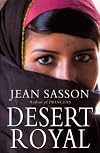
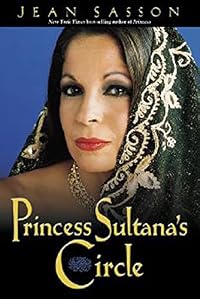
Readers of Princess Sultana's extraordinary autobiography, Princess, were gripped by her powerful indictment of women's lives within the royal family of Saudi Arabia. In Desert Royal she continues her story at a period of crisis in her life when she reveals her shameful secret - especially so in a Muslim country where alcohol is forbidden - that she has a drinking problem. The forced marriage of her niece to a cruel and depraved older man, and her discovery of the harem of sex slaves kept by show more another cousin, makes her more determined than ever to defend the rights of women in her country. Her cause is given an extra sense of urgency against the backdrop of increased dissent against the Al Sa'uds, and the looming spectre of Islamic Fundamentalism. show lessTags
Recommendations






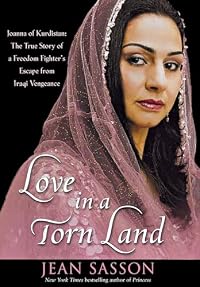
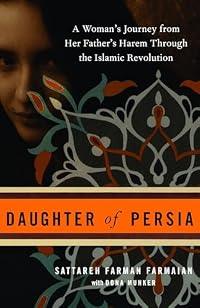
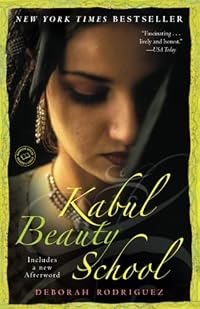

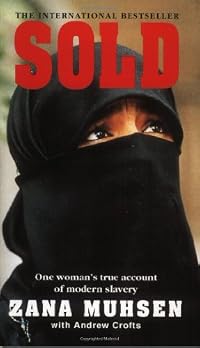










Member Recommendations
Kalaimufi How can I download this book through pdf??? Plz help me out
Member Reviews
Having read the previous 2 books, I enjoyed this one no less. The second book was pretty good, but this one was great because of Sultana's maturity and the ending of this book.
Now, I am well-aware of the plagiarism suit - and have read the article on it - and the detractors and their complaints, but these books already came with the disclaimer that some events had been altered, not just the names. Still, whether this Princess Sultana IS a real person is in the air and hotly debated, so I won't touch on that.
Some people say this book is bad because it offers a horrible view on Arab men. Now, think. In Saudi Arabia, where the line between men and women is clearly drawn, women and men cannot interact in a normal way like Americans, show more Europeans, and other countries are fortunate enough to have and enjoy. But not all men are bad - Sultana's husband despite his flaws is a decent guy, and so is her son. Still, even the nice guys have a hard time dealing with Sharia law, as they themselves are also punished and restricted by it (but of course, to a far lesser extent than women!)
Some people don't like it because of the horrible things - but newsflash! - these things DO happen, and not just in Saudi Arabia. Slavery, whether manual or sexual, still exist, and nobody should be surprised. Slavery even exists here in America with citizens importing illegal aliens with either threats or deception to keep them in their houses to clean, cook, and what not, even sex. And if that is happening here, in AMERICA - the land of the free, where our founding fathers declared we had the right to life, liberty, and pursuit of happiness - why should anyone be surprised it happens in other countries, especially one with such strict - and backward - laws as the Middle East?
Another complaint from detractors is the description of some things, like the weddings. Now, remember, the al-Sauds are one of the wealthiest families in the world. I found Sultana's description of things like her jewelry, home, gardens and what not - to be fascinating even if I did feel a bit envious (hard not to) but rich Americans put on ostentatious displays of wealth as well, so again, it's not surprising.
Now as to Ms. Sasson's claim to have met and knowing this Princess... well, I don't find it as far-fetched as the detractors. The place where she worked, the King Faisal Hospital, is the largest in the Middle East and hires plenty of foreigners as staff, and is the place where many royals - including other princesses - go to (and die, sometimes), so it's not hard to imagine that they met when Sultana was there for herself, her kids, or just visiting one of her relatives.
I am no expert of the Middle East or Islam nor do I claim to be, but I have done some studying and reading of the al-Saud clan and other things touched on in this book to give me a better understanding of its content. In short, I really enjoyed this book and the trilogy itself as well, as well as what I learned in my additional reading/research. The short appendix and information on Saudi Arabia in the back of this book makes for great trivia.
I hope there will be a fourth book, as the ending of this third book offers great promise for another exciting installment to this tale. With Sultana's maturity and the revelations she has by the end of this book, as well as the actions she takes and will take, I would love to see another story as Sultana develops her Circle further. show less
Now, I am well-aware of the plagiarism suit - and have read the article on it - and the detractors and their complaints, but these books already came with the disclaimer that some events had been altered, not just the names. Still, whether this Princess Sultana IS a real person is in the air and hotly debated, so I won't touch on that.
Some people say this book is bad because it offers a horrible view on Arab men. Now, think. In Saudi Arabia, where the line between men and women is clearly drawn, women and men cannot interact in a normal way like Americans, show more Europeans, and other countries are fortunate enough to have and enjoy. But not all men are bad - Sultana's husband despite his flaws is a decent guy, and so is her son. Still, even the nice guys have a hard time dealing with Sharia law, as they themselves are also punished and restricted by it (but of course, to a far lesser extent than women!)
Some people don't like it because of the horrible things - but newsflash! - these things DO happen, and not just in Saudi Arabia. Slavery, whether manual or sexual, still exist, and nobody should be surprised. Slavery even exists here in America with citizens importing illegal aliens with either threats or deception to keep them in their houses to clean, cook, and what not, even sex. And if that is happening here, in AMERICA - the land of the free, where our founding fathers declared we had the right to life, liberty, and pursuit of happiness - why should anyone be surprised it happens in other countries, especially one with such strict - and backward - laws as the Middle East?
Another complaint from detractors is the description of some things, like the weddings. Now, remember, the al-Sauds are one of the wealthiest families in the world. I found Sultana's description of things like her jewelry, home, gardens and what not - to be fascinating even if I did feel a bit envious (hard not to) but rich Americans put on ostentatious displays of wealth as well, so again, it's not surprising.
Now as to Ms. Sasson's claim to have met and knowing this Princess... well, I don't find it as far-fetched as the detractors. The place where she worked, the King Faisal Hospital, is the largest in the Middle East and hires plenty of foreigners as staff, and is the place where many royals - including other princesses - go to (and die, sometimes), so it's not hard to imagine that they met when Sultana was there for herself, her kids, or just visiting one of her relatives.
I am no expert of the Middle East or Islam nor do I claim to be, but I have done some studying and reading of the al-Saud clan and other things touched on in this book to give me a better understanding of its content. In short, I really enjoyed this book and the trilogy itself as well, as well as what I learned in my additional reading/research. The short appendix and information on Saudi Arabia in the back of this book makes for great trivia.
I hope there will be a fourth book, as the ending of this third book offers great promise for another exciting installment to this tale. With Sultana's maturity and the revelations she has by the end of this book, as well as the actions she takes and will take, I would love to see another story as Sultana develops her Circle further. show less
I love Sutana! She's a unique kind of women!!! This book helped me realize how important the Islamic Church is to Saudi Arabia's government and how the woman in that country live.
This book contributed a lot to my general culture and made me want to fight even more for woman's right's!
This book contributed a lot to my general culture and made me want to fight even more for woman's right's!
I didn't find this book as gripping as Princess, Life Behind the Veil, and on occasion felt that Sultana was annoying, but it was still a good read and had interesting and important things to say about the Saudi culture and the doings of the Royal Family. Sultana is aware of, saddened by, and fights againt the oppression of women in Saudi Arabia. Clearly she loves her country even with all its warts. She also finds great strength in her religion and follows it as faithfully as she is able. She reveals unattractive traits about herself and others, and even some cruel things about others in her sphere of influence, Even though the Royal Family is unimaginably wealthy, she didn't make being a family member a particularly attractive show more prospect for one who has been free every day of her life. show less
The conclusion of the 'Princess' trilogy. Reading the books in sequence allows the reader to follow the progression of the life of Sultana, Princess of the House of Saud, of Saudi Arabia. Unfortunately, I cannot, at this time, get my hands on the second book, 'Princess Sultana's Daughters.' In this book, as with previous ones, there are torturous and despicable depictions of culturally-approved and sanctioned use and abuse of women as property by men in Arabia, and the battle and struggle of Sultana as she rises to fight against this oppression.
I love Sutana! She's a unique kind of women!!! This book helped me realize how important the Islamic Church is to Saudi Arabia's government and how the woman in that country live.
This book contributed a lot to my general culture and made me want to fight even more for woman's right's!
This book contributed a lot to my general culture and made me want to fight even more for woman's right's!
I love Sutana! She's a unique kind of women!!! This book helped me realize how important the Islamic Church is to Saudi Arabia's government and how the woman in that country live.
This book contributed a lot to my general culture and made me want to fight even more for woman's right's!
This book contributed a lot to my general culture and made me want to fight even more for woman's right's!
Het derde boek van Sasson dat Sultana als onderwerp heeft*. Sasson is de ghostwriter van Sultana, een gehuwde prinses uit het koninklijk huis Saoed dat Saoedi-Arabië bestuurt en beheerst. Het boek gaat over de (seksuele) onderdrukking van de vrouw in Saoedi-Arabië en de strijd die deze prinses voert tegen de machohouding van de mannen uit de Arabische wereld en met name die uit haar eigen land. Navrante verhalen over de facto slavinnen uit Oost-Azië, over mishandeling, opsluiting, verkrachting etc. in de huizen van de Saoedi's, van welke klasse dan ook, worden uitgebreid beschreven. Ook andere gebruiken en gewoonten komen aan de orde. De schrijfster, de verhalen optekenend uit de mond van deze onbekende prinses en/of uit die van show more anderen, probeert op deze wijze langzaam een verbetering te bewerkstelligen in de positie van vrouwen in de - wat de relatie man/vrouw betreft - schizofrene en schijnheilige Arabische wereld show less
Dec 12, 2010Dutch
Members
- Recently Added By
Author Information

20+ Works 4,701 Members
Jean Sasson was born in 1947 in Troy, Alabama. She is an American writer whose work mainly centers around women in the Middle East. Sasson lived in Saudi Arabia for twelve years as an admisitrative coordinator of medical affairs for a specialist hospital. He books include: The Rape of Kuwait, and the bestselling Princess Trilogy -- Princess: A show more True Story of Life Behind the Veil in Saudi Arabia, Princess Sultana's Daughters, and Princess Sultana's Circle. She also wrote Growing Up bin Laden. (Bowker Author Biography) show less
Series

Common Knowledge
- Canonical title
- Princess Sultana's Circle
- Alternate titles
- Desert Royal
Classifications
- Genres
- Biography & Memoir, Nonfiction, Religion & Spirituality
- DDC/MDS
- 305.4209538 — Society, Government, and Culture Social sciences, sociology & anthropology Social group - Age, Gender, Ethnicity Women Social role and status of women Standard subdivisions History, geographic treatment, biography
- LCC
- HQ1730 .S273 — Social sciences The family. Marriage, Women and Sexuality The Family. Marriage. Women Women. Feminism
- BISAC
Statistics
- Members
- 576
- Popularity
- 50,910
- Reviews
- 7
- Rating
- (3.93)
- Languages
- 5 — Dutch, English, German, Hungarian, Portuguese
- Media
- Paper, Audiobook, Ebook
- ISBNs
- 19
- ASINs
- 10