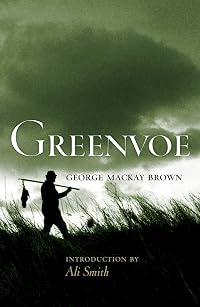
Greenvoe
by George Mackay Brown
On This Page
Description
Greenvoe, the tight-knit community on the Orcadian island of Hellya, has existed unchanged for generations, but Operation Black Star requires the island for unspecified purposes and threatens the islanders' way of life. A whole host of characters - The Skarf, failed fishermen and Marxist historian; Ivan Westray, boatman and dallier; pious creeler Samuel Whaness; drunken fishermen Bert Kerston; earth-mother Alice Voar, and meths-drinker Timmy Folster - are vividly brought to life in this show more sparkling mixture of prose and poetry.In the end Operation Black Star fails, but not before it has ruined the island; but the book ends on a note of hope as the islanders return to celebrate the ritual rebirth of Hellya. show lessTags
Recommendations


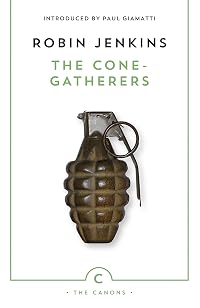

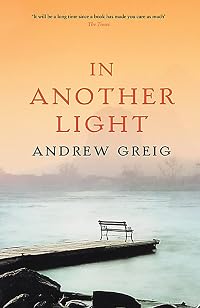
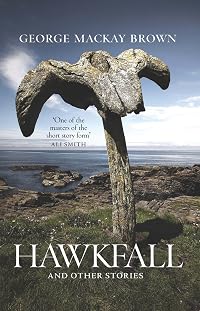

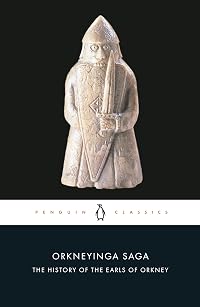





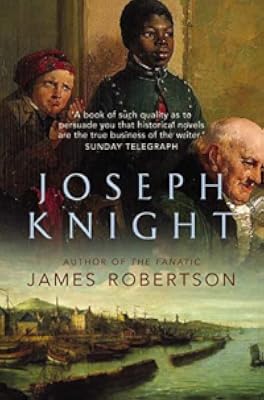
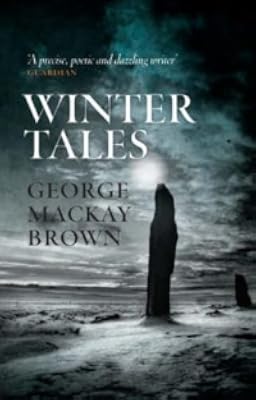


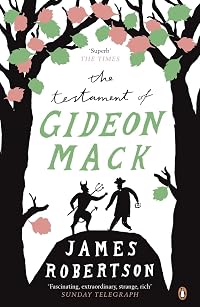
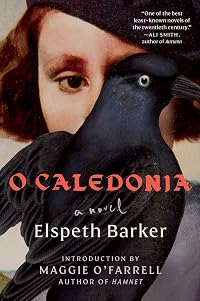

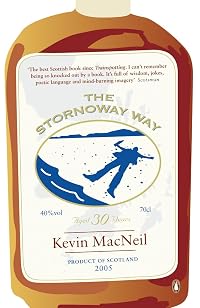

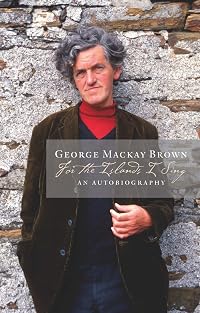


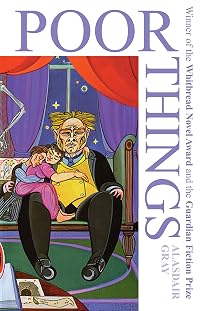
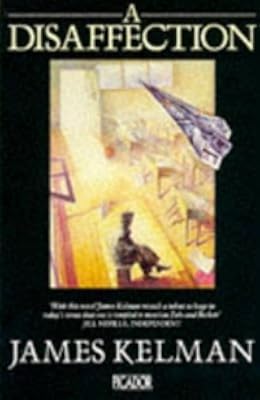

Member Recommendations
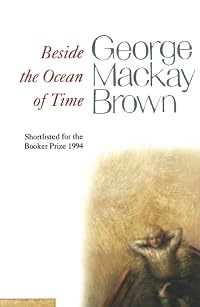
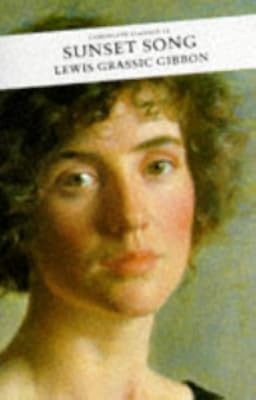
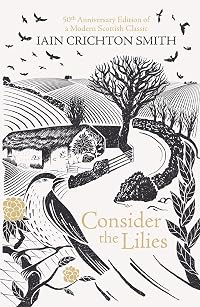
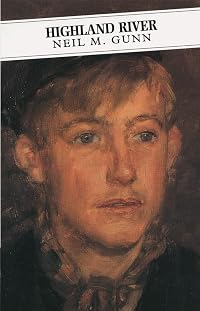
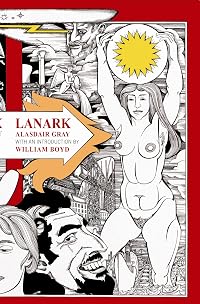
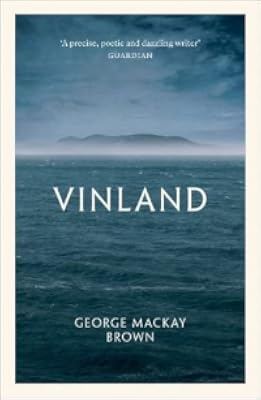
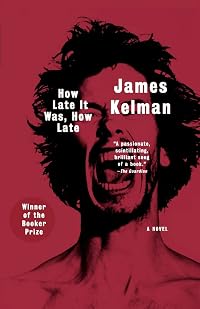
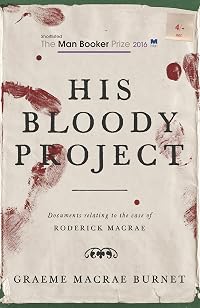
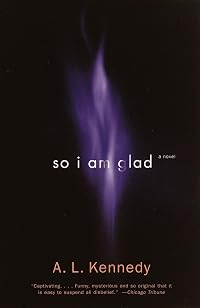
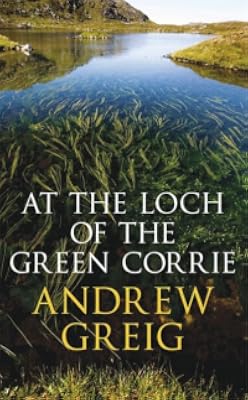
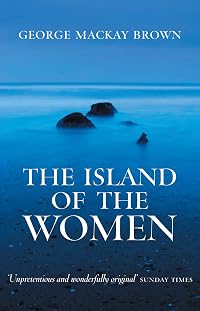
hazzabamboo Both poetic and humorous snapshots of small rural communities - and both superb.
Member Reviews
Having recently read a biography of George Mackay Brown I wanted to follow-up by reading one of his most celebrated novels, Greenvoe. The novel tells the tale of the last days of the tight-knit community on the Orcadian island of Hellya, a way of life that has existed unchanged for generations. This existence is destroyed by the arrival of a sinister government project — Operation Black Star.
It’s always interesting reading an author’s work after reading their biography and seeing echoes of the author’s own life. Greenvoe is full of them. The outsider in the small community, the student who takes to drink, the night in the cells and the policeman knocking on the door in the middle of the night, the young muse in the Rose show more Street pubs. These are all taken from GMB’s own life.
For me the book really started to come to life with the brief visit of the door-to-door salesman Dewas (Johnny) Singh who quite literally brings a splash of colour to the island. Johnny’s silks and paisley print pyjamas clash with the grey life of the village and the vests, waders and woollens of the grocery store. In his letter to his uncle he adds much-needed background detail to the lives of the principal characters.
It’s interesting that few of the characters in the novel are fleshed-out; with those that are being the ‘outsiders’. GMB paints the Minister and his mother with most detail and sensitivity: she battles with her inner demons and he battles alcoholism. Both of these were familiar to George Mackay Brown.
The story is told with beautiful, poetic, language and a concern for the environment reflecting a movement that was becoming more common around the time the book was published (1972). show less
It’s always interesting reading an author’s work after reading their biography and seeing echoes of the author’s own life. Greenvoe is full of them. The outsider in the small community, the student who takes to drink, the night in the cells and the policeman knocking on the door in the middle of the night, the young muse in the Rose show more Street pubs. These are all taken from GMB’s own life.
For me the book really started to come to life with the brief visit of the door-to-door salesman Dewas (Johnny) Singh who quite literally brings a splash of colour to the island. Johnny’s silks and paisley print pyjamas clash with the grey life of the village and the vests, waders and woollens of the grocery store. In his letter to his uncle he adds much-needed background detail to the lives of the principal characters.
It’s interesting that few of the characters in the novel are fleshed-out; with those that are being the ‘outsiders’. GMB paints the Minister and his mother with most detail and sensitivity: she battles with her inner demons and he battles alcoholism. Both of these were familiar to George Mackay Brown.
The story is told with beautiful, poetic, language and a concern for the environment reflecting a movement that was becoming more common around the time the book was published (1972). show less
I bought myself the book when visiting Orkney earlier this year, and picked up a CD of it performed thanks to an adaptation by Alan Plater, which I gave to my friend Barnesey. He listened to his CD before I got round to reading the book, and he really enjoyed it. I'd read "Vinland" a few months ago, so I knew that I was in for a poetic treat. And I was - GMB has a style that almost makes me weep it's so appealing.
Like "Under Milk Wood", it presents you with interwoven lives of the young, old, middle-aged and the very young and the fun is just getting to know the characters, being with them inside their heads and seeing them observing one another. There are extraordinarily brilliant lengthy passages, of which a favourite for me, towards show more the end, was Sam Whaness' very own "Book VI" of sorts! But there are gorgeous observations all the way through, right from the people speaking in low voices like water lapping on stones, at the beginning, to the talkative silence of the women at Mrs Evie's shop.
By the end, I was sharing the island's weariness - not because I was tired of the book, heck no! - just because of what was happening to the characters. The writing, meanwhile, kept up its freshness: horse-face distributing alms, railed by the Communist; the index cards discovered by Tommy - and how they so suddenly turned the Communist's fortunes; the sea's constancy throughout, the cliffs, the birds and the animals.
As for the Lord of the Harvest stuff - I was bewildered, but I realise it's The Horseman's Word. When I was in Stromness, I heard about the beekeepers and Masons, so perhaps it's a nod to them. As for the Black Star fella, he made me think of three chaps on bikes I also heard about, who were fiddling the Scottish referendum results for the Government. I wonder what GMB was basing it on c.1972...
First novel too. show less
Like "Under Milk Wood", it presents you with interwoven lives of the young, old, middle-aged and the very young and the fun is just getting to know the characters, being with them inside their heads and seeing them observing one another. There are extraordinarily brilliant lengthy passages, of which a favourite for me, towards show more the end, was Sam Whaness' very own "Book VI" of sorts! But there are gorgeous observations all the way through, right from the people speaking in low voices like water lapping on stones, at the beginning, to the talkative silence of the women at Mrs Evie's shop.
By the end, I was sharing the island's weariness - not because I was tired of the book, heck no! - just because of what was happening to the characters. The writing, meanwhile, kept up its freshness: horse-face distributing alms, railed by the Communist; the index cards discovered by Tommy - and how they so suddenly turned the Communist's fortunes; the sea's constancy throughout, the cliffs, the birds and the animals.
As for the Lord of the Harvest stuff - I was bewildered, but I realise it's The Horseman's Word. When I was in Stromness, I heard about the beekeepers and Masons, so perhaps it's a nod to them. As for the Black Star fella, he made me think of three chaps on bikes I also heard about, who were fiddling the Scottish referendum results for the Government. I wonder what GMB was basing it on c.1972...
First novel too. show less
Greenvoe is a haunting novel of destruction and survival in island village of Scotland. Greenvoe is a quiet village on the fictional island of Hellya in the Orkneys, where not much happens and life revolves around the fish, the inn, and the ferry. A cast of characters ranging from atheists and drunks to teetotaler Presbyterians populate the island. My favorite was probably the minister's mother who watches her judgement day play out before her eyes. But the introduction of a mysterious visitor presages the doom of the last chapter.
The bulk of the book is a interesting study of everyday village life. The drama of the mundane, so to speak. The children go to school, their mothers visit the store and deal with the bitter shopkeeper's wife, show more and their fathers go to sea (or not). There are moments of change, such as when the travelling salesman comes for his yearly visit, but overall little interrupts the passage of time until Project Black Star brings it to a sudden end. But even in the darkest night, there is light.
An interesting novel, full of local color. Brown spent most of his life in the Orkneys, and his grasp of the people is masterful. show less
The bulk of the book is a interesting study of everyday village life. The drama of the mundane, so to speak. The children go to school, their mothers visit the store and deal with the bitter shopkeeper's wife, show more and their fathers go to sea (or not). There are moments of change, such as when the travelling salesman comes for his yearly visit, but overall little interrupts the passage of time until Project Black Star brings it to a sudden end. But even in the darkest night, there is light.
An interesting novel, full of local color. Brown spent most of his life in the Orkneys, and his grasp of the people is masterful. show less
a warm but unsentimental insight into a remote, unchanging and, despite its history, apparently unchangeable Orkney community and the forces within it which tear it apart so swiftly when the outside world intervenes. But the world moves on and the old may yet reassert its power. The narrative is slightly uneven but maintains its power to enthrall. 31 Jan 2016.
All of George Mackay Brown's works are steeped in the cultures and traditions of his native Orkney Islands, and this, his first novel, is no exception. The community of Greenvoe and the island of Hellya are fictional composites but the lifestyles and experiences he describes are real if somewhat caricatured - Mackay Brown writes with warmth and humour and his background as a poet is often apparent
Set in Orkney, that most magical and romantic of island groups.
This novel gives a romantic and nostalgic view of the Greenvoe community, followed by the destruction of the community with the coming of the black star (oil industry) and the impact on the people and the island. Very powerful and moving and beautiful language.
This novel gives a romantic and nostalgic view of the Greenvoe community, followed by the destruction of the community with the coming of the black star (oil industry) and the impact on the people and the island. Very powerful and moving and beautiful language.
Greenvoe, the community on the Orkney island of Hellya, has existed unchanged for generations. In this, his first novel, George Mackay Brown has recreated a week in its life, mixing history with personality - from minister to marxist - in a brilliantly sparkling mixture of prose and poetry. - jacket notes.
Members
- Recently Added By
Lists

Books Set in Great Britain
191 works; 13 members

1970s
657 works; 23 members

Books Set on Islands
190 works; 24 members
Author Information

77+ Works 1,905 Members
Some Editions
Awards and Honors
Notable Lists
Common Knowledge
- Canonical title
- Greenvoe
- Original title
- Greenvoe
- Original publication date
- 1972
- Important places
- Orkney, Scotland, UK
- First words
- Slowly the night shadow passed from the island and the Sound.
Classifications
Statistics
- Members
- 217
- Popularity
- 150,814
- Reviews
- 7
- Rating
- (3.93)
- Languages
- English, German, Italian
- Media
- Paper, Ebook
- ISBNs
- 12
- ASINs
- 6