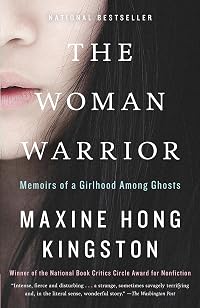
The Woman Warrior: Memoirs of a Girlhood Among Ghosts
by Maxine Hong Kingston
On This Page
Description
NATIONAL BESTSELLER • An exhilarating blend of autobiography and mythology, of world and self, of hot rage and cool analysis. First published in 1976, it has become a classic in its innovative portrayal of multiple and intersecting identities—immigrant, female, Chinese, American. • NATIONAL BOOK CRITICS CIRCLE AWARD WINNER “A classic, for a reason.” —Celeste Ng, bestselling author of Little Fires Everywhere and Our Missing Hearts , via Twitter As a girl, Kingston lives show more in two confounding worlds: the California to which her parents have immigrated and the China of her mother’s “talk stories.” The fierce and wily women warriors of her mother’s tales clash jarringly with the harsh reality of female oppression out of which they come. Kingston’s sense of self emerges in the mystifying gaps in these stories, which she learns to fill with stories of her own. A warrior of words, she forges fractured myths and memories into an incandescent whole, achieving a new understanding of her family’s past and her own present. show lessTags
Recommendations
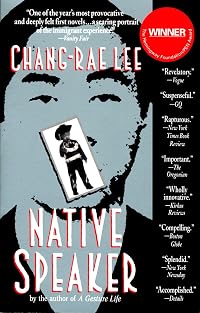
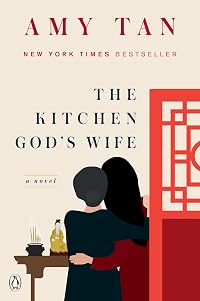
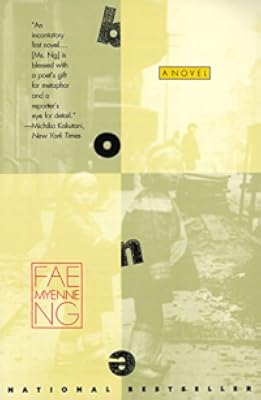
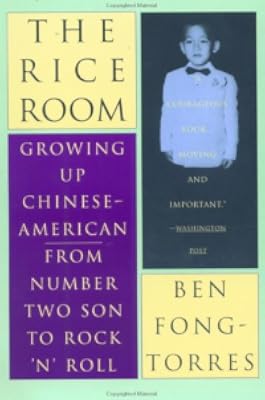


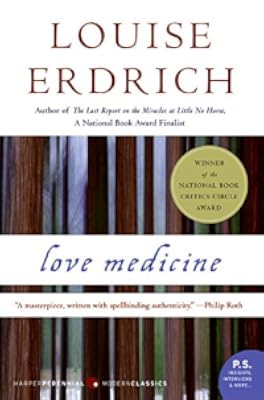
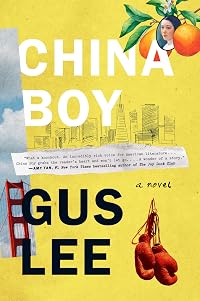
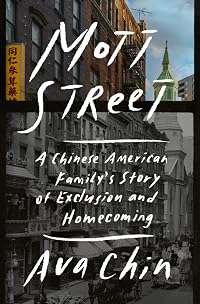
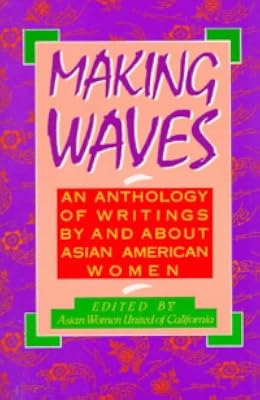
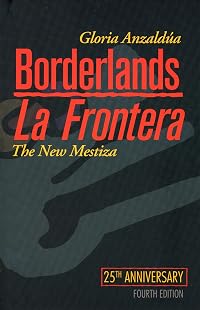
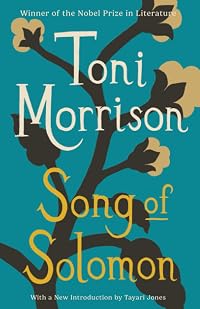
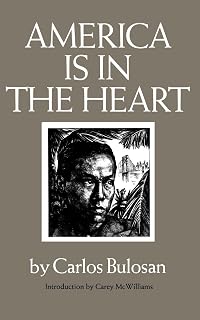
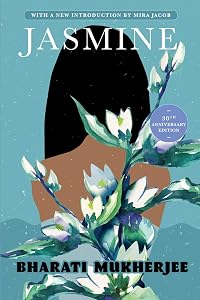
Member Recommendations
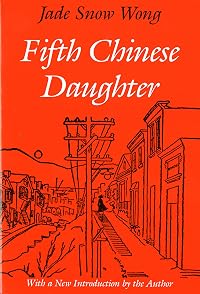
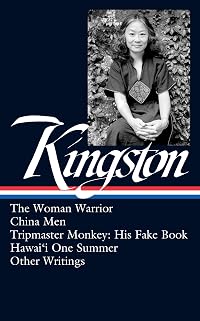
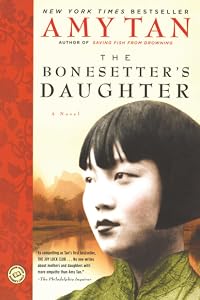
cransell Another memoir by a Chinese-American woman. Both are very good.
anonymous user The first widely read Asian American book written by a woman, blending memoir, fiction and legend.
Member Reviews
''I inspired my army, and I fed them. At night I sang to them glorious songs that came out of the sky and into my head. When I opened my mouth, the songs poured out and were loud enough for the whole encampment to hear, my army stretched out for a mile.''
A young girl lives among ghosts, standing at the crossroads. Her mother is a formidable woman, a doctor and a shaman, who tries to communicate with her children through the myths of their homeland. But the child is confused, she doesn't know where she belongs, if she belongs at all. Chinese traditions seem to teach and suffocate her at the same time and the American way does not speak to her heart. Tradition isn't always the answer and change is necessary. And the mother uses myths as a show more warning and reminder of a past that is now lost. But the young girl has questions. Why is that a woman is always the one to blame? Why can't she love and live in peace? Why must we always be the victims of prejudices and regimes? Why is a woman warrior obliged to disguise herself as a man to protect her life? Do we not have the right to defend ourselves and decide our future? In many parts of the world, the answer is still a firm ''NO''.
''I've found some places in this country that are ghost-free.''
In a superbly beautiful memoir, Kingston presents a community whose memories have disappeared. Families are broken, husbands abandon their wives, children are at a loss and everyone becomes ''people one read about in a book.'' Assimilation seems impossible in a land that is faced with the Second World War and then, tries hard to recover. Kingston brilliantly blends Chinese folklore with autobiographical episodes and doesn't shy away from demonstrating her own cruelty as a teenager who was confused, enraged and exhausted by the rules, the codes, the lack of communication and the pressure of following in her mother's footsteps. The only refuge is ''talking-story''. In stories, in imagination and in creating distance between her and her family lies the chance for independence.
Divided into five episodes, Kingston's memoir is a deeply personal commentary on womanhood, culture, folklore and the struggle of breaking free from what keeps you chained and gagged.
No Name Woman: In one of the most haunting, terrifying chapters I've ever read, Kingston narrates the story of her aunt, the woman without a name, the sinner who must be forgotten, who never existed.
White Tigers: Kingston gives voice to the legendary heroine Fa Mu Lan whose presence permeates the memoir, walking side-by-side with the countless ghosts.
Shaman: The writer takes us back to her mother's youth, her decision to follow her inclination and become a doctor. However, her most important gift is the ability to stand up to ghosts and exorcise them...
At the Western Palace: In an episode that is both tender and bitter, the mother's sister arrives in the USA to confront her husband. There is an elegant sense of humor at the beginning of the chapter that becomes darker and darker until the shocking end.
A Song for a Barbarian Reed Pipe: The winter goes back to her teenage years, her awful days at schools, her rage that led to unacceptable behaviour towards a classmate, the presence of witches and hags in the community. I was astonished by the candour and vehement rage of this chapter.
If you choose to read one memoir in your life, let this be the one.
''Always hungry, always needing, she would have to beg food from other ghosts, snatch and steal it from those whose living descendants give them gifts. She would have to fight the ghosts massed at the crossroads for the buns a few thoughtful citizens leave to decoy her away from village and home so that the ancestral spirits could feast unharassed.
[...] My aunt remains forever hungry. Goods are not distributed evenly among the dead.''
''We're all under the same sky and walk the same earth; we're alive together during the same moment.''
*I would like to dedicate this review to my amazing colleague and dear friend, Eva, who is always full of bookish surprises and glorious ideas!! Thank you for everything!*
My reviews can also be found on https://theopinionatedreaderblog.wordpress.com/ show less
A young girl lives among ghosts, standing at the crossroads. Her mother is a formidable woman, a doctor and a shaman, who tries to communicate with her children through the myths of their homeland. But the child is confused, she doesn't know where she belongs, if she belongs at all. Chinese traditions seem to teach and suffocate her at the same time and the American way does not speak to her heart. Tradition isn't always the answer and change is necessary. And the mother uses myths as a show more warning and reminder of a past that is now lost. But the young girl has questions. Why is that a woman is always the one to blame? Why can't she love and live in peace? Why must we always be the victims of prejudices and regimes? Why is a woman warrior obliged to disguise herself as a man to protect her life? Do we not have the right to defend ourselves and decide our future? In many parts of the world, the answer is still a firm ''NO''.
''I've found some places in this country that are ghost-free.''
In a superbly beautiful memoir, Kingston presents a community whose memories have disappeared. Families are broken, husbands abandon their wives, children are at a loss and everyone becomes ''people one read about in a book.'' Assimilation seems impossible in a land that is faced with the Second World War and then, tries hard to recover. Kingston brilliantly blends Chinese folklore with autobiographical episodes and doesn't shy away from demonstrating her own cruelty as a teenager who was confused, enraged and exhausted by the rules, the codes, the lack of communication and the pressure of following in her mother's footsteps. The only refuge is ''talking-story''. In stories, in imagination and in creating distance between her and her family lies the chance for independence.
Divided into five episodes, Kingston's memoir is a deeply personal commentary on womanhood, culture, folklore and the struggle of breaking free from what keeps you chained and gagged.
No Name Woman: In one of the most haunting, terrifying chapters I've ever read, Kingston narrates the story of her aunt, the woman without a name, the sinner who must be forgotten, who never existed.
White Tigers: Kingston gives voice to the legendary heroine Fa Mu Lan whose presence permeates the memoir, walking side-by-side with the countless ghosts.
Shaman: The writer takes us back to her mother's youth, her decision to follow her inclination and become a doctor. However, her most important gift is the ability to stand up to ghosts and exorcise them...
At the Western Palace: In an episode that is both tender and bitter, the mother's sister arrives in the USA to confront her husband. There is an elegant sense of humor at the beginning of the chapter that becomes darker and darker until the shocking end.
A Song for a Barbarian Reed Pipe: The winter goes back to her teenage years, her awful days at schools, her rage that led to unacceptable behaviour towards a classmate, the presence of witches and hags in the community. I was astonished by the candour and vehement rage of this chapter.
If you choose to read one memoir in your life, let this be the one.
''Always hungry, always needing, she would have to beg food from other ghosts, snatch and steal it from those whose living descendants give them gifts. She would have to fight the ghosts massed at the crossroads for the buns a few thoughtful citizens leave to decoy her away from village and home so that the ancestral spirits could feast unharassed.
[...] My aunt remains forever hungry. Goods are not distributed evenly among the dead.''
''We're all under the same sky and walk the same earth; we're alive together during the same moment.''
*I would like to dedicate this review to my amazing colleague and dear friend, Eva, who is always full of bookish surprises and glorious ideas!! Thank you for everything!*
My reviews can also be found on https://theopinionatedreaderblog.wordpress.com/ show less
Kingston is a master at weaving first, second, and third voices into a memoir filled with anicient Chinese folklore and cautionary tales about womanhood. I felt a lot of sadness in Woman Warrior. The tragedy starts early in as Kingston describes her mother, a former Chinese doctor, telling a horrifying tale about an aunt giving birth to a sexless child in a pigsty and then committing suicide with that baby; drowning together in a well. There was such shame in this pregnancy, "To save her inseminator's name she gave a silent birth" (p 14). So much contradiction in culture! There is a crime to being born female and yet there is the story of the fierce woman warrior, the legend of the female avenger. My favorite parts were when Kingston show more addresses the difference between American-feminine and Chinese-feminine. show less
"The Woman Warrior" is an early example of the "midlife memoir" genre and it's a classic of the form, a far more serious and purposeful piece of work than most of the books that bear that description. Hong Kingston's writing is at once impressively fluid and forceful, and reading it sometimes feel like seeing a long-silenced personality suddenly bloom on paper. The author also does an excellent job of illustrating her precarious cultural position. She's caught between two societies she can't gain access to: an emmigrant Chinese society whose rules she can neither inquire about nor understand and a white American "ghost" world that does not entirely accept her. She's aware that she's likely to remain an outsider looking in, but she also show more avoids the navel-gazing that plagues so much of this genre. Her book is, in some ways, the cultural history of an entire community. Telling a story larger than herself, Hong Kignston includes whole chunks of Chinese mythology in her narrative and recounts the fates of many of the relatives who emigrated with her. Some of her relatives were unprepared to deal with the seismic changes that awaited them in their new home and met with crushing disappointment; if anything "The Woman Warrior" demonstrates how tenaciously people can hold on to the cultures and social structures they were born into and how profound the differences between East and West can sometimes be. Other migrants, like the author's parents, display superhuman amounts of personal resilience and an awe-inspiring capacity for work, leaving the author feeling guilty, grateful, and a little excluded.
The book also makes excellent use of the silence that once permeated the author´s childhood and adolescence. From the language barriers that separate many of the book's characters American society to her family's prohibition on speaking during mealtime to the a family history that sometimes too painful to discuss, silence plays a major role in this personal history, and it's hard to name another writer that does so much with what might be termed "negative literary space." "The Woman Warrior" could also be read as Hong Kingston's own brave attempt to take a meticulous personal inventory and to understand her cultural origins, even if she knows that some of them are likely to remain beyond her understanding. As she tries to fill in the empty spaces that have haunted her since childhood, the author displays a steadfast faith in the power of narrative to create order, and we should perhaps be grateful for the fact that the author's domineering mother was a masterful storyteller who "story talked" for hours while leaving a great deal unsaid. The end product of this difficult upbringing and the author`s own considerable literary talents is "The Woman Warrior," and it's a fantastic read and a book that might change the way you look at every immigrant's experience. Highly recommended. show less
The book also makes excellent use of the silence that once permeated the author´s childhood and adolescence. From the language barriers that separate many of the book's characters American society to her family's prohibition on speaking during mealtime to the a family history that sometimes too painful to discuss, silence plays a major role in this personal history, and it's hard to name another writer that does so much with what might be termed "negative literary space." "The Woman Warrior" could also be read as Hong Kingston's own brave attempt to take a meticulous personal inventory and to understand her cultural origins, even if she knows that some of them are likely to remain beyond her understanding. As she tries to fill in the empty spaces that have haunted her since childhood, the author displays a steadfast faith in the power of narrative to create order, and we should perhaps be grateful for the fact that the author's domineering mother was a masterful storyteller who "story talked" for hours while leaving a great deal unsaid. The end product of this difficult upbringing and the author`s own considerable literary talents is "The Woman Warrior," and it's a fantastic read and a book that might change the way you look at every immigrant's experience. Highly recommended. show less
This is the memoir of a Chinese-American girl, primarily concerning her relationship with her mother. I loved it. It's a great set of stories about cultural assimilation, about trying to bridge yourself between two worlds, the world of your family and the world everyone else belongs to. How do you make sense of what your mother tells you when everyone else tells you something else? Kingston works these stories into her own life in a variety of fashions, whether it be imagining what life was like back in China and what significance it has for her, or weaving her own experiences into the legend of Fa Mu Lan. But when you come down to it, there's a level on which all the cultural stuff it just trappings; this is the tale of a child trying show more to figure out her parents, a tale of us have to reenact in our own lives. Kingston does her best, and the result is a compelling portrait of a woman filled with contradictions, a woman who shaped Kingston in ways she had never imagined. show less
This is an extraordinary book. It is a memoir of Kingston's childhood and adolescence, interspersed with Chinese legends featuring women.
There is no question that it requires committed reading, especially at the beginning where the line is blurry between reality and "talk-stories", or cultural myths (including that of Mulan, of Disney fame). This confusion is further complicated by Kingston's use of the first, second and third person narrative voices. But the rewards are worth the effort, as we become part of her unique experience. “Those of us in the first American generations have had to figure out how the invisible world the emigrants built around our childhoods fits in solid America.”
There seem to have been two reactions to show more this book when it was first published. It won the National Book Critics Circle Award, no small achievement. But it was also dissed by a number of Chinese-American critics who felt her interpretations of the Chinese-American experience lacked authenticity.
From what I've been able to determine by a quick internet search, those critics were primarily male, which brings us to a key element of this book: It is not simply an exploration of the overall first generation Chinese-American experience, it is a specific Chinese-American woman's experience.
I would posit that any memoir legitimately reflects the life of the person writing and no one else. This 2017 quote from a much younger Chinese-American author, Angela Chen, who avoided reading [b:The Woman Warrior|30852|The Woman Warrior|Maxine Hong Kingston|https://i.gr-assets.com/images/S/compressed.photo.goodreads.com/books/1541333110l/30852._SY75_.jpg|1759] for many years expresses that opinion more elegantly than I can: "But taken off this pedestal, the innovations and craft of The Woman Warrior become more apparent. It is a complex account of what it was like to be Kingston, writing about experiences at a time that few others did. It is the personal and not the general. It is not template, not beginning or end."
This came to be my first read of 2021 by chance. I recently listened to a series of lectures about American best sellers through the centuries, and the only book that I hadn't already read that piqued my curiosity was [b:The Woman Warrior|30852|The Woman Warrior|Maxine Hong Kingston|https://i.gr-assets.com/images/S/compressed.photo.goodreads.com/books/1541333110l/30852._SY75_.jpg|1759]. I'm so glad it did; it was a great way to begin the year. show less
There is no question that it requires committed reading, especially at the beginning where the line is blurry between reality and "talk-stories", or cultural myths (including that of Mulan, of Disney fame). This confusion is further complicated by Kingston's use of the first, second and third person narrative voices. But the rewards are worth the effort, as we become part of her unique experience. “Those of us in the first American generations have had to figure out how the invisible world the emigrants built around our childhoods fits in solid America.”
There seem to have been two reactions to show more this book when it was first published. It won the National Book Critics Circle Award, no small achievement. But it was also dissed by a number of Chinese-American critics who felt her interpretations of the Chinese-American experience lacked authenticity.
From what I've been able to determine by a quick internet search, those critics were primarily male, which brings us to a key element of this book: It is not simply an exploration of the overall first generation Chinese-American experience, it is a specific Chinese-American woman's experience.
I would posit that any memoir legitimately reflects the life of the person writing and no one else. This 2017 quote from a much younger Chinese-American author, Angela Chen, who avoided reading [b:The Woman Warrior|30852|The Woman Warrior|Maxine Hong Kingston|https://i.gr-assets.com/images/S/compressed.photo.goodreads.com/books/1541333110l/30852._SY75_.jpg|1759] for many years expresses that opinion more elegantly than I can: "But taken off this pedestal, the innovations and craft of The Woman Warrior become more apparent. It is a complex account of what it was like to be Kingston, writing about experiences at a time that few others did. It is the personal and not the general. It is not template, not beginning or end."
This came to be my first read of 2021 by chance. I recently listened to a series of lectures about American best sellers through the centuries, and the only book that I hadn't already read that piqued my curiosity was [b:The Woman Warrior|30852|The Woman Warrior|Maxine Hong Kingston|https://i.gr-assets.com/images/S/compressed.photo.goodreads.com/books/1541333110l/30852._SY75_.jpg|1759]. I'm so glad it did; it was a great way to begin the year. show less
Probably most intriguing about the structure of Maxine Hong Kingston’s Woman Warrior, beginning with "No Name Woman” and ending in A Song for a Barbarian Reed Pipe,” is that it characterizes Maxine Hong Kingston’s memoir, told in the interesting format of non-sequential episodes, as one that begins in oppressed silence but ends in universal song.
When looking at the three woman warrior figures in the book – her aunt, the No Name Woman; the rewritten legendary warrior in “White Tigers” (based upon the Mulan legend); and the poet and barbarian captive, Ts’ai Yen – the characteristics that unite them all are their determined attempts at asserting their own kinds of power, femininity, and individuality in patriarchal show more Chinese society.
The methods through which they do so revolve around words written, spoken, or not spoken: from the silence practiced by No Name Woman, to the words written on the warrior’s back, to the songs created by Ts’ai Yen and, finally, to the stories that Kingston as the author uses to find the marks of the woman warrior within herself, and to do so in a way that allows the readers insight into a life that even the narrator is grappling to understand.
The words that open Woman Warrior, which begins with the story of No Name Woman, are quite interestingly an admonition of silence: “’You must not tell anyone,’ my mother said, ‘what I am about to tell you’” (3). This admonition signifies a promise, and a breaking of a promise: The narrator’s mother Brave Orchid is showing courage and confidence in her daughter by sharing something that should not be remembered, yet at the same time, her mother is breaking the silence surrounding her sister-in-law, the titled No Name Woman. This is one of the first of many of the narrator’s mother’s talk-stories, ones that were told with a purpose to aid her children in life events, while sealing the bond between child and mother.
The story of the woman warrior, who is the protagonist of “White Tigers,” is created in history and then transformed by the narrator into one of triumph through the breaking of silences. Inspired by Kingston’s childhood and the stories of Yue Fei and Mulan, the chapter becomes another way for the narrator to celebrate the breaking of silences, something that continues throughout the book.
This union between mother and daughter the novel can be seen as the compromise of generations, an idea carried out in Kingston’s appropriation of myths and stories seen in the retelling of these woman warriors. Her mother, in fact, is the narrator’s guide of the methods in which to appropriate talk-stories for her own purposes. Kingston’s retellings are part of the idea that a culture growing up in one country can appropriate the lessons of their parents, who grew up in another. It is the idea and the hope that stories created by a patriarchal culture can still make room for its daughters, ultimately one the most important ideas Kingston communicates in her beautifully rendered book. show less
When looking at the three woman warrior figures in the book – her aunt, the No Name Woman; the rewritten legendary warrior in “White Tigers” (based upon the Mulan legend); and the poet and barbarian captive, Ts’ai Yen – the characteristics that unite them all are their determined attempts at asserting their own kinds of power, femininity, and individuality in patriarchal show more Chinese society.
The methods through which they do so revolve around words written, spoken, or not spoken: from the silence practiced by No Name Woman, to the words written on the warrior’s back, to the songs created by Ts’ai Yen and, finally, to the stories that Kingston as the author uses to find the marks of the woman warrior within herself, and to do so in a way that allows the readers insight into a life that even the narrator is grappling to understand.
The words that open Woman Warrior, which begins with the story of No Name Woman, are quite interestingly an admonition of silence: “’You must not tell anyone,’ my mother said, ‘what I am about to tell you’” (3). This admonition signifies a promise, and a breaking of a promise: The narrator’s mother Brave Orchid is showing courage and confidence in her daughter by sharing something that should not be remembered, yet at the same time, her mother is breaking the silence surrounding her sister-in-law, the titled No Name Woman. This is one of the first of many of the narrator’s mother’s talk-stories, ones that were told with a purpose to aid her children in life events, while sealing the bond between child and mother.
The story of the woman warrior, who is the protagonist of “White Tigers,” is created in history and then transformed by the narrator into one of triumph through the breaking of silences. Inspired by Kingston’s childhood and the stories of Yue Fei and Mulan, the chapter becomes another way for the narrator to celebrate the breaking of silences, something that continues throughout the book.
This union between mother and daughter the novel can be seen as the compromise of generations, an idea carried out in Kingston’s appropriation of myths and stories seen in the retelling of these woman warriors. Her mother, in fact, is the narrator’s guide of the methods in which to appropriate talk-stories for her own purposes. Kingston’s retellings are part of the idea that a culture growing up in one country can appropriate the lessons of their parents, who grew up in another. It is the idea and the hope that stories created by a patriarchal culture can still make room for its daughters, ultimately one the most important ideas Kingston communicates in her beautifully rendered book. show less
Many people have criticized this book for being confusing, being too much of a mix between memoir, legend, and fiction - but that's what makes this book wonderful. Hong Kingston takes Chinese legend and mixes it with her mother's stories and her own childhood memories, and what's real and isn't real is often unclear. The qualities of magical realism convey beautifully the sense of growing up on the border between two cultures: Hong Kingston describes her and her fellow American Born Chinese as "half-ghosts," not quite an American, but not quite Chinese either. To Hong Kingston, China is very real in her family and the different crazy beliefs her mother has, but it's also a mystery, a legend far away on the other side of the world that show more she can taste in her mother's talk-stories but cannot quite understand.
As a Chinese American myself, this memoir hit me in all the right places in my own search for identity, while also giving insight on growing up as a 2nd generation Chinese American in the 40s and 50s. Many have also criticized the book for trying too hard to be representative of the Chinese American experience, or for perpetuating negative stereotypes, but that's only the case if you read it that way. In the end, this is Hong Kingston's experience, the environment she grew up in, and her personal beliefs and paradigm, and if the reader keeps that in mind then this book is a wonderfully written, engaging look into Hong Kingston's life. show less
As a Chinese American myself, this memoir hit me in all the right places in my own search for identity, while also giving insight on growing up as a 2nd generation Chinese American in the 40s and 50s. Many have also criticized the book for trying too hard to be representative of the Chinese American experience, or for perpetuating negative stereotypes, but that's only the case if you read it that way. In the end, this is Hong Kingston's experience, the environment she grew up in, and her personal beliefs and paradigm, and if the reader keeps that in mind then this book is a wonderfully written, engaging look into Hong Kingston's life. show less
Members
- Recently Added By
Lists

Books recommended by Barack Obama
295 works; 28 members

Memoirs - Mary Karr
14 works; 1 member

Obama Reads
181 works; 3 members

50 Books by Women Authors
50 works; 10 members

500 Great Books by Women
507 works; 60 members

100 Biographies and Memoirs to Read in a (Single) Lifetime
98 works; 12 members

Asian American Literature
46 works; 6 members
The College Board: 101 Great Books Recommended for College-Bound Readers
111 works; 7 members

BookTok Adult
115 works; 2 members

College Reads (Lit Edition)
75 works; 5 members

AP Lit
363 works; 6 members

History: Asia
103 works; 1 member

Recommended Reading : 600 Classics Reviewed, Editors of Salem Press, 2015
634 works; 6 members
Author Information

16+ Works 8,033 Members
Born in California to immigrant Chinese parents, Kingston was educated at the University of California at Berkeley. Kingston soared to literary celebrity upon the publication of her autobiographica The Woman Warrior: Memoirs of a Girlhood among Ghosts (1976). The Woman Warrior is dominated by Kingston's mother; her next work, China Men (1980), show more although not autobiographical in the manner of her previous book, is focused on her father and on the other men in her family, giving fictionalized, poetic versions of their histories. The combination of fiction, nonfiction, memoir, and myth in both books create a form of balanced opposites that one critic has likened to yin and yang. Her first novel, Tripmaster Monkey: His Fake Book, was published in 1989. (Bowker Author Biography) show less
Some Editions
Awards and Honors
Awards
Distinctions
Notable Lists
Series
Belongs to Publisher Series
Work Relationships
Is contained in
Is abridged in
Has as a reference guide/companion
Has as a study
Has as a student's study guide
Has as a teacher's guide
Common Knowledge
- Canonical title*
- Die Schwertkämpferin
- Original title
- The Woman Warrior: Memoirs of a Girlhood Among Ghosts
- Original publication date
- 1975; 1982 (Germany) (Germany)
- People/Characters
- Maxine Hong Kingston; Brave Orchid; Moon Orchid
- Important places
- California, USA
- Dedication
- To Mother and Father
- First words
- "You must not tell anyone," my mother said, "what I am about to tell you."
- Last words
- (Click to show. Warning: May contain spoilers.)It translated well.
- Blurbers
- Kramer, Jane; Leonard, John; McPherson, William; Gray, Paul; Clemons, Walter; Miller, Alicia Metcalf
- Original language
- English
*Some information comes from Common Knowledge in other languages. Click "Edit" for more information.
Classifications
Statistics
- Members
- 5,478
- Popularity
- 2,449
- Reviews
- 75
- Rating
- (3.80)
- Languages
- 5 — Danish, Dutch, English, German, Spanish
- Media
- Paper, Audiobook, Ebook
- ISBNs
- 30
- ASINs
- 18