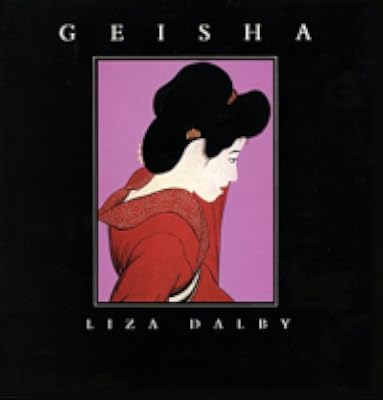
Geisha
by Liza Dalby
On This Page
Description
Discusses the geisha--practioners of music and dance and unmarried companions to the Japanese male elite.Tags
Recommendations



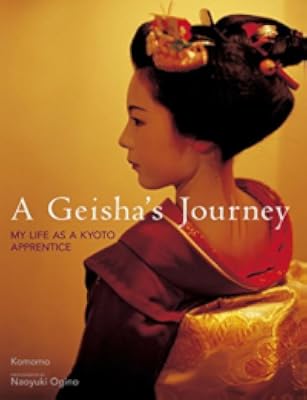


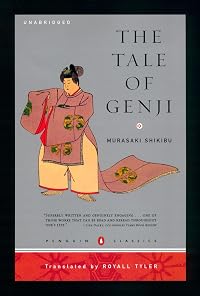
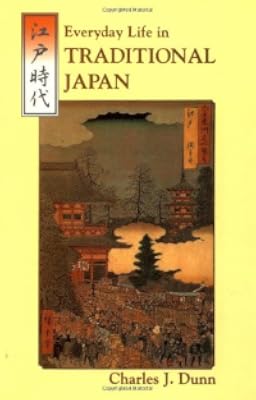
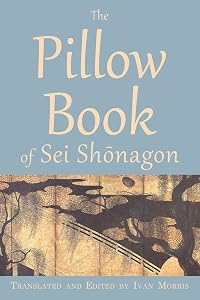
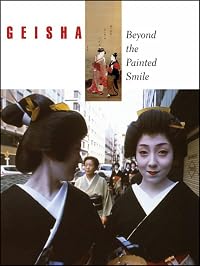








Member Recommendations
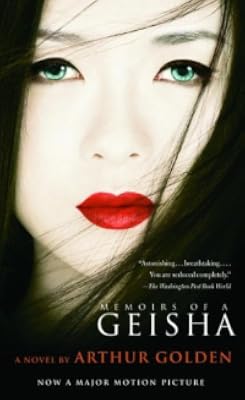
Leishai Arthur Golden schrieb einen Roman über Geishas. Mineko Iwasaki war die Geiko, die er dafür interviewte.
Sie stellt in ihrem Buch alles richtig, was er sich zu dramatischen Zwecken zurechtgeschnitten hat.
Member Reviews
I LOVED this book. I am a sociologist/anthropologist and her experience with the Geisha subculture of Japan was intriguing and had both a scientific and a personal view of their culture and life. If you are not studying Japan or are not an anthropologist I think this book would seem a bit dry, because it was her doctoral thesis and therefore is more for informational purposes rather than entertainment; that said, if you want a glimpse into a very interesting part of Japanese society, READ THIS BOOK!!
Miso
Miso
This was an excellent read! Far from dry and stuffy, Dalby has managed to convey the world of the Geisha in an entertaining and personal way. Her integration into the world also allowed a more in depth analysis - more than if she had simply been an outside observer. It is a shame that this profession is linked to the seedier side of paid companionship and entertainment, as there is true art and an acknowledgement of nature and ritual, central to life within even modern Japan.
I greatly enjoyed "The tale of Murasaki" and thought it presented the sensibilities of that period in an accurate and sensitive manner. Geisha is an outstanding piece of participant observation which brings the same sensitivity to the world of the 1970s. She treads the delicate path between identification and observation perfectly, and is an ideal interpreter of an aesthetic that is both attractive and baffling to a western mind. On top of this she writes with both facility and elegance, making the book an easy read.
I really enjoyed the first half or two-thirds of this book. After that, I think I just got to the point where there was so much information that it was losing me. However, I did finish the book--only to find that it has another one of those "drop-off" endings that I find to be so common for Asian stories. This is definitely THE resource for anyone interested in geishas and other aspects of Japanese culture. I am curious as to how "off" her information is...now that it's been 40 years or so since the info. was gathered, 35 years since the book was written, and almost 20 years since the revision. This book sheds a whole new light on Memoirs of a Geisha, which I should probably go back and reread now that I have some more background on the show more lifestyle. show less
This is a non-fiction book by an American woman who is an Anthropologist and has a history of living in Japan. She speaks the language, has Japanese friends, and understands the culture.
She chose the Geisha as a research subject for her thesis. This book is a narrative of her time with the Geisha, as well as a brief history of the Geisha within the Willow World (pleasure quarter), and the greater Japanese society. She doesn't include a lot of statistics, but summarizes some data. She was there in the 1970s, so the modern portion does not have current information but the book is still interesting and informative.
While conducting her research, she stays mostly in a Teahouse or Okiya in one of the hanamachi or Geisha districts in Kyoto, show more called Pontocho. She visits other teahouses in Kyoto, in Tokyo and in the country at a mineral springs resort. While in the teahouse in Pontocho she is accepted into the world of the Geisha and ends up working as one.
They lend her kimonos, help her dress and with her makeup, have her hair professionally done, and teach her the basics. She is the first westerner to ever work as a Geisha. Part of the book is looking at how the Geishas and their lives have changed, not just from long ago, but before the war, just after, and into the 70s. The changes in the Geisha world are presented against the changes in overall Japanese society. Geisha history is also presented, and is well done, not a bunch of dry dates.
At one time Geisha were actually bound to their Teahouse, because they were sold by their poor parents. They were expected to observe and learn as waitresses and buss-'boys' in the Teahouse. When they reached 12 or so, if they were good workers, seemed to learn well, and had a personable quality they would be sent to classes to develop a Geisha talent.
Geisha means a person of the arts, and they learn dancing, singing, and playing on traditional instruments. They often specialize in what suits their talent and interest best. Those that didn't make the cut as Geisha were sold to brothels to become prostitutes. In modern times older girls try out the life, but many find the hours and the discipline required too much and quit. Only a few continue with the training, trying to turn their lives into a work of art. Young Geisha in training in Kyoto are called Maiko. They become connected with an established Geisha, an older sister, who mentors them. More learning by observing and doing is required, as they go out and work with customers. Once they are ready they become Geisha themselves. In the past the Geisha's virginity was sold, in modern times she becomes old enough, and has spent 1-2 years as an apprentice.
New Geisha must pay off the debts accrued (mostly for Kimonos) by working for the Teahouse. Once the debts are paid, the Geisha can work for herself, but will still be affiliated with a Teahouse.
The relationship between Geisha and Teahouse has changed from the past to the modern day (70s). Geisha are no longer bound or enslaved, their house can't entrap them in loans, and they are more independent. They also can't start as young, because of child labor laws. While Geisha are considered repositories of ancient culture and tradition, and given respect, many parents do not want their daughter to become one.
Geisha can't be married, so they must give up a husband and children. They are also seen as old fashioned, and by some as repressed. Dalby explains the roles of Geisha and wife and how they are not in conflict, she also spends time explaining that as working, independent women they are not repressed. However in my view, the prime function of a Geisha is to use her art to cater to men. She is at the mercy of their whims, wants and attitudes. Many Geisha parties are given by professional men for business colleagues, and clients - an old boy Teahouse network, that generally excludes women and helps prevent their moving into top business and political roles.
I enjoyed the book, and found it interesting and informative. It was written well and flowed easily. The Japanese terms and language were just right, with explanations of what they meant, but not too much so that you got lost trying to learn the language.
Dalby also presented the Geisha and the Japanese in terms of their own culture, and not as imperfect Americans.
I would have liked more information about the basic Geisha training and more explanation about the hair, makeup and kimonos. I also wish it was up to date, since I understand from other sources, that there has been a decline in the number of Geisha since the 70s.
There is a new edition printed in 2008, that has an new preface by the author, where she talks about changes since the 70s. I may try to find it just to read the preface. show less
She chose the Geisha as a research subject for her thesis. This book is a narrative of her time with the Geisha, as well as a brief history of the Geisha within the Willow World (pleasure quarter), and the greater Japanese society. She doesn't include a lot of statistics, but summarizes some data. She was there in the 1970s, so the modern portion does not have current information but the book is still interesting and informative.
While conducting her research, she stays mostly in a Teahouse or Okiya in one of the hanamachi or Geisha districts in Kyoto, show more called Pontocho. She visits other teahouses in Kyoto, in Tokyo and in the country at a mineral springs resort. While in the teahouse in Pontocho she is accepted into the world of the Geisha and ends up working as one.
They lend her kimonos, help her dress and with her makeup, have her hair professionally done, and teach her the basics. She is the first westerner to ever work as a Geisha. Part of the book is looking at how the Geishas and their lives have changed, not just from long ago, but before the war, just after, and into the 70s. The changes in the Geisha world are presented against the changes in overall Japanese society. Geisha history is also presented, and is well done, not a bunch of dry dates.
At one time Geisha were actually bound to their Teahouse, because they were sold by their poor parents. They were expected to observe and learn as waitresses and buss-'boys' in the Teahouse. When they reached 12 or so, if they were good workers, seemed to learn well, and had a personable quality they would be sent to classes to develop a Geisha talent.
Geisha means a person of the arts, and they learn dancing, singing, and playing on traditional instruments. They often specialize in what suits their talent and interest best. Those that didn't make the cut as Geisha were sold to brothels to become prostitutes. In modern times older girls try out the life, but many find the hours and the discipline required too much and quit. Only a few continue with the training, trying to turn their lives into a work of art. Young Geisha in training in Kyoto are called Maiko. They become connected with an established Geisha, an older sister, who mentors them. More learning by observing and doing is required, as they go out and work with customers. Once they are ready they become Geisha themselves. In the past the Geisha's virginity was sold, in modern times she becomes old enough, and has spent 1-2 years as an apprentice.
New Geisha must pay off the debts accrued (mostly for Kimonos) by working for the Teahouse. Once the debts are paid, the Geisha can work for herself, but will still be affiliated with a Teahouse.
The relationship between Geisha and Teahouse has changed from the past to the modern day (70s). Geisha are no longer bound or enslaved, their house can't entrap them in loans, and they are more independent. They also can't start as young, because of child labor laws. While Geisha are considered repositories of ancient culture and tradition, and given respect, many parents do not want their daughter to become one.
Geisha can't be married, so they must give up a husband and children. They are also seen as old fashioned, and by some as repressed. Dalby explains the roles of Geisha and wife and how they are not in conflict, she also spends time explaining that as working, independent women they are not repressed. However in my view, the prime function of a Geisha is to use her art to cater to men. She is at the mercy of their whims, wants and attitudes. Many Geisha parties are given by professional men for business colleagues, and clients - an old boy Teahouse network, that generally excludes women and helps prevent their moving into top business and political roles.
I enjoyed the book, and found it interesting and informative. It was written well and flowed easily. The Japanese terms and language were just right, with explanations of what they meant, but not too much so that you got lost trying to learn the language.
Dalby also presented the Geisha and the Japanese in terms of their own culture, and not as imperfect Americans.
I would have liked more information about the basic Geisha training and more explanation about the hair, makeup and kimonos. I also wish it was up to date, since I understand from other sources, that there has been a decline in the number of Geisha since the 70s.
There is a new edition printed in 2008, that has an new preface by the author, where she talks about changes since the 70s. I may try to find it just to read the preface. show less
An American academic becomes a trainee Geisha to get a better understanding of their life and world. Really good insight, blowing away various myths and giving a better idea of what Geisha's really are.
There is a quote from Arthur Golden on the cover of my copy, which states "Liza Dalby, the only foreigner ever to become a geisha, writes about it with grace and eloquence". I picked this book up on light of this statement - I was expecting a memoir of her time as a geisha, with information on geisha and their history and customs, and how they fit into regular Japanese life, as she went along.
However, this book was the oppposite - discussion of geisha and their history and customs, with added notes about her time as a geisha. It is very much a non-fiction book, which probably will put some people off, but as I'm interested in the life and origins of geisha, I enjoyed it. I would have preferred more stories about her time in Japan and show more discussions with other geisha, though.
It is very thorough without being boring, and definitely a great starting point if you want to learn more after watching "Memoirs of a Geisha", though if you want a real-life account of life as a geisha, try "Geisha of Gion" by Mineko Iwasaki. (I only mention the disappointment that it's a factual book, because the quote on the cover is so misleading!) show less
However, this book was the oppposite - discussion of geisha and their history and customs, with added notes about her time as a geisha. It is very much a non-fiction book, which probably will put some people off, but as I'm interested in the life and origins of geisha, I enjoyed it. I would have preferred more stories about her time in Japan and show more discussions with other geisha, though.
It is very thorough without being boring, and definitely a great starting point if you want to learn more after watching "Memoirs of a Geisha", though if you want a real-life account of life as a geisha, try "Geisha of Gion" by Mineko Iwasaki. (I only mention the disappointment that it's a factual book, because the quote on the cover is so misleading!) show less
Members
- Recently Added By
Lists

Travelogues in Japan
22 works; 3 members
Author Information

9+ Works 3,270 Members
Some Editions
Awards and Honors
Distinctions
Common Knowledge
- Canonical title
- Geisha
- Original publication date
- 1983
Classifications
- Genres
- Anthropology, Nonfiction, General Nonfiction, Biography & Memoir, History
- DDC/MDS
- 792.70280952 — Arts & recreation Recreation, sports, and performing arts Theater: Plays, Ballet, Opera Variety shows and theatrical dancing; burlesque, cabaret, vaudeville, music hall, nightclubs modified standard subdivisions Techniques, procedures, apparatus, equipment, materials, miscellany Acting and performance standard subdivisions History, geographic treatment, biography
- LCC
- GT3412 .D34 — Geography, Anthropology and Recreation Manners and customs (General) Manners and customs (General) Customs relative to public and social life
- BISAC
Statistics
- Members
- 1,253
- Popularity
- 19,575
- Reviews
- 18
- Rating
- (3.87)
- Languages
- 11 — Dutch, English, French, German, Hungarian, Italian, Japanese, Polish, Romanian, Spanish, Portuguese (Portugal)
- Media
- Paper
- ISBNs
- 30
- ASINs
- 4