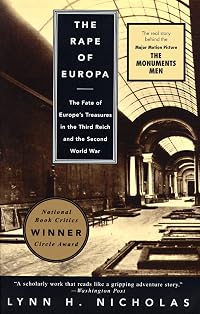
The Rape of Europa : The Fate of Europe's Treasures in the Third Reich and the Second World War
by Lynn H. Nicholas
On This Page
Description
The treasures of Quedlinburg ... the Trojan gold ... the Amber Room. These fabled objects are only the tiny summit of an immense mountain of artifacts - artistic, religious, historic - that were sold, confiscated, stolen, dismembered, defaced, destroyed, or buried as Europe succumbed first to the greed and fury of the Nazis and then to the ravages of war. Now, in a riveting account brimming with tales of courage and sacrifice, of venality and beastliness, Lynn H. Nicholas meticulously show more reconstructs the full story of this act of cultural rape and its aftermath. In doing so, she offers a new perspective on the history of the Third Reich and of World War II. From the day Hitler came to power, art was a matter of highest priority to the Reich. He and other Nazis (especially Hermann Goering) were ravenous collectors, stopping at nothing to acquire paintings and sculpture, as well as coins, books, tapestries, jewels, furniture - everything. Their insatiable appetite (feared by the museum directors who sent their collections into hiding as war loomed) whipped the international art market into a frenzy of often sleazy dealing. When the German occupation of Poland, France, the Low Countries, and finally Italy began, a colossal wave of organized and casual pillage stripped entire countries of their heritage as works of art were subjected to confiscation, wanton destruction, concealment in damp mines, and perilous transport across combat zones. Meanwhile, in Washington and London curators and scholars campaigned energetically to convince President Franklin Roosevelt, Prime Minister Winston Churchill, and, most importantly, General Dwight Eisenhower to add the protection of art and edifices to the Allied invasion agenda. The landings in Italy and France, and the ultimate victory of the Allies, brought a dedicated corps of "Monuments officers" to the ravaged continent. On the front lines or immediately behind, they shored up bombed churches, cleaned the vandalized buildings and collections, and rescued great masterpieces such as the Ghent altarpiece from the mines. The Monuments officers spent six years locating and sorting huge repositories of treasure, and restoring their contents to museums and surviving owners. But much that was destroyed or stolen (by the Nazis and Soviets in organized looting and by individuals of all nations) has never been found. It is a story without an ending. More revelations can be expected in years to come. The facts behind these events will be clear and the human stories deeply moving to all who read Lynn H. Nicholas's impeccably researched, engagingly written account of the rapacity, horror, devotion, and heroism that characterized a unique and terrible era. show lessTags
Recommendations

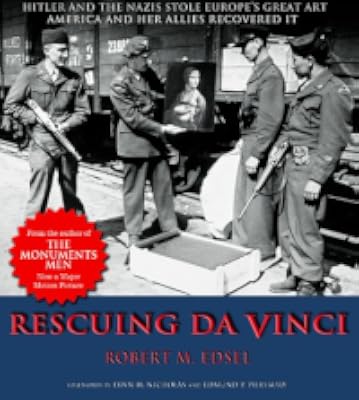

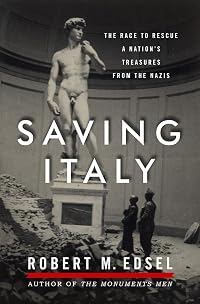



















Member Recommendations
Member Reviews
Lynn Nicholas' The Rape of Europa: The Fate of Europe's Treasures in the Third Reich and the Second World War (Vintage, 1994) chronicles the chilling effects that the Nazi regime and World War II had on the art world of Europe. Using a wide range of archival sources from America and Europe, as well as contemporary media accounts and correspondence/interviews with surviving participants, Nicholas weaves a narrative that is at once fascinating and horrifying.
Nicholas meticulously chronicles Nazi efforts to obtain desired art from wherever it was, by just about any means necessary: outright confiscation, bribery, extortion, special military operations, &c. The efficiency with which Hitler and his minions gathered, transported, and stored show more the artistic masterpieces once held in private and public collections alike. She spends much time on Goering and his collecting habits, which bordered on the maniacal and sometimes even brought him into conflict with Hitler (and, as we've seen from the recent books on the van Meegeren forgeries, once or twice led him to purchase outright fakes).
Efforts by collectors, curators and dealers to protect their artworks also fall under Nicholas' wide purview; some of the steps taken are really quite remarkable. Here we learn of the vast removal projects that saw artworks taken from their comfortable galleries and stashed in remote chateaux, manor houses, even mines (with varying degrees of success, depending on the place).
Once Nicholas has managed to chronicle the dispersal of the art, she begins to put it back together again, tracking Allied troops as they took back territory from the Nazis (whose turn it then was to hide the art they'd pilfered from all across Europe), and the small core of "Monuments Men" who were tasked with protecting the found art. And then came the political and diplomatic rigamarole involved with determining how to return the pieces to their rightful owners, if they could be found (a process which continues to this day). Finally, she examines a few of the great treasures that remain missing to this day, perhaps still stashed in some sealed-off German salt mine, or hanging in a remote Russian dacha.
Dense, but entirely readable and completely captivating, filled with a cast of larger-than-life characters and great art.
http://philobiblos.blogspot.com/2010/07/book-review-rape-of-europa.html show less
Nicholas meticulously chronicles Nazi efforts to obtain desired art from wherever it was, by just about any means necessary: outright confiscation, bribery, extortion, special military operations, &c. The efficiency with which Hitler and his minions gathered, transported, and stored show more the artistic masterpieces once held in private and public collections alike. She spends much time on Goering and his collecting habits, which bordered on the maniacal and sometimes even brought him into conflict with Hitler (and, as we've seen from the recent books on the van Meegeren forgeries, once or twice led him to purchase outright fakes).
Efforts by collectors, curators and dealers to protect their artworks also fall under Nicholas' wide purview; some of the steps taken are really quite remarkable. Here we learn of the vast removal projects that saw artworks taken from their comfortable galleries and stashed in remote chateaux, manor houses, even mines (with varying degrees of success, depending on the place).
Once Nicholas has managed to chronicle the dispersal of the art, she begins to put it back together again, tracking Allied troops as they took back territory from the Nazis (whose turn it then was to hide the art they'd pilfered from all across Europe), and the small core of "Monuments Men" who were tasked with protecting the found art. And then came the political and diplomatic rigamarole involved with determining how to return the pieces to their rightful owners, if they could be found (a process which continues to this day). Finally, she examines a few of the great treasures that remain missing to this day, perhaps still stashed in some sealed-off German salt mine, or hanging in a remote Russian dacha.
Dense, but entirely readable and completely captivating, filled with a cast of larger-than-life characters and great art.
http://philobiblos.blogspot.com/2010/07/book-review-rape-of-europa.html show less
Very well written and engaging, for the most part. About one-third of the way through the book, I was struggling to keep focusing on the story--I think that was because the cast of characters is overwhelming, and it was hard to remember who these hundreds of people were. Once the Americans came on the scene it became easier to keep up with the action. I feel like there should be a web page devoted to this book which shows the connections between people. There are so many nasty villains among the Nazis and so many collaborators among the populaces conquered by the Nazis that it can become fairly sickening.
One comment I came across noted that one should not spend too much sympathy on the art looted and destroyed because of the horrifying show more numbers of people destroyed by the Nazis. I agree with that. It is important to not lose sight of the genocide. One thing I feel helps me keep perspective is that there are survivors (a few) and their descendants (many more) who have still not been reunited with family artwork or compensated for the loss of their possessions.
This book in particular has been fundamental in shining a much-needed light on the countries like Switzerland and Austria in particular which have not made restitution of artwork to the descendants of the original owners. If only for that, the author of this book deserves our thanks. show less
One comment I came across noted that one should not spend too much sympathy on the art looted and destroyed because of the horrifying show more numbers of people destroyed by the Nazis. I agree with that. It is important to not lose sight of the genocide. One thing I feel helps me keep perspective is that there are survivors (a few) and their descendants (many more) who have still not been reunited with family artwork or compensated for the loss of their possessions.
This book in particular has been fundamental in shining a much-needed light on the countries like Switzerland and Austria in particular which have not made restitution of artwork to the descendants of the original owners. If only for that, the author of this book deserves our thanks. show less
If you’ve ever watched “The Monuments Men” movie and wondered ‘How did all the art the Nazi’s looted end up in those mines?’ Well this is the book that answers that question.
But it covers so much more in its densely packed, detailed research driven pages of which The Monuments Men is just a small part.
While the Nazi art confiscation is well documented and told, this book also covers the less talked about destruction of art by both sides (the Allies being particularly destructive in Italy), the bargaining and using of art to buy things such as transit visas, the boom in the world-wide art trade as items previously held in museums or private collections came on the market. While the Nazis did steal a lot, they were also the show more most rapacious buyers of art and dealers, and forgers, around the world made fortunes off them.
I found it fascinating to read how certain parts of the German infrastructure would hinder the confiscation and transfer of looted art, such as the Army in Paris refusing to supply trucks, or people starting shell companies that could then claim certain collections were “German owned” and stop them from being moved.
There are also stories of ingenious methods used to hide art treasures (sometimes in plain sight), and not so clever (a member of the Rothchild family in Holland burying art under a sand-dune and not marking it or even writing down its location!)
Academic in tone it can be a bit of a slog to get through, but it’s full of interesting stories. show less
But it covers so much more in its densely packed, detailed research driven pages of which The Monuments Men is just a small part.
While the Nazi art confiscation is well documented and told, this book also covers the less talked about destruction of art by both sides (the Allies being particularly destructive in Italy), the bargaining and using of art to buy things such as transit visas, the boom in the world-wide art trade as items previously held in museums or private collections came on the market. While the Nazis did steal a lot, they were also the show more most rapacious buyers of art and dealers, and forgers, around the world made fortunes off them.
I found it fascinating to read how certain parts of the German infrastructure would hinder the confiscation and transfer of looted art, such as the Army in Paris refusing to supply trucks, or people starting shell companies that could then claim certain collections were “German owned” and stop them from being moved.
There are also stories of ingenious methods used to hide art treasures (sometimes in plain sight), and not so clever (a member of the Rothchild family in Holland burying art under a sand-dune and not marking it or even writing down its location!)
Academic in tone it can be a bit of a slog to get through, but it’s full of interesting stories. show less
An epic chronicling the atrocities committed by Hitler and the Nazi Party against the art, history, and culture of Europe. Nicholas has painstakingly recorded with impeccable detail the looting of museums, confiscation of personal collections of Jewish citizens and fleeing refugees, and the burning and systematic destruction of countless works and artifacts deemed "degenerate" by Hitler and his Nazi underlings. The Rape of Europa simultaneously highlights the triumphant resistance efforts and quiet heroism of dedicated museum curators and their assistants, publishers secreting away manuscripts marked for destruction by fire, gallery owners hosting back room exhibitions of banned works, and countless civilians dedicated to the show more conservation of their cultural icons. Heralded as the "true story" behind the international efforts of the now-famous Monuments Men to spare historical sites and locate hidden and missing works, this is only a single component of this expansive text. A haunting masterpiece of WWII nonfiction. show less
The Rape of Europa : The Fate of Europe's Treasures in the Third Reich and the Second World War is a very detailed account of the systematic plunder by the Third Reich. It is divided roughly into three parts. The first part deals with the collection of art treasures from every country the Nazis overran ; the second with the recapture and safe-guarding of the art by the Allies; the third with the claims and settlements still going on as paintings, sculptures, artifacts and libraries are returned to their owners....or not.
Just as the Nazis planned every aspect of their 1000-year regime for the population of Europe, so they had detailed plans for Europe's art. The very best was slated for the museum in Linz, the city where Hitler was born. show more Then Hitler got to choose what he wanted for his personal collection. After that, the Third Reich heirarchy grappled for the best of the rest, with Hermann Goering amassing the largest and most impressive private collection. In the beginning, there appeared to be legality to the plundering. Art dealers "sold" the paintings to their Nazi patrons, paintings they had purchased from distressed owners for a fraction of the value of the work. But shortly after, it became out and out looting. The great Jewish collections disappeared and local museums had their paintings removed "to keep them safe." It was an incredible. organized assault on the culture of the overrun countries.
When the tide of war changed, the Allies found themselves having to address the problem of the looted art and also the preservation of Europe's architectural treasures. Art and architecture experts were drafted to handle the impossible task of saving everything from Michelangelo's David to millions of books and manuscripts. If they had authority on paper, the reality was much different. There was not enough staff or supplies; preservation of a building, no matter how revered, was secondary to battle objectives; opposing ideas among the various committees to save Europe's art made navigating the bureaucracy a nightmare. And then there were the egos of the experts to contend with. Half these men were rivals in their fields.
Finally, with the peace came the decisions as to who got what. Some things were no-brainers. Botticelli went back to Florence. The Ghent altarpiece went back to Belgium. The museums had catalogues for their collections and if their paintings were located, they could be reclaimed. But so many owners were dead. Who had the right to the great Jewish collections when no family members survived? How valid were those "legitimate" sales made under durress? Many claims are still in court and many works still hidden or lost.
Nicholas presents the reader with an overwhelming amount of information meticulously annotated. I finally gave up trying to keep names and places straight and just read for the "story." It worked for me. I could appreciate the horror of the willful destruction of Poland's culture without trying to keep the names of the vandals in my head. I didn't dwell on the petty fights among the Allies about whose responsibility a cache of paintings found in the crypt of a church was; I was just pleased that the paintings were saved.The author describes the forest and the individual trees.
In all this mass of detail, there are wonderful individual stories. Rose Vallard keeping secret lists of all the stolen works that were stored at the Jeu de Paume in Pars, risking her life every night to photograph invoices, inventories, labels, all the while seeming to work with the Nazis. The heart-stopping removal of the Winged Victory from the Louvre. The moral dilemna of American buyers bidding on Nazi-confiscated degenerate art (Picasso and Matisse) in Switzerland, knowing that the profits would feed the Third Reich war machine, but also knowing that the works would be destroyed if they remained unsold.
Nicholas writes a balanced account. She does not spare discussion of Allied doubtful decisions like the bombing of Monte Cassino or the looting and vandalism done by both the Axis and the Allied troops. If there was a crystal chandelier, it had to be shot at by occupying soldiers. Gold artifacts slipped into duffel bags to surface years later in Chicago.
Since this book was published in 1995, the fate of Europe's art treasures during World War ll has become a popular genre. Nicholas wrote one of the first books on this subject and still one of the best. show less
Just as the Nazis planned every aspect of their 1000-year regime for the population of Europe, so they had detailed plans for Europe's art. The very best was slated for the museum in Linz, the city where Hitler was born. show more Then Hitler got to choose what he wanted for his personal collection. After that, the Third Reich heirarchy grappled for the best of the rest, with Hermann Goering amassing the largest and most impressive private collection. In the beginning, there appeared to be legality to the plundering. Art dealers "sold" the paintings to their Nazi patrons, paintings they had purchased from distressed owners for a fraction of the value of the work. But shortly after, it became out and out looting. The great Jewish collections disappeared and local museums had their paintings removed "to keep them safe." It was an incredible. organized assault on the culture of the overrun countries.
When the tide of war changed, the Allies found themselves having to address the problem of the looted art and also the preservation of Europe's architectural treasures. Art and architecture experts were drafted to handle the impossible task of saving everything from Michelangelo's David to millions of books and manuscripts. If they had authority on paper, the reality was much different. There was not enough staff or supplies; preservation of a building, no matter how revered, was secondary to battle objectives; opposing ideas among the various committees to save Europe's art made navigating the bureaucracy a nightmare. And then there were the egos of the experts to contend with. Half these men were rivals in their fields.
Finally, with the peace came the decisions as to who got what. Some things were no-brainers. Botticelli went back to Florence. The Ghent altarpiece went back to Belgium. The museums had catalogues for their collections and if their paintings were located, they could be reclaimed. But so many owners were dead. Who had the right to the great Jewish collections when no family members survived? How valid were those "legitimate" sales made under durress? Many claims are still in court and many works still hidden or lost.
Nicholas presents the reader with an overwhelming amount of information meticulously annotated. I finally gave up trying to keep names and places straight and just read for the "story." It worked for me. I could appreciate the horror of the willful destruction of Poland's culture without trying to keep the names of the vandals in my head. I didn't dwell on the petty fights among the Allies about whose responsibility a cache of paintings found in the crypt of a church was; I was just pleased that the paintings were saved.The author describes the forest and the individual trees.
In all this mass of detail, there are wonderful individual stories. Rose Vallard keeping secret lists of all the stolen works that were stored at the Jeu de Paume in Pars, risking her life every night to photograph invoices, inventories, labels, all the while seeming to work with the Nazis. The heart-stopping removal of the Winged Victory from the Louvre. The moral dilemna of American buyers bidding on Nazi-confiscated degenerate art (Picasso and Matisse) in Switzerland, knowing that the profits would feed the Third Reich war machine, but also knowing that the works would be destroyed if they remained unsold.
Nicholas writes a balanced account. She does not spare discussion of Allied doubtful decisions like the bombing of Monte Cassino or the looting and vandalism done by both the Axis and the Allied troops. If there was a crystal chandelier, it had to be shot at by occupying soldiers. Gold artifacts slipped into duffel bags to surface years later in Chicago.
Since this book was published in 1995, the fate of Europe's art treasures during World War ll has become a popular genre. Nicholas wrote one of the first books on this subject and still one of the best. show less
I liked this book a great deal. For one thing, the author remembered to include copious illustrations, which is a must for a book of this kind. For another, I thought the presentation was cogent and coherent, no easy task when you consider that the transactions involved in this matter -- the wholesale theft and destruction of artwork across Europe in World War II -- were meant to be covered up for one reason or another. A number of other books on this subject have come out ("The Book Thieves," "Nazi Plunder" and "The Lost Museum," to name three), but this one was one of the first, and deserves credit. Recommended.
Mixed feelings here. It is a topic I love but there is just SO VERY much detail that it is too much to process. Many of the threads and stories are fascinating, but the reader is swamped in detail. An editor, perhaps? It is a common problem amongst academics- I found all this information and, by George, you are going to read it! Whew.
Members
- Recently Added By
Lists

Books About World War II
102 works; 29 members

r/AskHistorians' Recommended Books
1,068 works; 19 members
Author Information

3+ Works 1,177 Members
Awards and Honors
Awards
Notable Lists
Common Knowledge
- Canonical title
- The Rape of Europa : The Fate of Europe's Treasures in the Third Reich and the Second World War
- Original title
- The Rape of Europa : The Fate of Europe's Treasures in the Third Reich and the Second World War
- Original publication date
- 1994
- People/Characters
- Lincoln Kirstein; Rose Valland; James Rorimer
- Important places
- Germany
- Important events
- World War II; Nazi Germany; World War II
Classifications
Statistics
- Members
- 1,060
- Popularity
- 24,314
- Reviews
- 16
- Rating
- (4.05)
- Languages
- 6 — English, French, German, Polish, Portuguese, Spanish
- Media
- Paper, Ebook
- ISBNs
- 12
- ASINs
- 4