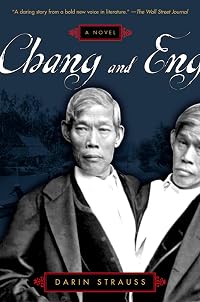
Chang and Eng
by Darin Strauss
On This Page
Description
This stunning novel combines fiction with astonishing fact to tell the story of history's most famous conjoined twins. Born in Siam in 1811--on a squalid houseboat on the Mekong River--Chang and Eng Bunker were international celebrities before the age of twenty. Touring the world's stages as a circus act, they settled in the American South just prior to the Civil War. They eventually married two sisters from North Carolina, fathering twenty-one children between them, and lived for more than show more six decades never more than seven inches apart, attached at the chest by a small band of skin and cartilage. Woven from the fabric of fact, myth, and imagination, Strauss's narrative gives poignant, articulate voice to these legendary brothers, and humanizes the freakish legend that grew up around them. Sweeping from the Far East and the court of the King of Siam to the shared intimacy of their lives in America, Chang and Eng rescues one of the nineteenth century's most fabled human oddities from the sideshow of history, drawing from their extraordinary lives a novel of exceptional power and beauty. show lessTags
Recommendations
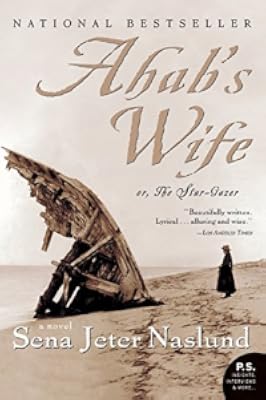
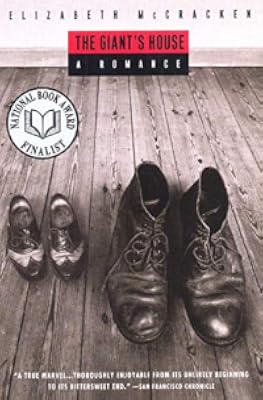
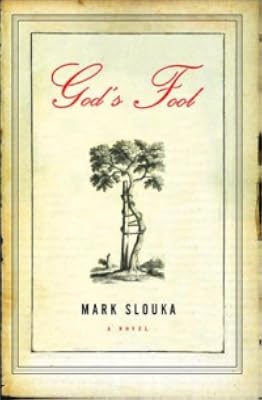
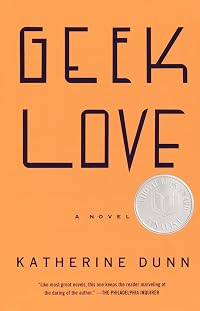




Member Recommendations
BookshelfMonstrosity Cutting for Stone portrays the life of a pair of conjoined twins separated at birth; Eng and Chang is the fictional biography of the famous original Siamese twins, who remained joined at the sternum throughout their lives. Readers interested in conjoined twins may enjoy both novels.
Member Reviews
The writing is beautiful. The phrases and descriptions so evocative: "While the world is not a place of widespread kindness, a few oysters thrive in a sea of clams. Occasional grace exists. Mother, knowing my brother and me for more than one child, kept her calm." See what I mean?
But the subject matter here is disturbing. (Chang and Eng were the "original" Siamese twins and became world-wide celebrities.) The book is narrated by Eng, and we see envy, pettiness, lust, sloth, and a deep unhappiness - always a desire to be apart and yet a great loneliness.
But the subject matter here is disturbing. (Chang and Eng were the "original" Siamese twins and became world-wide celebrities.) The book is narrated by Eng, and we see envy, pettiness, lust, sloth, and a deep unhappiness - always a desire to be apart and yet a great loneliness.
Think of all the literary characters who burn bright in your brain long after you’ve turned the last page of the novel: Ishmael (as in “Call me…âÂ?), the Snopses, Emma Bovary, Garp.
Get ready to add one more name to that list: Eng Bunker.
Eng is one half of the original* Siamese twins, born in 1811 (*they were the duo for whom the term was coined). He and his permanently-attached brother Eng escaped from Thailand (the former Siam) when they were teenagers and came to America where they were promptly exploited as sideshow freaks. After years of sitting in a filthy cage and being ogled by the frightened and fascinated crowds, they got a better agentâÂÂP.T. BarnumâÂÂand went on lecture tours around America and show more Europe.
In real life, the twins were also used as political metaphor. In a speech to Congress, Daniel Webster made a speech condemning separatists by using Chang and Eng as an example: âÂÂLiberty and Union, now and forever, one and inseparable!" Webster cried.
In 1843, during one of the strangest weddings this side of the Rev. MoonâÂÂs, Chang and Eng married sisters Adelaide and Sarah Yates, sisters living in North Carolina. The Bunker quartet settled into domestic life as farmers. The two couples bore 22 children between them (no pun intended) before the conjoined twins died in 1874.
These are the kind of facts youâÂÂll find in most encyclopedias or The Guinness Book of World Records. What you wonâÂÂt find, however, is a life thatâÂÂs as vivid and unforgettable as the one on the pages of Darin Straussâ debut novel Chang and Eng, narrated by EngâÂÂa character who comes off as the smarter of the two. I guarantee you wonâÂÂt come across a more compelling character in any current fiction vying for your attention in the local bookstore.
Strauss, a New York University grad, was inspired to write a fictionalized version of the twinsâ life after he saw an episode of Oprah featuring conjoined siblings. In the middle of their interview, one set of twins jumped up and said at the very same time: âÂÂWeâÂÂre a big girl now.âÂ? In an interview on his website, Strauss remarks, âÂÂThat sentence seemed a wonderful mystery to me.âÂ?
That same mysterious dichotomy pervades every page of Chang and Eng, starting with the novelâÂÂs first sentence in which Eng lays on his deathbed: This is the end I have feared since we were a child. Just look at all the conflicting pronouns rubbing up against each other in those twelve words.
Strauss maintains that sense of irony and duplicity throughout the remaining 322 pages. Shifting back and forth chronologically from Chang and EngâÂÂs married life to the events of their sideshow past, the author paints a portrait of 19th-century American life that is nothing less than inky fireworks bursting across every page. His expansive, old-fashioned style reminds me of two other excellent examples of recent historic fiction: Memoirs of a Geisha (Arthur Golden) and Cloudsplitter (Russell Banks).
Here, for example, is how Strauss describes the turmoil of humanity on board a Mississippi riverboat:
The fat, cigar-smoking gambler, in the market for a tourist to fleece; the stoop-backed farmer, clutching his modest harvest and looking nervously about; the crewman, sneering as he passed; the lady of the evening in her narrow bonnet, at work in the uglying light of day; the sightseer eyeing this harlot before turning back to his wife and children with displeasure; above all, the whole of this mass of shabby-clothed unfortunates, casting furtive glances around, reeking of threadbare unclean clothes and the perspiration of close contact, chatting or sleeping or making way for any and all flotsam being pushed aboardâÂÂthese were what gave the main deck its particular character.
âÂÂThe uglying light of day.âÂ? When I read a phrase like that, my writerâÂÂs heart groans with jealousy.
ThereâÂÂs much for fellow authors to be envious of here in these pages. Strauss has such a confident, capable hand that I doubt his pen wavered once in the three years it took to compose the book. Okay, IâÂÂm sure thatâÂÂs not exactly true and Mr. Strauss himself would be the first to assure me that there were rough patches. But, remarkably, none of those rough patches turned up during my quick and breathless reading of Chang and Eng.
By its nature, the story is a fascinating one and Strauss turns it into something resembling a sophisticated parlor entertainmentâÂÂa cross between Jerry Springer and Charles Dickens (if you can stomach that comparison). WeâÂÂre there to witness the frightening birth of the âÂÂunholy double-freakâÂ? to a poor Mekong River fisherman and his wife; we watch as the young boys learn to adapt to life with bodies âÂÂaffixed at the chest by a fleshy, bendable, seven-inch-long ligament resembling a forearm;âÂ? we bite our lip at the way they escape a death threat from King Rama of Siam only to suffer equal miseries at the hands of the tabloid-souled American public; we groan at the medical experiments and botched attempts to separate them; we see them gain prominence as they perform their coordinated tumbling act for Queen Victoria, Tsar Nicholas and Roget (the thesaurus guy); our eyes widen as they meet the Yates sisters and Chang is the first to fall in love (with Adelaide) and thenâÂÂas if he had any choice in the matterâÂÂEng is dragged along (trailing by a mere seven inches) into a double date with AdelaideâÂÂs reserved sister Sarah; our eyes get even wider as they marry, have sex and raise a circus-sized family.
The sexâÂÂoh, yes, the sex. Brace yourselves, readers. YouâÂÂve never witnessed sex scenes like these in any other literature. Chang, Eng and their wives work out very precise sleeping arrangements so that neither brother could be guilty of adultery. I wonâÂÂt spoil the pleasures of Straussâ narrative, but I can guarantee they are the strangest lovemaking descriptions youâÂÂve ever read. Yet, theyâÂÂre also tender and poignant; EngâÂÂs voice swells with hot-blooded, breath-catching fervor when he translates the pleasures of the body. HereâÂÂs one small example of what youâÂÂre in for:
Sarah climbed onto the bed and shuffled to me on all fours. And she kissed me. I savored it with my entire body. A spasm fired in my lower half, my stomach filled with thunder and lightning, my head was in a spin, and I swore my ribs were cheering like the court of King Rama.
There are dozens of brow-mopping passages like that sprinkled throughout Chang and Eng.
ThereâÂÂs plenty of humor, too. HereâÂÂs one cutting remark Adelaide uses to describe her husband and brother-in-law (by this time, relations have grown prickly between all four partners):
âÂÂYouâÂÂall want to know how to tell them apart?âÂ? Adelaide said. âÂÂOne makes you angry when he talks, the otherâÂÂs a little better on the nerves, but he tosses around so much Shakespeare it can put you to sleep. If youâÂÂre angry and asleep, itâÂÂs a sure bet theyâÂÂre probably both talking.âÂ?
Chang and EngâÂÂs greatest triumph is the way it cleaves the two brothers into distinct characters. Chang is the simpler half of the pair, never fully grasping the English language, never thinking things through, never knowing when to keep his mouth shut. Eng is bookish, level-headed and increasingly agitated at his other halfâÂÂs recklessness. Imagine an equal-sized Laurel and Hardy joined by a strip of flesh and youâÂÂll get some idea of the twinsâ opposing natures.
Of course irony abounds on every page. Where Chang goes, Eng must follow. When Chang turns into an alcoholic, Eng joins a Temperance Society (this is a documented fact). Eng wants to zig, Chang prefers to zag. Through it all, we have EngâÂÂs compelling narrative voice telling us how he yearns to be free of his brotherly bondage. The fact that part of the novel takes place during the Civil War is not inconsequential (though Strauss never addresses the popular legend that the brothers fought on separate sides).
In the end, Strauss does the miraculous: he manages to do what several doctors and dozens of historians could notâÂÂhe separates Chang and Eng into two distinct, unforgettable people. show less
Get ready to add one more name to that list: Eng Bunker.
Eng is one half of the original* Siamese twins, born in 1811 (*they were the duo for whom the term was coined). He and his permanently-attached brother Eng escaped from Thailand (the former Siam) when they were teenagers and came to America where they were promptly exploited as sideshow freaks. After years of sitting in a filthy cage and being ogled by the frightened and fascinated crowds, they got a better agentâÂÂP.T. BarnumâÂÂand went on lecture tours around America and show more Europe.
In real life, the twins were also used as political metaphor. In a speech to Congress, Daniel Webster made a speech condemning separatists by using Chang and Eng as an example: âÂÂLiberty and Union, now and forever, one and inseparable!" Webster cried.
In 1843, during one of the strangest weddings this side of the Rev. MoonâÂÂs, Chang and Eng married sisters Adelaide and Sarah Yates, sisters living in North Carolina. The Bunker quartet settled into domestic life as farmers. The two couples bore 22 children between them (no pun intended) before the conjoined twins died in 1874.
These are the kind of facts youâÂÂll find in most encyclopedias or The Guinness Book of World Records. What you wonâÂÂt find, however, is a life thatâÂÂs as vivid and unforgettable as the one on the pages of Darin Straussâ debut novel Chang and Eng, narrated by EngâÂÂa character who comes off as the smarter of the two. I guarantee you wonâÂÂt come across a more compelling character in any current fiction vying for your attention in the local bookstore.
Strauss, a New York University grad, was inspired to write a fictionalized version of the twinsâ life after he saw an episode of Oprah featuring conjoined siblings. In the middle of their interview, one set of twins jumped up and said at the very same time: âÂÂWeâÂÂre a big girl now.âÂ? In an interview on his website, Strauss remarks, âÂÂThat sentence seemed a wonderful mystery to me.âÂ?
That same mysterious dichotomy pervades every page of Chang and Eng, starting with the novelâÂÂs first sentence in which Eng lays on his deathbed: This is the end I have feared since we were a child. Just look at all the conflicting pronouns rubbing up against each other in those twelve words.
Strauss maintains that sense of irony and duplicity throughout the remaining 322 pages. Shifting back and forth chronologically from Chang and EngâÂÂs married life to the events of their sideshow past, the author paints a portrait of 19th-century American life that is nothing less than inky fireworks bursting across every page. His expansive, old-fashioned style reminds me of two other excellent examples of recent historic fiction: Memoirs of a Geisha (Arthur Golden) and Cloudsplitter (Russell Banks).
Here, for example, is how Strauss describes the turmoil of humanity on board a Mississippi riverboat:
The fat, cigar-smoking gambler, in the market for a tourist to fleece; the stoop-backed farmer, clutching his modest harvest and looking nervously about; the crewman, sneering as he passed; the lady of the evening in her narrow bonnet, at work in the uglying light of day; the sightseer eyeing this harlot before turning back to his wife and children with displeasure; above all, the whole of this mass of shabby-clothed unfortunates, casting furtive glances around, reeking of threadbare unclean clothes and the perspiration of close contact, chatting or sleeping or making way for any and all flotsam being pushed aboardâÂÂthese were what gave the main deck its particular character.
âÂÂThe uglying light of day.âÂ? When I read a phrase like that, my writerâÂÂs heart groans with jealousy.
ThereâÂÂs much for fellow authors to be envious of here in these pages. Strauss has such a confident, capable hand that I doubt his pen wavered once in the three years it took to compose the book. Okay, IâÂÂm sure thatâÂÂs not exactly true and Mr. Strauss himself would be the first to assure me that there were rough patches. But, remarkably, none of those rough patches turned up during my quick and breathless reading of Chang and Eng.
By its nature, the story is a fascinating one and Strauss turns it into something resembling a sophisticated parlor entertainmentâÂÂa cross between Jerry Springer and Charles Dickens (if you can stomach that comparison). WeâÂÂre there to witness the frightening birth of the âÂÂunholy double-freakâÂ? to a poor Mekong River fisherman and his wife; we watch as the young boys learn to adapt to life with bodies âÂÂaffixed at the chest by a fleshy, bendable, seven-inch-long ligament resembling a forearm;âÂ? we bite our lip at the way they escape a death threat from King Rama of Siam only to suffer equal miseries at the hands of the tabloid-souled American public; we groan at the medical experiments and botched attempts to separate them; we see them gain prominence as they perform their coordinated tumbling act for Queen Victoria, Tsar Nicholas and Roget (the thesaurus guy); our eyes widen as they meet the Yates sisters and Chang is the first to fall in love (with Adelaide) and thenâÂÂas if he had any choice in the matterâÂÂEng is dragged along (trailing by a mere seven inches) into a double date with AdelaideâÂÂs reserved sister Sarah; our eyes get even wider as they marry, have sex and raise a circus-sized family.
The sexâÂÂoh, yes, the sex. Brace yourselves, readers. YouâÂÂve never witnessed sex scenes like these in any other literature. Chang, Eng and their wives work out very precise sleeping arrangements so that neither brother could be guilty of adultery. I wonâÂÂt spoil the pleasures of Straussâ narrative, but I can guarantee they are the strangest lovemaking descriptions youâÂÂve ever read. Yet, theyâÂÂre also tender and poignant; EngâÂÂs voice swells with hot-blooded, breath-catching fervor when he translates the pleasures of the body. HereâÂÂs one small example of what youâÂÂre in for:
Sarah climbed onto the bed and shuffled to me on all fours. And she kissed me. I savored it with my entire body. A spasm fired in my lower half, my stomach filled with thunder and lightning, my head was in a spin, and I swore my ribs were cheering like the court of King Rama.
There are dozens of brow-mopping passages like that sprinkled throughout Chang and Eng.
ThereâÂÂs plenty of humor, too. HereâÂÂs one cutting remark Adelaide uses to describe her husband and brother-in-law (by this time, relations have grown prickly between all four partners):
âÂÂYouâÂÂall want to know how to tell them apart?âÂ? Adelaide said. âÂÂOne makes you angry when he talks, the otherâÂÂs a little better on the nerves, but he tosses around so much Shakespeare it can put you to sleep. If youâÂÂre angry and asleep, itâÂÂs a sure bet theyâÂÂre probably both talking.âÂ?
Chang and EngâÂÂs greatest triumph is the way it cleaves the two brothers into distinct characters. Chang is the simpler half of the pair, never fully grasping the English language, never thinking things through, never knowing when to keep his mouth shut. Eng is bookish, level-headed and increasingly agitated at his other halfâÂÂs recklessness. Imagine an equal-sized Laurel and Hardy joined by a strip of flesh and youâÂÂll get some idea of the twinsâ opposing natures.
Of course irony abounds on every page. Where Chang goes, Eng must follow. When Chang turns into an alcoholic, Eng joins a Temperance Society (this is a documented fact). Eng wants to zig, Chang prefers to zag. Through it all, we have EngâÂÂs compelling narrative voice telling us how he yearns to be free of his brotherly bondage. The fact that part of the novel takes place during the Civil War is not inconsequential (though Strauss never addresses the popular legend that the brothers fought on separate sides).
In the end, Strauss does the miraculous: he manages to do what several doctors and dozens of historians could notâÂÂhe separates Chang and Eng into two distinct, unforgettable people. show less
I purchased "Chang and Eng" with high hopes. Alas -- despite author Darin Strauss's talent as a writer and his obviously prodigious research -- the novel simply didn't work for me.
It's hard to articulate why I was left so cold. The story of the world's most famous conjoined twins is astonishing and Strauss's empathetic account of their lives never descends to cliche or facile characterization. Perhaps their lives were simply so remarkable that fiction must inevitably fall short of plain fact. I'm tempted to take the suggestion of MarthaHuntley (the previous LibraryThing reviewer), and read the nonfiction biography.
It's hard to articulate why I was left so cold. The story of the world's most famous conjoined twins is astonishing and Strauss's empathetic account of their lives never descends to cliche or facile characterization. Perhaps their lives were simply so remarkable that fiction must inevitably fall short of plain fact. I'm tempted to take the suggestion of MarthaHuntley (the previous LibraryThing reviewer), and read the nonfiction biography.
This was one of the few books for which I have come close to regretting the purchase. Beautiful prose, to a fault.
I was not engaged in the story in the least, but every time I would think that it was time to put the book down and never pick it up again, a passage would strike me deep. I would have to keep reading, only to go through the cycle many more times.
Strauss has a strong voice and a deep appreciation of how words can be used together to form a bond with the reader, but his choice in the actual story left much to be desired from this reader.
I was not engaged in the story in the least, but every time I would think that it was time to put the book down and never pick it up again, a passage would strike me deep. I would have to keep reading, only to go through the cycle many more times.
Strauss has a strong voice and a deep appreciation of how words can be used together to form a bond with the reader, but his choice in the actual story left much to be desired from this reader.
Stunning to me that a book about conjoined twins touring the world could be so incredibly boring.
I really enjoyed the book, though I worry, as I always do when a real person is used in a work of fiction, that the lines will blur in some people's minds. I was always fascinated by siamese twins and the day to day minutiae of their existence and the psychological effect. I think this ios one possible rendering and it makes for an interesting read
This is the second book by Strauss this month I have read and this one is equally as good as Half a Life; even though one is fiction and one is nonfiction. This fictionalized story about the life and Chang and Eng is interesting, sad, funny, and a detailed historical account of the life of these two individuals. The story is told by Eng and through his eyes we enter into their lives, the lives of their wives, and those surrounding them. From their humble beginnings, to the visit to the King of Siam, to NY, London, to Barnum. The twins, though conjoined, led a full and interesting life. For those who like quirky fiction, this is a good read. Would be fantastic for book clubs as it allows great discussions.
Members
- Recently Added By
Author Information

13+ Works 1,801 Members
Graduate of the New York University Creative Writing Program. Strauss is now a teacher in the program and lives in New York City.
Awards and Honors
Awards
Common Knowledge
- Alternate titles
- Chang and Eng
- Original publication date
- 2000
- People/Characters
- Chang Bunker; Eng Bunker; P. T. Barnum
- Important places
- North Carolina, USA; Thailand (as Siam); USA; Wilkesboro, North Carolina, USA
- Dedication
- This book is affectionately dedicated to: Ellen, Bernie, and Izzy Strauss John Hodgman, a great writer, a cunning agent, and a true friend And Susannah of the Meadows
- First words
- This is the end I have feared since we were a child.
- Last words
- (Click to show. Warning: May contain spoilers.)The twins are buried in a double-plot, under a single large headstone, behind the Old Baptist church in White Plains, North Carolina, just outside Wilkesboro.
- Blurbers
- Oates, Joyce Carol; Ellroy, James; Perrotta, Tom; Hegland, Jean
Classifications
- Genres
- Fiction and Literature, General Fiction, Historical Fiction
- DDC/MDS
- 813.54 — Literature & rhetoric American literature in English American fiction in English 1900-1999 1945-1999
- LCC
- PS3569 .T692245 .C48 — Language and Literature American literature American literature Individual authors 1961-
- BISAC
Statistics
- Members
- 689
- Popularity
- 41,542
- Reviews
- 16
- Rating
- (3.17)
- Languages
- 7 — Catalan, Dutch, English, French, German, Portuguese, Spanish
- Media
- Paper, Ebook
- ISBNs
- 19
- ASINs
- 3