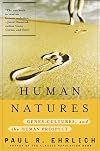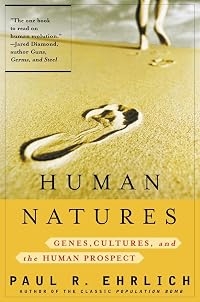
Human Natures: Genes, Cultures, and the Human Prospect
by Paul R. Ehrlich
On This Page
Description
"A hallmark of Human Natures in Paul Ehrlich's ability to convey lucidly that understanding in the course of presenting an engrossing history of our species. Using personal anecdote, vivid example, and stimulating narrative, he guides us through the thicket of controversies over what science can - and cannot - say about the influence of our evolutionary past on everything from race to religion, from sexual orientation to economic development."--Jacket.Tags
Recommendations
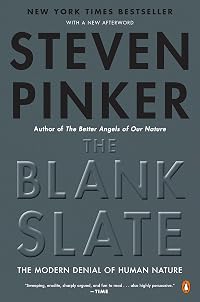
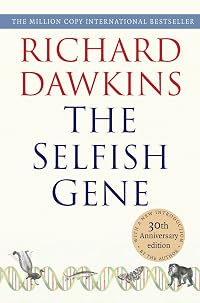

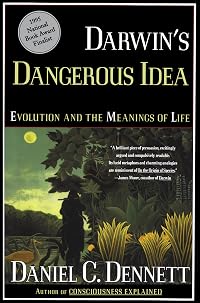
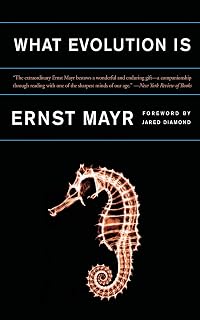
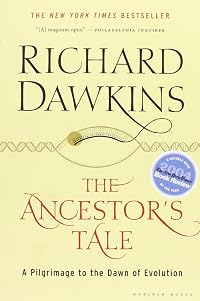
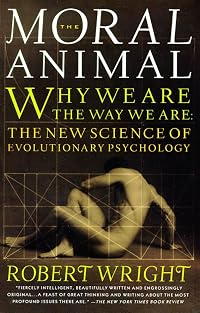
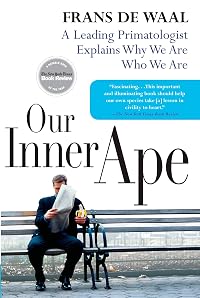
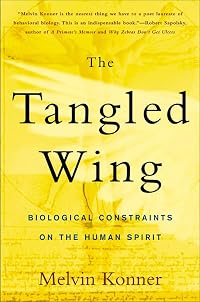
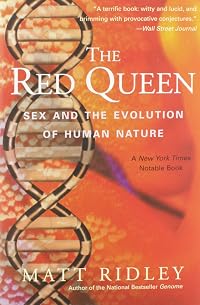
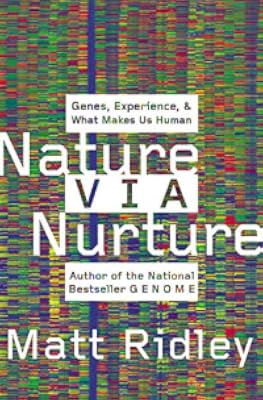
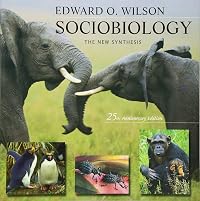
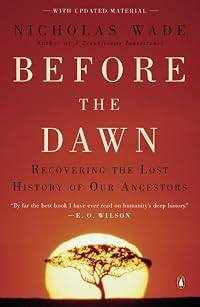

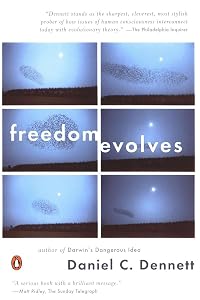
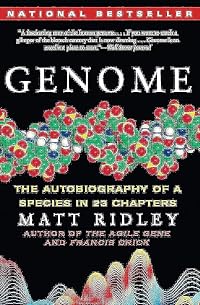
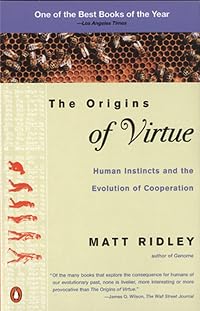

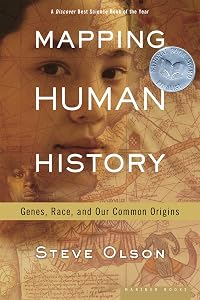
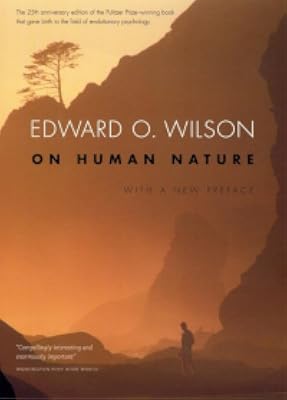
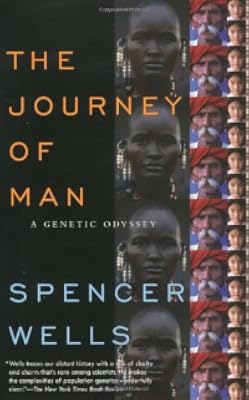
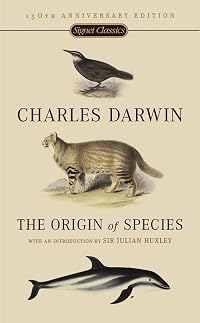


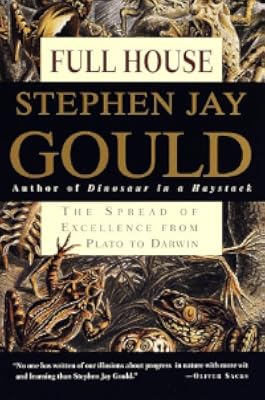





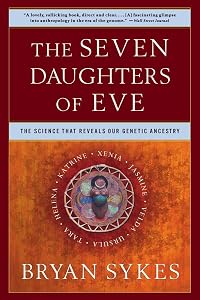

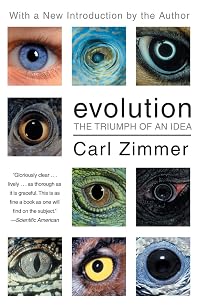
Member Recommendations

Member Reviews
One of the odder things about me is that I used to believe that dinosaurs still roamed the earth.
As in RIGHT NOW. And that there was a vast scientific conspiracy to keep this irrefutable fact under wraps.
This belief was essentially the outcome of two factors in my childhood/adolescence: 1) I was an extremely fundamentalist Christian. 2) I also had a burning interest in science. I wanted to know why things were the way they were.
These two factors aren't really mutually exclusive. In fact, I came upon many people in my congregation, and in similar congregations, who also nurtured an interest in science. A popular activity at church campouts were astronomy courses. Biology -- minus evolution, of course -- was a popular major choice among show more my churchgoing friends.
But, the fact is that "mainstream" or "secular" science doesn't really jibe with the literalist Christian worldview: astronomists eventually must deal with the Big Bang and biologists inevitably bump into Darwin.
Enter the various science workshops for fundamentalists, aimed at addressing those issues in a way that fits in with a literal-Biblical worldview. It was in one of these workshops that a "respected" scientist explained away dinosaur fossils and carbon-dating by telling us that there was scientific proof that dinosaurs still existed. In Sri Lanka.
By my sophomore year in college, though, I began to have doubts about my worldview. I was reading more than Christian fiction. I was taking biology courses from professors who were unapologetic about evolution -- unlike the biology teachers in high school, whose teachings on the subject were regulated. I couldn't study an "alternate" form of species biology any longer, and brought face to face with Darwin, I was finally convinced.
So began my fascination with evolution in general and human evolution in particular. I've become quite a connoisseur of the genre. Paul Ehrlich's Human Natures: Genes, Cultures & The Human Prospect is so far my favorite book on this topic.
Ehrlich's book covers the standard genetic evolution of our species, but he does so while simultaneously examining our "cultural evolution": the distinctly human behaviors that also have affected our current biological and behavioral selves.
The result is a book that tells us humanity is not the sum result of its genes; instead, the decisions we make about how we relate to one another, how we organize ourselves, and how we go about living our lives have much more influence on the future of the species.
Ehrlich's book is very accessible for the novice scientist, without sacrificing hard facts and references. His interdisciplinary approach seems to me a far more accurate rendering of human nature than the many reductionist human evolution tomes out there -- and I've read and enjoyed plenty of those.
Ehrlich's theory is also so appealing for the optimistic view it has on humanity's future -- though we have made mistakes in the past, we are not beholden to these behaviors. We are not bound to pettiness, violence and waste because of unalterable genetics. Instead, we can make decisions to alter our future course.
Among the many human evolution primers out there, Ehrlich's narrative of humanity's journey is exceptionally written and researched, leaving the reader with the unshakable feeling that Ehrlich is certainly on to something. show less
As in RIGHT NOW. And that there was a vast scientific conspiracy to keep this irrefutable fact under wraps.
This belief was essentially the outcome of two factors in my childhood/adolescence: 1) I was an extremely fundamentalist Christian. 2) I also had a burning interest in science. I wanted to know why things were the way they were.
These two factors aren't really mutually exclusive. In fact, I came upon many people in my congregation, and in similar congregations, who also nurtured an interest in science. A popular activity at church campouts were astronomy courses. Biology -- minus evolution, of course -- was a popular major choice among show more my churchgoing friends.
But, the fact is that "mainstream" or "secular" science doesn't really jibe with the literalist Christian worldview: astronomists eventually must deal with the Big Bang and biologists inevitably bump into Darwin.
Enter the various science workshops for fundamentalists, aimed at addressing those issues in a way that fits in with a literal-Biblical worldview. It was in one of these workshops that a "respected" scientist explained away dinosaur fossils and carbon-dating by telling us that there was scientific proof that dinosaurs still existed. In Sri Lanka.
By my sophomore year in college, though, I began to have doubts about my worldview. I was reading more than Christian fiction. I was taking biology courses from professors who were unapologetic about evolution -- unlike the biology teachers in high school, whose teachings on the subject were regulated. I couldn't study an "alternate" form of species biology any longer, and brought face to face with Darwin, I was finally convinced.
So began my fascination with evolution in general and human evolution in particular. I've become quite a connoisseur of the genre. Paul Ehrlich's Human Natures: Genes, Cultures & The Human Prospect is so far my favorite book on this topic.
Ehrlich's book covers the standard genetic evolution of our species, but he does so while simultaneously examining our "cultural evolution": the distinctly human behaviors that also have affected our current biological and behavioral selves.
The result is a book that tells us humanity is not the sum result of its genes; instead, the decisions we make about how we relate to one another, how we organize ourselves, and how we go about living our lives have much more influence on the future of the species.
Ehrlich's book is very accessible for the novice scientist, without sacrificing hard facts and references. His interdisciplinary approach seems to me a far more accurate rendering of human nature than the many reductionist human evolution tomes out there -- and I've read and enjoyed plenty of those.
Ehrlich's theory is also so appealing for the optimistic view it has on humanity's future -- though we have made mistakes in the past, we are not beholden to these behaviors. We are not bound to pettiness, violence and waste because of unalterable genetics. Instead, we can make decisions to alter our future course.
Among the many human evolution primers out there, Ehrlich's narrative of humanity's journey is exceptionally written and researched, leaving the reader with the unshakable feeling that Ehrlich is certainly on to something. show less
Ratings
Members
- Recently Added By
Author Information

58+ Works 3,068 Members
Paul Ehrlich, founder and first president of the Zero Population Growth organization, was born in Philadelphia, Pennsylvania. He received a B.A. in zoology from the University of Pennsylvania in 1953 and an M.A. and Ph.D. from the University of Kansas in 1955 and 1957, respectively. He became a member of the faculty at Stanford University in 1959 show more and was named Bing Professor of Population Studies in 1976. He is a recipient of a MacArthur Foundation fellowship, and in 1990 he was awarded Sweden's Crafoord Prize, created by the Royal Swedish Academy of Sciences to honor researchers in those disciplines not covered by the Nobel Prize. An expert in population biology, ecology, evolution, and behavior, Ehrlich has published more than 600 articles and scientific papers. He is perhaps best known for his environmental classic The Population Bomb (1968). Paul Ehrlich and his wife Anne began working together shortly after their marriage in 1954. Anne Ehrlich received her B.S. in biology from the University of Kansas. As senior research associate in biology and associate director of the Center for Conservation Biology at Stanford University, she has lectured widely and written on various environmental issues, including the environmental consequences of nuclear war. Together, the Ehrlichs have written six books and dozens of magazine articles. (Bowker Author Biography) show less
Awards and Honors
Awards
Classifications
Statistics
- Members
- 379
- Popularity
- 83,103
- Reviews
- 2
- Rating
- (3.41)
- Languages
- English, Italian, Spanish
- Media
- Paper, Ebook
- ISBNs
- 6
- ASINs
- 2