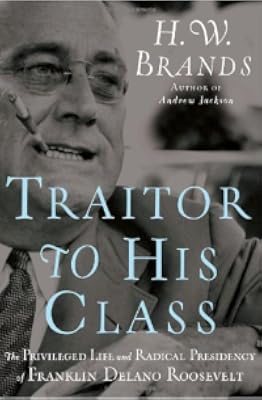
Traitor to His Class: The Privileged Life and Radical Presidency of Franklin Delano Roosevelt
by H. W. Brands
On This Page
Description
A sweeping biography of the life and political career of Franklin Delano Roosevelt draws on archival materials, public speeches, interviews with family and colleagues, and personal correspondence to examine FDR's political leadership in a dark time of Depression and war, his championship of the poor, his revolutionary New Deal legislation, and his legacy for the future.Tags
Recommendations
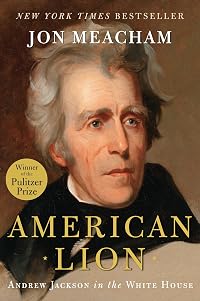

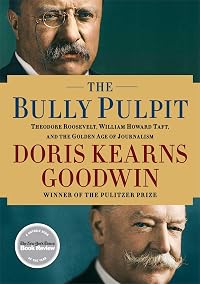

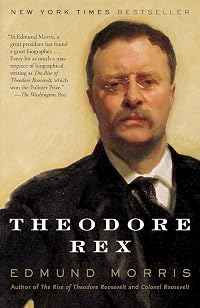
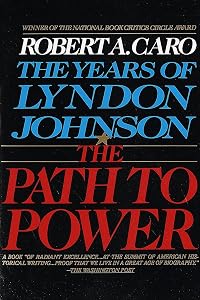




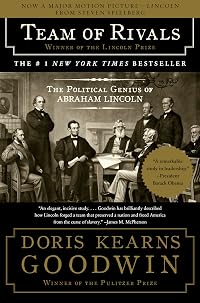
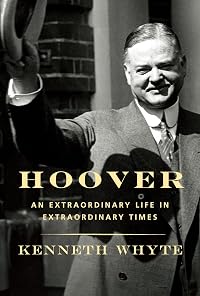
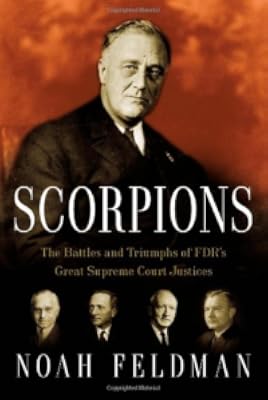
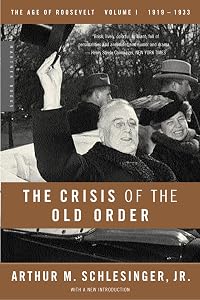


Member Recommendations

Member Reviews
I know a lot about WW2, a little about the New Deal, and almost nothing about Franklin Delano Roosevelt, despite considering him one of the greatest American presidents. Brands' comprehensive biography corrects that gap.
The throughline of the book is FDR's good luck, with the exception of the polio which paralyzed him. FDR came from a privileged background, the only child of his overbearing mother Sara and much older father James. He was very much a Delano, a Democrat in the upper-class Republican society he swam in. He was educated at Groton and Harvard, and became an avid sailor. His natural charm and likeability let him sail through life.
The first major stroke of luck was the election of Woodrow Wilson in 1912. Republicans were the show more natural majority party in the late 19th and early 20th century, with the Democrats an uneasy alliance of Southern segregationist, urban ethnic machines like Tammany Hall, and Western populists. Teddy Roosevelt's 3rd party run split the ticket, and Wilson slipped into office. FDR finagled an appointment as assistant navy secretary, a job which became much more important and interesting with the outbreak of World War I.
The polio which paralyzed him in 1921 proved a hidden blessing. He sat out the Republican dominated politics of the 1920s, which might have shortened his career. Time spent recuperating at Warm Springs in Georgia gave him a first-hand appreciation for rural poverty. A squeaker of an election in 1928 made him governor of New York, giving him executive experience. When the stock market crashed in 1929 and Hoover's laissez-faire politics proved entirely incapable of stabilizing the economy, a ham sandwich could have been elected on the Democratic ticket in 1932.
Fortunately for American, Roosevelt was anything but inert. His was the first political 100 days, a common measuring stick for new Presidents between the time between his inauguration and the summer Congressional recess. He passed a bevy of New Deal legislation, stabilizing the dollar and starting a variety of public relief projects and three letter agencies. The New Deal was a bold intervention into political economy, a statement that capitalist self-interest could become collective failure, and that a strong visible hand was necessary to achieve common good.
The actual record of the New Deal is mixed. The landmark National Industrial Recovery Act was overturned by the Supreme Court, and Roosevelt's court-packing plan was his key political defeat. The economy sputtered again as New Deal measures were unwound, causing a second depression. For clear victories, Social Security has become a fundamental part of America.
Roosevelt was also a farsighted internationalist in a period of blinkered isolation, and did a solid job preparing America for World War 2 and then leading the Allies. This book focuses on grand strategy, and Roosevelt's use of personal relationships to try and push for international idealism against Churchill's imperialism and Stalin's totalitarianism. For all its flaws, the UN succeeded where the League of Nations failed immediately, and both empires were substantially unwound by the end of the 20th century.
Roosevelt was increasingly lonely later in life. Emotional repression was the style of his background. He and Eleanor had drifted apart decades ago, their marriage now a matter of political convenience. Old friends like Harry Hopkins and Louis Howe had died. The power of the Presidency was too much to create new ones. Roosevelt died before the war was won.
A few things come clear as lessons. Roosevelt was a master of the press and popular outreach. His radio fireside chats were a novel advance in linking the President to the people. His weekly press conferences managed to keep DC reporters on his side, allowing for friendly coverage. He picked people who could get things done, and his style of managerial chaos seemed to succeed. The basic lessons: work the people, work the press, and damn the norms, are key lessons for Washington success. It's a shame that only the worst people in the world remember them. show less
The throughline of the book is FDR's good luck, with the exception of the polio which paralyzed him. FDR came from a privileged background, the only child of his overbearing mother Sara and much older father James. He was very much a Delano, a Democrat in the upper-class Republican society he swam in. He was educated at Groton and Harvard, and became an avid sailor. His natural charm and likeability let him sail through life.
The first major stroke of luck was the election of Woodrow Wilson in 1912. Republicans were the show more natural majority party in the late 19th and early 20th century, with the Democrats an uneasy alliance of Southern segregationist, urban ethnic machines like Tammany Hall, and Western populists. Teddy Roosevelt's 3rd party run split the ticket, and Wilson slipped into office. FDR finagled an appointment as assistant navy secretary, a job which became much more important and interesting with the outbreak of World War I.
The polio which paralyzed him in 1921 proved a hidden blessing. He sat out the Republican dominated politics of the 1920s, which might have shortened his career. Time spent recuperating at Warm Springs in Georgia gave him a first-hand appreciation for rural poverty. A squeaker of an election in 1928 made him governor of New York, giving him executive experience. When the stock market crashed in 1929 and Hoover's laissez-faire politics proved entirely incapable of stabilizing the economy, a ham sandwich could have been elected on the Democratic ticket in 1932.
Fortunately for American, Roosevelt was anything but inert. His was the first political 100 days, a common measuring stick for new Presidents between the time between his inauguration and the summer Congressional recess. He passed a bevy of New Deal legislation, stabilizing the dollar and starting a variety of public relief projects and three letter agencies. The New Deal was a bold intervention into political economy, a statement that capitalist self-interest could become collective failure, and that a strong visible hand was necessary to achieve common good.
The actual record of the New Deal is mixed. The landmark National Industrial Recovery Act was overturned by the Supreme Court, and Roosevelt's court-packing plan was his key political defeat. The economy sputtered again as New Deal measures were unwound, causing a second depression. For clear victories, Social Security has become a fundamental part of America.
Roosevelt was also a farsighted internationalist in a period of blinkered isolation, and did a solid job preparing America for World War 2 and then leading the Allies. This book focuses on grand strategy, and Roosevelt's use of personal relationships to try and push for international idealism against Churchill's imperialism and Stalin's totalitarianism. For all its flaws, the UN succeeded where the League of Nations failed immediately, and both empires were substantially unwound by the end of the 20th century.
Roosevelt was increasingly lonely later in life. Emotional repression was the style of his background. He and Eleanor had drifted apart decades ago, their marriage now a matter of political convenience. Old friends like Harry Hopkins and Louis Howe had died. The power of the Presidency was too much to create new ones. Roosevelt died before the war was won.
A few things come clear as lessons. Roosevelt was a master of the press and popular outreach. His radio fireside chats were a novel advance in linking the President to the people. His weekly press conferences managed to keep DC reporters on his side, allowing for friendly coverage. He picked people who could get things done, and his style of managerial chaos seemed to succeed. The basic lessons: work the people, work the press, and damn the norms, are key lessons for Washington success. It's a shame that only the worst people in the world remember them. show less
I was given this audiobook as a gift and found it to be a good, though perhaps overly brief overview of the life of one of our most controversial and celebrated Presidents. I suspect that my version (10 1/2 hours) is an abridged version, though I do not see that printed on the CD container. The book is perhaps more detailed.
My great grandfather, an entrepreneur from the early 20th century despised Roosevelt more than the devil. The New Deal, support of organized labor, the income tax, socialism, all went against everything he believed in. He was convinced that World War II saved Roosevelt from defeat in the 1940 election and a lasting and deserved reputation as an abject failure as President. Nevertheless, World War II did in fact lift show more the country out of the Great Depression, and lifted Roosevelt into the pantheon of our most celebrated Presidents.
This book is a fair and balanced treatemnt of Roosevelt's life. It is not a hagiography and gives the failures as well as the successes of Roosevelt's life and Presidency. show less
My great grandfather, an entrepreneur from the early 20th century despised Roosevelt more than the devil. The New Deal, support of organized labor, the income tax, socialism, all went against everything he believed in. He was convinced that World War II saved Roosevelt from defeat in the 1940 election and a lasting and deserved reputation as an abject failure as President. Nevertheless, World War II did in fact lift show more the country out of the Great Depression, and lifted Roosevelt into the pantheon of our most celebrated Presidents.
This book is a fair and balanced treatemnt of Roosevelt's life. It is not a hagiography and gives the failures as well as the successes of Roosevelt's life and Presidency. show less
Brands presents a serviceable and highly readable biography of Franklin D. Roosevelt. No real new ground is broken here, but it is pretty good. Brands does have a tendency, with much of academe, to laud and whitewash FDR of his faults, however. FDR's affairs are lightly explained away. His ineptitude at actually getting rid of the Great Depression is glossed over. Guess what? FDR and the New Deal did nothing to get rid of the Great Depression. All the agencies, all the welfare, all the dole, all the money, it hired some people temporarily and built some nice monuments and parks, but the economy did not recover until 1941 (when the US was building war material and supplying our future war allies). Brands, like many a liberal, covers this show more up by saying that at least things were getting better. The New Deal was a racket, which many newer books will show. For instance FDR's Folly which not only shows the economy did not get better but that much of the money went not to those who needed it most but the constituencies Democrats most needed to "buy" for votes. Amity Shlaes's great The Forgotten Man shows, from a more social side, how the New Deal really didn't fix anything. The 1937 Roosevelt Recession? Only on one measly page, and spliced into war stuff so it doesn't seem important, does Brands admit that FDR did not fix the economy (p. 536): "...in private he [FDR] was honest enough to recognize the New Deal's central failure—to end the depression itself." The Tehran and Yalta conferences are covered well, but FDR's fawning belief in Stalin and his belief that he could "control" Stalin are glossed over. Finally, whereas almost all other historical figures are brought to task for their failures at encourage equal civil rights for black Americans (even, as of late, progressive hero Woodrow Wilson is being called to the carpet), FDR is here given a pass. Not willing to stir up a hornets nest among the southern Democrats (who were progressives, Brands, not conservatives, as you say a million times—they wanted and voted for progressive, statist, government-growing policies), FDR did no pushing on the issue of civil rights. He didn't even support a bill that would make lynching a federal crime. Tsk. But, this is all elided by Brands. No muck must encrust the crown of the sainted, liberal-progressive hero Franklin Delano Roosevelt, who saved us with the New Deal and defeated the perfidious Hitler.
All-in-all, a good biography of FDR, a bit fawning (but almost all of them are). Well-written, lucid, good coverage. show less
All-in-all, a good biography of FDR, a bit fawning (but almost all of them are). Well-written, lucid, good coverage. show less
I thoroughly enjoyed this book. Brands' style is very readable. He clearly differentiates speculation from fact. He clearly recognizes FDR's feet of clay while extolling his political genius and leadership skills.
Brand's Traitor to His Class is a highly fact-filled read on the political life of FDR. While the title suggests a more analytical approach, it is in fact a highly narrative one. Brand focuses a great deal on FDR during the New Deal period and less so on the WW2 period. Clearly this period was the one in which FDR was considered a "traitor" to his upper class roots but as Brand correctly shows, once the war began, FDR turned away from labor and towards big business. While this switch from "Dr. New Deal" towards "Dr. Win the War" was certainly an important part of FDR's approach, it seems evident that he was getting ready to turn once again towards the working class and the poor with his "Second Bill of Rights" proposals near the end of show more both his life and WW2.
As with most biographies of FDR, he comes across as a brilliant politician who was able to navigate a wide variety of interests with a contradictory combination of charm and brutal political shrewdness. FDR was an idealist only to a degree, using the Constitution when it suited him and discarding it when it did not - as evidenced in both the attempted packing of the Supreme Court and the later internment of Japanese Americans. He had a way of maintaining a balance between different individuals to allow the best outcome to come forth. While this way of working often drove his contemporary subordinates to distraction in domestic affairs, the book highlights this trait as an indispensable asset on the international stage. It is clear that a man with a different political style could have had a negative impact on international relations for years to come. As it was, and in spite of the Cold War, one finishes reading Brand's work being grateful to have had a person with FDR's temperament leading the United States during such a tumultuous and unpredictable time, despite his numerous contradictions and faults. show less
As with most biographies of FDR, he comes across as a brilliant politician who was able to navigate a wide variety of interests with a contradictory combination of charm and brutal political shrewdness. FDR was an idealist only to a degree, using the Constitution when it suited him and discarding it when it did not - as evidenced in both the attempted packing of the Supreme Court and the later internment of Japanese Americans. He had a way of maintaining a balance between different individuals to allow the best outcome to come forth. While this way of working often drove his contemporary subordinates to distraction in domestic affairs, the book highlights this trait as an indispensable asset on the international stage. It is clear that a man with a different political style could have had a negative impact on international relations for years to come. As it was, and in spite of the Cold War, one finishes reading Brand's work being grateful to have had a person with FDR's temperament leading the United States during such a tumultuous and unpredictable time, despite his numerous contradictions and faults. show less
It was good to get a lot of gaps filled in... FDR was responsible for a lot of things that are still relevant today. I wish it had been way more critical, though. The author is in love with FDR.
Very good biography of FDR and his many talents. Although I very much liked the book I was disappointed that it did not do enough to describe the ideas of the people opposed to the FDR economic policies.
Members
- Recently Added By
Published Reviews
ThingScore 100
H.W. Brands, writes with an ease not common among academic historians...Brands revisits all the familiar material with a storyteller’s touch, making Traitor to His Class a good beginner’s book for readers seeking a fuller sense of FDR’s life and times than the entertainment media can provide. He also conveys a sense of the Roosevelt political genius at work.
added by LiteraryFiction
Lists

Best Biographies
216 works; 26 members

Chronological 2015
39 works; 1 member

Biographies of American Presidents
39 works; 4 members

r/History Recommended Reading List
603 works; 12 members
Author Information

55+ Works 12,107 Members
H.W. Brands was born Henry William Brands in Oregon. He graduated from Stanford University in 1975 with a B.A. in history, and from Jesuit High School in Portland, Oregon. He went on to earn his graduate degree in mathematics and history in Oregon and Texas. He taught at Vanderbilt University and Texas A&M University before he joined the faculty show more at the University of Texas at Austin. He acquired the title of Dickson Allen Anderson Centennial Professor of History at the U of Texas. He specializes in American History and politics, with books including Traitor to His Class, Andrew Jackson, The Age of Gold, the First American, and TR. Several of his books have been best sellers, including one recently published, The General vs. the President. Two of them - Traitor to His Class and The First American were finalist for the Pulitzer Prize. He lectures often on historical and current events and he can be seen and heard on national television and radio programs. (Bowker Author Biography) H. W. Brands lives in Austin, Texas. (Publisher Provided) H. W. Brands is Distinguished Professor of History and Ralph R. Thomas '21 Professor in Liberal Arts, Texas A&M University. (Bowker Author Biography) show less
Some Editions
Awards and Honors
Awards
Distinctions
Common Knowledge
- Original publication date
- 2008
- People/Characters
- Franklin Delano Roosevelt; Eleanor Roosevelt; Sara Delano Roosevelt; Louis Howe; Harry Hopkins; Al Smith
- Important places
- Hyde Park, New York, USA; New York, USA; Washington, D.C., USA; White House, Washington, D.C., USA
- Important events
- Great Depression; World War II (1939 | 1945); World War I (1914 | 1918); United States presidential election (1920); United States presidential election (1932); United States presidential election (1936) (show all 15); United States presidential election (1940); United States presidential election (1944); World War II, Pacific Theater (1941-12-07 | 1945-09-02); Lend Lease (1941 | 1945); Atlantic Conference (1941); Casablanca Conference (1943); Quebec Conference (1943); Tehran Conference (1943); Yalta Conference (1945)
- First words
- Franklin Roosevelt's Sunday morning began as most of his Sundays began: with a cigarette and the Sunday papers in bed. -- Prologue
Warren Delano spoiled all his children but Sara especially. - Chapter 1 - Last words
- (Click to show. Warning: May contain spoilers.)Pendar watched through the rear window as the president's plane gained speed. Churchill couldn't look. "Don't tell me when they take off. It makes me far too nervous." He touched Pendar's arm. "If anything happened to that man, I couldn't stand it. He is the truest friend; he has the farthest vision; he is the greatest man I've ever known."
- Blurbers
- Beschloss, Michael; Oshinsky, David; Meacham, Jon; Goodwin, Doris Kearns
Classifications
- Genres
- History, Biography & Memoir, Nonfiction, General Nonfiction
- DDC/MDS
- 973.917092 — History & geography History of North America United States 1901- World Wars and Depression Era (1901-1953) Franklin Delano Roosevelt (1933-1937) New Deal, Social Security Act Standard subdivisions History, geographic treatment, biography Biography
- LCC
- E807 .B735 — History of the United States United States Twentieth century Franklin Delano Roosevelt's administrations,
- BISAC
Statistics
- Members
- 1,074
- Popularity
- 23,861
- Reviews
- 23
- Rating
- (4.12)
- Languages
- English
- Media
- Paper, Audiobook, Ebook
- ISBNs
- 8
- ASINs
- 13