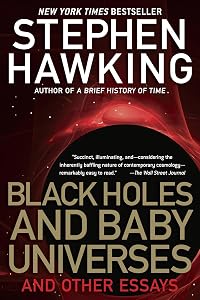
Black Holes and Baby Universes and Other Essays
by Stephen W. Hawking
On This Page
Description
NEW YORK TIMES BESTSELLER • Thirteen extraordinary essays shed new light on the mystery of the universe—and on one of the most brilliant thinkers of our time.In his phenomenal bestseller A Brief History of Time, Stephen Hawking literally transformed the way we think about physics, the universe, reality itself. In these thirteen essays and one remarkable extended interview, the man widely regarded as the most brilliant theoretical physicist since Einstein returns to reveal an amazing show more array of possibilities for understanding our universe.
Building on his earlier work, Hawking discusses imaginary time, how black holes can give birth to baby universes, and scientists’ efforts to find a complete unified theory that would predict everything in the universe. With his characteristic mastery of language, his sense of humor and commitment to plain speaking, Stephen Hawking invites us to know him better—and to share his passion for the voyage of intellect and imagination that has opened new ways to understanding the very nature of the cosmos.
. show less
Tags
Recommendations







Member Recommendations
Member Reviews
As other viewers have noted, this is not a book in the same mode of [b:A Brief History of Time|3869|A Brief History of Time|Stephen Hawking|https://d2arxad8u2l0g7.cloudfront.net/books/1333578746s/3869.jpg|2192250]; it is a compendium of assorted essays and interviews and talks from 1976-1992. If you're curious to discover more of Stephen Hawking the man and evolving physicist (essays 1-6, and the interview at the end), this is your book. If you're look for more popular science, this is probably not it--though the science essays (7-13) are still devoid of the complex formulae found in whitepapers.
Hawking emerges from these pages a brilliant man who has persevered and maintained a solid character of balance and optimism in the face of show more detrimental physical limitation. He states that, after diagnosis, he "felt somewhat of a tragic character" and "took to listening to Wagner," but he also clears up the media-marketed rumors that he drank heavily (23). He presents his position that the physicist view of "reality" is really just a mathematical model used to describe observations--further, "[i]t is no good appealing to reality because we don't have a model independent (sic) concept of reality" (44).
In one essay, he cleverly refutes the anthropic principle (53); in another he makes clear that physicists, i.e. "the people who actually make the advances," do not think in terms of the categories that historians and philosophers subsequently assign to them (42); and in yet another he says that his desert island music would be Mozart's Requiem and his desert island book would be George Eliot's [b:Middlemarch|19089|Middlemarch|George Eliot|https://d2arxad8u2l0g7.cloudfront.net/books/1386924110s/19089.jpg|1461747] (keeping in mind that Shakespeare and the Bible are implied).
My head turned at this book selection. Stephen Hawking reading Middlemarch? Alas, he is a dynamic human being after all. show less
Hawking emerges from these pages a brilliant man who has persevered and maintained a solid character of balance and optimism in the face of show more detrimental physical limitation. He states that, after diagnosis, he "felt somewhat of a tragic character" and "took to listening to Wagner," but he also clears up the media-marketed rumors that he drank heavily (23). He presents his position that the physicist view of "reality" is really just a mathematical model used to describe observations--further, "[i]t is no good appealing to reality because we don't have a model independent (sic) concept of reality" (44).
In one essay, he cleverly refutes the anthropic principle (53); in another he makes clear that physicists, i.e. "the people who actually make the advances," do not think in terms of the categories that historians and philosophers subsequently assign to them (42); and in yet another he says that his desert island music would be Mozart's Requiem and his desert island book would be George Eliot's [b:Middlemarch|19089|Middlemarch|George Eliot|https://d2arxad8u2l0g7.cloudfront.net/books/1386924110s/19089.jpg|1461747] (keeping in mind that Shakespeare and the Bible are implied).
My head turned at this book selection. Stephen Hawking reading Middlemarch? Alas, he is a dynamic human being after all. show less
Tras el exitazo cósmico de "Una breve historia del tiempo", el maestro Hawking empezó a darle a la manivela y produjo unos cuantos libros que, seguro, no estaban previstos inicialmente. Éste es uno de ellos, una colección de breves artículos que empiezan con lo biográfico (mi bisabuelo era de Sussex y se arruinó por comprar demasiadas granjas) y terminan con lo filosófico (hablemos de cómo la mecánica cuántica es compatible con el libre albedrío) pasando por el camino por bastante física. Un libro corto, disfrutable y muy bien escrito que se lee mucho más fácilmente que el primero del autor.
A long drive called for a good audio book. Black Holes and Baby Universes and Other Essays by Stephen Hawking fit the bill. Hawking is the famous physicist who also has ALS.
Hawking published this book in 1993, five years after he published his bestseller A Brief History of Time.
I wanted to post this review as soon as I could while I could still remember and sort of understand the gist of what Hawking was saying. The first 1/4 of the book is autobiographical, him explaining his upbringing and love for cosmology. The rest are a compilation of essays and lectures he gave to various groups over two decades.
Hawking's research has primarily been on black holes. Much of what we know/suspect about black holes can be attributed to him. I'm awed show more by the mathematical concepts that had to be invented to do the research that he and other physicists do. There's a point where mathematics becomes philosophical-- and that is the deep soul of physics and cosmology.
His lectures always point to the quest for the grand unified theory of the universe (GUT). This is the one theory that will explain how everything in the universe works. As the years in the lectures progress, it becomes obvious to me that the GUT becomes a sort of deity, Hawking has said if we can know it we "can know the mind of God." It raises all sorts of philosophical questions about predestination and free will.
Here's the main point I got from the book and Hawking's work: If the universe is unlimited in scope then the laws of physics were the same at its creation as they are now. The universe was not created nor can be destroyed--it just is.
However, if the universe is actually limited in scope, then the laws of physics didn't apply at its creation as they do today. Some outside entity must be responsible for its creation.
Hawking believes the former, and I'm betting on the latter.
Hawking invented something called imaginary time. Kind of complex to attempt to explain here, essentially imaginary time is the sum of all possible points in time. Think about alternate realities, all the possible variations of possible histories. If you look at things through the lens of imaginary time (which is a heavy mathematical concept) then things like the Big Bang no longer become troublesome singularities where the laws of physics don't apply, but become like any other event in history.
Interestingly, Hawking believed in 1992 that the GUT was only about 20 years away, and inhabiting other planets less than 100 years away. Looks like is probably wrong on those. Apparently, new research has led Hawking to change his mind on some of his beliefs, and published another book recently. I've read recently about a high-powered particle accelerator being built to test several theories in physics. One guy in Hawaii is actually suing to get the scientists to stop because he fears they will create a black hole here on earth. The work of that particle accelerator will have profound implications for all of science, however.
This book reminded me that in talking about Biblical creation you have to start at the very beginning--when the universe was created. I think most Biblical creation apologists are biology-oriented and therefore don't have the mathematical understanding needed to develop a good Christian apologetic against theories like the ones Hawking purports. There are a few really good redeemed physicists out there, however. show less
Hawking published this book in 1993, five years after he published his bestseller A Brief History of Time.
I wanted to post this review as soon as I could while I could still remember and sort of understand the gist of what Hawking was saying. The first 1/4 of the book is autobiographical, him explaining his upbringing and love for cosmology. The rest are a compilation of essays and lectures he gave to various groups over two decades.
Hawking's research has primarily been on black holes. Much of what we know/suspect about black holes can be attributed to him. I'm awed show more by the mathematical concepts that had to be invented to do the research that he and other physicists do. There's a point where mathematics becomes philosophical-- and that is the deep soul of physics and cosmology.
His lectures always point to the quest for the grand unified theory of the universe (GUT). This is the one theory that will explain how everything in the universe works. As the years in the lectures progress, it becomes obvious to me that the GUT becomes a sort of deity, Hawking has said if we can know it we "can know the mind of God." It raises all sorts of philosophical questions about predestination and free will.
Here's the main point I got from the book and Hawking's work: If the universe is unlimited in scope then the laws of physics were the same at its creation as they are now. The universe was not created nor can be destroyed--it just is.
However, if the universe is actually limited in scope, then the laws of physics didn't apply at its creation as they do today. Some outside entity must be responsible for its creation.
Hawking believes the former, and I'm betting on the latter.
Hawking invented something called imaginary time. Kind of complex to attempt to explain here, essentially imaginary time is the sum of all possible points in time. Think about alternate realities, all the possible variations of possible histories. If you look at things through the lens of imaginary time (which is a heavy mathematical concept) then things like the Big Bang no longer become troublesome singularities where the laws of physics don't apply, but become like any other event in history.
Interestingly, Hawking believed in 1992 that the GUT was only about 20 years away, and inhabiting other planets less than 100 years away. Looks like is probably wrong on those. Apparently, new research has led Hawking to change his mind on some of his beliefs, and published another book recently. I've read recently about a high-powered particle accelerator being built to test several theories in physics. One guy in Hawaii is actually suing to get the scientists to stop because he fears they will create a black hole here on earth. The work of that particle accelerator will have profound implications for all of science, however.
This book reminded me that in talking about Biblical creation you have to start at the very beginning--when the universe was created. I think most Biblical creation apologists are biology-oriented and therefore don't have the mathematical understanding needed to develop a good Christian apologetic against theories like the ones Hawking purports. There are a few really good redeemed physicists out there, however. show less
Now nearly 20 years old, Stephen Hawking's collection of essays are rather a mixed bag. Some of his personal stories about his youth and contracting ALS have been repeated to some extent in other works, most of this I heard before. The quantum physics still causes glassy eyes, more so than the astrophysics anyway. On a windy day like today, though, the book had me contemplating whether a black hole the size of a proton (containing the mass of a mountain) could serve as a paperweight and keep the book from blowing shut.
Hawking is probably the most unique, remarkable scientist in human history -- not just for his achievements, but considering the debilitating handicap he has managed to overcome. I'll keep reading his stuff because show more comprehension seems so close...but my brain short circuits when I try to connect all of the dots (especially quantum dots). show less
Hawking is probably the most unique, remarkable scientist in human history -- not just for his achievements, but considering the debilitating handicap he has managed to overcome. I'll keep reading his stuff because show more comprehension seems so close...but my brain short circuits when I try to connect all of the dots (especially quantum dots). show less
სტივენ ჰოკინგის ესეების და ლექციების (და ინტერვიუ) ნაკრები, სადაც ის მისთვის ჩვეული ადვილად გასაგები ენით მოგიყვებათ კოსმოლოგიის იმ მთავარ საკითხებზე რომლებზეც კარიერის განმავლობაში მუშაობდა და ფიქრობდა.
მეცნიერული თემების გარდა, შეხვდებით ავტობიოგრაფიულ ესეებს, სტივენის show more ოჯახურ ცხოვრებას, ადრეულ სიყმაწვილის პერიოდს, დაავადების განვითარების და ოჯახის შექმნას. ოქსფორდის და კემბრიჯის პერიოდს, გაიგებთ როგორ დაიწერა სტივენის ბესტსელერი "დროის მოკლე ისტორია" და ა.შ.
ლექციების უმეტესობა 80-იანების მეორე ნახევრით და 90-იანების დასაწყისით თარიღდება, ასე რომ რამდენიმე ლექციის შემთხვევაში სამყაროს მომავლის წინასწარმეტყველებას რამდენიმე მნიშვნელოვანი პრობლემა და მთელი რიგი ინტერპრეტაციები და სცენარები აკლია. რაც სრულიად გასაგებია სამყაროს აჩქარებით გაფართოება და ბნელი ენერგია უფრო ახალი აღმოჩენებია, ეს ყოველივე გათვითცნობიერებულ მკითხველს აგრძნობიენებს რა სწრაფად იცვლება სურათი და რა მასშტაბებს აღწევს პროგრესი.
გარდა ზემოთ ნახსენები ფაქტისა ჰოკინგის ადვილად გასაგები ახსნის უნარი, მისწრებაა კოსმოლოგიაში გაუთვითცნობიერებელი მკითხველისთვის, რომელსაც ამავდროულად აინტერესებს კოსმოსური თემები და ეძებს მარტივ ენაზე დაწერილ წიგნს. თუმცა თავად კოსმოლოგიის და ფიზიკის სირთულე გარანტიას ვერ მისცემს ვერავის რომ ყველაფერი გასაგები იქნება. show less
მეცნიერული თემების გარდა, შეხვდებით ავტობიოგრაფიულ ესეებს, სტივენის show more ოჯახურ ცხოვრებას, ადრეულ სიყმაწვილის პერიოდს, დაავადების განვითარების და ოჯახის შექმნას. ოქსფორდის და კემბრიჯის პერიოდს, გაიგებთ როგორ დაიწერა სტივენის ბესტსელერი "დროის მოკლე ისტორია" და ა.შ.
ლექციების უმეტესობა 80-იანების მეორე ნახევრით და 90-იანების დასაწყისით თარიღდება, ასე რომ რამდენიმე ლექციის შემთხვევაში სამყაროს მომავლის წინასწარმეტყველებას რამდენიმე მნიშვნელოვანი პრობლემა და მთელი რიგი ინტერპრეტაციები და სცენარები აკლია. რაც სრულიად გასაგებია სამყაროს აჩქარებით გაფართოება და ბნელი ენერგია უფრო ახალი აღმოჩენებია, ეს ყოველივე გათვითცნობიერებულ მკითხველს აგრძნობიენებს რა სწრაფად იცვლება სურათი და რა მასშტაბებს აღწევს პროგრესი.
გარდა ზემოთ ნახსენები ფაქტისა ჰოკინგის ადვილად გასაგები ახსნის უნარი, მისწრებაა კოსმოლოგიაში გაუთვითცნობიერებელი მკითხველისთვის, რომელსაც ამავდროულად აინტერესებს კოსმოსური თემები და ეძებს მარტივ ენაზე დაწერილ წიგნს. თუმცა თავად კოსმოლოგიის და ფიზიკის სირთულე გარანტიას ვერ მისცემს ვერავის რომ ყველაფერი გასაგები იქნება. show less
This collection of essays by the famous Steven Hawking consists of pieces published by him between 1976 and 1992. Some chapters consist of autobiographical sketches, on his childhood, his education at Oxford and Cambridge, his experience with ALS (a motor disease), and his unexpected best-seller A Brief History of Time. One chapter deals with the future of theoretical physics, and another, with Einstein's ideas. (In discussing relativity, Hawking jokes: "you would have to fly around the earth 400 million times to add one second to your life; but your life would be reduced by more than that by all those airline meals")
Other essays in this collection deal with the origins of the universe, the future of the universe, the nature of black show more holes, and whether all events are determined (i.e., caused). (Regarding the latter, he answers "yes" but that "it might as well not be because we can never know what [result] has been determined.") A concluding piece is from a radio interview with BBC's "Desert Island Discs," in which Hawking reveals his five favorite/ indispensable recordings: "Gloria", by Polenc; Brahm's "Violin Concerto"; "The Valkyrie;" the Beatles' "Please Please Me"; and Edith Piaf's "je ne regrette rien".
All of the essays, even those dealing with astrophysics and cosmology, are quite readable by the general public. I found the autobiographical pieces less revealing than they might have been -- but Hawking guards his privacy, as he is of course entitled to do. Overall, I found these essays mildly interesting, and a reasonable introduction to life and ideas of one of history's greatest scientists. show less
Other essays in this collection deal with the origins of the universe, the future of the universe, the nature of black show more holes, and whether all events are determined (i.e., caused). (Regarding the latter, he answers "yes" but that "it might as well not be because we can never know what [result] has been determined.") A concluding piece is from a radio interview with BBC's "Desert Island Discs," in which Hawking reveals his five favorite/ indispensable recordings: "Gloria", by Polenc; Brahm's "Violin Concerto"; "The Valkyrie;" the Beatles' "Please Please Me"; and Edith Piaf's "je ne regrette rien".
All of the essays, even those dealing with astrophysics and cosmology, are quite readable by the general public. I found the autobiographical pieces less revealing than they might have been -- but Hawking guards his privacy, as he is of course entitled to do. Overall, I found these essays mildly interesting, and a reasonable introduction to life and ideas of one of history's greatest scientists. show less
Unfortunately, it was no better than a recap by way of various essays of his more well-known work. Very readable, but no new info. I should have just done a little rereading.
Members
- Recently Added By
Lists

Books referenced in Jim Holt's Why Does the World Exist?
119 works; 1 member

BitLife
212 works; 4 members
Author Information

135+ Works 55,026 Members
Stephen William Hawking was born in Oxford, England on January 8, 1942. He received a first class honors degree in natural science from Oxford University and a Ph.D. from Cambridge University. He was a theoretical physicist and has held the post of Lucasian Professor of Mathematics at Cambridge University from 1982 until his death. In 1974, he was show more elected a Fellow of the Royal Society, the world's oldest scientific organization. In 1963, he learned he had amyotrophic lateral sclerosis, a neuromuscular wasting disease also known as Lou Gehrig's disease. The disease confined him to a wheelchair and reduced his bodily control to the flexing of a finger and voluntary eye movements, but left his mental faculties untouched. He became a leader in exploring gravity and the properties of black holes. He wrote numerous books including A Brief History of Time: From the Big Bang to Black Holes, Black Holes and Baby Universes, On the Shoulders of Giants, A Briefer History of Time, The Universe in a Nutshell, The Grand Design, and Brief Answers to the Big Questions. In 1982, he was named a commander of the British Empire. A film about his life, The Theory of Everything, was released in 2014 and was based on his first wife Jane Hawking's book Traveling to Infinity: My Life with Stephen. He died on March 14, 2018 at the age of 76. (Bowker Author Biography) show less
Some Editions
Awards and Honors
Distinctions
Notable Lists
Series
Belongs to Publisher Series
Common Knowledge
- Original title
- Black Holes and Baby Universes and Other Essays
- Original publication date
- 1993
- People/Characters
- Frank Hawking; Isobel Hawking; Jane Hawking; Mary Hawking; Philippa Hawking; Stephen Hawking (show all 8); Roger Penrose; Dennis Schiama
- Important places
- University of Oxford; University of Cambridge; Cambridge, Cambridgeshire, England, UK; Oxford, Oxfordshire, England, UK
- First words
- I was born on January 8, 1942, exactly three hundred years after the death of Galileo.
This volume contains a collection of pieces that I wrote over the period 1976 to 1992. - Last words
- (Click to show. Warning: May contain spoilers.)I bet I'm having better weather than you.
- Original language
- English
Classifications
Statistics
- Members
- 2,226
- Popularity
- 9,122
- Reviews
- 12
- Rating
- (3.70)
- Languages
- 19 — Chinese, Czech, Danish, Dutch, English, French, German, Greek, Hebrew, Hungarian, Italian, Norwegian (Bokmål), Polish, Romanian, Slovenian, Spanish, Swedish, Turkish, Portuguese (Portugal)
- Media
- Paper, Audiobook, Ebook
- ISBNs
- 53
- UPCs
- 1
- ASINs
- 17