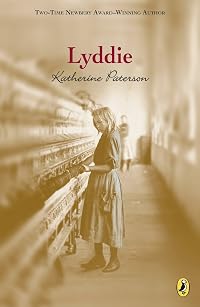
Lyddie
by Katherine Paterson
On This Page
Description
Impoverished Vermont farm girl Lyddie Worthen is determined to gain her independence by becoming a factory worker in Lowell, Massachusetts, in the 1840s.Tags
Recommendations

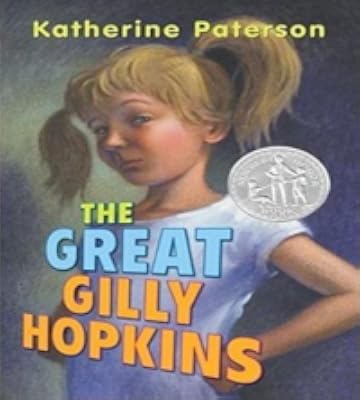
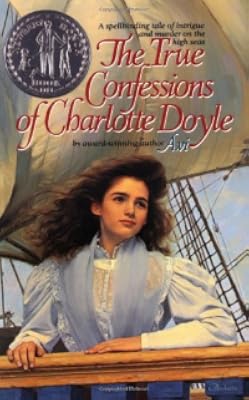
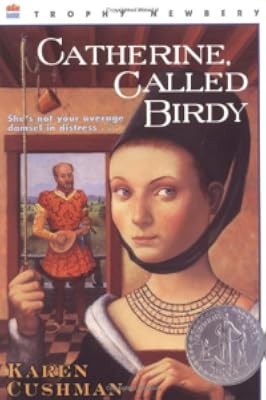
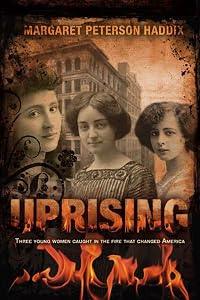
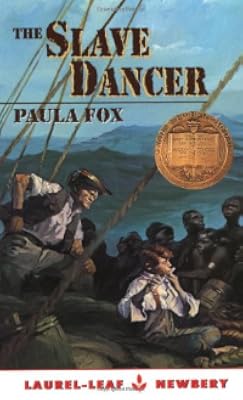
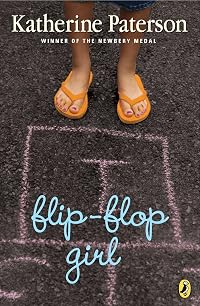
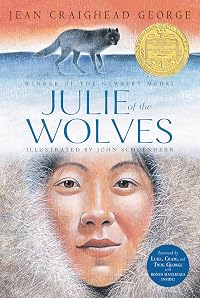
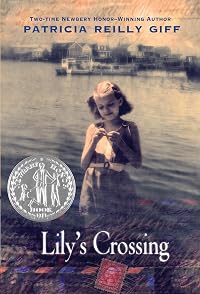
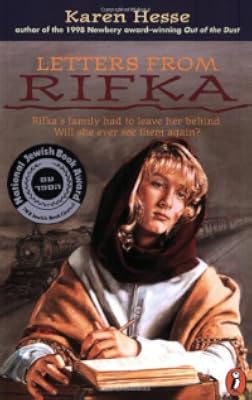
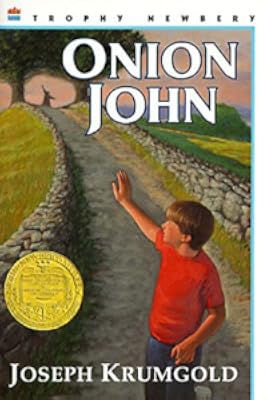
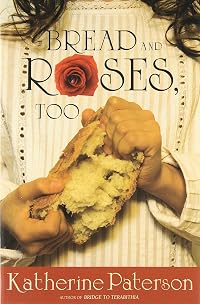
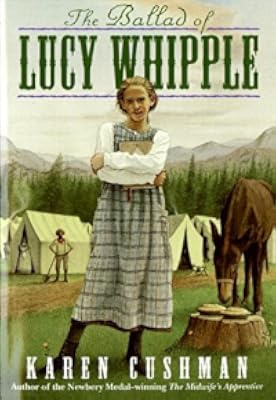
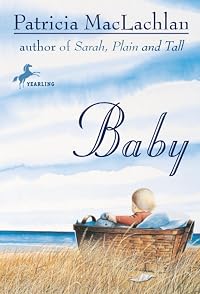
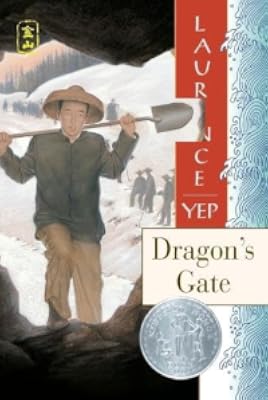
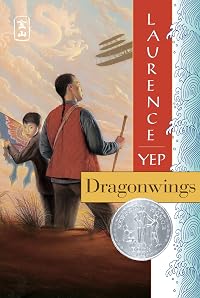
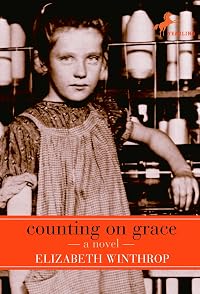
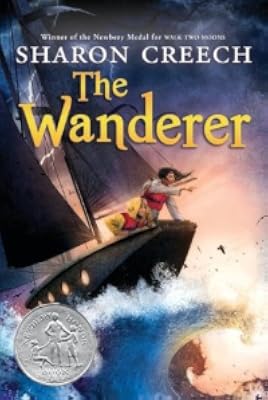

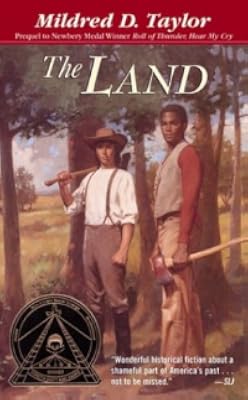
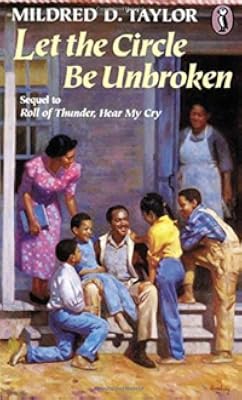
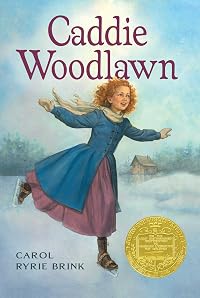
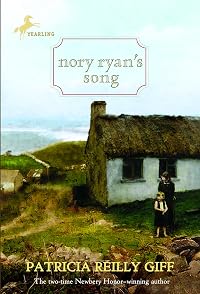
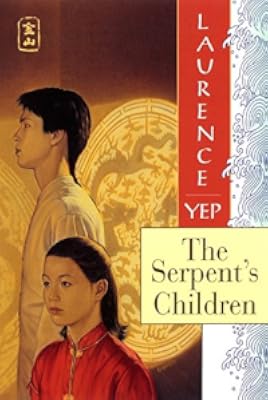
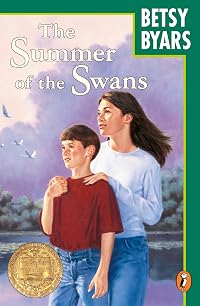
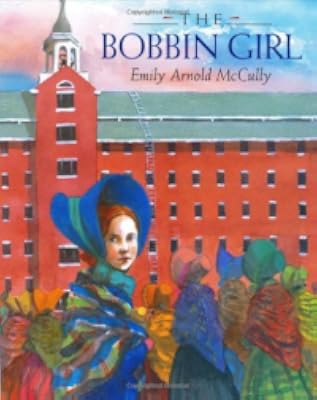
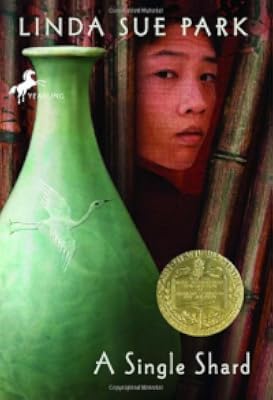
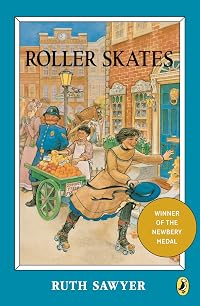

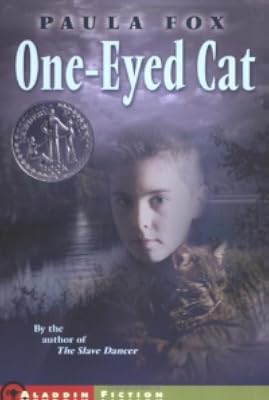
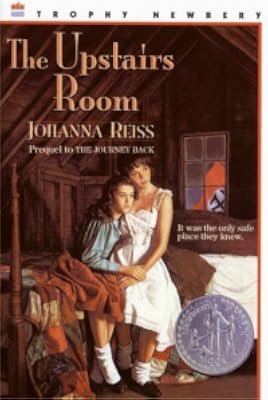

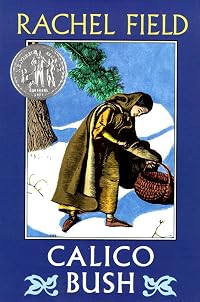
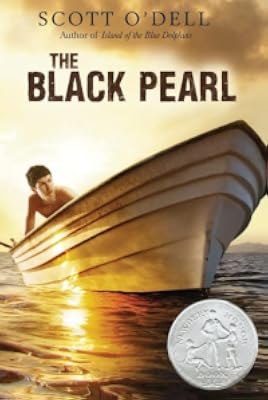
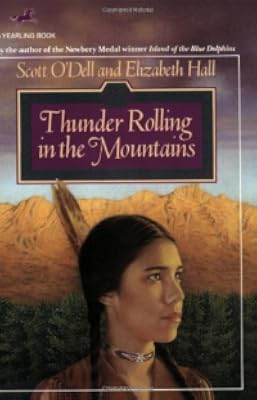
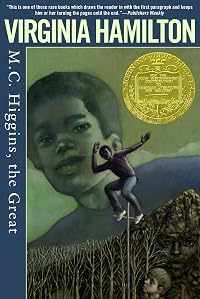
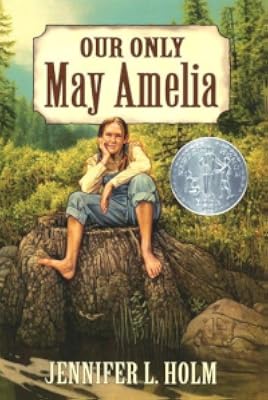
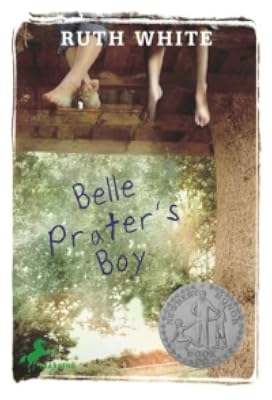
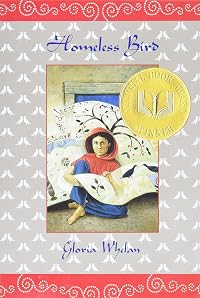
Member Recommendations

Member Reviews
PAINFUL! This book is like a colonoscopy. It's necessary. It provides needed information. You feel better for having made it through it. But, it is also unpleasant, tedious, and gives you a view of things you DON'T want to see but must see in order to grow. It was like watching a slow motion train wreck. Just when you think it can't get worse, along comes another car, this time with children spilling out the sides and being crushed all in glorious 4k slow motion! The book illustrates the horrible conditions that women endured in the mills of Lowell Massachusetts in the mid 1840's. The book covers Lyddie's slow decent into emotional desertification. By the time you get to the tiny ray of POSSIBLE hope at the end, the reader is show more emotionally exhausted or beginning to be as calloused as Lyddie herself.
I give it 4 stars because it is exceedingly accurate historically. I also give it high marks for being very well written. The book is immersive. This is why it is so difficult to get through. It literally immerses the reader in a living hell from which death or dismissal is the only escape. It is a very successful book that, though poignant at times, is a good read for young adults.
Teacher Supplement:
This would make a great book to highlight the WHY behind the women's suffrage movement, labor reform movement, or child labor reform movements. show less
I give it 4 stars because it is exceedingly accurate historically. I also give it high marks for being very well written. The book is immersive. This is why it is so difficult to get through. It literally immerses the reader in a living hell from which death or dismissal is the only escape. It is a very successful book that, though poignant at times, is a good read for young adults.
Teacher Supplement:
This would make a great book to highlight the WHY behind the women's suffrage movement, labor reform movement, or child labor reform movements. show less
I enjoyed this book more than I thought I would! Mom warned me that there’s one not-so-pleasant scene with a man trying to take advantage of a girl in it. Thankfully, even though I didn’t like reading that scene, I could appreciate how Paterson masterfully used that incident to illustrate the kind of dangers mill girls faced at times. (I also appreciated how that scene turned out.)
There are so many facets to this book. The textile mill work is the main background of the story, and I found that fascinating, as I haven’t read many books set in the US in the early 1840s. I enjoyed learning how the mills ran through Lyddie’s eyes.
Then there’s the family element of the story—I loved the relationship she had with her brother, and show more my heart broke over the way Lyddie’s family had to go their separate ways in their efforts to pay off debts. I also enjoyed watching Lyddie learn more about her world as she became literate—that was a lot of fun!
I was a little disappointed in the strong feminist slant in the story; personally, I feel like that element could have been handled differently.
This is a quick, fairly easy read, and because of the unique setting and heartwarming family element of the story, I intend to keep this book on the shelf. I’d recommend it to teens on up because of some of the content; I feel like it’s a bit mature for anyone younger. show less
There are so many facets to this book. The textile mill work is the main background of the story, and I found that fascinating, as I haven’t read many books set in the US in the early 1840s. I enjoyed learning how the mills ran through Lyddie’s eyes.
Then there’s the family element of the story—I loved the relationship she had with her brother, and show more my heart broke over the way Lyddie’s family had to go their separate ways in their efforts to pay off debts. I also enjoyed watching Lyddie learn more about her world as she became literate—that was a lot of fun!
I was a little disappointed in the strong feminist slant in the story; personally, I feel like that element could have been handled differently.
This is a quick, fairly easy read, and because of the unique setting and heartwarming family element of the story, I intend to keep this book on the shelf. I’d recommend it to teens on up because of some of the content; I feel like it’s a bit mature for anyone younger. show less
Lyddie is a well-written novel about a teenage farm girl who finds herself without means, home, or family at the height of the Industrial Revolution. Sent away by her mother to work off debts and faced with the loss of the family farm, Lyddie vows to make something of herself and return with her family to the only home she's ever known. Working first as a maid, she is soon lured to the textile mills of Lowell, Massachusetts, which hold the promise of independence and a steady income. In reality, factory life proves to be a soul-crushing experience, and Lyddie gradually awakens to the injustices imposed on her as a child, a female, and a laborer.
The book succeeds as historical fiction; we get a clear sense of time and place, the show more characters feel authentic to the setting, and the details seem right. Paterson captures the dreariness, discomfort, and exhaustion of working in an 19th century textile mill--the looms that require constant repair and correction, the infernal noise, the stifling air, the endless hours, the meager pay. We sense how trapped these girls feel as they discover how little of their income they get to take home after the mill deducts for room and board. We feel their frustration and anger at the factory system, which squeezes every drop of their energy for a subsistence wage and essentially blacklists anyone who seeks better working conditions elsewhere. And we understand their fear as they take the first risky steps toward correcting the abuses of the system.
Lyddie is a worthy if sober read. Young readers will feel good for having read it without necessarily enjoying the experience itself. There is precious little humor in the novel and no Dickensian sidekicks or villains to leaven the mood. (Lyddie's obsessive reading of Oliver Twist reminds us of what we're missing.) Instead, we get a down-to-earth portrait of a girl making her way in a hardscrabble world, learning from others, educating and advocating for herself, and finally charting a path to a better future. Lyddie herself is a remarkable character, a teenager of iron will and boundless fortitude who wins our awe and respect while being (for most contemporary readers) extremely difficult to relate to (this is not necessarily a criticism).
In the classroom, the book can be handily paired with historical texts for an interdisciplinary unit covering the Industrial Revolution, child labor, worker activism, various forms of slavery, or even the seeds of feminism. show less
The book succeeds as historical fiction; we get a clear sense of time and place, the show more characters feel authentic to the setting, and the details seem right. Paterson captures the dreariness, discomfort, and exhaustion of working in an 19th century textile mill--the looms that require constant repair and correction, the infernal noise, the stifling air, the endless hours, the meager pay. We sense how trapped these girls feel as they discover how little of their income they get to take home after the mill deducts for room and board. We feel their frustration and anger at the factory system, which squeezes every drop of their energy for a subsistence wage and essentially blacklists anyone who seeks better working conditions elsewhere. And we understand their fear as they take the first risky steps toward correcting the abuses of the system.
Lyddie is a worthy if sober read. Young readers will feel good for having read it without necessarily enjoying the experience itself. There is precious little humor in the novel and no Dickensian sidekicks or villains to leaven the mood. (Lyddie's obsessive reading of Oliver Twist reminds us of what we're missing.) Instead, we get a down-to-earth portrait of a girl making her way in a hardscrabble world, learning from others, educating and advocating for herself, and finally charting a path to a better future. Lyddie herself is a remarkable character, a teenager of iron will and boundless fortitude who wins our awe and respect while being (for most contemporary readers) extremely difficult to relate to (this is not necessarily a criticism).
In the classroom, the book can be handily paired with historical texts for an interdisciplinary unit covering the Industrial Revolution, child labor, worker activism, various forms of slavery, or even the seeds of feminism. show less
I enjoyed listening to this novel/audiobook about a young woman forced to move out into the world and make her way in 1840s New England. The characters are somewhat overly simplistic but not ridiculously so, and the story itself is engaging. The novel also ended at the right time in that it stopped before I grew bored and at a point where I really wanted to know what happened next.
(This is a title from the Build Your Library Level 5 curriculum booklist.)
(This is a title from the Build Your Library Level 5 curriculum booklist.)
I agreed to facilitate a book club for a group of homeschool kids who are reading novels related to the period in history that they are studying. First up was the Industrial Revolution! This book got mediocre reviews from the kids, but I really liked it. Lyddie's not the most lovable character, but her work ethic was so intense you had to be awed by her. I loved that she would tell herself (in her unfailingly modest way) that she could do anything because she once stared down a bear. Even the kids who were lukewarm on the book had to admit the way Lyddie fiercely fights for her family's future was impressive. I also found her relationship with money to be so interesting. She gives all her money away at one point, but later is a hardened show more skinflint.
In the book group we talked about child labor, labor reform, what it would be like to work at 14-hour day, and what we thought happened to Lyddie's father. show less
In the book group we talked about child labor, labor reform, what it would be like to work at 14-hour day, and what we thought happened to Lyddie's father. show less
I did not enjoy, "Lyddie", the central message of which was that one must always persevere through difficult times. While I felt the character of Lyddie was believable and well-developed, I was not able to relate to her struggles involving repaying her family's debts and child labor. My inability to relate to Lyddie made this book difficult for me to read. Additionally, I did not like the convoluted language used in the story (e.g., "Wrld has not cum to an end yit"). While I understand that the author likely used this language in order to give context to the time period in which the story took place, it made it difficult for me to decipher what the characters were trying to convey. One aspect of the story that I did like was its message show more of strength, perseverance, and persisting through difficult times. Although I did not feel that I could relate to the struggles of Lyddie, I did feel as though I could relate to the story's overarching message. show less
Lyddie's father is gone off for the gold rush and his whereabouts are unknown. Her mother is mentally unstable. Mother eventually takes the youngest two siblings and moves in with her brother in another town, leaving Lyddie and her younger brother on their own on the farm. Eventually, after struggling to survive together, they receive word that their mother has "hired them out" and they must leave their home to go work elsewhere. When Lyddie eventually loses her place where her mother had put her, she heads to the city on her own to be a factory girl, earing good money. Or so the idea is planted in her head. When she gets job in a factory, she quickly learns that things aren't as rosy as the picture she had in her mind.
A good historical show more novel about life for a mid 19th century factory worker. Lyddie is sympathetic, but not treacly. The reader cares about her and roots for her, but she remains a believable person, with plenty of weaknesses of her own. show less
A good historical show more novel about life for a mid 19th century factory worker. Lyddie is sympathetic, but not treacly. The reader cares about her and roots for her, but she remains a believable person, with plenty of weaknesses of her own. show less
Members
- Recently Added By
Lists

Fiction with Women's Names in the Title
378 works; 15 members

Books Set in Vermont
24 works; 4 members

Newbery Adjacent
747 works; 3 members
Author Information

73+ Works 56,564 Members
Katherine Paterson was born in Qing Jiang, Jiangsu, China in 1932. She attended King College in Bristol, Tennessee and then graduate school in Virginia where she studied Bible and Christian education. Before going to graduate school, she was a teacher for one year and after graduate school, she moved to Japan to be a missionary. Her first book, show more Sign of the Chrysanthemum was published in 1991. Other titles to follow included The Bridge to Terabithia and Jacod Have I Loved which both won her a Newbery Award, The Great Gilly Hopkins, Lyddie and The Master Puppeteer. In addition to the Newbery Award, she is the recipient of numerous others including the Scott O'Dell Award, the National Book Award for Children's Literature, the American Book Award, the American Library Association's Best Books for Young Adults Award and the New York Times Outstanding Books of the Year Award. She was also honored with the Hans Christian Anderson Award. (Bowker Author Biography) show less
Some Editions
Awards and Honors
Awards
Distinctions
Notable Lists
Work Relationships
Is contained in
Common Knowledge
- Canonical title
- Lyddie
- Original publication date
- 1991
- People/Characters
- Lyddie Worthen; Charles Worthen; Rachel Worthen; Luke Stevens; Ezekial Abernathy/ Ezekial Freeman; Diana Goss (show all 9); Brigid; Mr Marsden; Triphena
- Important places
- Lowell, Massachusetts, USA
- Related movies
- Lyddie (1996 | IMDb)
- Dedication
- For Stephen Pierce our third son and Friend in deed
- First words
- The bear had been their undoing, though at the time they had all laughed.
- Last words
- (Click to show. Warning: May contain spoilers.)We can still hop, Luke Stephens, Lyddie said, but not aloud.
Classifications
- Genres
- Fiction and Literature, Kids, Tween, Children's Books
- DDC/MDS
- 813.54 — Literature & rhetoric American literature in English American fiction in English 1900-1999 1945-1999
- LCC
- PZ7 .P273 .L — Language and Literature Fiction and juvenile belles lettres Fiction and juvenile belles lettres Juvenile belles lettres
- BISAC
Statistics
- Members
- 2,523
- Popularity
- 7,593
- Reviews
- 33
- Rating
- (3.70)
- Languages
- 8 — Chinese, Danish, English, German, Italian, Norwegian, Spanish, Swedish
- Media
- Paper, Audiobook, Ebook
- ISBNs
- 54
- UPCs
- 4
- ASINs
- 16