
On This Page
Description
In this continuation of the Cinderella story, fifteen-year-old Ella finds that accepting Prince Charming's proposal ensnares her in a suffocating tangle of palace rules and royal etiquette, so she plots to escape.Tags
Recommendations
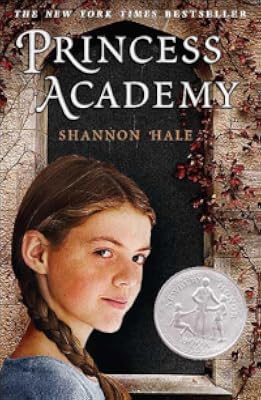
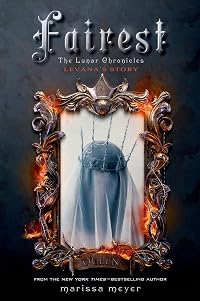
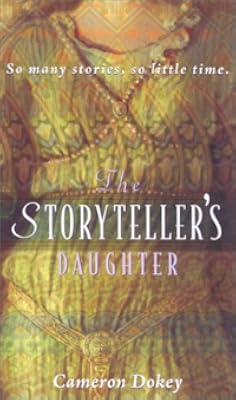
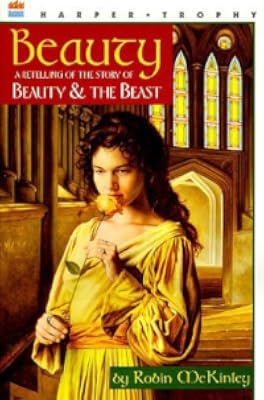
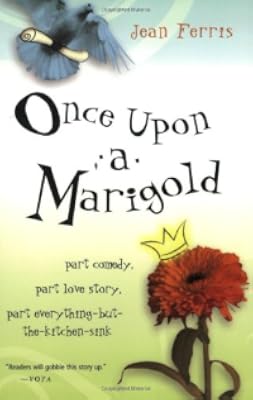

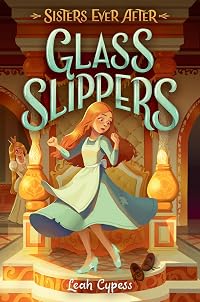
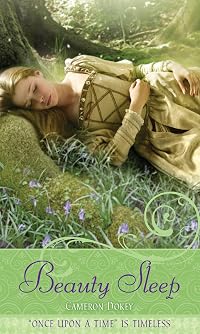
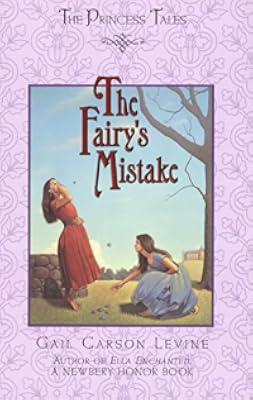
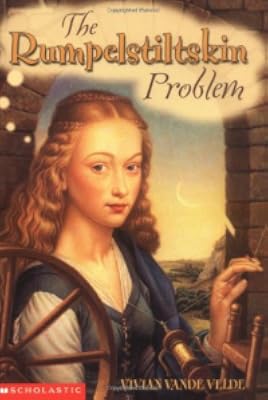
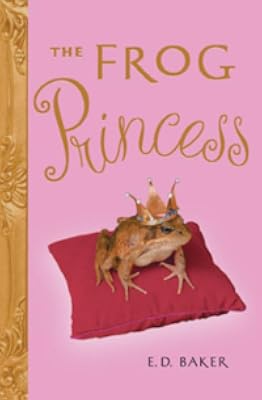
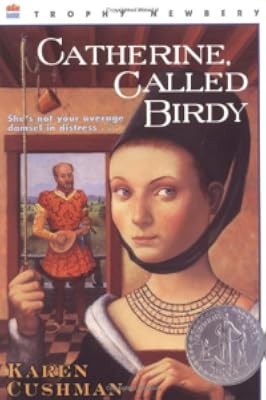
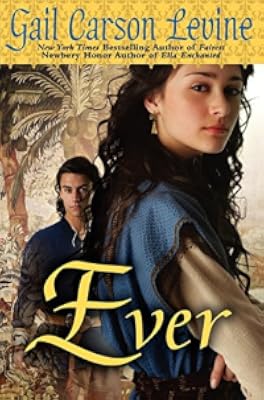
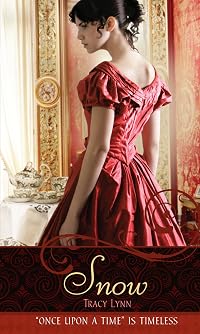
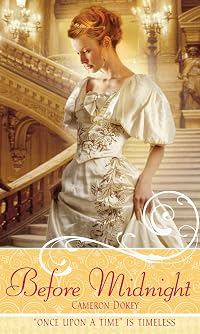
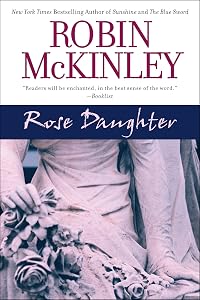
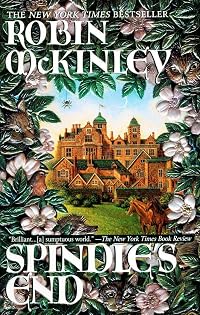
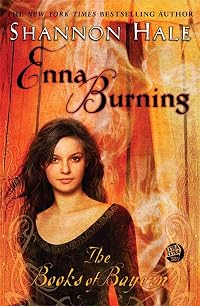
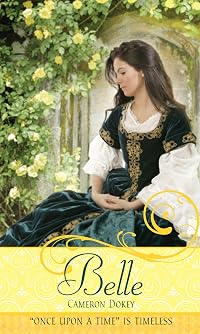
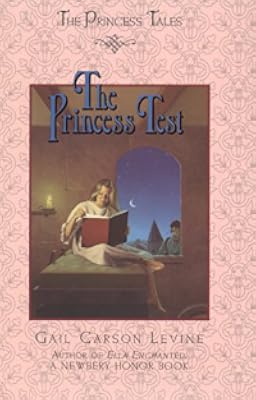
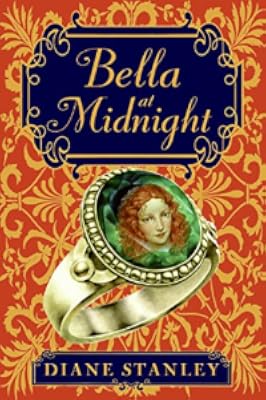
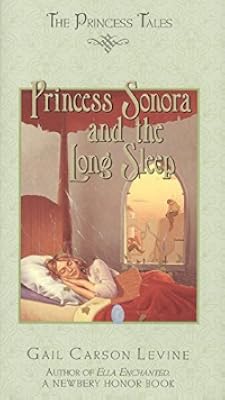
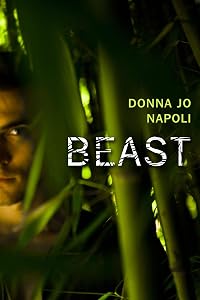
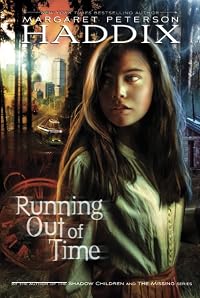
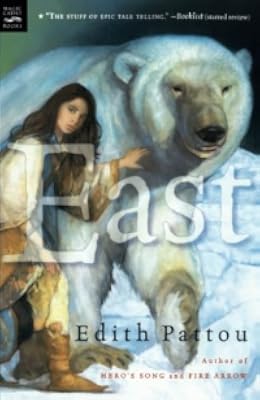
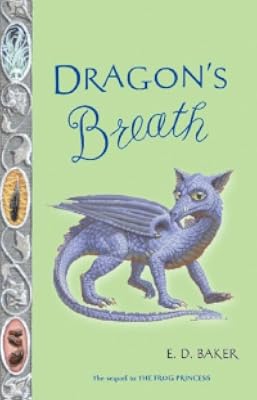
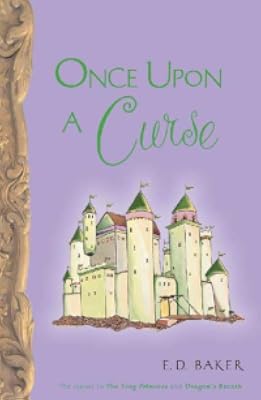
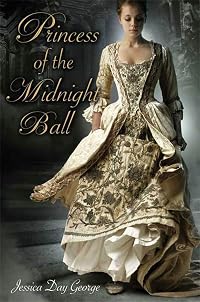
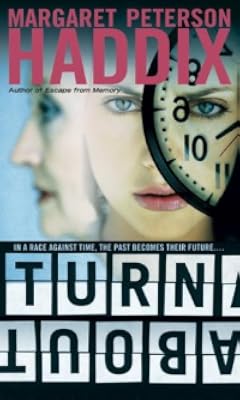
Member Recommendations
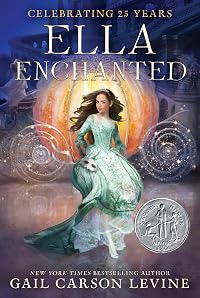
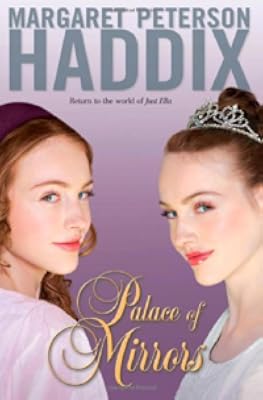
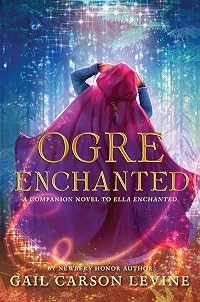
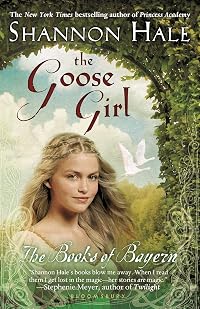
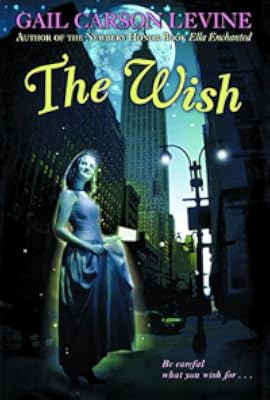
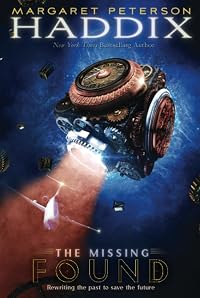
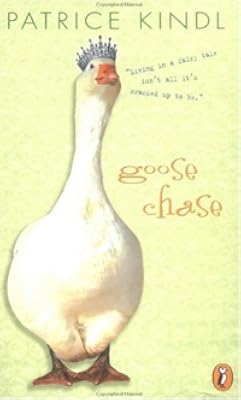
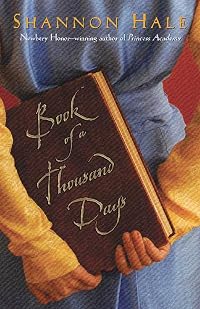
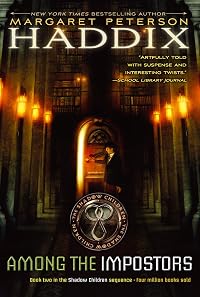
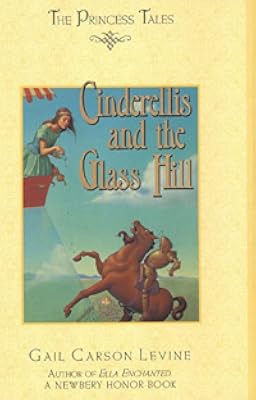
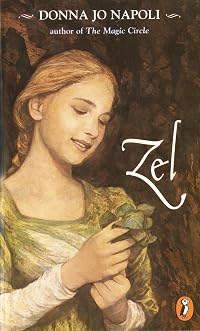
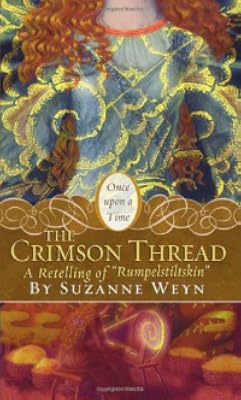
HollyMS Both stories are retellings of the classic fairy tale, Cinderella. I much prefer Ella Enchanted to Just Ella, however.

Member Reviews
Read in one sitting. Terribly enjoyable until I reached the last page and closed the cover and had a moment to think - wait, what? Because Haddix should be writing for adults. The Issues here are of power and gender coercion and rape and war and homelessness and identity - these aren't too heavy for children/young adults - but Haddix is bound by the early-2000's-YA-princess-book-format, and it stifles what could be a mature re-telling (for adults!) of the Cinderella fable. Ella isn't a fifteen year old telling her story; she's an adult, looking back. She writes "I was confused I was lonely I was uncertain I was desperate I was clever", but her sense-of-self isn't credible; it's an adult self-assurance, and even the most self-assured show more teen is bound by youth and relative inexperience.
... I felt like Ms. Haddix was tied up in the corsets she wrote about, unable to take a deep breath. She didn't have room to expand as much as she wanted to; her ideas were cramped up. Haddix/Ella never quite connected with most of the characters and settings. I'll blame it on the YA format, though, and hold out hopes for an adult novel to come.
Two stars because the faults overpower the good for me. And because the ending is terribly abrupt. And my copy has twenty or so pages from the "sequel" inserted at the back, and it gave the impression the book was coming to some more gentle conclusion, and it LIED (not Haddix's fault, but it pissed me off). show less
... I felt like Ms. Haddix was tied up in the corsets she wrote about, unable to take a deep breath. She didn't have room to expand as much as she wanted to; her ideas were cramped up. Haddix/Ella never quite connected with most of the characters and settings. I'll blame it on the YA format, though, and hold out hopes for an adult novel to come.
Two stars because the faults overpower the good for me. And because the ending is terribly abrupt. And my copy has twenty or so pages from the "sequel" inserted at the back, and it gave the impression the book was coming to some more gentle conclusion, and it LIED (not Haddix's fault, but it pissed me off). show less
I figure that the working title for Just Ella was Cinderella: The Day After, because that is pretty much what the story is about. Ella is a plucky orphan living under her step-mother's thumb who makes her own dress and sneaks to Prince Charming's ball where the prince falls in love with her, tracks her down, and whisks her away to the palace to be his fairy tale bride. At that point, this book begins.
Ella finds out that transforming from an active commoner into one of the idle nobility (actually, one of the idle female nobility, male nobles seem to be allowed to do things every now and then). She chafes at the enforced inactivity, the needlepoint, the etiquette lessons, and the religious instruction, looking forward only to her brief show more and boring visits with Prince Charming. At least until her aged religious instructor falls ill and has to be replaced by his far more interesting son. Over the course of much of the book, Ella comes to realize that her fairy tale ending isn't what she truly wanted. Eventually, she tries to break away, but learns that one simply cannot break a royal engagement - some fairly unpleasant pressure is brought to bear on her to relent and agree to marry Charming anyway. That doesn't deter our plucky girl though, she just shoulders on, saving herself from her predicament right up until the ambiguously happy ending.
The story is little more than modern revisionism applied to a traditional fairy tale, but it is reasonably well done revisionism. The only real problem with the book is that Ella is to a certain extent a little too perfect - she is beautiful AND an industrious worker AND improbably well-educated for a scullery maid AND extraordinarily compassionate and on and on. Her list of extensive virtues is coupled with no discernable faults resulting in a character that stretches credulity. On the other hand, this is a book aimed at younger readers, and one that built upon a fairy tale foundation, so this is probably to be expected to a certain extent.
As a side note, even though this is properly tagged "fantasy" (taking place in an undefined alternate world of princes, princesses, castles, carriages and royal balls), there isn't anything magical or fantastical about the story itself. Ella makes her own dress, finagles herself some glass slippers, gets to the ball herself, and has to leave by midnight for an entirely mundane reason. But while there is no direct magical elements to the story, most of the characters around Ella behave as if there should be, and behave with a kind of fairy tale sensibility.
In the end, the central message of the book - that one should be independent and judge others according to their character - is one that is fundamentally benign. This, coupled with decent storytelling makes this a perfect book to hand to a young girl interested in reading about plucky, independent, admirable heroines. show less
Ella finds out that transforming from an active commoner into one of the idle nobility (actually, one of the idle female nobility, male nobles seem to be allowed to do things every now and then). She chafes at the enforced inactivity, the needlepoint, the etiquette lessons, and the religious instruction, looking forward only to her brief show more and boring visits with Prince Charming. At least until her aged religious instructor falls ill and has to be replaced by his far more interesting son. Over the course of much of the book, Ella comes to realize that her fairy tale ending isn't what she truly wanted. Eventually, she tries to break away, but learns that one simply cannot break a royal engagement - some fairly unpleasant pressure is brought to bear on her to relent and agree to marry Charming anyway. That doesn't deter our plucky girl though, she just shoulders on, saving herself from her predicament right up until the ambiguously happy ending.
The story is little more than modern revisionism applied to a traditional fairy tale, but it is reasonably well done revisionism. The only real problem with the book is that Ella is to a certain extent a little too perfect - she is beautiful AND an industrious worker AND improbably well-educated for a scullery maid AND extraordinarily compassionate and on and on. Her list of extensive virtues is coupled with no discernable faults resulting in a character that stretches credulity. On the other hand, this is a book aimed at younger readers, and one that built upon a fairy tale foundation, so this is probably to be expected to a certain extent.
As a side note, even though this is properly tagged "fantasy" (taking place in an undefined alternate world of princes, princesses, castles, carriages and royal balls), there isn't anything magical or fantastical about the story itself. Ella makes her own dress, finagles herself some glass slippers, gets to the ball herself, and has to leave by midnight for an entirely mundane reason. But while there is no direct magical elements to the story, most of the characters around Ella behave as if there should be, and behave with a kind of fairy tale sensibility.
In the end, the central message of the book - that one should be independent and judge others according to their character - is one that is fundamentally benign. This, coupled with decent storytelling makes this a perfect book to hand to a young girl interested in reading about plucky, independent, admirable heroines. show less
Just Ella was one of my FAVORITE books growing up, and the reason is so obvious to me. There is so much girl power in this book, especially because it’s a middle grade book about princesses.
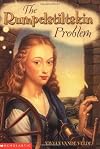
Something to note: the cover rebranding for this book is a hot mess. The original cover (which I’ve used in this review) shows a medieval-garbed princess with a tearaway to reveal her in common garb. This tearaway affect so much better exemplifies the book and show Ella’s struggle. The rebranded version is a modern looking ballerina princess on a pastel cover and is so misleading to the content within. So I just want to put that out there – not so much a princesses and royals and pleasant fluff sort of book.
Just Ella was written in 1999 and show more acquired by me at the Scholastic Book Fair that same year. I was ten. This was a book about a princess who maybe didn’t actually want to be a princess and even at ten years old, I knew this was going to be a good read. I never liked the Cinderella story and how fairy godmothers and magic pumpkins turned her ugly into pretty and then the prince loved her so she didn’t have to be a slave to her step-mother anymore! And, apparently, Margaret Peterson Haddix wasn’t a fan either. Because there’s a whole lot of #nope in this book and even at ten years old, I was HERE FOR IT. And I still am now.
This novel is a middle grade novel. It’s written in simple language and doesn’t have a lot of rising and falling action. The plot is very simple. The romance is quick and baseless. Just Ella isn’t here to win awards for flowery prose. It’s here to say that women should be valued for more than just beauty. Beauty is a huge theme throughout the book as (spoilers!) it turns out Charm was only interested in Ella in the first place because she was beautiful and the prince needed to have beautiful children. She’s been brought into the palace basically as a broodmare for her DNA. So you know, great love story.
Honestly, for a MG novel, this is pretty heavy. There’s a point where Ella is locked up for going against the palace and the man given as her jailer is a convicted rapist who is told that he can “do whatever her wants” with her if she refuses to marry the prince. The prince himself physically forces Ella down on a couch and tells her to stay like she’s an animal. The abuse Ella receives at the hands of the palace, especially in the later chapters, is horrifying. Madame Bisset, her etiquette mistress, basically tells Ella that this is the price for an ascent to power.
Um, metaphors for real life anyone? How many women have opened up about this same type of experience in the last few years? Being graded for their appearance, told they are only good for one thing, told they can only move forward in life if they give a man what they want? Or have had men leer at them like they were less than a person. This book is dark in that it discusses topics that have plagued women for ages, and it’s not subtle. I don’t think I’ve ever seen the word “rape” used in a MG novel before. But these topics are important to discuss and the no-bells-and-whistles way Haddix does it is accessible to the intended audience as a red flag situation. These people are villains. This is not acceptable behavior.
So, I have mountains of respect for the important social stance Haddix chose to take in this novel, especially in a time where anything vaguely resembling a feminist book was difficult to find… particularly in the middle grade fantasy genre? That stuff has only taken off in the last decade. Or less. But beyond that aspect, if you’re boiling it down to its simplest terms, Just Ella is also a story about happiness, money, and social status. Young girls, and I felt this hardcore in my generation, are wired to expect a Disney Princess happily ever after. Blame the rom coms that were so popular as we were growing up. We were taught that our lives were given value when a boy told us we were pretty and we wanted big weddings and pretty dresses, and to have lots of money and to be loved by a socially significant person. Like a doctor or a lawyer. Or a prince. And this book dares to say, “Listen. That material stuff? It’s bullshit. Find a person who you like, who you love, who you can talk to, and who makes you happy. Your physical appearance should be moot. Your social status should not matter. If you want a happily ever after, physical and material things won’t get you there.” There is also a few things at the end – like no saying “yes” immediately because #goals do not need to be “oh thank goodness I’m engaged, I have value as a person now!” and a partner who is respectful of your wishes. Also the ability to love another person but for each person to have their own separate identity outside the relationship?
There are so many things I like about the message in this book.
It has its gritty parts. There are a lot of scary things happening at the palace, but I am so proud of Ella coming to her own and saying the things she says. Honestly, this book has stayed with me for twenty years because it was so important in my formative years to hear these things being said in a world that was positively screaming the opposite. The writing itself is simple and easy, but the message is deeply important and I am so happy Haddix have the gumption to say it two decades ago when almost nobody else was.
So, from a mechanical perspective, Just Ella is very much written for MG readers. It’s not a challenging book. It’s not a deep book. It’s not even a particularly nice book. But. It is a good book with important things to remind young girls. The world is a horrible, scary place. Find people you can trust, and always remember that you have value. show less
Something to note: the cover rebranding for this book is a hot mess. The original cover (which I’ve used in this review) shows a medieval-garbed princess with a tearaway to reveal her in common garb. This tearaway affect so much better exemplifies the book and show Ella’s struggle. The rebranded version is a modern looking ballerina princess on a pastel cover and is so misleading to the content within. So I just want to put that out there – not so much a princesses and royals and pleasant fluff sort of book.
Just Ella was written in 1999 and show more acquired by me at the Scholastic Book Fair that same year. I was ten. This was a book about a princess who maybe didn’t actually want to be a princess and even at ten years old, I knew this was going to be a good read. I never liked the Cinderella story and how fairy godmothers and magic pumpkins turned her ugly into pretty and then the prince loved her so she didn’t have to be a slave to her step-mother anymore! And, apparently, Margaret Peterson Haddix wasn’t a fan either. Because there’s a whole lot of #nope in this book and even at ten years old, I was HERE FOR IT. And I still am now.
This novel is a middle grade novel. It’s written in simple language and doesn’t have a lot of rising and falling action. The plot is very simple. The romance is quick and baseless. Just Ella isn’t here to win awards for flowery prose. It’s here to say that women should be valued for more than just beauty. Beauty is a huge theme throughout the book as (spoilers!) it turns out Charm was only interested in Ella in the first place because she was beautiful and the prince needed to have beautiful children. She’s been brought into the palace basically as a broodmare for her DNA. So you know, great love story.
Honestly, for a MG novel, this is pretty heavy. There’s a point where Ella is locked up for going against the palace and the man given as her jailer is a convicted rapist who is told that he can “do whatever her wants” with her if she refuses to marry the prince. The prince himself physically forces Ella down on a couch and tells her to stay like she’s an animal. The abuse Ella receives at the hands of the palace, especially in the later chapters, is horrifying. Madame Bisset, her etiquette mistress, basically tells Ella that this is the price for an ascent to power.
Um, metaphors for real life anyone? How many women have opened up about this same type of experience in the last few years? Being graded for their appearance, told they are only good for one thing, told they can only move forward in life if they give a man what they want? Or have had men leer at them like they were less than a person. This book is dark in that it discusses topics that have plagued women for ages, and it’s not subtle. I don’t think I’ve ever seen the word “rape” used in a MG novel before. But these topics are important to discuss and the no-bells-and-whistles way Haddix does it is accessible to the intended audience as a red flag situation. These people are villains. This is not acceptable behavior.
So, I have mountains of respect for the important social stance Haddix chose to take in this novel, especially in a time where anything vaguely resembling a feminist book was difficult to find… particularly in the middle grade fantasy genre? That stuff has only taken off in the last decade. Or less. But beyond that aspect, if you’re boiling it down to its simplest terms, Just Ella is also a story about happiness, money, and social status. Young girls, and I felt this hardcore in my generation, are wired to expect a Disney Princess happily ever after. Blame the rom coms that were so popular as we were growing up. We were taught that our lives were given value when a boy told us we were pretty and we wanted big weddings and pretty dresses, and to have lots of money and to be loved by a socially significant person. Like a doctor or a lawyer. Or a prince. And this book dares to say, “Listen. That material stuff? It’s bullshit. Find a person who you like, who you love, who you can talk to, and who makes you happy. Your physical appearance should be moot. Your social status should not matter. If you want a happily ever after, physical and material things won’t get you there.” There is also a few things at the end – like no saying “yes” immediately because #goals do not need to be “oh thank goodness I’m engaged, I have value as a person now!” and a partner who is respectful of your wishes. Also the ability to love another person but for each person to have their own separate identity outside the relationship?
There are so many things I like about the message in this book.
It has its gritty parts. There are a lot of scary things happening at the palace, but I am so proud of Ella coming to her own and saying the things she says. Honestly, this book has stayed with me for twenty years because it was so important in my formative years to hear these things being said in a world that was positively screaming the opposite. The writing itself is simple and easy, but the message is deeply important and I am so happy Haddix have the gumption to say it two decades ago when almost nobody else was.
So, from a mechanical perspective, Just Ella is very much written for MG readers. It’s not a challenging book. It’s not a deep book. It’s not even a particularly nice book. But. It is a good book with important things to remind young girls. The world is a horrible, scary place. Find people you can trust, and always remember that you have value. show less
So far, only Ever After, the movie with Drew Barrymore, is a “true” Cinderella story that I like. Every other adaptation requires significant changes or “enhancements” (trolls, adventure, kidnapping, curses, etc) to hold my attention and Just Ella falls into the latter category – spoiler alert – Ella doesn’t end up with the Prince. But that’s pretty evident from the moment he enters the story.
Just Ella starts after the ball, after the supposed happily-ever-after, when Ella must adjust to life in the castle and how that differs from the, relative, freedom she experienced while living out in the community around the palace. She also must contend with the fact that she and the prince don’t exactly have compatible show more personalities. Ella is much more free thinking and more interested in helping people that asking her new servants to do things for her or simply nodding along with everything her etiquette instructor tells her she must do as a new princess. And then, when she tries to assert a little independence, when she figures out that this isn’t the life she wants to lead, she has to deal with a prince who has never been told “no,” by anyone. Ever.
Ella’s spunk and charisma is what made me read and reread Just Ella over and over again in middle school and even high school, and I was beyond delighted to discover, when I went to find a replacement copy in the bookstore after I started working there, that Margaret Peterson Haddix wrote two more books as companions! show less
Just Ella starts after the ball, after the supposed happily-ever-after, when Ella must adjust to life in the castle and how that differs from the, relative, freedom she experienced while living out in the community around the palace. She also must contend with the fact that she and the prince don’t exactly have compatible show more personalities. Ella is much more free thinking and more interested in helping people that asking her new servants to do things for her or simply nodding along with everything her etiquette instructor tells her she must do as a new princess. And then, when she tries to assert a little independence, when she figures out that this isn’t the life she wants to lead, she has to deal with a prince who has never been told “no,” by anyone. Ever.
Ella’s spunk and charisma is what made me read and reread Just Ella over and over again in middle school and even high school, and I was beyond delighted to discover, when I went to find a replacement copy in the bookstore after I started working there, that Margaret Peterson Haddix wrote two more books as companions! show less
This one joins End of Ever After on the short list of Cinderella retellings I’ve read in which she realizes that agreeing to marry a man she barely knows is actually not the best idea.
Ella has succeeded: she has escaped her stepmother’s control and is living in the palace, about to marry the love of her life and live happily ever after! Except she’s not happy. Her “princess lessons” are boring and tedious, she’s not allowed to do anything for herself, and she barely gets any time to talk with her prince. The one bright spot in her days is the time she spends with Jed, one of her tutors, who actually treats her like a person instead of a fragile decorative ornament.
Ella’s decision to break off the engagement could prove to show more be a far more dangerous undertaking than she expected.
This version of the tale has no magic, just determination on Ella’s part to take charge of her own life — we love to see it! And we also love to see that she learns to rely on friends for help instead of trying to do everything herself all the time. Both are good! show less
Ella has succeeded: she has escaped her stepmother’s control and is living in the palace, about to marry the love of her life and live happily ever after! Except she’s not happy. Her “princess lessons” are boring and tedious, she’s not allowed to do anything for herself, and she barely gets any time to talk with her prince. The one bright spot in her days is the time she spends with Jed, one of her tutors, who actually treats her like a person instead of a fragile decorative ornament.
Ella’s decision to break off the engagement could prove to show more be a far more dangerous undertaking than she expected.
This version of the tale has no magic, just determination on Ella’s part to take charge of her own life — we love to see it! And we also love to see that she learns to rely on friends for help instead of trying to do everything herself all the time. Both are good! show less
I have always enjoyed the Cinderella tales - never wanted to be her, but liked the story. This is an interesting take on the classic as Ella isn't the normal simpering princess type. This Ella was a strong female who wasn't afraid of hard work and wasn't afraid to make use of her brain.
There were several interesting characters introduced such as Mary, a young servant (reminds me of the mice in the original) and her instructor's son, Jed. I don't want to give the storyline away, but this version of happily-ever-after is much more satisfying to me because Ella gets her head straight and stands up for herself. It's a good, quick read with a much better message for young girls - you don't have to wait for a Prince to save you - do it yourself!
There were several interesting characters introduced such as Mary, a young servant (reminds me of the mice in the original) and her instructor's son, Jed. I don't want to give the storyline away, but this version of happily-ever-after is much more satisfying to me because Ella gets her head straight and stands up for herself. It's a good, quick read with a much better message for young girls - you don't have to wait for a Prince to save you - do it yourself!
Happily never after. Or so it seems at first. Just Ella is a rewritten take on the famous fairy tale Cinderella. Only in this story Ella takes herself to the ball, evading a wicked stepmother and sweeping Prince Charming off his feet without any outside help of the magical or furry little creature kind. Once she gets everything she has ever dreamed of, through hard work, cunning and ingenuity it is just to discover that she is just another naive princess after all. The fairy tale she’s worked so hard to achieve is not what it’s cracked up to be.
Just Ella is a great fairy tale showing a heroine who lives the adventure of a prince using quick thinking, problem solving, sly tricks, bravery and sheer nerve to get out of a series of show more binds in the quest for her happily ever after. Never once does she settle, even when it becomes dangerous to not do so.
I even thought the bit of metaing thrown in was well done, where she actually talks about her situation and the misapprehension everyone is under that she only was able to get there with outside help. She doesn't understand why people would not only think that, no matter how improbable a fairy godmother or talking creatures might be, but that they would prefer it to the reality of an independent female able to achieve her dreams all by herself. This novel tells the more probable story of a female that does just that.
Favorite Quote:
"And yet, I felt a surge of exhilaration just thinking about that night. Not just because I'd met the prince and fallen in love and started on my course toward happiness ever after, but because I'd made something happen. I'd done something everybody had told me I couldn't. I'd changed my life all by myself. Having a fairy godmother would have ruined everything."
-Ella show less
Just Ella is a great fairy tale showing a heroine who lives the adventure of a prince using quick thinking, problem solving, sly tricks, bravery and sheer nerve to get out of a series of show more binds in the quest for her happily ever after. Never once does she settle, even when it becomes dangerous to not do so.
I even thought the bit of metaing thrown in was well done, where she actually talks about her situation and the misapprehension everyone is under that she only was able to get there with outside help. She doesn't understand why people would not only think that, no matter how improbable a fairy godmother or talking creatures might be, but that they would prefer it to the reality of an independent female able to achieve her dreams all by herself. This novel tells the more probable story of a female that does just that.
Favorite Quote:
"And yet, I felt a surge of exhilaration just thinking about that night. Not just because I'd met the prince and fallen in love and started on my course toward happiness ever after, but because I'd made something happen. I'd done something everybody had told me I couldn't. I'd changed my life all by myself. Having a fairy godmother would have ruined everything."
-Ella show less
Members
- Recently Added By
Lists

Favorite Fairy Tale Retellings
210 works; 62 members

Cinderella Stories
111 works; 15 members

Best Young Adult
399 works; 101 members

Female Protagonist
1,056 works; 57 members

Everything's Better With Princesses
33 works; 7 members

Princess Tales
130 works; 4 members
Favorite Fairy Tales
269 works; 103 members
Author Information

Margaret Peterson Haddix was born in Washington Court House, Ohio on April 9, 1964. She received bachelor's degrees in English/journalism, English/creative writing, and history from Miami University in 1986. Before becoming an author, she was a copy editor for The Journal-Gazette, a newspaper reporter for The Indianapolis News, an instructor at show more Danville Area Community College, and a freelance writer. Her first book, Running Out of Time, was published in 1995. She has written more than 30 books including Don't You Dare Read This, Mrs. Dunphrey, Just Ella, Turnabout, The Girl with 500 Middle Names, Because of Anya, and Into the Gauntlet. She also writes the Shadow Children series and the Missing series. She has won the International Reading Association Children's Book Award and several state Readers' Choice Awards. (Bowker Author Biography) show less
Some Editions
Awards and Honors
Awards
Distinctions
Notable Lists
Series

Common Knowledge
- Canonical title
- Just Ella
- Original publication date
- 1999
- People/Characters
- Ella; Prince Charming; Mary; Jed
- Dedication
- For
Meredith, Faith, Kristen, and Sarah - First words
- The fire had gone out, and I didn't know what to do.
- Last words
- (Click to show. Warning: May contain spoilers.)I turned from my window and went back to work.
Classifications
- Genres
- Fiction and Literature, Kids, Fantasy, Tween, Young Adult
- DDC/MDS
- 813.54 — Literature & rhetoric American literature in English American fiction in English 1900-1999 1945-1999
- LCC
- PZ7 .H1164 .O — Language and Literature Fiction and juvenile belles lettres Fiction and juvenile belles lettres Juvenile belles lettres
- BISAC
Statistics
- Members
- 3,174
- Popularity
- 5,454
- Reviews
- 66
- Rating
- (3.62)
- Languages
- English, Spanish
- Media
- Paper, Audiobook, Ebook
- ISBNs
- 35
- UPCs
- 1
- ASINs
- 17