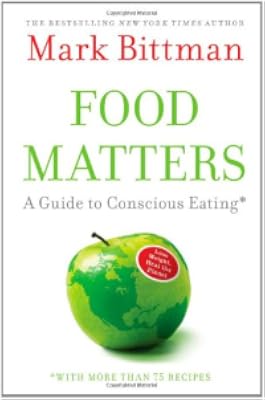
Food Matters: A Guide to Conscious Eating with More Than 75 Recipes
by Mark Bittman
On This Page
Description
The "Minimalist" columnist and author of How to Cook Everything outlines an eating plan that is comprised of environmentally responsible choices, in a guide that shares insight into the risks associated with livestock production.Tags
Recommendations

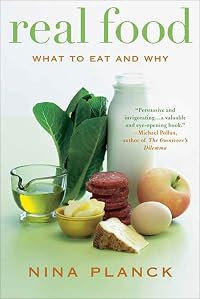

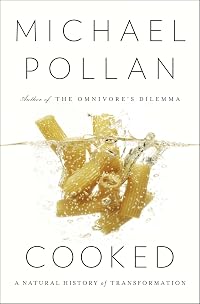
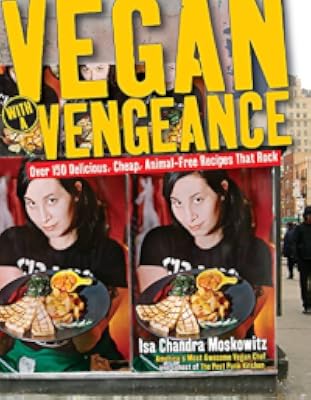
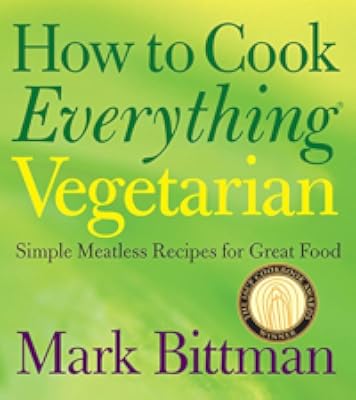


Member Recommendations
Member Reviews
Food Matters by Mark Bittman is a well written examination of the food industry and the way we eat. It looks into all the ways the food industry manipulates people to eat things they shouldn't eat in order to increase profits. Bittman discusses his journey to change his eating habits to improve his health and to make food choices that are a more positive influence on the Earth. Food Matters reminds people of the role of food in life and the importance of understanding the difference in real food and food-like substances. Bittman tries a little too hard to find ways to bring people to make changes in their eating habits in that he seems to offer loopholes to many of the suggestions he makes. Food Matters offers insights and interesting show more facts that will surprise some, confirm what others know, and at the very least give readers something to think about. show less
In Mark Bittman’s latest book, he claims he has discovered a method of eating that can help you lose weight, improve your health, save money and stop global warming. It sounds too good to be true, but his commonsense approach to food — as if it “matters,” hence the title — can do all of those things. It did for him.
Here is his solution: Eat a lot less meat and dairy. Drastically reduce how much junk food you eat. Cut back on refined flour. Three simple rules, easy to remember and follow. And you don’t have to sacrifice anything, just cut back a lot. Think of meat, flour and sugar as “treats,” and treat yourself daily. But mostly eat fruits, vegetables and whole grains. The way Bittman does it is by eating mostly vegan show more during the day (I think he allows himself some yogurt and cheese), and then have whatever he wants for dinner. By making this simple change, he has lost weight and lowered his cholesterol. Plus, he just plain feels better.
In the first few chapters, Bittman explains how the meat industry and big agriculture impact the environment and our waistlines with a myriad of negative results. He describes how advertising and government have colluded with these industries to create an unsustainable demand for meat, produce monocultures of corn and soy, and convince us all that we need to eat these things to be healthy. The hypocrisy of a government that tells us we’re all too fat on the one hand but subsidizes the production of high-fructose corn syrup on the other is staggering when you think about it. I’ve certainly heard these arguments before — in fact, Bittman authoritatively quotes one of my favorite authors, Michael Pollan, frequently — but Bittman’s style is straightforward, commonsensical and convincing. So much so that not only do I want to follow his advice (which, truthfully, won’t be much of a lifestyle change for me), but I want everyone I love to read this book and become convinced as well.
The biggest sacrifice for me would not be reducing my consumption of meat and dairy, which I eat in very small quantities anyway, but cutting back on junk food and refined flour. I do like my bread, and “junk food” is defined as any processed foods with more than five recognizable ingredients. That’s an easy enough rule to remember, but take a look in your pantry and you’ll see how difficult it is to put in practice. Still, treats are allowed, and Bittman emphasizes making slow, gradual changes.
He provides a lot of useful advice that will help. For instance, he advocates cooking more than you need whenever you cook vegetables, beans or grains, and tells you how to store and reuse the extras. This is a technique I’ve already put into practice, so that I’ll have plenty of healthy choices for lunch and snacks when I don’t have time to cook.
The last half of the book is taken up by recipes. I haven’t tried any of them yet, but leafing through them, I see an assortment of useful “master recipes,” emphasizing vegetables, fruits and grains, that can be endlessly varied to suit what you have on hand and what you like to eat. These are my favorite kinds of recipes, the kinds that after you make them once or twice, you don’t really need the recipe anymore.
As someone who loves to cook and eat, I do think that “food matters.” And I would love it if everyone would read this book and implement at least some of Bittman’s advice. show less
Here is his solution: Eat a lot less meat and dairy. Drastically reduce how much junk food you eat. Cut back on refined flour. Three simple rules, easy to remember and follow. And you don’t have to sacrifice anything, just cut back a lot. Think of meat, flour and sugar as “treats,” and treat yourself daily. But mostly eat fruits, vegetables and whole grains. The way Bittman does it is by eating mostly vegan show more during the day (I think he allows himself some yogurt and cheese), and then have whatever he wants for dinner. By making this simple change, he has lost weight and lowered his cholesterol. Plus, he just plain feels better.
In the first few chapters, Bittman explains how the meat industry and big agriculture impact the environment and our waistlines with a myriad of negative results. He describes how advertising and government have colluded with these industries to create an unsustainable demand for meat, produce monocultures of corn and soy, and convince us all that we need to eat these things to be healthy. The hypocrisy of a government that tells us we’re all too fat on the one hand but subsidizes the production of high-fructose corn syrup on the other is staggering when you think about it. I’ve certainly heard these arguments before — in fact, Bittman authoritatively quotes one of my favorite authors, Michael Pollan, frequently — but Bittman’s style is straightforward, commonsensical and convincing. So much so that not only do I want to follow his advice (which, truthfully, won’t be much of a lifestyle change for me), but I want everyone I love to read this book and become convinced as well.
The biggest sacrifice for me would not be reducing my consumption of meat and dairy, which I eat in very small quantities anyway, but cutting back on junk food and refined flour. I do like my bread, and “junk food” is defined as any processed foods with more than five recognizable ingredients. That’s an easy enough rule to remember, but take a look in your pantry and you’ll see how difficult it is to put in practice. Still, treats are allowed, and Bittman emphasizes making slow, gradual changes.
He provides a lot of useful advice that will help. For instance, he advocates cooking more than you need whenever you cook vegetables, beans or grains, and tells you how to store and reuse the extras. This is a technique I’ve already put into practice, so that I’ll have plenty of healthy choices for lunch and snacks when I don’t have time to cook.
The last half of the book is taken up by recipes. I haven’t tried any of them yet, but leafing through them, I see an assortment of useful “master recipes,” emphasizing vegetables, fruits and grains, that can be endlessly varied to suit what you have on hand and what you like to eat. These are my favorite kinds of recipes, the kinds that after you make them once or twice, you don’t really need the recipe anymore.
As someone who loves to cook and eat, I do think that “food matters.” And I would love it if everyone would read this book and implement at least some of Bittman’s advice. show less
Mark Bittman's Food Matters is not the most original book in the world. Its basic thesis states that we can lose weight, save money, and protect the planet if only we devour less meat and junk food. Shades of Michael Pollan's condensed wisdom: "Eat food. Not too much. Mostly plants."
The difference between Pollan and Bittman is that the latter's a professional gourmand who can tell you many, many ways to prepare non- (or less-)carnivorous meals. Food Matters is basically In Defense of Food with recipes -- a LOT of recipes. Useful! I've tried a couple of the recipes already, with great results. So even if you don't need to be convinced that factory farming is wasteful and high-fructose corn syrup is evil, you can still get a lot of show more practical use out of Food Matters. show less
The difference between Pollan and Bittman is that the latter's a professional gourmand who can tell you many, many ways to prepare non- (or less-)carnivorous meals. Food Matters is basically In Defense of Food with recipes -- a LOT of recipes. Useful! I've tried a couple of the recipes already, with great results. So even if you don't need to be convinced that factory farming is wasteful and high-fructose corn syrup is evil, you can still get a lot of show more practical use out of Food Matters. show less
Brilliantly simple and therefore superb. I am going to have my teenager read it as a means of getting ready for adulthood. Mr. Bittman elegantly lays out several coherent arguments towards saner eating of real, whole foods, including working in how eating in his manner would slow global warming (a great deal of greenhouse gases erupts(!) from meat production). He lightly cites other works where necessary, accepts our human nature and points out easy ways to eat better. I got this book at my library, I will probably buy a copy and the follow-on recipe book.
Bittman writes on many of the same aspects of food that Michael Pollan has in The Omnivore’s Dilemma and In Defense of Food: the problems with industrial farming, the epidemics of obesity and diabetes in the US, and the prevalance of fast and processed food products.
After a weight gain and health caution from his physician, Bittman developed what he calls simply “sane eating,” or the Food Matters approach. He chose a mostly vegan diet for breakfast, lunch and snacks, and a looser approach for dinner so he didn’t feel deprived. He stresses many times that this has worked for him, but to take your own life, habits and preferences into account. The approach he advocates is simple, and eminently adaptable. This is not a strict show more regime, or a punishment. Instead it’s an adjustment of your approach to cooking and eating that focuses almost entirely on what you can and should eat (lots of fruit and veggies, whole grains), what you should eat in moderation (dairy products and meat) and what you should avoid (overly processed artificial foods and industrially produced meat.)
While Pollan wrote “Eat food, not too much, mostly plants.” from In Defense of Food, Bittman not only takes you through why it’s important, but also puts it into practice with 77 easy-to-read and good-to-eat recipes. As Laura Miller at Salon noted when it came out, Food Matters is applied Pollan. Bittman is an experienced cook and recipe writer; he’s the author of the New York Times’ Minimalist column. The recipes are easy to follow, and he offers myriad variations and ideas. Throughout he has an upbeat, encouraging tone that urges new and experienced cooks to experiment and have fun. show less
After a weight gain and health caution from his physician, Bittman developed what he calls simply “sane eating,” or the Food Matters approach. He chose a mostly vegan diet for breakfast, lunch and snacks, and a looser approach for dinner so he didn’t feel deprived. He stresses many times that this has worked for him, but to take your own life, habits and preferences into account. The approach he advocates is simple, and eminently adaptable. This is not a strict show more regime, or a punishment. Instead it’s an adjustment of your approach to cooking and eating that focuses almost entirely on what you can and should eat (lots of fruit and veggies, whole grains), what you should eat in moderation (dairy products and meat) and what you should avoid (overly processed artificial foods and industrially produced meat.)
While Pollan wrote “Eat food, not too much, mostly plants.” from In Defense of Food, Bittman not only takes you through why it’s important, but also puts it into practice with 77 easy-to-read and good-to-eat recipes. As Laura Miller at Salon noted when it came out, Food Matters is applied Pollan. Bittman is an experienced cook and recipe writer; he’s the author of the New York Times’ Minimalist column. The recipes are easy to follow, and he offers myriad variations and ideas. Throughout he has an upbeat, encouraging tone that urges new and experienced cooks to experiment and have fun. show less
The advice strikes me as sensible (more plants, fewer animals, whole grains... you know the drill) and the book is well-written. One thing I especially liked was Bittman's easy-breezy approach to cooking, which mirrors my own. Cook up a mess of quinoa! Eat a bunch of it, throw the rest in the fridge and eat it later! Put on a pot of beans, because beans are always good. Make some stock- don't sweat the ingredients, just toss in some real food and simmer it. Yeah. Sensible. The recipes were appealing, but nothing leapt off the pages at me.
In short, nothing you don't already know, if you've paid any attention to the whole foods/slow foods/locavore movement in the last several years, but a nicely balanced approach with personal anecdotes show more and easy to follow recipes. show less
In short, nothing you don't already know, if you've paid any attention to the whole foods/slow foods/locavore movement in the last several years, but a nicely balanced approach with personal anecdotes show more and easy to follow recipes. show less
We could call this The Omnivore's Dilemma for Dummies. Bittman covers in a rather shallow way the issues of the livestock industry that Pollan covers in-depth. But it's a good intro for people who just want to know why he's prescribing the eating style that is in the book, rather than all of the nasty details of The Omnivore's Dilemma. I do think it's a good book, don't get me wrong, but go to Pollan and others for the details if you want them.
The recipes in the second part of the book look good, but nothing new to people who are accustomed to cooking healthfully.
The recipes in the second part of the book look good, but nothing new to people who are accustomed to cooking healthfully.
Members
- Recently Added By
Lists

Top Five Books of 2013
1,562 works; 721 members

Books Read in 2009
464 works; 11 members
Author Information

Mark Bittman has won IACP Julia Child Awards for his books Fish and How to Cook Everything, which has sold over 400,000 copies. He writes "The Minimalist" column for The New York Times, and his food writing appears in major publications nationwide. He is coauthor of the James Beard Award-winning Jean-Georges: Cooking at Home with a Four-Star Chef show more (Broadway Books, 1998). Mark's book, How to Cook Everything Fast: A Better Way to Cook Great Food, was a New York Times bestseller in 2014. (Bowker Author Biography) show less
Awards and Honors
Distinctions
Classifications
- Genres
- Nonfiction, Food & Cooking, General Nonfiction, Health & Wellness, Science & Nature
- DDC/MDS
- 613.2 — Applied science & technology Medicine & health Personal health and Fitness Dietetics
- LCC
- RA784 .B55 — Medicine Public aspects of medicine Public aspects of medicine Public health. Hygiene. Preventive medicine Personal health and hygiene
- BISAC
Statistics
- Members
- 1,053
- Popularity
- 24,499
- Reviews
- 25
- Rating
- (3.77)
- Languages
- English, French
- Media
- Paper, Ebook
- ISBNs
- 6
- ASINs
- 3