

Speedboat
by Renata Adler
On This Page
Description
"It has been more than thirty-five years since Renata Adler's Speedboat, Winner of the Ernest Hemingway Award for Best First Novel, charged through the literary establishment, blasting genre walls and pointing the way for a newly liberated way of writing. This unclassifiable work is simultaneously novel, memoir, commonplace book, confession, and critique. It is the story of every man and woman cursed with too much consciousness and too little comprehension, and it is the story of Jen Fein, a show more journalist negotiating the fraught landscape of contemporary urban America. Her voice is searching, cuttingly perceptive, and darkly funny as she breaks narrative convention to send dispatches back from the world as she finds it"-- show lessTags
Recommendations






























Member Recommendations

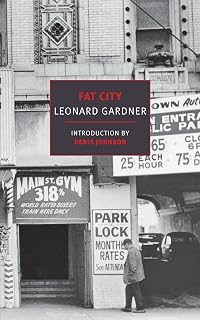
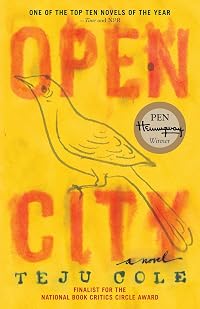
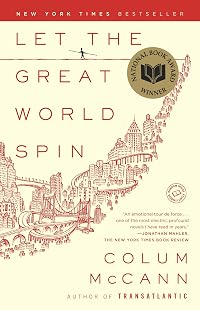
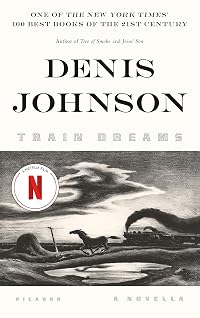
anonymous user A similarly plotless narrative told through fragments
Member Reviews
Observational and uncommitted, the sometimes life of a journalist, Jen, who doesn’t like to ask questions forms the backdrop of this novel of — I was going to say “ideas” but I think “impressions” is closer. We glimpse life in school, life in college, life in grad school, life travelling in Europe, life at parties, life in politics, life especially in New York, but also life in the hinterlands, and yet it’s hard to put your finger on anything that has been said. Wry philosophical pronouncements compete with banal domestic itineraries. Nothing too much is made of anything, yet everything seems suspiciously portentous. And insistently but slyly funny.
Speedboat is a difficult novel to summarize, and a difficult novel to show more assess. Perhaps that is because it undercuts so much of what typically constitutes a novel in terms of plot, action, character development, or mise en scène. But if you set aside your expectations for these and just go along for the ride, you’ll find that Speedboat gets you there and back again; and wasn’t it the ride that was the important thing in any case? Adler’s writing is smart and twisting and so oblique that a left turn looks like a straight line. But I enjoyed it. And I’d like to read more by her. Which is about as good a compliment, I suspect, as any writer can hope for.
Recommended. show less
Speedboat is a difficult novel to summarize, and a difficult novel to show more assess. Perhaps that is because it undercuts so much of what typically constitutes a novel in terms of plot, action, character development, or mise en scène. But if you set aside your expectations for these and just go along for the ride, you’ll find that Speedboat gets you there and back again; and wasn’t it the ride that was the important thing in any case? Adler’s writing is smart and twisting and so oblique that a left turn looks like a straight line. But I enjoyed it. And I’d like to read more by her. Which is about as good a compliment, I suspect, as any writer can hope for.
Recommended. show less
Adler's Speedboat is peripatetic in multiple senses: the novel moves all over the map, and philosophies are conveyed through the tremendous cast of characters who go in and out of the narrative frame.
The novel is written in paragraphs-- bursts-- of scenarios encountered by Jen Fain, sometime journalist. It's tempting to think of each anecdote as an individual bon mot, but the novel weaves together a larger story about the unpredictable and chaotic nature of modern life. Part of the genius of this novel is that the response is not panic or existential despair; Adler displays her fragments in an abstract, musing way that leaves the reader to draw their own conclusions.
Part of drawing conclusions based on such abrupt shifts in topic and show more point of view is never being quite sure you can trust a conclusion presented by any character, narrator included. As Guy Trebay notes in the afterword, Adler's snapshots are never fully developed: they stop at a point when the picture is still hazy and out-of-focus.
In that way, it's a challenging book. Nothing can be taken at face value, and the reader will second-guess morals of stories, outcomes of situations, lessons learned (or not learned). This short, sharp book does not force the reader to take a particular stance in a culture patched together from chaotic bits; rather, you're left with a incomplete tarot deck (an image Adler evokes in one episode). There are pieces of stories and some shaky conclusions, but all are subject to change when re-viewed.
Speedboat is both charming and challenging, an intoxicating evocation of modern life and the modern individual in society. It's extremely wry and makes an art of ambiguity and ambivalence. It's refreshing in that there is no sense the author is playing intellectual games with you; rather, the novel refreshingly forces engagement at every turn. show less
The novel is written in paragraphs-- bursts-- of scenarios encountered by Jen Fain, sometime journalist. It's tempting to think of each anecdote as an individual bon mot, but the novel weaves together a larger story about the unpredictable and chaotic nature of modern life. Part of the genius of this novel is that the response is not panic or existential despair; Adler displays her fragments in an abstract, musing way that leaves the reader to draw their own conclusions.
Part of drawing conclusions based on such abrupt shifts in topic and show more point of view is never being quite sure you can trust a conclusion presented by any character, narrator included. As Guy Trebay notes in the afterword, Adler's snapshots are never fully developed: they stop at a point when the picture is still hazy and out-of-focus.
In that way, it's a challenging book. Nothing can be taken at face value, and the reader will second-guess morals of stories, outcomes of situations, lessons learned (or not learned). This short, sharp book does not force the reader to take a particular stance in a culture patched together from chaotic bits; rather, you're left with a incomplete tarot deck (an image Adler evokes in one episode). There are pieces of stories and some shaky conclusions, but all are subject to change when re-viewed.
Speedboat is both charming and challenging, an intoxicating evocation of modern life and the modern individual in society. It's extremely wry and makes an art of ambiguity and ambivalence. It's refreshing in that there is no sense the author is playing intellectual games with you; rather, the novel refreshingly forces engagement at every turn. show less
This book is fabulous! I was not expecting to love it as much as I did—I had no expectations, in fact, knowing nothing about it going in—and I found it utterly fabulous! The prose is so sharp and intriguing, leading one into the most curious inferences, most curious avenues of thought. It characterizes an era without the painstaking task of depicting that era—without, as Anne Carson says, “the boredom of a story.” It is dazzling, funny and educational; it reminded me of just how fun reading can be. I wish I could read it for the first time again.
Brilliant shards of prose poetry strung together into a magically cohesive whirligig of a novel. Breaks most of the novelistic rules beautifully. Plotless and digressive in the best way: in service to letting the reader experience the interior monologue and mythology of one brilliant, neurotic, hilarious, human woman in 1970s NYC. For fans of Woody's Annie Hall and Manhattan, Joan Didion's Slouching Towards Bethlehem, Capote's Breakfast at Tiffany's, and West's Miss Lonelyhearts... but put through a blender and strained into a fine, smooth, strong spirit.
Brilliant shards of prose poetry strung together into a magically cohesive whirligig of a novel. Breaks most of the novelistic rules beautifully. Plotless and digressive in the best way: in service to letting the reader experience the interior monologue and mythology of one brilliant, neurotic, hilarious, human woman in 1970s NYC. For fans of Woody's Annie Hall and Manhattan, Joan Didion's Slouching Towards Bethlehem, Capote's Breakfast at Tiffany's, and West's Miss Lonelyhearts... but put through a blender and strained into a fine, smooth, strong spirit.
... Alice opened the refrigerator door and there, looking alert and almost confiding, was, from her last hunt, the head of a decapitated fox .
The child of nature, with a sunburned stomach and dirt on its wrists, had followed the wrong fur sleeve at the supermarket. He was now quite lost. He began to sob, wetly, hysterically — not like a scared, lost child but in the manner of a tyrannical, mean, accusatory brat. “You’re not my mother,” he began to shout, a natural informer, at the pale, wrong lady in the near fur coat, and then, “She’s not my mother,” when he had gathered a sympathetic little crowd. “Lady, are you this kid’s mother?” the supermarket manager asked the lady. She said she wasn’t. He said, “Well, show more then why don’t you leave him alone?” When Sally, one of our legal reporters, went to the hospital for a hysterectomy, we visited her by turns. Carl was there on the second afternoon. When the nurse asked him to leave the room for a moment, he naturally left. “Now, Mother, here we are,” the nurse said. She brought somebody’s baby in. Sally, who does have two children, was confused. She said, “ Wait, just a minute.” The nurse cooed. Sally pointed out that the baby wasn’t hers. “Now, Mother,” the nurse said, “in large hospitals we often think that. But baby knows. Baby has a wristlet.” Then she looked at the wristlet, said “Oh, now,” one last time, and, holding the baby, walked out.
“Harry,” the blonde said, waving her drink and putting out her cigarette, “do you realize you have made yourself into a person that one has to lie to?”
“Janine,” he said, “you know I’m very tired of your aperçus?”
This extended excerpt gives you a sense of what Speedboat is like -- fractured, ironic, aphoristic, two barely-related anecdotes related in brisk detail in a single not-too-long paragraph. No single episode outstays its welcome -- it's a miracle of discipline that way -- but no real theme or deeper analysis arises either, it's like a series of Vines of the 1970s. The fracturing and high information content combined with a lightness of delivery reminded me strongly of the more recent Dept. of Speculation, but Speedboat has ambitions that are both broader -- to create a mosaic of the lives of an entire sector of New York at that time -- and more distant, in that it has no real interest in the inner emotional life of its narrator-observer, Jen Fain. It resolutely steers away from Issues, too -- there's no sexual harassment, barely any sex at all; little crime, except for the homeless man in the lobby, the stolen newspapers, and the occasionally-referred-to murdered landlord; and little acknowledgement of race. (You'd think that sexual harassment would fit right in in a novel like this, especially if it gave the narrator a chance to comment about how tedious it gets, and it doesn't seem like something the author would shy away from on grounds of taste, so I assume it, like other unpleasant experiences, was omitted to make a point about how fundamentally untouched the characters' lives are).
So it's a book that does one kind of thing and does it extremely well. The writer's obvious talent makes me wish that she'd tried to make it bigger -- to develop themes, to truly move the reader -- but it's original and enjoyable, and some of its observations seem very contemporary.
The person who invented this new form for us is on antidepressants now. He lives in Illinois. He says there are people in southern Illinois who have not yet been covered by the press.
It was hard to remember yesterday’s polemic, to determine whether today’s rebuttal was, in fact, an answer to it. Recalling arguments in order genuinely to refute them was an unrewarding exercise.
(This was one of the books I read because of https://www.buzzfeed.com/danieldalton/short-reads and https://www.gq.com/story/22-short-novels-you-can-finish-on-your-next-flight -- good hit rate so far) show less
The child of nature, with a sunburned stomach and dirt on its wrists, had followed the wrong fur sleeve at the supermarket. He was now quite lost. He began to sob, wetly, hysterically — not like a scared, lost child but in the manner of a tyrannical, mean, accusatory brat. “You’re not my mother,” he began to shout, a natural informer, at the pale, wrong lady in the near fur coat, and then, “She’s not my mother,” when he had gathered a sympathetic little crowd. “Lady, are you this kid’s mother?” the supermarket manager asked the lady. She said she wasn’t. He said, “Well, show more then why don’t you leave him alone?” When Sally, one of our legal reporters, went to the hospital for a hysterectomy, we visited her by turns. Carl was there on the second afternoon. When the nurse asked him to leave the room for a moment, he naturally left. “Now, Mother, here we are,” the nurse said. She brought somebody’s baby in. Sally, who does have two children, was confused. She said, “ Wait, just a minute.” The nurse cooed. Sally pointed out that the baby wasn’t hers. “Now, Mother,” the nurse said, “in large hospitals we often think that. But baby knows. Baby has a wristlet.” Then she looked at the wristlet, said “Oh, now,” one last time, and, holding the baby, walked out.
“Harry,” the blonde said, waving her drink and putting out her cigarette, “do you realize you have made yourself into a person that one has to lie to?”
“Janine,” he said, “you know I’m very tired of your aperçus?”
This extended excerpt gives you a sense of what Speedboat is like -- fractured, ironic, aphoristic, two barely-related anecdotes related in brisk detail in a single not-too-long paragraph. No single episode outstays its welcome -- it's a miracle of discipline that way -- but no real theme or deeper analysis arises either, it's like a series of Vines of the 1970s. The fracturing and high information content combined with a lightness of delivery reminded me strongly of the more recent Dept. of Speculation, but Speedboat has ambitions that are both broader -- to create a mosaic of the lives of an entire sector of New York at that time -- and more distant, in that it has no real interest in the inner emotional life of its narrator-observer, Jen Fain. It resolutely steers away from Issues, too -- there's no sexual harassment, barely any sex at all; little crime, except for the homeless man in the lobby, the stolen newspapers, and the occasionally-referred-to murdered landlord; and little acknowledgement of race. (You'd think that sexual harassment would fit right in in a novel like this, especially if it gave the narrator a chance to comment about how tedious it gets, and it doesn't seem like something the author would shy away from on grounds of taste, so I assume it, like other unpleasant experiences, was omitted to make a point about how fundamentally untouched the characters' lives are).
So it's a book that does one kind of thing and does it extremely well. The writer's obvious talent makes me wish that she'd tried to make it bigger -- to develop themes, to truly move the reader -- but it's original and enjoyable, and some of its observations seem very contemporary.
The person who invented this new form for us is on antidepressants now. He lives in Illinois. He says there are people in southern Illinois who have not yet been covered by the press.
It was hard to remember yesterday’s polemic, to determine whether today’s rebuttal was, in fact, an answer to it. Recalling arguments in order genuinely to refute them was an unrewarding exercise.
(This was one of the books I read because of https://www.buzzfeed.com/danieldalton/short-reads and https://www.gq.com/story/22-short-novels-you-can-finish-on-your-next-flight -- good hit rate so far) show less
Plot: none. Arch: some. Characters: none interesting. Anecdotes: some amusing. Ennui of the privileged: vraiment.
Less a story than an image of a time presented experimentally through usually short (3 line - one page) anecdotes. The reader learns little about any character; the goal of the novel instead is for the reader to gain an understanding of the fractured, uncertain but materially well-off world the characters inhabit. "Malaise" is a cliched term for the period of the late 1970s before Reagan appeared to sweep all that away, but it would apply here, in a more existential sense than an economic one.
Adler is sometimes hilariously biting about the strata of society she is writing about, in a slightly meaty passage:
Less a story than an image of a time presented experimentally through usually short (3 line - one page) anecdotes. The reader learns little about any character; the goal of the novel instead is for the reader to gain an understanding of the fractured, uncertain but materially well-off world the characters inhabit. "Malaise" is a cliched term for the period of the late 1970s before Reagan appeared to sweep all that away, but it would apply here, in a more existential sense than an economic one.
Adler is sometimes hilariously biting about the strata of society she is writing about, in a slightly meaty passage:
The concept of theshow more
jig itself being up, however, had retreated into thrillers. Intelligent people, caught at anything, denied it. Faced with evidence of having denied it falsely, people said they had not done it and had not lied about it, and didn't remember it, but if they had done it or lied about it, they would have done it and misspoken themselves about it in an interest so much higher as to alter the nature of doing and lying altogether.or in a one-liner:
At twenty-six, Kate, though not promiscuous, had slept with most of the decent men in public life.In the end, despite the occasional amusements, I am unsatisfied. Fiction remains for me about telling stories and creating character, and I remain unconvinced by the plotless novel. show less
Members
- Recently Added By
Lists

Female Author
1,235 works; 67 members

Lithub: The 50 Best Contemporary Novels Under 200 Pages
50 works; 4 members

Books Read in 2023
5,547 works; 145 members

Books Read in 2022
5,166 works; 114 members

Overdue Podcast
805 works; 9 members

Books I Loved
17 works; 1 member

The Atlantic's The Great American Novel
136 works; 12 members

Cult Classics
30 works; 1 member
Author Information

18+ Works 2,064 Members
Some Editions
Awards and Honors
Awards
Distinctions
Series
Belongs to Publisher Series
Common Knowledge
- Canonical title
- Speedboat
- Original title
- Speedboat
- Alternate titles*
- Mai ci eravamo annoiati
- Original publication date
- 1976
- Epigraph
- "What war?" said the Prime Minister sharply. "No one has said anything to me about a war. I really think I should have been told...."
And presently, like a circling typhoon, the sounds of battle began to re... (show all)turn. -Evenlyn Waugh, Vile Bodies - Dedication
- For A.
- First words
- Nobody died that year. Nobody prospered. There were no births or marriages. Seventeen reverent satires were written - disrupting a cliche and, presumably, creating a genre. That was a dream, of course, but many of the most im... (show all)portant things, I find, are the ones learned in your sleep. Speech, tennis, music, skiing, manners, love - you try them waking and perhaps balk at the jump, and then you're over. You've got the rhythm of them once and for all, in your sleep at night. -Castling
- Quotations
- A hideous family pledged itself to margarine.
- Original language
- English
- Canonical DDC/MDS
- 813.54
- Canonical LCC
- PS3551.D63
*Some information comes from Common Knowledge in other languages. Click "Edit" for more information.
Classifications
Statistics
- Members
- 1,235
- Popularity
- 19,899
- Reviews
- 28
- Rating
- (3.72)
- Languages
- 6 — Dutch, English, French, German, Italian, Spanish
- Media
- Paper, Ebook
- ISBNs
- 18
- ASINs
- 10