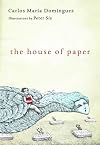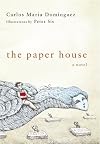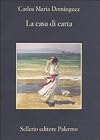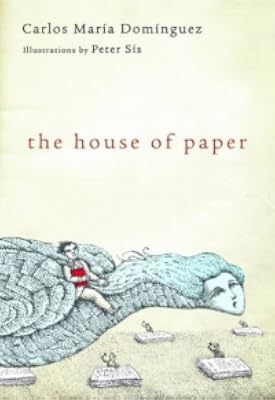
The House of Paper
by Carlos María Domínguez
On This Page
Description
"Bluma Lennon, distinguished professor of Latin American literature at Cambridge, is hit by a car while crossing the street, immersed in a volume of Emily Dickinson's poems. Several months after her untimely demise, a package arrives for her from Argentina - a copy or a Conrad novel, encrusted in cement and inscribed with a mysterious dedication. Bluma's successor in the department (and a former lover) travels to Buenos Aires to track down the sender, one Carlos Brauer, who turns out to have show more disappeared." "The last thing known is that he moved to a remote stretch of the Uruguayan coastline and built himself a house out of his enormous and valuable library. How he got there, and why, is the subject of this seductive novel - part mystery, part social comedy, and part examination of all the many forms of bibliomania." "Illustrated by Peter Sis, The House of Paper is a tribute to the strange and passionate relationship between people and their books."--BOOK JACKET. show lessTags
Recommendations

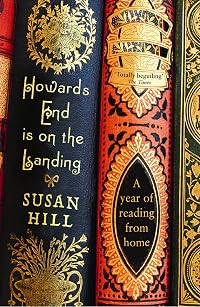

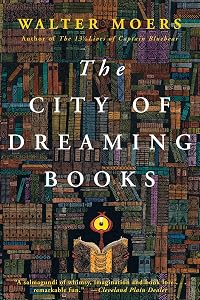
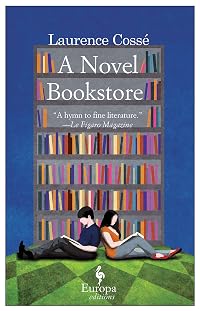

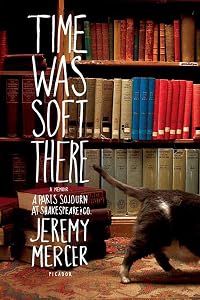








Member Recommendations

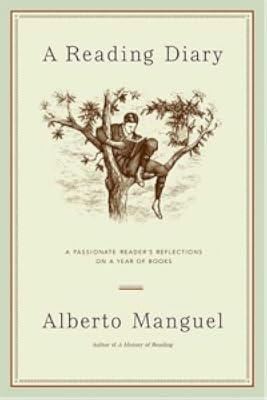
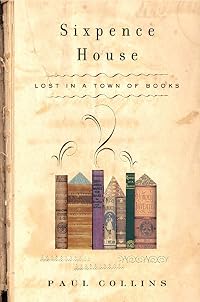
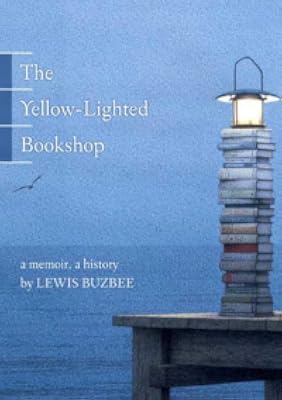
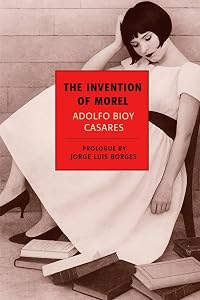
CecileB Ce sont deux maisons dont la maçonnerie est faite grâce aux livres.
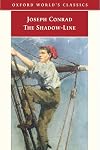
bluepiano The only connection between an earnest Edwardian novella and a wistful Latin American one is that the former plays an essential part in the latter. Shadow Line is the most accessible Conrad that I've read and though it's short on subtlety it's a rattling good story; Paper House has a melancholy charm.
Member Reviews
When Bluma Lennon, a professor at Cambridge and a Joseph Conrad scholar, is hit by a car while crossing the street, she had been reading Emily Dickinson. Several months later, a copy of Conrad's 'The Shadow Line', coated in cement, arrives at her former address from Carlos Brauer, a man she had met at a conference in Latin America. The unnamed narrator of the story is a colleague of Lennon’s and originally from Buenos Aires. He returns to Buenos Aires and eventually travels to Montevideo in search of Carlos, who turns out to be the owner of an extraordinary collection of books and also apparently barking mad. His search for information leads to a small fisherman community in Uruguay, and Carlos’s house - which is literally made of show more books.
This tale is the vehicle for Dominguez' discourses on books, book printing, book ownership and collection, and active versus passive reading. The choice of the little-known "Shadow Line" tale is apt due to Conrad's notorious command of English as a second language, his seafaring subject matter, and his constant returning to stories of facing up to one's bad luck, mistakes, and conscience. Throughout this story, the author remarks on how books change our lives and how we read and interact with them (for example, the relationship between reading and background music). One interesting diversion concerns the proper writing and printing styles to create channels of open space that run like rivulets down a page and create a secondary artistry all their own.
My one quibble is with reference to Carlos’s sorrow over a destroyed index to a large collection, which is apparently what pushed him over the edge into insanity. Those of us who have houses literally taken over by books, floor to ceiling collections in room after room, don't need an index. We KNOW what we have. There are no lost books in our houses of paper. They may have strayed a bit, but they always return.
This is a whimsical story about the kind of obsession that only those of us who share it may understand. I highly recommend it. show less
This tale is the vehicle for Dominguez' discourses on books, book printing, book ownership and collection, and active versus passive reading. The choice of the little-known "Shadow Line" tale is apt due to Conrad's notorious command of English as a second language, his seafaring subject matter, and his constant returning to stories of facing up to one's bad luck, mistakes, and conscience. Throughout this story, the author remarks on how books change our lives and how we read and interact with them (for example, the relationship between reading and background music). One interesting diversion concerns the proper writing and printing styles to create channels of open space that run like rivulets down a page and create a secondary artistry all their own.
My one quibble is with reference to Carlos’s sorrow over a destroyed index to a large collection, which is apparently what pushed him over the edge into insanity. Those of us who have houses literally taken over by books, floor to ceiling collections in room after room, don't need an index. We KNOW what we have. There are no lost books in our houses of paper. They may have strayed a bit, but they always return.
This is a whimsical story about the kind of obsession that only those of us who share it may understand. I highly recommend it. show less
This is one of those books with vast potential that is left untapped, and ultimately disappointed. The premise of the story is spectacular, Borgesian, intriguing and mysterious: a book encased in cement with an inscription to an unknown person from a recently deceased professor is sent to her office and discovered by a colleague. He decides to try to find the sender of the book (no return address) based on the somewhat mysterious inscription, and return the book.
The set up is there, and the scope could be grand, labyrinthine, compelling and significant. But the short format makes the story seem hurried rather than unfolding, and dictated rather than narrated. The exquisite insights into the mind and heart of a bibliophile, or even just show more an avid reader, are plunked in as though the story is being tied up with significant meaning, instead of letting the meaning evolve through the story. It reminded me from the outset of The Shadow of the Wind, a complex mystery centered around the obscure author of a hidden book, but The House of Paper falls significantly short of what it could be.
Perhaps that's what's most frustrating about reading this book - that it could be infinitely more than it is. That the story could be experienced by the reader, rather than relayed by a rather monotonous narrator whose voice (perhaps because of poor translation) sounds no different than the character that tells the bulk of the story. Instead, it is a series of epigraphs linked together by a skeletal and merely sketched plot. Though eminently quotable, it amounts to little more than an excuse for these nuggets of wisdom about the significance of books and libraries in our lives.
The translation itself is in sore need of revision and editing, and reads more like a draft than a final version. The clumsy language obscures whatever rhythm and beauty may have been present in the original.
It is worth reading though, if only for the gift of its potential. And worth expanding upon, should the author and publisher see fit to do so. I would read this happily as a full-length novel rather than merely a novella. show less
The set up is there, and the scope could be grand, labyrinthine, compelling and significant. But the short format makes the story seem hurried rather than unfolding, and dictated rather than narrated. The exquisite insights into the mind and heart of a bibliophile, or even just show more an avid reader, are plunked in as though the story is being tied up with significant meaning, instead of letting the meaning evolve through the story. It reminded me from the outset of The Shadow of the Wind, a complex mystery centered around the obscure author of a hidden book, but The House of Paper falls significantly short of what it could be.
Perhaps that's what's most frustrating about reading this book - that it could be infinitely more than it is. That the story could be experienced by the reader, rather than relayed by a rather monotonous narrator whose voice (perhaps because of poor translation) sounds no different than the character that tells the bulk of the story. Instead, it is a series of epigraphs linked together by a skeletal and merely sketched plot. Though eminently quotable, it amounts to little more than an excuse for these nuggets of wisdom about the significance of books and libraries in our lives.
The translation itself is in sore need of revision and editing, and reads more like a draft than a final version. The clumsy language obscures whatever rhythm and beauty may have been present in the original.
It is worth reading though, if only for the gift of its potential. And worth expanding upon, should the author and publisher see fit to do so. I would read this happily as a full-length novel rather than merely a novella. show less
Ich hatte gerade den ersten Satz gelesen, als ich laut loslachen musste. Was für ein Beginn für ein Buch!!! Zum besseren Verständnis:
'Im Frühjahr 1998 kaufte Bluma Lennon in einer Buchhandlung von Soho eine alte Ausgabe der Gedichte von Emiliy Dickinson und wurde an der ersten Straßenecke, als sie gerade beim zweiten Gedicht angelangt war, von einem Auto überfahren.'
Welch ein Tod für Bücherwürmer ;-) Doch nicht jedes Buch führt zu solch radikalen Konsequenzen, aber in doch vielen Fällen zu durchaus markanten Einschnitten im Leben der Lesenden. Davon handelt diese Erzählung: welchen Einfluss Bücher haben, wie sie nach und nach das Leben eines Menschen in Besitz nehmen können bis kaum noch etwas anderes Raum einnimmt. Wie show more es auf unerklärliche Weise immer mehr werden, jedes Regal zu klein wird und über kurz oder lang keine freie Wand mehr vorhanden ist.
Das Ganze ist verpackt in eine stimmungsvolle, poetisch erzählte Geschichte über die Suche nach der Herkunft eines Buches, die nach Uruguay führt und in deren Verlauf man Personen kennenlernt, deren Bücherverrücktheit kaum Grenzen zu kennen scheint. Für die weniger Bücherbesessenen mag dies eher phantastisch klingen, alle anderen aber werden diese Erzählung vermutlich realistischer sehen und wahrscheinlich gewisse Ähnlichkeiten mit der eigenen Person feststellen. Mir ist es zumindest so ergangen ;-) show less
'Im Frühjahr 1998 kaufte Bluma Lennon in einer Buchhandlung von Soho eine alte Ausgabe der Gedichte von Emiliy Dickinson und wurde an der ersten Straßenecke, als sie gerade beim zweiten Gedicht angelangt war, von einem Auto überfahren.'
Welch ein Tod für Bücherwürmer ;-) Doch nicht jedes Buch führt zu solch radikalen Konsequenzen, aber in doch vielen Fällen zu durchaus markanten Einschnitten im Leben der Lesenden. Davon handelt diese Erzählung: welchen Einfluss Bücher haben, wie sie nach und nach das Leben eines Menschen in Besitz nehmen können bis kaum noch etwas anderes Raum einnimmt. Wie show more es auf unerklärliche Weise immer mehr werden, jedes Regal zu klein wird und über kurz oder lang keine freie Wand mehr vorhanden ist.
Das Ganze ist verpackt in eine stimmungsvolle, poetisch erzählte Geschichte über die Suche nach der Herkunft eines Buches, die nach Uruguay führt und in deren Verlauf man Personen kennenlernt, deren Bücherverrücktheit kaum Grenzen zu kennen scheint. Für die weniger Bücherbesessenen mag dies eher phantastisch klingen, alle anderen aber werden diese Erzählung vermutlich realistischer sehen und wahrscheinlich gewisse Ähnlichkeiten mit der eigenen Person feststellen. Mir ist es zumindest so ergangen ;-) show less
Contaba Guillermo Cabrera Infante que mientras vivió en Londres Había dedicado una habitación de su casa a biblioteca. En ella las estanterías cubrían las paredes, los libros se amontonaban en los estantes, sobre la mesa, en las sillas, formando pilas por los rincones. En cierta ocasión el hijo de la vecina que ocasionalmente bajaba a la casa del escritor descubrió la biblioteca. El pequeño, perplejo, no pudo menos que exclamar: “Esto es una casa libro”.
“La casa de papel” nos habla de bibliotecas particulares, de las múltiples formas de ordenar los libros, muchas de ellas conforme a una lógica que sólo entiende su dueño, de manías y obsesiones de los lectores, de lecturas queridas y otras olvidadas. Su lectura me show more trae a la memoria la interesante opinión de Augusto Monterroso:
“Existen los que dicen no haber vivido sino la vida de los libros. Yo no: he vivido, odiado y amado, gozado y sufrido por mí mismo; y he sido y mi vida ha sido eso; pero a medida que pasa el tiempo me doy cuenta de que siempre lo he hecho como si todo -incluso en las ocasiones de mayor sufrimiento y en el momento mismo de ocurrir- fuera el material de un cuento, de una frase o de una línea. Ignoro si esto es bueno o malo, si me gusta o no”
Algo parecido sucede a los personajes de “La casa de papel”.Un pequeño gran libro en el que todo letraherido se sentirá seducido, atrapado al verse reflejado en alguna de las lentes del espejo poliédrico que forman los libros y las relaciones con ellos. show less
“La casa de papel” nos habla de bibliotecas particulares, de las múltiples formas de ordenar los libros, muchas de ellas conforme a una lógica que sólo entiende su dueño, de manías y obsesiones de los lectores, de lecturas queridas y otras olvidadas. Su lectura me show more trae a la memoria la interesante opinión de Augusto Monterroso:
“Existen los que dicen no haber vivido sino la vida de los libros. Yo no: he vivido, odiado y amado, gozado y sufrido por mí mismo; y he sido y mi vida ha sido eso; pero a medida que pasa el tiempo me doy cuenta de que siempre lo he hecho como si todo -incluso en las ocasiones de mayor sufrimiento y en el momento mismo de ocurrir- fuera el material de un cuento, de una frase o de una línea. Ignoro si esto es bueno o malo, si me gusta o no”
Algo parecido sucede a los personajes de “La casa de papel”.Un pequeño gran libro en el que todo letraherido se sentirá seducido, atrapado al verse reflejado en alguna de las lentes del espejo poliédrico que forman los libros y las relaciones con ellos. show less
Mentioned in a book about books, I can't remember which now. A short story about obsessions, book ones and others. A decent diversion, and a quick, well-written read. But, no Borges. Not a life-changer. Better stories of bibliomania in the works of Basbanes, but charming nevertheless. That's the word: charming. If you like books a tad too much, a nice read. Charmingly illustrated.
I loved this little novella that imagines a scenario where bibliomania is carried too far. But, there's lots we book lovers can relate to, also.
"Books change people's destinies. Some have read The Tiger of Malaysia and become professors of literature in remote universities. Demian converted tens of thousands of young men to Eastern philosophy, Hemingway made sportsmen of them, Alexander Dumas complicated the lives of thousands of women, quite a few of whom were saved from suicide by cookbooks."
The lovely, but symbolic rather than literal interpretation of the text, illustrations by Peter Sis complement this novella.
I believe this is the only one of Carlos Maria Dominguez's works that is translated in English, and unfortunately show more apparently out of print as well. The House of Paper , which was also published under the title The Paper House is definitely worth hunting down an used copy. show less
"Books change people's destinies. Some have read The Tiger of Malaysia and become professors of literature in remote universities. Demian converted tens of thousands of young men to Eastern philosophy, Hemingway made sportsmen of them, Alexander Dumas complicated the lives of thousands of women, quite a few of whom were saved from suicide by cookbooks."
The lovely, but symbolic rather than literal interpretation of the text, illustrations by Peter Sis complement this novella.
I believe this is the only one of Carlos Maria Dominguez's works that is translated in English, and unfortunately show more apparently out of print as well. The House of Paper , which was also published under the title The Paper House is definitely worth hunting down an used copy. show less
A lovely and somewhat disturbing book. very short. It makes its point in a magical realism sort of way and then like a whisper, it is gone.
The book is about the unfortunate and sudden death of Blouma Lennon, a lecturer in Hispanic Studies in Cambridge. She was run over by a car as she was crossing a street whilst reading a book of Emily Dickinson poetry.
What follows is a bizarre narrative concerning bibliophiles and their obsessive whims. The author/narrator answers some of the questions he raises but not all of it. It was a fun and interesting read. I am sure I will stay up nights obsessing over it, but then again, I obsess over a lot of things.
The book is about the unfortunate and sudden death of Blouma Lennon, a lecturer in Hispanic Studies in Cambridge. She was run over by a car as she was crossing a street whilst reading a book of Emily Dickinson poetry.
What follows is a bizarre narrative concerning bibliophiles and their obsessive whims. The author/narrator answers some of the questions he raises but not all of it. It was a fun and interesting read. I am sure I will stay up nights obsessing over it, but then again, I obsess over a lot of things.
Members
- Recently Added By
Lists

A Novel Cure
742 works; 23 members
Author Information

25 Works 817 Members
All Editions
Some Editions
Common Knowledge
- Canonical title*
- Het papieren huis
- Original title
- La casa de papel
- Original publication date
- 2004 (original Spanish) (original Spanish); 2005 (English: Caistor) (English: Caistor)
- People/Characters
- Carlos Brauer; Bluma Lennon; Delgado
- Important places
- Buenos Aires, Argentina; Montevideo, Uruguay; Lagune von Rocha, Uruguay; Uruguay
- Dedication
- In memory of the great Joseph.
- First words
- One day in the spring of 1998, Bluma Lennon bought a secondhand copy of Emily Dickinson's poems in a bookshop in Soho, and as she reached the second poem on the first street corner, she was knocked down by a car.
- Quotations
- It is often much harder to get rid of books than it is to acquire them. They stick to us in that pact of need and oblivion we make with them, witnesses to a moment in our lives we will never see again.
The truth is th... (show all)at in the end the size of a library does matter.
"How many books do you have?" I asked
"To tell the truth, I've given up counting. But I think there must be around eighteen thousand. I've been buying books here and there ever since I can remember. To build up a library is to create a life. It's never just a random collection of books." - Last words
- (Click to show. Warning: May contain spoilers.)I bade Bluma farewell. As the illustration of the ship and the fishes began to dissolve, I saluted the great Joseph and turned for home.
- Blurbers
- Smith, Alexander McCall
- Original language
- Spanish
*Some information comes from Common Knowledge in other languages. Click "Edit" for more information.
Classifications
- Genres
- General Fiction, Fiction and Literature
- DDC/MDS
- 863.64 — Literature & rhetoric Spanish Literature Spanish fiction 20th Century 1945-2000
- LCC
- PQ7798.14 .O385 .C3713 — Language and Literature French, Italian, Spanish and Portuguese literatures Spanish literature Provincial, local, colonial, etc. Spanish America
- BISAC
Statistics
- Members
- 727
- Popularity
- 39,106
- Reviews
- 38
- Rating
- (3.72)
- Languages
- 12 — Catalan, Dutch, English, Finnish, French, German, Italian, Korean, Lithuanian, Polish, Portuguese (Portugal), Spanish
- Media
- Paper, Audiobook, Ebook
- ISBNs
- 32
- ASINs
- 3