The I Ching or Book of Changes
by Richard Wilhelm
On This Page
Description
A translation of the early document of Chinese philosophy with explanatory notes.Tags
Recommendations




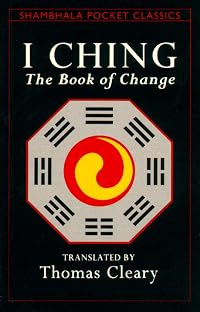
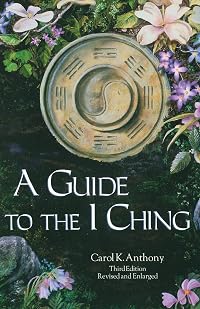

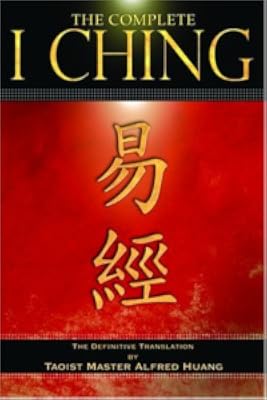

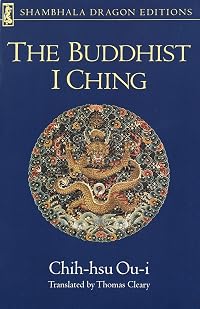
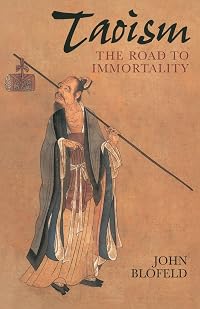

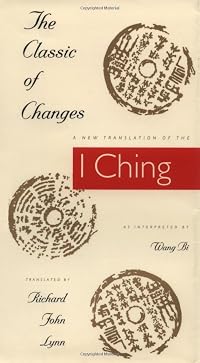
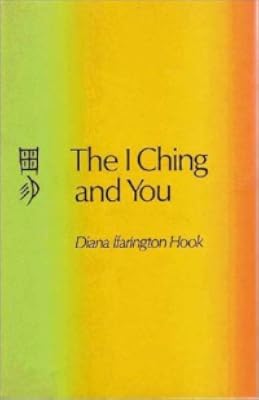



Member Recommendations
wildbill The set contains an early version of The Book of Changes
32
Member Reviews
No se hizo la miel para la boca del asno, sentencia el proverbio. Así, este “Libro de las mutaciones”: aparentemente sencillo, en ocasiones con afirmaciones pueriles; yergue un muro apenas penetrable para unos pocos, aunque muchos son los que afirman haber entendido sus más profundos arcanos.
El prólogo de Jung de esta edición es fundamental para entender las carencias de muchos lectores a la hora de internarse en el “I ching”. Durante siglos, muchos chinos se han acercado al libro, ya oracular o sapiencialmente, generalmente a través de los comentarios de Confucio. Jung establece las diferencias, claramente favorables a los chinos frente a los occidentales, para entender el libro: una profundidad de perspectiva que nunca show more puede provenir de un conocimiento puramente académico de la filosofía china, dejar de lado ciertos prejuicios occidentales, la asunción de que cada proceso natural se ve interferido por el azar (entiéndase esto también como causas no conocidas o al menos no previstas), …
Jung insiste en que es una obra poco adecuada para intelectualizantes y racionalistas. Afirma que es una invitación al conocimiento de uno mismo: carácter, actitud y motivaciones; y éste se mueve en el ámbito del falible juicio subjetivo.
El lector, leyendo los hexagramas y sus comentarios, puede intuir que Jung está en lo cierto, que apunta al corazón mismo de la obra; pero también comprobará la gran dificultad de aprehender el significado del “I ching”. Bienaventurados quienes lo consigan. show less
El prólogo de Jung de esta edición es fundamental para entender las carencias de muchos lectores a la hora de internarse en el “I ching”. Durante siglos, muchos chinos se han acercado al libro, ya oracular o sapiencialmente, generalmente a través de los comentarios de Confucio. Jung establece las diferencias, claramente favorables a los chinos frente a los occidentales, para entender el libro: una profundidad de perspectiva que nunca show more puede provenir de un conocimiento puramente académico de la filosofía china, dejar de lado ciertos prejuicios occidentales, la asunción de que cada proceso natural se ve interferido por el azar (entiéndase esto también como causas no conocidas o al menos no previstas), …
Jung insiste en que es una obra poco adecuada para intelectualizantes y racionalistas. Afirma que es una invitación al conocimiento de uno mismo: carácter, actitud y motivaciones; y éste se mueve en el ámbito del falible juicio subjetivo.
El lector, leyendo los hexagramas y sus comentarios, puede intuir que Jung está en lo cierto, que apunta al corazón mismo de la obra; pero también comprobará la gran dificultad de aprehender el significado del “I ching”. Bienaventurados quienes lo consigan. show less
Haven't we all consulted this hoary edition, this classic, as a springboard for Jungian free association? A hardy perennial, the old lion still growls and roars... And sometimes purrs, and sleeps.
Everyone must at least understand the mechanics of this text and try them. This is technology of knowledge in the making. The writing is fascinating though as it actually on occasion goes out of its way to predict something specific, taking risks to be wrong.
An amazing book, idea and tool from thousands of years back.
An amazing book, idea and tool from thousands of years back.
I keep coming back to this old friend for advice and counsel.
The book will never tell you "what to do" but only how to think about
or approach the question of doing.
The book will never tell you "what to do" but only how to think about
or approach the question of doing.
Impossibile dare un giudizio all’ I Ching, libro di divinazione e libro di saggezza. La versione Adelphi presa in considerazione è in completo accordo, cito testualmente:
Struttura del testo:
Due show more prefazioni, una di C.G. Jung e una risalente alla prima edizione di Richard Wilhelm.
L’ introduzione di ben ``50`` pagine, passa in rassegna i principali utilizzi del libro (oracolare o di saggezza), la storia e una breve spiegazione delle scelte nella traduzione.
Il Testo ("As Is").
Il Materiale, anche noto con il nome Dieci Ali. Queste Ali o chiarimenti, contengono di fatto la più antica letteratura di commento al Testo.
I Commenti. Formati da due traduzioni dei testi Shuo Kua, Discussione dei trigrammi, e Hsi Tz'u Chuan, Commento alle sentenze aggiunte, chiamato più propriamente Ta Chuan, Grande Trattato. Seguono poi ragguagli sulla struttura dei segni, che provengono da varie fonti e sono importanti per la comprensione della successiva parte dell'opera.
L’ Appendice, per la consultazione rapida dell’oracolo con tavole ausiliarie.
Non posso dare un giudizio critico sulla traduzione, non avendo a disposizione ne la copia originale ne altri testi di riferimento. Invito quindi chiunque ad aggiungere un proprio giudizio o indicarmi versioni alternative ed altre fonti attendibili.
In conclusione, consiglio vivamente la lettura di questo antico libro di saggezza a chiunque stia facendo un qualsiasi percorso di crescita personale. Se si è interessati all' aspetto oracolare, consiglio di non essere frettolosi e studiarsi bene commenti e interpretazioni, ampiamente trattati e descritti in questo testo. show less
[L'I Ching è] Un' opera enigmatica per definizione, che non si finisce mai di scoprire e che ha suscitato fino a oggi innumerevoli interpretazioni, edizioni, traduzioni. Lo presentiamo qui sulla base dell'edizione allestita dal grande sinologo Richard Wilhelm (1873-1930): apparsa nel 1924, essa rimane uno degli eventi più significativi nella storia della comprensione dell'antica Cina da parte dell'Occidente...
Un'opera maturata attraverso una lenta elaborazione, nel corso di millenni. Si può assimilarla solo riflettendo e meditando.
Struttura del testo:
Due show more prefazioni, una di C.G. Jung e una risalente alla prima edizione di Richard Wilhelm.
L’ introduzione di ben ``50`` pagine, passa in rassegna i principali utilizzi del libro (oracolare o di saggezza), la storia e una breve spiegazione delle scelte nella traduzione.
Il Testo ("As Is").
Il Materiale, anche noto con il nome Dieci Ali. Queste Ali o chiarimenti, contengono di fatto la più antica letteratura di commento al Testo.
I Commenti. Formati da due traduzioni dei testi Shuo Kua, Discussione dei trigrammi, e Hsi Tz'u Chuan, Commento alle sentenze aggiunte, chiamato più propriamente Ta Chuan, Grande Trattato. Seguono poi ragguagli sulla struttura dei segni, che provengono da varie fonti e sono importanti per la comprensione della successiva parte dell'opera.
L’ Appendice, per la consultazione rapida dell’oracolo con tavole ausiliarie.
Non posso dare un giudizio critico sulla traduzione, non avendo a disposizione ne la copia originale ne altri testi di riferimento. Invito quindi chiunque ad aggiungere un proprio giudizio o indicarmi versioni alternative ed altre fonti attendibili.
In conclusione, consiglio vivamente la lettura di questo antico libro di saggezza a chiunque stia facendo un qualsiasi percorso di crescita personale. Se si è interessati all' aspetto oracolare, consiglio di non essere frettolosi e studiarsi bene commenti e interpretazioni, ampiamente trattati e descritti in questo testo. show less
I finally realized the I Ching was more about politics and generalship than about problem solving.
OK This is the granddaddy of I Ching primers in English, Cary Baynes Translation for Richard Wilhelm's German version is considered to be THE reference book for all other English books on the subject until very recently. If you are young and know a little about Chinese Romanization the book is written in English with Wade/Giles Chinese Romanization (i.e. chi'ng instead of the modern Pinyin qing Tao/Dao etc.)But nevertheless for a good understanding and significant historical background of the I Ching outside of China itself I highly recommend it. Mr. Wilhelm traveled, lectured and taught for many years in the early 20th Century on this and related Taoist subjects. He was very famous in his own right and Baynes English translation gave show more him the :market in America as well as his native Germany/European audiences. show less
Members
- Recently Added By
Published Reviews
De Yijing (I-tjing) is een oud Chinees orakelboek opgebouwd rond 64 figuren gevormd door hele en onderbroken strepen, die samen alle mogelijke situaties in hun ontwikkelingstendens representeren. Rond deze zgn. hexagrammen hebben zich van de 10e tot de 4e eeuw v.Chr. talrijke, meestal duistere, commentaren verzameld. Deze uitgave is de ongewijzigde druk van de Nederlandse hervertaling door A. show more Hochberh-van Wallinga (1953) van de Duitse vertaling door Richard Wilhelm, oorspronkelijk verschenen in 1923. Wilhelm doet in zijn bewerking geen poging de verschillende historische lagen te onderscheiden, maar biedt het werk aan als één bron van wijsheid. Zijn vertaling en zijn uitvoerige toelichting dragen sterk het stempel van zijn tijd, maar zijn indrukwekkende prestatie is nog steeds niet verbeterd. De Nederlandse hervertaling bevat ook een vertaling van het voorwoord door C.C. Jung geschreven voor de Engelse hervertaling (1950).
(Biblion recensie, Dr. W.L. Idema.) show less
(Biblion recensie, Dr. W.L. Idema.) show less
added by karnoefel
Lists

Non-Fiction Worth Reading
1,015 works; 261 members

Books About Non-Abrahamic Religions
98 works; 2 members
Books That Changed Our Perspective
423 works; 168 members
Author Information

117+ Works 4,934 Members
Some Editions
Awards and Honors
Notable Lists
Series
Belongs to Publisher Series
Work Relationships
Common Knowledge
- Canonical title*
- Книга перемен
- Original title
- I Ging: Das Buch der Wandlungen
- Alternate titles*
- И цзин
- Original publication date
- 1924 (original German) (original German); 1950 (1st English edition) (1st English edition); 1961 (2nd English edition) (2nd English edition); 1967 (3rd English edition) (3rd English edition)
- Important places
- China
- First words
- The first hexagram is made up of six unbroken lines.
- Last words
- (Click to show. Warning: May contain spoilers.)The way of the superior man is in the ascendant, the way of the inferior man leads to grief.
- Publisher's editor
- Darmstadter, Renée
- Original language
- Chinese
- Canonical DDC/MDS
- 299.512
- Disambiguation notice
- There are many different translations of the I Ching, most of which are radically different from one another. Avoid combining them into one work unless you are certain they are substantially the same. Here is an excellent sum... (show all)mary of the different editions: http://www.biroco.com/yijing/survey.h...
*Some information comes from Common Knowledge in other languages. Click "Edit" for more information.
Classifications
- Genres
- Philosophy, Religion & Spirituality, Nonfiction
- DDC/MDS
- 299.512 — Religion Other religions Shintoism/Taoism/Other Mythologies Of Asian Origin Religions of Chinese Origin The I Ching and related works
- LCC
- PL2478 .D8 — Language and Literature Languages and literatures of Eastern Asia, Africa, Oceania Languages of Eastern Asia, Africa, Oceania Chinese language and literature Chinese literature Collections
- BISAC
Statistics
- Members
- 2,514
- Popularity
- 7,636
- Reviews
- 36
- Rating
- (4.18)
- Languages
- 13 — Catalan, Czech, Dutch, English, French, German, Italian, Polish, Russian, Spanish, Swedish, Turkish, Portuguese (Brazil)
- Media
- Paper, Ebook
- ISBNs
- 59
- ASINs
- 33